Google Photos Expands Creative Suite with Advanced AI-Powered Portrait Touch-Up Tools for Android Users

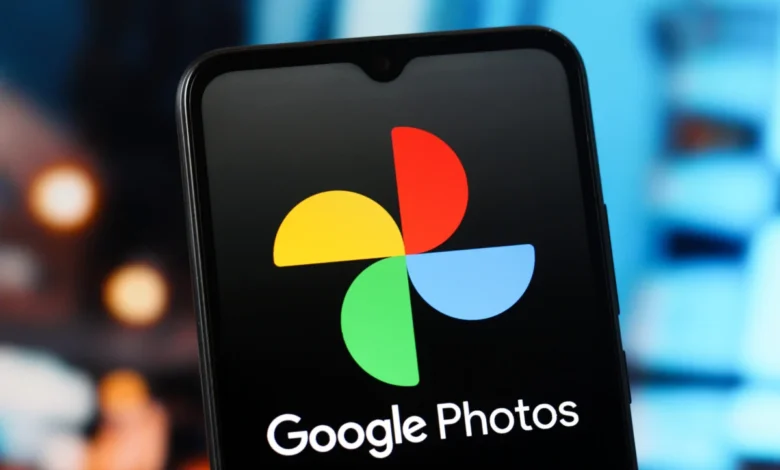
Google has officially announced a significant update to its Google Photos mobile application, introducing a suite of specialized touch-up tools designed to allow users to refine portrait photography with granular precision. This latest expansion of the platform’s editing capabilities marks a strategic move by the technology giant to integrate professional-grade retouching features directly into its cloud storage and gallery ecosystem. According to the company’s announcement on Monday, these new tools are intended for users seeking to apply subtle, aesthetic fixes to their images without the need for complex third-party software. The update includes a variety of specific controls aimed at facial features, allowing for the removal of blemishes, the refinement of skin textures, the brightening of eyes, and the whitening of teeth.
The new functionality is accessed through a redesigned interface within the Google Photos editor. Once a user selects a photo containing a face, the application’s machine learning algorithms automatically identify facial landmarks. Users can then choose from a menu of targeted tools, including "Heal," "Smooth," "Under eyes," "Irises," "Teeth," "Eyebrows," and "Lips." After selecting a specific tool, a slider interface appears, allowing the user to adjust the intensity of the effect. This granular control is a departure from the "one-size-fits-all" filters commonly found on social media platforms, as it allows for a more customized and naturalistic approach to photo enhancement.
Technical Specifications and Rollout Strategy
The rollout of these touch-up tools is being handled as a gradual global release. Google has specified that the features will be available on the Google Photos app for Android devices. However, due to the computational demands of real-time AI image processing, there are specific hardware and software requirements. Devices must be equipped with at least 4 GB of RAM and must be running Android 9.0 or higher. This ensures that the local processing of high-resolution images remains fluid and responsive.
By implementing these features on-device where possible, Google continues its trend of leveraging mobile hardware to handle complex AI tasks. While some of the more advanced generative features in Google Photos—such as Magic Editor—rely on cloud-based processing, these portrait touch-up tools appear designed for rapid, local execution, providing users with immediate visual feedback as they adjust sliders.
A Chronology of Google Photos’ Editing Evolution
The introduction of these touch-up tools is the latest milestone in a decade-long evolution of Google Photos from a simple backup utility to a sophisticated creative platform.

- 2015 – The Launch: Google Photos debuted as a standalone service, separated from the now-defunct Google+, focusing primarily on unlimited storage and basic organizational features.
- 2018 – AI Suggestions: The platform began introducing "Suggested Actions," such as automatic brightness correction and color pops, using early-stage machine learning to identify photos that could be improved.
- 2020 – The Redesigned Editor: Google launched a more powerful editor with a streamlined interface, moving away from basic filters toward more manual controls for lighting, contrast, and color.
- 2021 – Magic Eraser and Pixel Exclusivity: With the launch of the Pixel 6, Google introduced "Magic Eraser," a tool that allowed users to remove unwanted objects from the background of photos. This feature eventually trickled down to all Google One subscribers and more Android devices.
- 2023 – Generative AI and Magic Editor: Google introduced generative AI features that allowed users to move subjects within a frame or change the sky’s color, significantly blurring the line between traditional photography and digital manipulation.
- 2026 – The Portrait Refinement Update: The current update shifts the focus from the background and composition to the human subject, offering "micro-edits" that were previously the domain of professional retouching apps like Facetune or Adobe Photoshop Express.
Market Context and Competitive Landscape
Google’s decision to launch its own touch-up tools is widely seen by industry analysts as a defensive and offensive maneuver in the "app retention" war. For years, users have exported their photos from Google Photos to third-party applications to perform "beautification" edits before posting them to social media platforms like Instagram, TikTok, or X (formerly Twitter). By integrating these features directly into the native gallery app, Google aims to keep users within its ecosystem for the entire lifecycle of a photograph—from capture and backup to editing and sharing.
Furthermore, the rise of "short-form" video and selfie culture has created a massive market for portrait-specific editing. Third-party apps that offer skin smoothing and eye brightening have consistently topped app store charts for the last several years. By offering these tools for free (within the hardware requirements), Google is effectively commoditizing features that were once locked behind subscriptions or ad-supported third-party apps.
Supporting Data on Photo Editing Trends
The demand for these tools is supported by a growing body of consumer behavior data. According to market research, nearly 70% of smartphone users regularly edit their photos before sharing them online. Within that group, portrait retouching—specifically skin smoothing and lighting adjustments—ranks as the most frequently used category of edits.
The global photo editing software market was valued at approximately $950 million in 2023 and is projected to grow at a compound annual growth rate (CAGR) of over 6% through 2030. This growth is driven largely by the integration of AI, which lowers the barrier to entry for casual users. Google’s move to provide "subtle" touch-ups aligns with a shift in consumer preference away from heavy, "uncanny valley" filters toward more realistic, "no-filter" aesthetics that still require minor corrections.
Ethical Considerations and Psychological Impact
While the technical achievement of these tools is significant, the announcement has also reignited discussions regarding the psychological impact of pervasive photo retouching. Academic studies and health organizations have frequently pointed to the correlation between the use of digital "beautification" tools and issues related to body image and self-esteem.
Research published in various medical journals suggests that the ability to constantly "correct" one’s appearance can lead to negative emotional states, particularly among younger demographics. A study highlighted by the Cleveland Clinic noted that the prevalence of filtered images on social media creates unrealistic beauty standards that can contribute to body dysmorphic disorder.

By branding these tools as "subtle touch-ups" rather than "filters," Google appears to be attempting to navigate the middle ground. The company’s focus on tools like "Heal" (for temporary blemishes) and "Teeth" (for whitening) positions the software as a digital version of grooming rather than a wholesale reconstruction of the user’s face. However, critics argue that the mere presence of these tools in a default system app further normalizes the idea that raw photos are inadequate.
Official Responses and Industry Implications
While Google’s official blog post emphasizes the creative freedom and ease of use provided by these tools, the broader tech community is analyzing what this means for the future of digital authenticity. Analysts suggest that as AI-powered editing becomes standard, the "original" photograph may become a relic of the past.
"Google is essentially making the professional retoucher’s toolkit available to the masses," says one digital media analyst. "The implication is that every photo stored in the cloud is now a ‘draft’ that can be perfected at any moment. This changes our relationship with memories; we are no longer just capturing what happened, but what we wish we looked like when it happened."
For the Android ecosystem, this update serves as a significant value-add. As hardware specifications across manufacturers begin to plateau, software-based features like these become key differentiators. For Google, the goal remains clear: to ensure that Google Photos is not just a place where photos go to be stored, but the primary environment where they are shaped and perfected.
As the rollout continues over the coming weeks, users can expect to see the new "Touch-up" tab appearing in their editor interface. With the barrier to professional-level retouching now effectively removed for millions of Android users, the landscape of personal photography is poised for another transformative shift. The focus now turns to how users will balance these powerful new capabilities with the growing cultural movement toward digital transparency and authenticity.