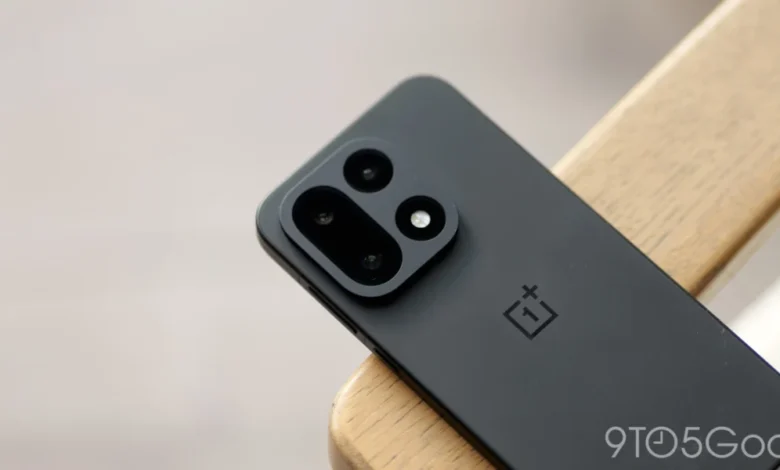
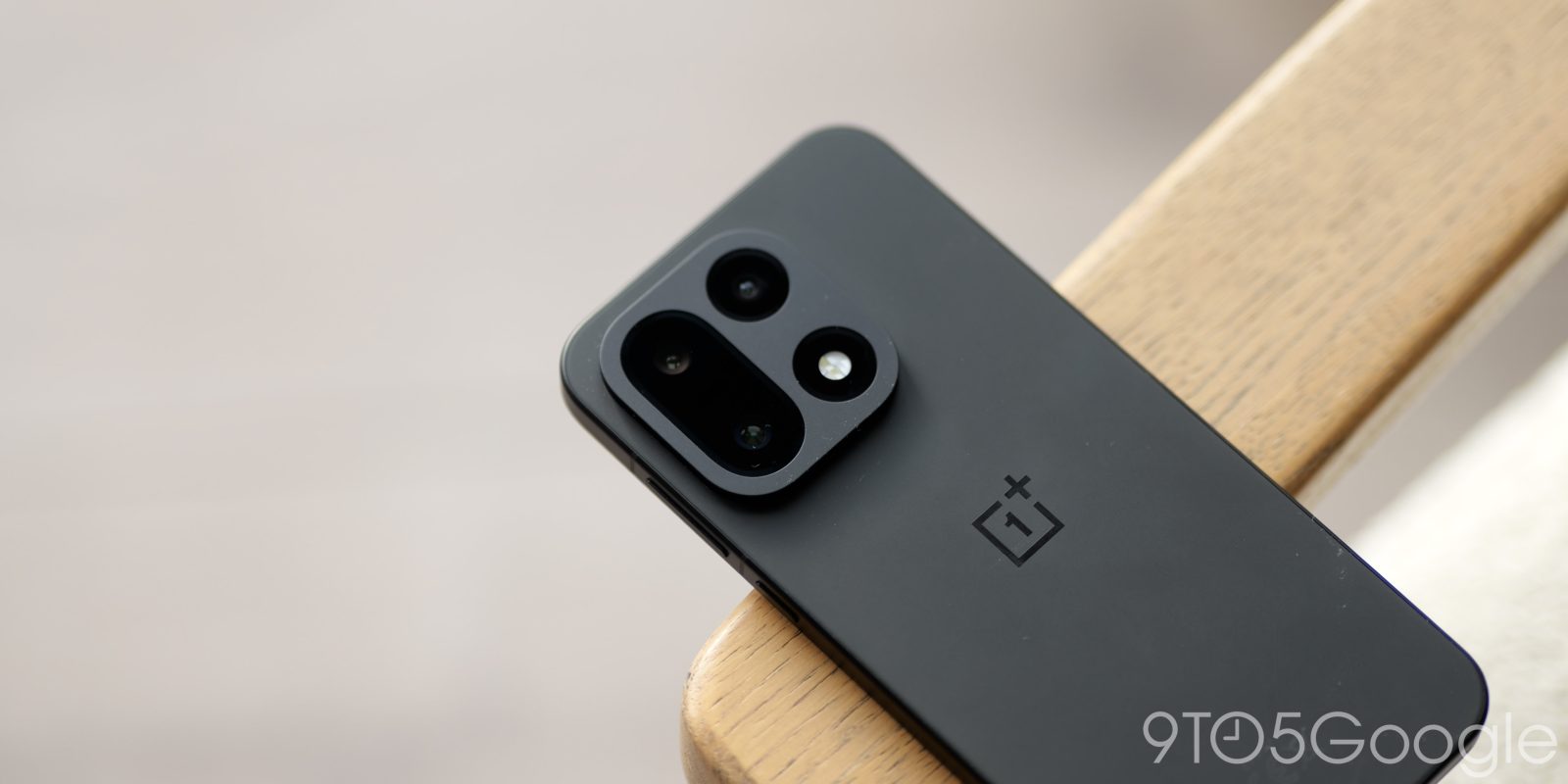
The current situation represents a critical juncture for OnePlus, a brand that built its reputation on the "Never Settle" mantra, offering high-performance smartphones at competitive prices. Founded in 2013, OnePlus quickly carved out a niche by directly engaging with its community, fostering a loyal following among tech enthusiasts. Its early models, often dubbed "flagship killers," provided premium specifications without the premium price tag, disrupting a market traditionally dominated by established players like Samsung and Apple. This approach allowed OnePlus to rapidly expand its global footprint, with Europe becoming a significant market for its growth ambitions.
A Decade of Evolution: From Niche Disruptor to Mainstream Challenger
OnePlus’s journey has been marked by several evolutionary phases. Initially, its direct-to-consumer sales model and reliance on online marketing, coupled with limited availability, created an exclusive aura. As the company matured, it sought to broaden its appeal, venturing into carrier partnerships and expanding its product portfolio beyond flagship devices to include the more budget-friendly Nord series, wearables, and other accessories. This expansion, while indicative of growth, also introduced complexities and diluted some of the brand’s original niche appeal, as it navigated the challenges of mass-market distribution and increased competition.
A defining moment in OnePlus’s recent history was its closer integration with Oppo, another subsidiary of the vast BBK Electronics conglomerate. While OnePlus had always been part of BBK, the official announcement in 2021 of a deeper strategic merger with Oppo led to significant operational and product strategy alignments. This move was intended to streamline R&D, optimize supply chains, and leverage shared resources, theoretically enhancing efficiency and competitive strength. However, it also sparked concerns among long-time fans about the potential erosion of OnePlus’s distinct identity and its unique OxygenOS software, which began to share more features with Oppo’s ColorOS. This integration has been a continuous process, reshaping OnePlus’s internal structure and global market approach.
Chronology of European Market Retreat Signals
The current speculation regarding OnePlus’s European operations has not emerged in a vacuum but follows a discernible pattern of events and reports over several months. While specific timelines for the very first whispers are difficult to pinpoint precisely, the latter half of 2023 and early 2024 saw an intensification of rumors concerning a strategic re-evaluation within the company.

The most tangible evidence of this shift began to surface through anecdotal reports from within the industry and, more concretely, through social media platforms. In recent weeks and months, a growing number of OnePlus employees based in Europe have reportedly departed the company. Many of these individuals have taken to professional networking sites like LinkedIn to post farewell messages, expressing gratitude for their time at OnePlus while announcing their transition to new roles outside the organization. These posts, often tinged with a sense of regret or surprise, served as a powerful indicator of significant internal changes. The phrase "exodus of employees – willing or unwilling" used in the original reporting, aptly captures the sentiment, suggesting that some departures may have been voluntary due to uncertainty, while others could have been the result of organizational restructuring or layoffs.
Against this backdrop of internal shifts, the official statement, as reported by Android Authority, confirms that OnePlus is indeed "evaluating its regional roadmap and product strategy" for Europe. While carefully worded, this acknowledgement from a "business leader in the European region" lends credibility to the previous rumors and employee departures. The statement’s inclusion of a guarantee for "all users’ after-sales support, software updates, and rights commitments" is a crucial detail, aiming to reassure existing customers amidst the operational uncertainty. This commitment is vital for maintaining brand trust, especially during a period of significant transition.
Further corroborating the narrative of a planned strategic shift, previous reports and discussions within tech circles have echoed similar sentiments, often using identical or highly similar phrasing to describe OnePlus’s intentions in Europe. This consistency across various informal and semi-official channels suggests a coordinated message, possibly an internal directive to manage public perception during a sensitive restructuring phase. Such unified messaging often precedes major corporate changes, indicating that the "mass exit" of staff might not be a sudden, unplanned event but rather a consequence of a pre-determined strategic adjustment, potentially involving a scaling back of operations in certain regions. While Europe is prominently mentioned, it remains unclear if other geographical markets could also be affected by similar strategic reviews.
Supporting Data and Market Dynamics in Europe
The European smartphone market is notoriously competitive, characterized by high consumer expectations, diverse regulatory environments, and the entrenched dominance of a few major players. For years, Samsung and Apple have commanded the lion’s share, particularly in the premium segments. Chinese brands, including Xiaomi, Huawei (prior to U.S. sanctions), Oppo, and OnePlus, have aggressively sought to capture market share, often by offering feature-rich devices at more accessible price points.
OnePlus, despite its dedicated following, has consistently struggled to break into the top tier of European smartphone vendors in terms of overall market share. While it enjoyed pockets of strong performance in specific Western European countries, its overall presence remained modest compared to the giants. According to various market research firms (e.g., Canalys, Counterpoint Research), OnePlus typically hovered outside the top five, competing for the remaining percentage points with a multitude of other brands. Its growth was often attributed to specific product launches, like the Nord series, which tapped into the lucrative mid-range segment, but sustaining consistent, widespread growth proved challenging.
Several factors contribute to the difficulty of thriving in the European market:
- Intense Competition: The market is saturated, with every price point fiercely contested. Samsung’s broad portfolio, Apple’s ecosystem lock-in, and Xiaomi’s aggressive pricing across all segments make it difficult for other brands to gain significant traction.
- Carrier Dependence: A significant portion of smartphone sales in Europe occurs through carrier contracts. Securing favorable deals and prominent placement with major telecom operators requires substantial investment, strong negotiating power, and robust after-sales support infrastructure – areas where smaller or newer brands might face hurdles.
- Economic Headwinds: European consumers have faced economic pressures, including inflation and cost-of-living crises, leading to longer smartphone upgrade cycles. This dampens overall demand and intensifies competition for existing sales.
- Regulatory Environment: The European Union’s stringent regulations concerning data privacy (GDPR), consumer rights, and environmental standards, while beneficial for consumers, add layers of complexity and cost for manufacturers operating in the region.
- Brand Perception and Marketing Spend: Building widespread brand recognition and trust requires massive marketing budgets and sustained effort, which can be challenging for brands like OnePlus that historically relied more on grassroots community engagement.
- Patent Disputes: A significant, albeit indirect, challenge for BBK-affiliated brands like Oppo and OnePlus has been ongoing patent disputes in certain European countries, notably Germany. High-profile lawsuits, particularly with Nokia over 5G technology, have at times led to sales bans or withdrawals of products, impacting market availability and consumer confidence. While not explicitly cited as the primary reason for the current "evaluation," such legal battles undoubtedly add to the operational complexities and financial burdens of maintaining a strong presence in the region.
Official Stance and Interpretation
The official statement from OnePlus Europe, while brief, is highly significant. The phrase "evaluating its regional roadmap and product strategy" is corporate speak for a comprehensive review that could lead to significant changes, including scaling back operations, shifting focus to specific sub-regions, or even a complete withdrawal from certain markets. Given the context of employee departures, "reevaluating" in this instance strongly suggests more than a minor tweak; it implies a fundamental restructuring.
The assurance regarding "after-sales support, software updates, and rights commitments" is a standard and necessary component of such announcements. It serves to mitigate immediate panic among existing customers and protects the brand’s reputation. However, it does not negate the possibility of a reduced future presence. A company can continue to provide support for its products without actively selling new ones or maintaining a full-scale operational footprint in a region. This commitment reflects a responsible approach to exiting or downsizing a market, ensuring that consumer trust is not entirely eroded, which could impact global brand perception.
The ambiguity inherent in the statement – intentionally or unintentionally – allows OnePlus to manage expectations without making definitive pronouncements that could have immediate negative consequences for sales or employee morale. However, the actions on the ground, particularly the consistent reports of staff departures, provide a clearer indication of the direction of travel. When employees, especially those in key regional leadership or operational roles, leave en masse, it often signals a lack of confidence in the company’s future strategy for that region or an acknowledgment of impending operational cuts.
Broader Impact and Implications
The potential scaling back or withdrawal of OnePlus from the European market carries significant implications for various stakeholders:
For OnePlus:

- Brand Perception: A retreat from a major global market like Europe could tarnish OnePlus’s image as a "global" smartphone brand. It might be perceived as a strategic failure or an admission of defeat in a highly competitive arena.
- Strategic Focus: This move could indicate a pivot towards core, more profitable markets such as India, China, and potentially North America, where OnePlus might have stronger brand recognition, established distribution channels, or less intense competition. It could lead to a more streamlined product portfolio focused on these regions.
- Innovation and Product Development: A reduced global footprint might impact the diversity of market feedback received by OnePlus, potentially influencing future product designs and features. The integration with Oppo might also become more pronounced, with OnePlus devices increasingly mirroring Oppo’s offerings, leading to less distinct product differentiation.
- Financial Health: While initially disruptive, a strategic withdrawal could ultimately improve the company’s profitability by cutting losses in underperforming markets and reallocating resources to more lucrative ventures.
For the European Smartphone Market:
- Competition: The departure or significant reduction of OnePlus would remove a notable player, especially in the "flagship killer" and upper mid-range segments. This could potentially benefit competitors like Samsung, Xiaomi, and Google Pixel, allowing them to capture a larger share of sales. It might also open doors for other emerging Chinese brands or even reinvigorate interest in smaller European players if they exist.
- Consumer Choice: European consumers might see a reduction in the diversity of options available, particularly for those seeking high-performance devices at competitive price points that OnePlus traditionally offered. This could lead to a less vibrant and potentially less innovative market environment.
- Pricing Dynamics: A reduction in competition could, in some segments, lead to less aggressive pricing strategies from the remaining dominant players, though the overall intensity of competition is likely to prevent widespread price increases.
For Employees:
- The human cost of such restructuring is significant. Employees face job losses, career disruption, and the uncertainty of finding new opportunities in a competitive job market. The "willing or unwilling" nature of departures highlights the personal impact of corporate strategic shifts.
For Consumers (Existing and Prospective):
- Existing Owners: The guarantee of after-sales support and software updates is crucial. However, the long-term availability of spare parts, specialized repair services, or future OS updates beyond the guaranteed period might become a concern for some.
- Prospective Buyers: Uncertainty surrounding OnePlus’s future in Europe will likely deter new purchases. Consumers are generally reluctant to invest in a brand that might be scaling back or leaving their market, fearing future support issues or diminished resale value.
Conclusion
The situation unfolding at OnePlus marks a significant moment in the company’s history, particularly concerning its global aspirations. While the official communication remains cautious and measured, the confluence of employee departures, internal restructuring, and the carefully worded statement about "evaluating its regional roadmap and product strategy" strongly indicates a substantial shift in its European operations. This move reflects not only OnePlus’s internal strategic adjustments, possibly driven by its deeper integration with Oppo, but also the broader challenges faced by smartphone manufacturers in the highly competitive and saturated European market.
As OnePlus navigates this critical transition, the industry will be closely watching to see how this re-evaluation impacts its brand identity, product strategy, and market presence globally. For European consumers and the wider smartphone ecosystem, the potential scaling back of OnePlus represents a change in the competitive landscape, underscoring the dynamic and often unforgiving nature of the technology sector. The coming months will undoubtedly reveal the full extent of these changes and their long-term implications.