AI Chip Boom Fuels Record Bonuses at SK Hynix While Samsung Faces Strike Threats Amidst Profit-Sharing Disputes

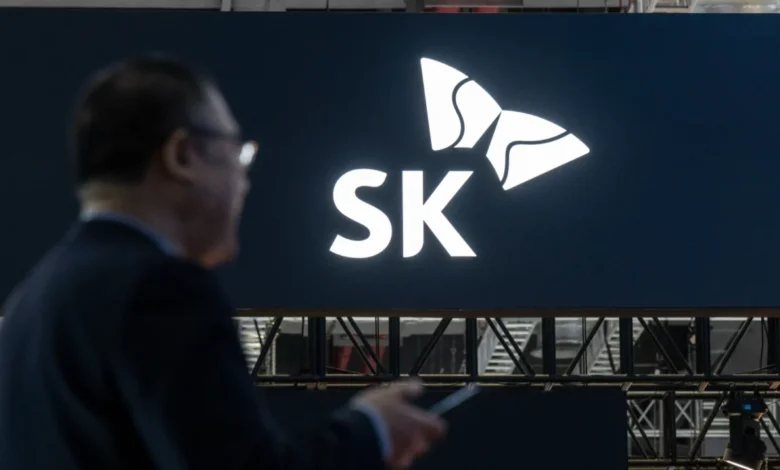
The burgeoning AI chip supercycle is generating unprecedented profits for South Korea’s leading memory manufacturers, creating a stark divergence in employee compensation and labor relations. At SK Hynix, individual employee bonuses are projected to reach an average of approximately 700 million won (around $477,000 USD) this year, with forecasts suggesting a staggering increase to almost 1.3 billion won (over $900,000 USD) per employee in 2026. This extraordinary compensation is a direct result of a new profit-sharing agreement linked to the company’s surging operating profits. In sharp contrast, Samsung Electronics’ labor union has escalated its dispute with management, threatening a general strike from May 21st to June 7th after rejecting the company’s compensation offer, highlighting a growing chasm between employee expectations and corporate allocation of AI-driven gains.
The Unprecedented Profit Surge and SK Hynix’s Generous Payouts
SK Hynix, a global leader in memory semiconductors, particularly High Bandwidth Memory (HBM), committed last September to a groundbreaking profit-sharing model. This agreement stipulates that 10% of the company’s annual operating profit will be directly allocated to its employees as performance-based payouts, removing previous bonus caps. This move was a strategic decision to incentivize its workforce and acknowledge their contribution to the company’s recent success, especially in the highly competitive HBM market.
Market analysts are projecting an operating profit of approximately 250 trillion won ($169 billion USD) for SK Hynix by 2026. Should these forecasts materialize, the resulting bonus pool would be an astounding 25 trillion won. Distributed among the company’s roughly 35,000 employees, this would translate to an average bonus of over 700 million won ($477,000 USD) per person for that year. Furthermore, more optimistic projections from investment bank Macquarie suggest SK Hynix’s operating profit could soar to 447 trillion won ($304.5 billion USD) by 2026. Under the existing 10% profit-sharing framework, this would push average employee bonuses beyond 1 billion won, potentially reaching 1.27 billion won (approximately $865,000 USD) per employee.
The impact of this policy is already evident. In February of the current year, SK Hynix employees received profit-sharing bonuses averaging about 140 million won (roughly $95,000 USD) per employee. This immediate payout underscores the rapid turnaround in the semiconductor industry, driven primarily by the insatiable demand for memory solutions critical to artificial intelligence infrastructure.
Samsung’s Labor Strife Amidst High Expectations
Across the industry, at rival Samsung Electronics, the situation is markedly different. Despite similar market tailwinds, the company is grappling with significant labor unrest. The National Samsung Electronics Union (NSEU), which represents a substantial portion of Samsung’s 77,000-person semiconductor workforce, is demanding a 15% allocation of operating profit for employee bonuses. Market analysts predict Samsung’s overall operating profit to reach approximately 298 trillion won ($202 billion USD) this year. If the union’s demand were met for the semiconductor division alone, which contributes a significant portion of this profit, it could amount to roughly 580 million won (approximately $396,000 USD) per employee.
Samsung management countered with a proposal to match SK Hynix’s 10% profit-sharing framework. However, this offer was firmly rejected by the union, leading to an escalation of tensions. In response, the union has planned a large-scale rally at Samsung’s critical Pyeongtaek fab, one of the world’s largest semiconductor manufacturing facilities, scheduled for April 23rd. The union’s chairman, Choi Seung-ho, has publicly stated that approximately 200 employees have already departed for SK Hynix over the past four months, underscoring the potential for a "brain drain" if compensation discrepancies persist.
In an attempt to avert industrial action, Samsung Electronics filed a request with a court last Thursday to block what it termed "illegal activities" during a potential strike. This legal maneuver highlights the severity of the dispute and the company’s determination to maintain operational continuity, given the critical role of its semiconductor division in the global supply chain. The threatened general strike, slated for late May to early June, could have far-reaching implications for global technology markets if not resolved.
The AI Chip Supercycle: A Catalyst for Change
The dramatic shift in fortunes and the ensuing compensation debates are almost entirely attributable to the "AI chip supercycle." This refers to the unprecedented surge in demand for specialized semiconductors, particularly high-performance memory, driven by the rapid development and deployment of artificial intelligence technologies.
At the heart of this supercycle is High Bandwidth Memory (HBM). Unlike conventional DRAM, HBM stacks multiple memory dies vertically, connecting them with through-silicon vias (TSVs) to achieve significantly higher bandwidth and lower power consumption. This architecture is crucial for AI accelerators, such as NVIDIA’s H100 or AMD’s Instinct MI300X, which require immense data throughput to process complex AI models and large datasets efficiently. SK Hynix has been a pioneer and market leader in HBM, particularly with its HBM3 and newer HBM3E products, securing significant contracts with major AI chip developers. This early lead has allowed SK Hynix to capitalize heavily on the initial wave of AI infrastructure build-out.
The current boom represents a stark reversal from the memory market downturn of 2023. During that period, an oversupply of DRAM and NAND flash, coupled with weakening demand for consumer electronics, led to significant operating losses for memory manufacturers. In 2024, Samsung paid no performance bonuses at all after its chip unit posted operating losses throughout 2023. SK Hynix’s bonus rate also collapsed during the same period. The swift turnaround, fueled by AI, has caught many by surprise and recalibrated expectations across the industry. SK Hynix, for instance, has seen its market share in the DRAM segment bolstered by its HBM dominance, with reports indicating it controls a significant portion, potentially around 35%, of the overall DRAM market thanks to the AI boom’s specific demands.
Background and Chronology of Events:
- 2023 Memory Downturn: The year saw significant operating losses for Samsung’s chip unit and a collapse in bonus rates for SK Hynix due to oversupply and weak demand. Samsung paid no performance bonuses.
- September 2023: SK Hynix agrees to remove its bonus cap and allocate 10% of annual operating profit directly to employees.
- Late 2023 – Early 2024: The "AI chip supercycle" begins to accelerate, driven by surging demand for HBM and other AI-oriented memory products.
- February 2024: SK Hynix pays profit-sharing bonuses averaging approximately 140 million won ($95,000) per employee, signaling the turnaround.
- Early 2024: Samsung Electronics’ labor union begins negotiations for improved compensation, demanding 15% of operating profit.
- April 2024: Samsung management offers a 10% profit-sharing allocation, which is rejected by the union.
- April 23, 2024 (Scheduled): The National Samsung Electronics Union plans a large rally at Samsung’s Pyeongtaek fab.
- Last Thursday (Specific date not provided, but prior to current reporting): Samsung Electronics asks a court to block "illegal activities" during a potential strike.
- May 21st – June 7th (Threatened): Samsung Electronics labor union threatens a general strike if demands are not met.
- Ongoing: Debate intensifies in South Korea regarding the scale of semiconductor bonuses and corporate responsibility.
- 2026 (Projected): Analyst forecasts project record operating profits for both companies, leading to even higher potential bonuses.
Public Scrutiny and Broader Implications
The scale of these projected bonuses has not gone unnoticed by the wider South Korean public, sparking an unusual backlash. Discussions on anonymous workplace forums like Blind reveal arguments that companies benefiting substantially from state support should share their profits more broadly. This public sentiment points to the "K-Chips Act," a legislative initiative designed to bolster South Korea’s semiconductor industry. The act provides significant incentives, including up to 20% tax credits for investments in semiconductor facilities and R&D. Over the last two years, SK Hynix and Samsung combined have received an estimated 20 trillion won (roughly $13.6 billion USD) in such tax benefits. Critics argue that if public funds contribute significantly to corporate profitability, then the benefits should extend beyond a select group of highly paid employees.
The implications of these contrasting situations are multifaceted:
- Talent War and Brain Drain: The significant disparity in compensation between SK Hynix and Samsung, particularly the potential for vastly higher bonuses at the former, creates a potent incentive for talent migration. Chairman Choi Seung-ho’s report of 200 employees leaving Samsung for SK Hynix within a few months is a tangible indicator of this trend. Such a brain drain could impact Samsung’s ability to innovate and compete effectively in critical areas like HBM development, where it is striving to catch up with SK Hynix.
- Labor Relations Precedent: SK Hynix’s decision to remove its bonus cap and link payouts directly to a substantial percentage of operating profit sets a new benchmark for compensation in South Korea’s powerful chaebols. This could empower labor unions in other major industries to push for similar profit-sharing models, potentially reshaping industrial relations across the country.
- Economic Impact and Societal Equity: While these bonuses represent a massive windfall for a relatively small segment of the workforce, the public backlash highlights a broader societal debate about wealth distribution. In a country grappling with issues of economic inequality, the concentration of such extraordinary wealth within a privileged few, especially when companies benefit from public subsidies, raises questions about fairness and corporate social responsibility.
- Global Supply Chain Stability: A general strike at Samsung Electronics, a cornerstone of the global semiconductor supply chain, could have severe repercussions. Samsung is a critical supplier of DRAM, NAND flash, and foundry services to countless technology companies worldwide. Any significant disruption to its production could lead to shortages, price increases, and delays across various industries, from smartphones and PCs to automotive and data centers.
- National Competitiveness: South Korea’s status as a global semiconductor powerhouse relies heavily on the stability and innovation of its leading companies. While generous compensation can attract and retain top talent, prolonged labor disputes or a significant shift in talent dynamics between key players could impact the nation’s overall technological leadership and economic stability.
The current scenario in South Korea’s semiconductor industry encapsulates the complex interplay between technological innovation, unprecedented economic growth driven by AI, evolving labor expectations, and the broader societal debate on corporate responsibility. As the AI chip supercycle continues to accelerate, the decisions made by companies and unions today will likely shape the future of compensation, labor relations, and economic equity within this critical global industry for years to come.