Beats Solo Buds Drop to £39 in EE Sale Offering 18 Hours of Battery Life and Cross Platform Compatibility

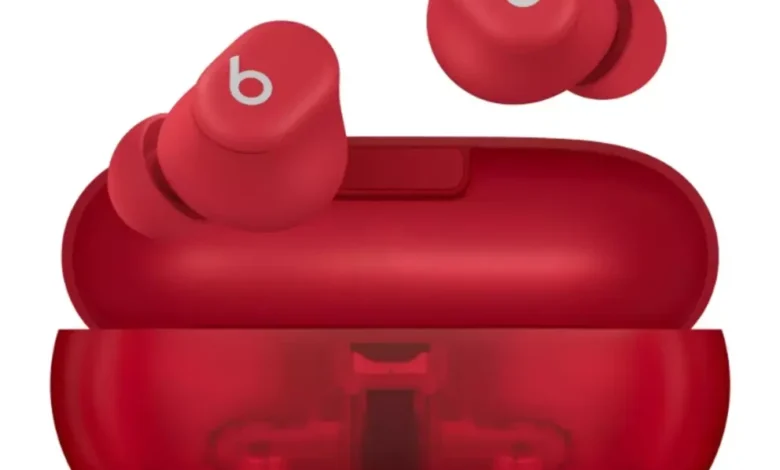
The current consumer electronics market continues to see aggressive promotional pricing as major retailers and telecommunications providers compete for consumer attention ahead of seasonal shopping peaks. Among the more notable peripheral discounts currently active in the United Kingdom, EE has slashed the price of the Beats Solo Buds by 50 percent, bringing the cost down from £79 to just £39. This significant markdown places the ultra-compact wireless earbuds firmly in the budget-friendly category while highlighting a distinct engineering philosophy that prioritizes minimalist case design and extended standalone battery longevity over traditional charging case dependencies.
Product Engineering and Design Philosophy
The Beats Solo Buds depart from conventional wireless earbud design conventions. While the industry standard relies heavily on a bulky, battery-equipped carrying case designed to recharge the earbuds multiple times throughout the day, the Solo Buds utilize a radically streamlined chassis. The physical case for the Solo Buds functions primarily as a protective storage unit rather than a power bank, driving the physical footprint down to some of the smallest dimensions currently available in the consumer audio market.
To compensate for the absence of a secondary charging reservoir within the case, Beats engineered the individual earbuds to house substantial power capacity independently. Each bud is rated to deliver up to 18 hours of continuous playback on a single charge. This engineering approach eliminates the recurring operational anxiety of ensuring that both the earbuds and their bulky holster are simultaneously energized before leaving home.
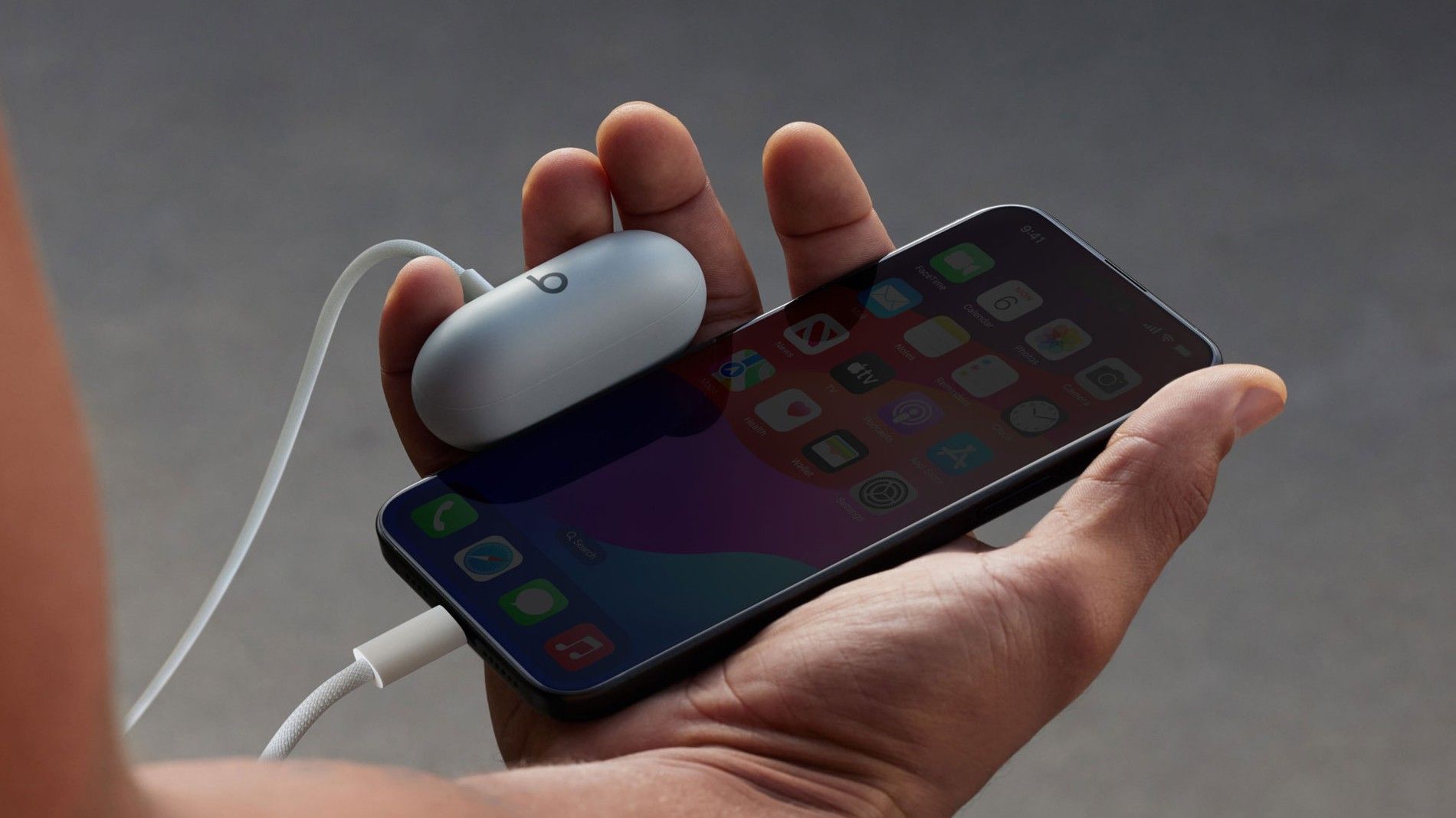
For users frequently caught off guard by depleted batteries, the hardware incorporates Apple’s proprietary Fast Fuel quick-charging architecture. This capability allows the earbuds to acquire approximately one hour of playback time from a brief five-minute charge. Crucially, the system supports direct-cable tethering; users can plug the earbuds directly into a smartphone’s USB-C charging port to draw emergency power on the go, provided they carry a compatible cable. This direct-power functionality provides a practical safeguard for commuters and travelers operating in dynamic environments.
Ecosystem Integration: Bridging Apple and Android
Despite being a wholly owned subsidiary of Apple Inc., the positioning of the Beats brand has increasingly emphasized cross-platform parity to capture a broader market share outside the iOS ecosystem. The Beats Solo Buds reflect this dual-compatibility strategy. While they integrate seamlessly with Apple’s proprietary device network—offering effortless pairing and iCloud syncing for iPhone and iPad users—they are engineered to deliver robust performance on Android devices as well.
Android integration is facilitated via native support for Google Fast Pair, which streamlines initial connectivity, and a dedicated companion application available on the Google Play Store. This app grants users access to firmware updates, battery level monitoring, and custom control configurations directly from an Android interface. By maintaining feature parity across both dominant mobile operating systems, Beats has broadened the consumer appeal of the Solo Buds, preventing platform lock-in from deterring potential buyers.
Market Context and Pricing Analysis
At the launch price of £79, the Beats Solo Buds occupied a competitive space populated by numerous mid-tier audio products offering active noise cancellation (ANC) and wireless charging cases. However, the promotional price point of £39 repositions the product as an aggressive value offering within the sub-£100 audio segment.
Industry analysts note that while budget wireless earbuds have proliferated globally, many lower-cost alternatives struggle with build quality, Bluetooth stability, and brand reliability. By offering an established brand-name product with a recognized audio profile for under £40, retailers like EE are able to capture price-sensitive consumers who might otherwise purchase unverified white-label alternatives from online marketplaces.
Audio Performance and Target Demographics
Audio quality evaluations of the Beats Solo Buds indicate a sound signature aligned with the traditional Beats acoustic profile: forward-facing bass response and a bright, energetic treble presentation. While this tuning is well-suited for popular music genres, hip-hop, and electronic tracks, audio critics emphasize that the hardware is not designed to satisfy audiophiles seeking neutral frequency response, high-resolution codec support, or advanced spatial audio rendering.
Furthermore, the diminutive size of the earbuds necessitates certain hardware compromises. Notably, the Beats Solo Buds do not feature Active Noise Cancellation (ANC), relying entirely on passive noise isolation through silicone ear tips. Consequently, industry observers recommend the product for specific consumer profiles: daily commuters, casual listeners, and minimalist travelers who prioritize extreme portability and battery independence over high-fidelity acoustics or ambient noise elimination. Conversely, consumers requiring robust noise attenuation or reference-grade sound reproduction are advised to explore higher-tier alternatives within the broader audio market.
Broader Implications for the Wearables Sector
The aggressive discounting of the Beats Solo Buds illustrates a broader trend within the personal audio sector: manufacturers are increasingly experimenting with form factors to capture niche consumer preferences. As the market matures, standard earbud designs with traditional charging cases have become commoditized, prompting brands to explore extreme miniaturization.
The market response to the Solo Buds’ unique architecture—trading case-based battery reserves for extended standalone bud longevity—will likely influence future product development cycles across competing hardware manufacturers. As promotional pricing brings advanced micro-engineering to lower price points, consumers continue to benefit from increased hardware diversity and aggressive retail competition.