Maono PD500W Review: A Hybrid Microphone Disrupting the Professional Audio Market

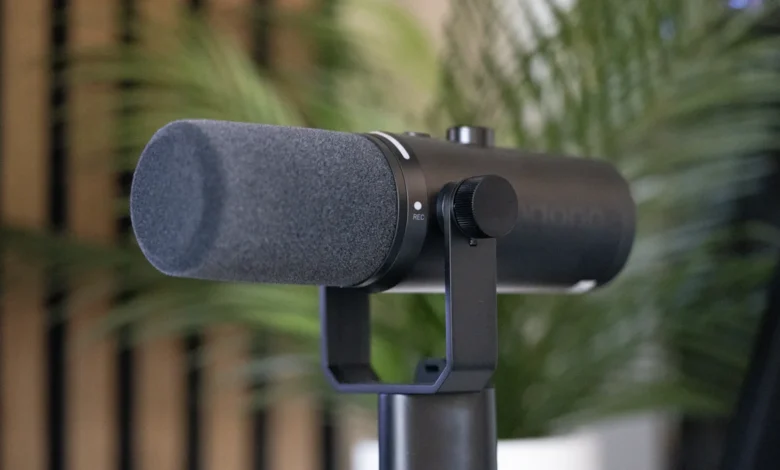
The rapid evolution of digital content creation has forced a paradigm shift in audio engineering, where the line between studio-grade hardware and consumer-accessible gear continues to blur. The release of the Maono PD500W marks a significant moment in this transition, presenting a hybrid dynamic microphone that seeks to combine the traditional reliability of XLR studio standards with the flexible, low-latency demands of modern streaming and remote production. As the market for podcasting, voiceover, and high-fidelity streaming grows, manufacturers are increasingly tasked with solving the "clutter problem"—the accumulation of interfaces, cables, and software-dependent hardware that often plagues modern creators.
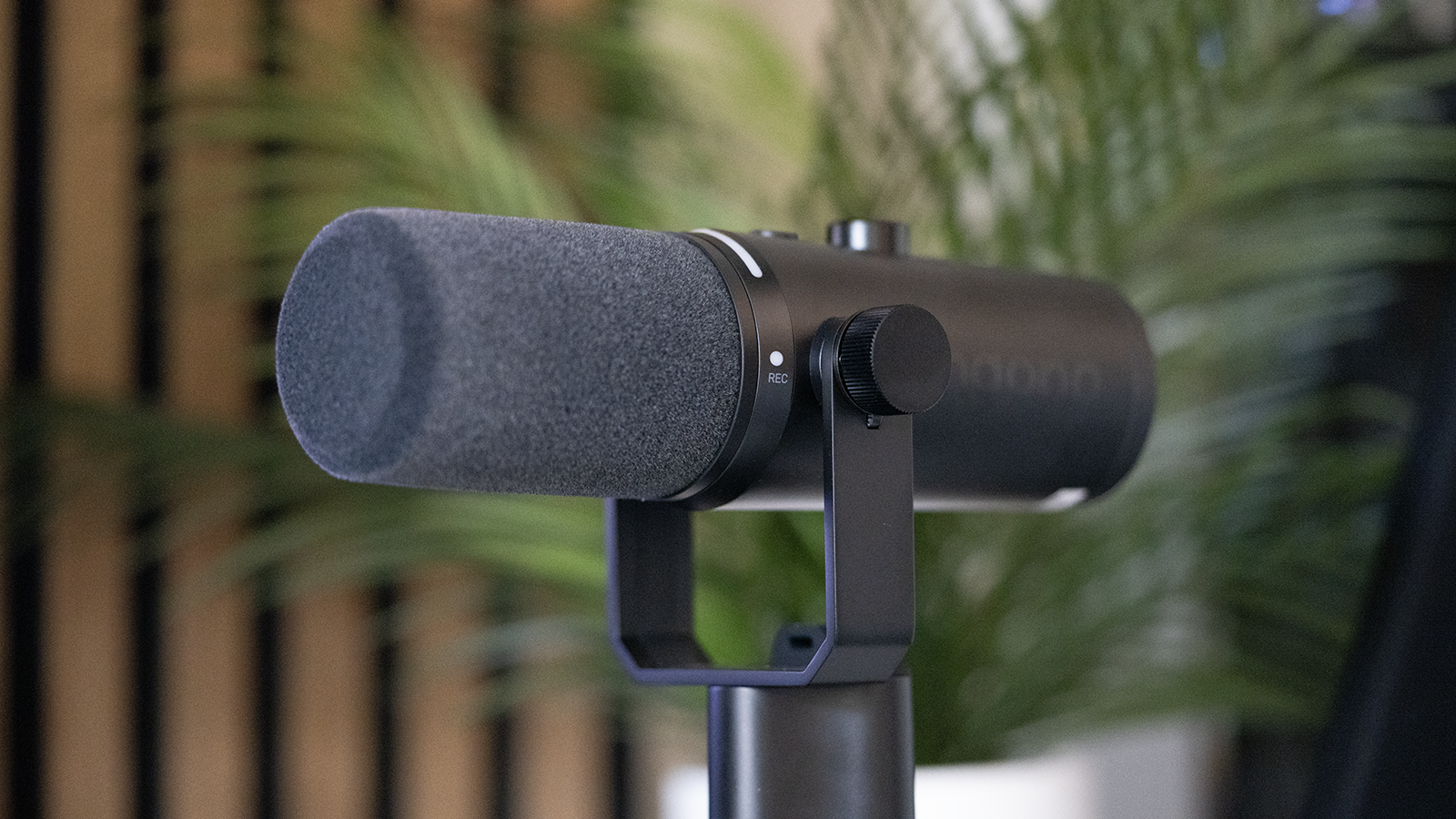
Historically, the industry standard for broadcast-quality vocal capture has been defined by legendary dynamic microphones like the Shure SM7B. These microphones, while providing exceptional, consistent sound profiles, require a substantial peripheral ecosystem, including high-gain preamps, audio interfaces, and sophisticated cable management. The Maono PD500W, however, attempts to decentralize this workflow. By incorporating internal 32-bit float recording, wireless connectivity, and direct app-based signal processing, the device represents a deliberate attempt to reduce the barrier to entry for professional-grade audio.
The Evolution of Hybrid Audio Technology
The development of the PD500W follows a multi-year trend in audio hardware where manufacturers are integrating digital signal processing (DSP) directly into the microphone housing. In the past, features such as compression, equalization, and noise gating were exclusively the domain of external hardware racks or Digital Audio Workstations (DAWs). By moving these functions into the microphone’s onboard chipsets—controllable via the proprietary Maono Link software—the device effectively functions as a standalone production studio.
This shift is particularly relevant in the context of the rise of 32-bit float audio technology. Unlike traditional 16-bit or 24-bit recording, which can lead to "clipping" or digital distortion if the input levels are set too high, 32-bit float recording captures a significantly wider dynamic range. This allows creators to adjust levels in post-production without risking the loss of signal integrity. For a modern creator working in environments ranging from home offices to mobile location setups, the inclusion of this technology provides a safety net that was previously unavailable in this price bracket.
Design Specifications and Technical Architecture
The architecture of the PD500W is centered around a dynamic capsule designed for high-rejection performance, minimizing background noise while maintaining a clear frequency response from 20Hz to 20kHz. The unit is designed with a hybrid connectivity interface, offering a standard 3-pin XLR port for analog signal chains and a USB-C port for digital integration. This dual-path approach ensures that the device remains compatible with both professional mixing desks and modern, minimalist laptop-based workflows.
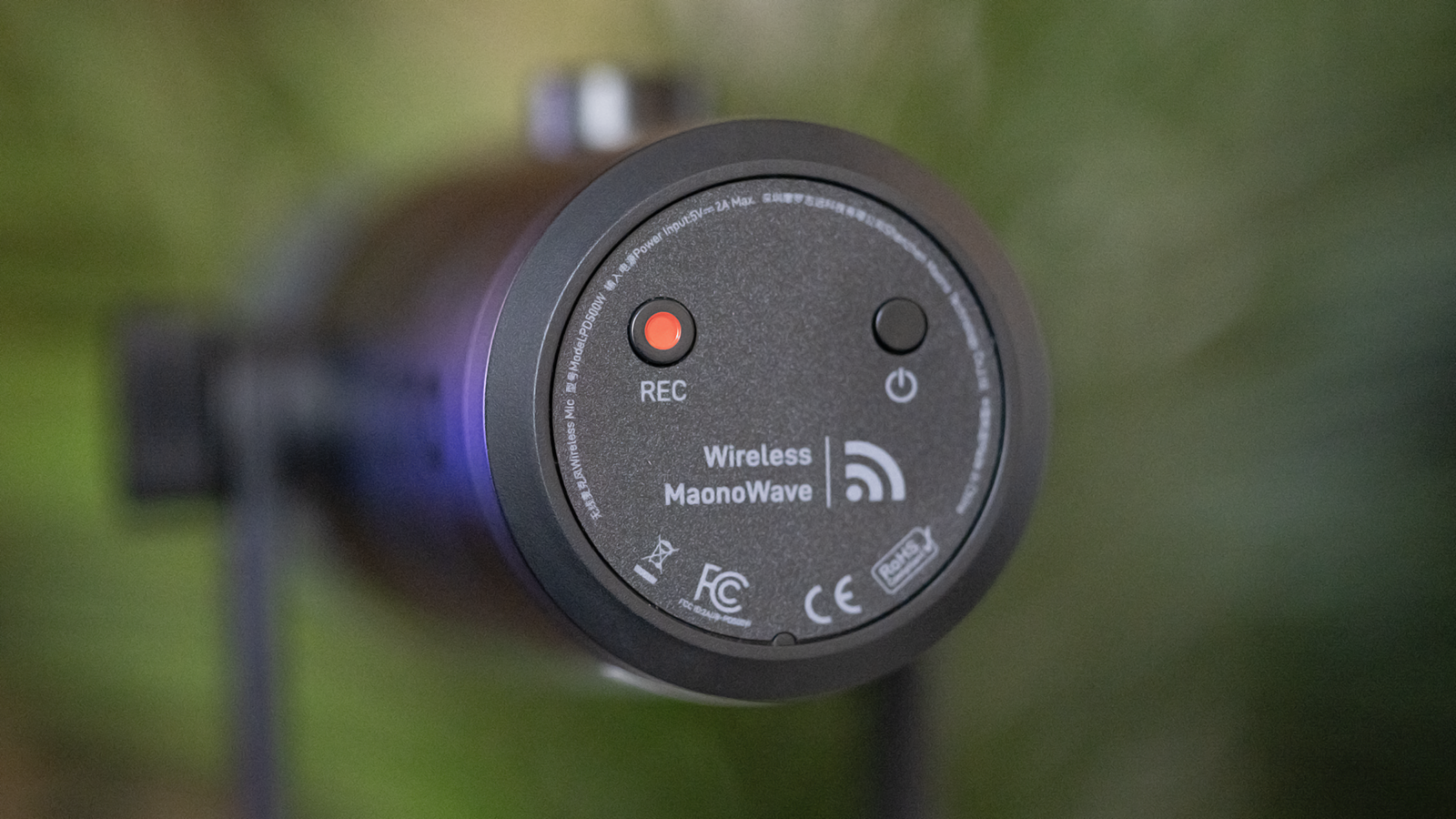
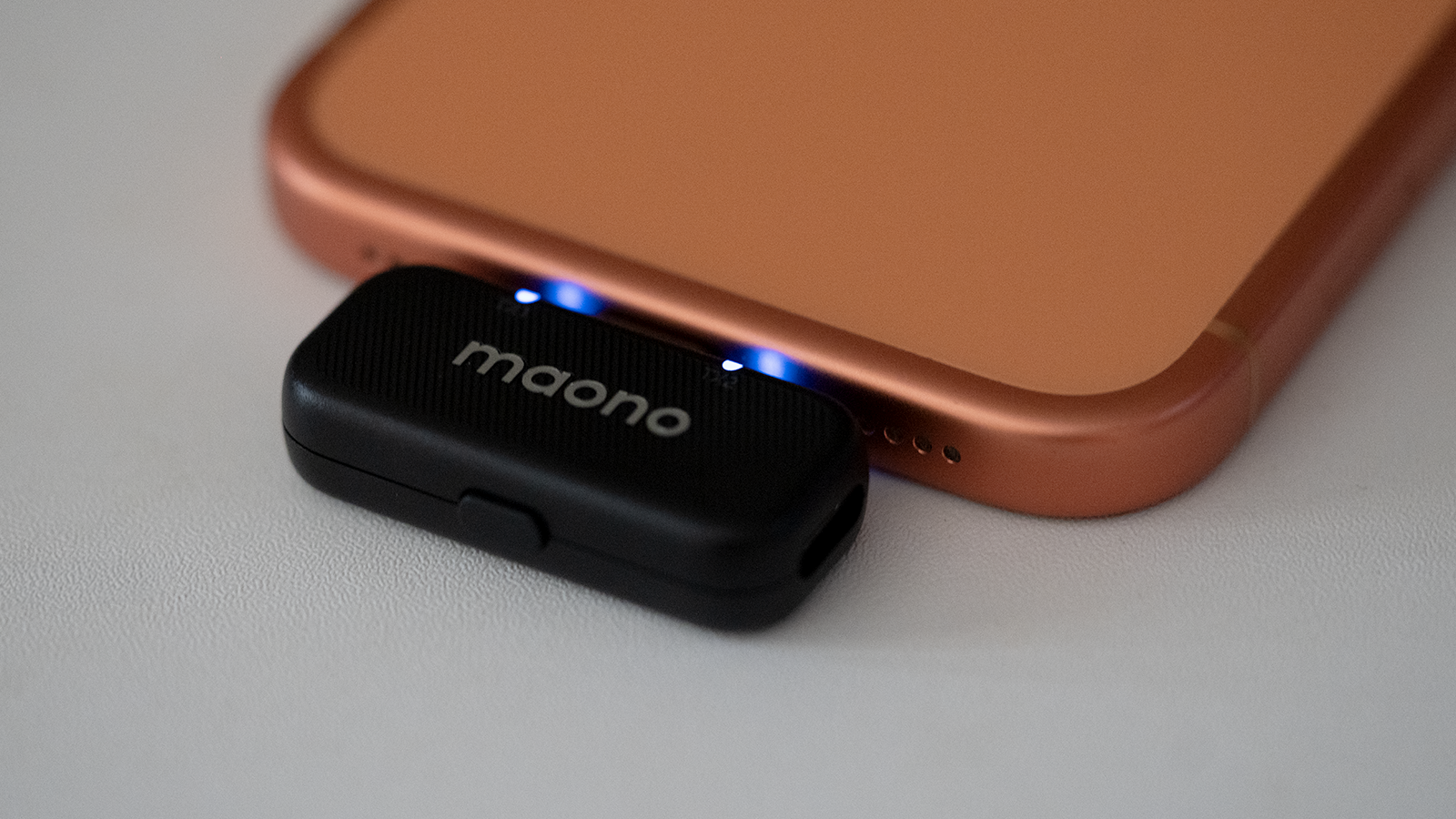
Perhaps the most disruptive element of the PD500W is its wireless receiver system. By detaching the receiver from the microphone base, users can connect the microphone to mobile devices or computers wirelessly, effectively eliminating the need for long cable runs that often clutter small studio spaces. The wireless module pairs automatically upon power-up, operating on a frequency band that minimizes interference from common household Wi-Fi signals. The onboard 32GB of internal storage serves as a secondary redundant recording path, ensuring that even in the event of a wireless connection failure, the audio remains preserved on the device’s internal drive.
Functional Analysis and Workflow Integration
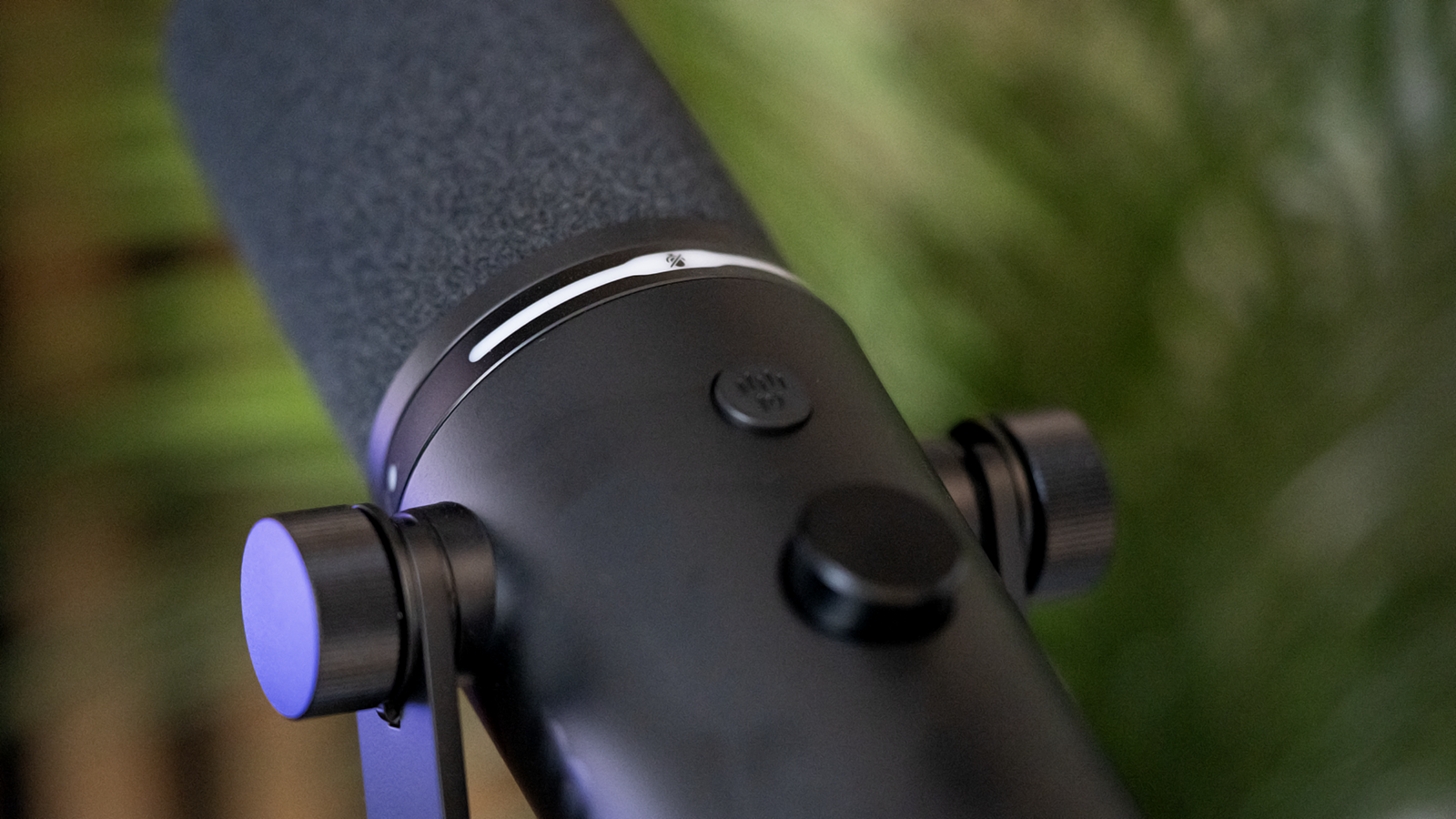
When testing the device in real-world scenarios, the integration of physical controls—specifically the rotary encoder for gain and headphone monitoring—highlights a focus on tactile user experience. The encoder is designed to be intuitive, allowing for "blind" adjustments during live broadcasts or recording sessions, where the creator cannot easily view a monitor. The surrounding LED ring, while aesthetically reminiscent of modern gaming peripherals, serves a critical utility function, providing at-a-glance status updates on battery levels, clipping warnings, and connection integrity.
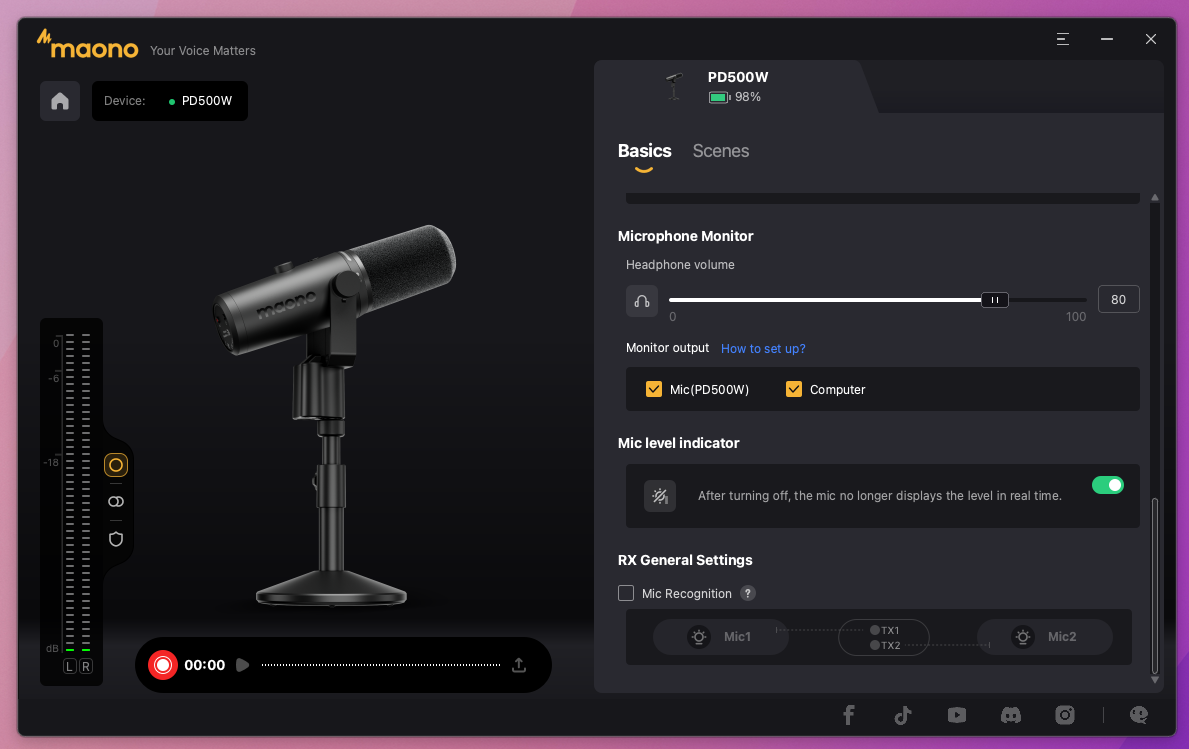
The accompanying Maono Link software provides the digital interface for the microphone’s internal DSP. Through this portal, users can configure custom EQ curves, set compression ratios, and toggle AI-based noise reduction. While many purists may argue that hardware-level processing can sometimes be over-applied, the ability to tailor these settings to specific acoustic environments—such as untreated rooms—offers a significant advantage to independent creators who may not have access to professional sound-dampening studios.
Comparative Market Positioning
The Maono PD500W enters a market dominated by established players. The Shure SM7B remains the "gold standard" for its neutral, radio-ready frequency response, but it lacks the convenience features that characterize the Maono. Similarly, the Universal Audio SD-1 provides an excellent, transparent sound, but it remains tethered to traditional analog interfaces. The PD500W occupies a unique "third space," appealing to users who require the sound profile of a dynamic mic but cannot sacrifice the convenience of modern, all-in-one digital solutions.
From a value perspective, the inclusion of a 32-bit float recorder and a wireless system at a price point under $400 represents an aggressive market strategy. Typically, these features are found in high-end field recorders or modular wireless systems that individually exceed the total cost of the PD500W. By consolidating these technologies, Maono is targeting the "prosumer" segment—creators who demand high technical specifications but lack the infrastructure to manage complex multi-device audio setups.
Challenges and Limitations
Despite its high performance, the device is not without its limitations. During testing, the reliance on proprietary software for exporting internally recorded files—particularly when using a macOS environment—indicated that the software ecosystem is still maturing. While Windows and mobile integration were largely seamless, Mac users may find themselves needing to use secondary steps, such as file transfers via cloud or external storage, to move their 32-bit float recordings into their DAW of choice.
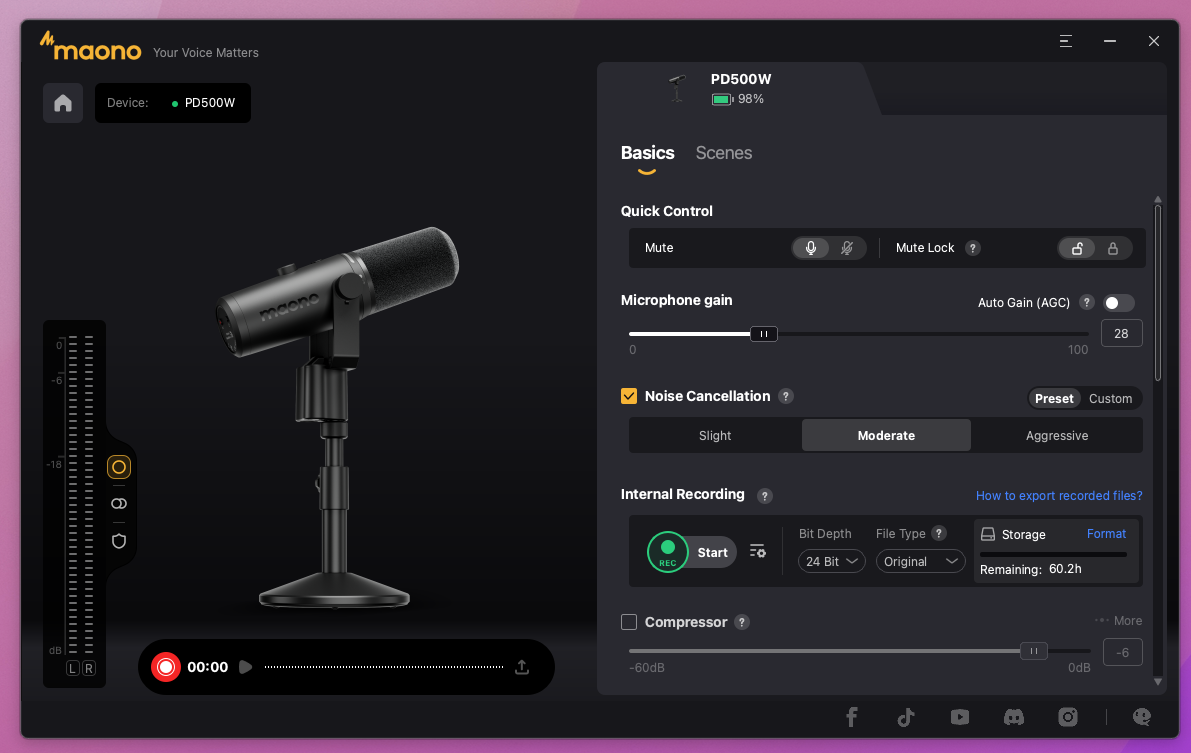
Furthermore, the "AI noise reduction" feature, while effective in reducing ambient hums and computer fan noise, can be aggressive if set to its maximum sensitivity. In a controlled environment, it is often recommended to use the noise reduction sparingly or to rely on post-production tools, as the onboard algorithm can occasionally introduce audible artifacts in the high-frequency range during rapid speech.
Broader Implications for the Industry
The emergence of the PD500W suggests a broader trend toward "autonomous" hardware. As the barriers to professional production continue to lower, the responsibility for sound quality is shifting from the external interface to the microphone itself. If this trend continues, we may see a decline in the dominance of dedicated desktop audio interfaces, as microphones evolve into complete, self-contained digital capture devices.
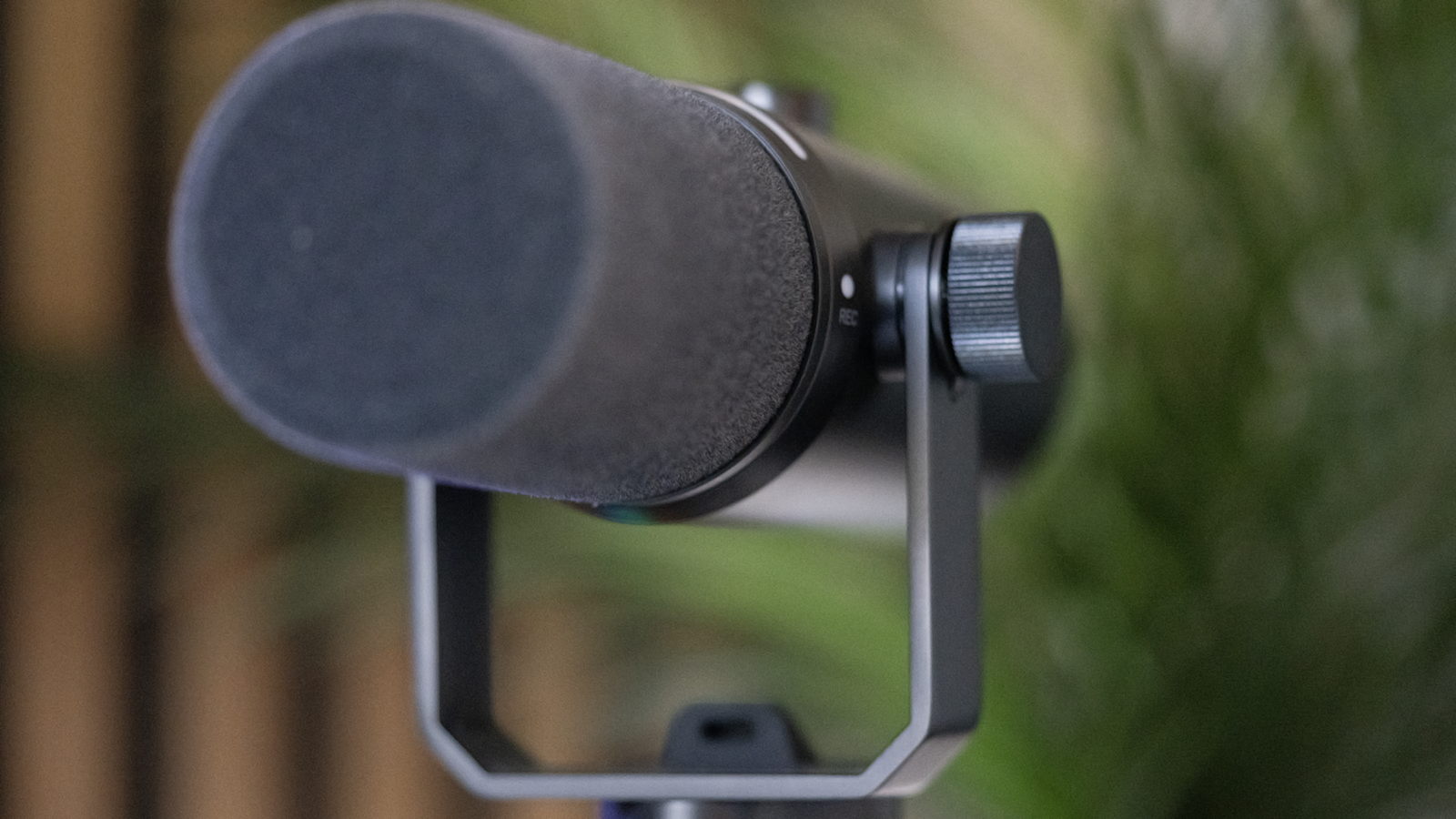
For the professional audio industry, this presents a challenge to traditional signal chain philosophy. The convenience of an all-in-one device, however, is a powerful motivator for the next generation of content creators. By prioritizing features that solve common "pain points"—such as cable clutter, accidental clipping, and the need for external processing—the PD500W provides a blueprint for what the next generation of studio microphones will likely look like.
In summary, while the Maono PD500W may not immediately replace the legacy hardware found in high-end commercial recording studios, it serves as a highly effective tool for the modern digital workspace. It balances the physical demands of high-quality vocal capture with the digital requirements of a mobile, fast-paced production environment. As firmware updates continue to refine the software experience, particularly regarding file management and cross-platform compatibility, the PD500W stands as a testament to the fact that high-fidelity audio no longer needs to be synonymous with technical complexity.
Related posts: