Tesla Deemed Liable for Fraud in San Diego Solar Roof Lawsuit After Repeated Discovery Violations

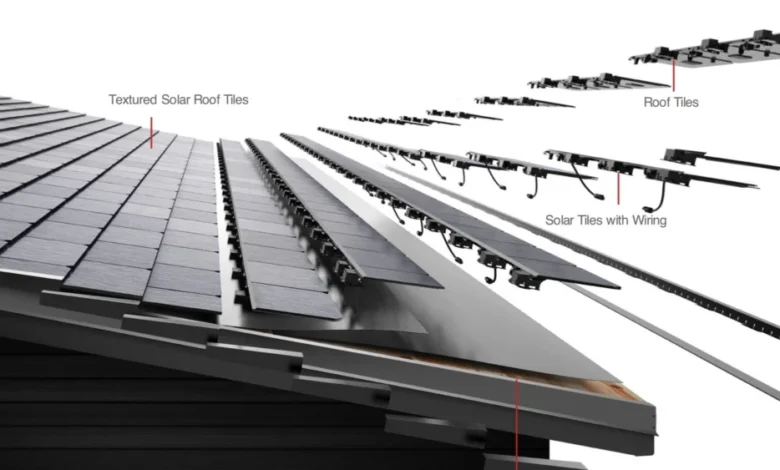
A California state court has imposed a devastating legal penalty on Tesla Inc., ruling the electric vehicle and clean energy giant liable for fraud and negligent misrepresentation in a high-stakes lawsuit stemming from a botched residential Solar Roof installation. San Diego Superior Court Judge Cynthia Freeland issued the ruling following a protracted discovery dispute in which Tesla repeatedly failed to surrender mandatory corporate documents, internal communications, and safety reports. The decision marks a major escalation in the legal troubles surrounding Tesla’s now-defunct solar roofing division, exposing the company to significant compensatory and punitive damages at an upcoming trial.
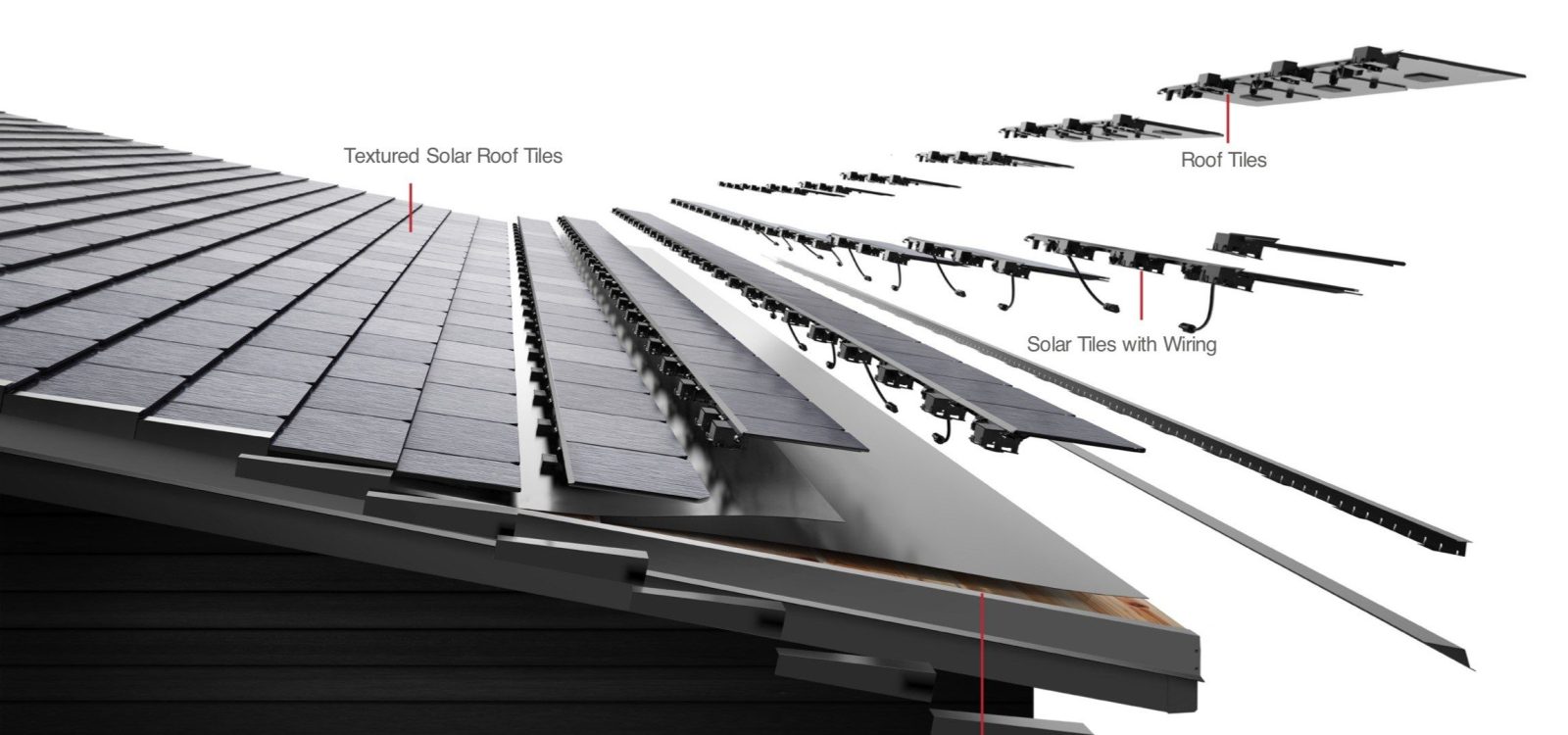
The underlying litigation, docketed as Conroy v. Tesla (Case No. 37-2022-00043670), was initiated in 2022 by homeowner Ambrose Conroy in the North County division of the San Diego Superior Court. While Tesla had previously conceded liability regarding three of the plaintiff’s five core claims—specifically acknowledging breach of contract, breach of warranty, and professional negligence—the automaker fiercely contested allegations of fraud. However, consecutive judicial sanctions and missed court-mandated deadlines ultimately culminated in the court issuing an issue sanction, effectively stripping Tesla of its defense against the fraud and negligent misrepresentation claims.
Background Context and Chronology of the Dispute
The controversy dates back to March 2020, when Conroy, a resident of Rancho Santa Fe, California, entered into a formal contract with Tesla for the installation of a 13.1-kilowatt Solar Roof system, with an initial price tag of $82,210. Over the ensuing months, the project scope expanded significantly. By February 2021, after two major contractual amendments, the system size was scaled up to 18.2 kilowatts alongside the inclusion of six Tesla Powerwall energy storage units, pushing the total project cost to approximately $110,000.

Despite the substantial financial commitment, the roofing project deteriorated into an operational and logistical failure. Court documents and joint trial readiness reports confirm that the roof was never completed, failed to pass county safety inspections, and never generated a single kilowatt-hour of electricity for the residence.
According to allegations outlined in the first amended complaint, the installation process was fraught with severe missteps. A tear-off phase originally projected to take two days extended into a two-week ordeal. In late 2020, Tesla crews reportedly abandoned the project with portions of the home’s bare roof decking exposed to the elements, necessitating emergency overtime work on December 27 to install underlayment immediately ahead of an impending winter storm. Furthermore, the plaintiff alleged that glass tiles arrived at the property heavily scratched and damaged yet were installed regardless, while shattered glass debris littered the driveway and surrounding lawns, rendering the outdoor areas unsafe.

The project experienced staggering administrative turnover, cycling through at least seven distinct project managers. By late 2021, internal communications revealed that the specific personnel responsible for formulating a corrective repair plan had departed the company, and Tesla informed the homeowner that it lacked qualified labor within the region to rectify the incomplete installation. In April 2022, amid mounting frustrations and unfulfilled promises of remediation, Tesla offered Conroy a settlement of $5,000 to resolve the entire dispute—an offer the homeowner rejected, pointing out that remediation estimates to fix the compromised structure total well over $2.5 million.
Discovery Violations and Judicial Sanctions
The turning point in the litigation occurred during the pretrial discovery phase, where Tesla routinely failed to produce requested documentation. Judge Freeland issued an initial monetary sanction of $15,467.50 against Tesla in February, followed by a secondary penalty of $13,500 in June, citing the company’s persistent failure to generate accurate privilege logs and responsive corporate files. The court issued explicit warnings that continued non-compliance would invite severe evidentiary or issue sanctions.

When Tesla missed subsequent legal deadlines, the court executed those warnings. On September 11, Judge Freeland issued a minute order deeming Tesla liable for fraud and negligent misrepresentation. The judge noted "ample evidence to support that Defendants have acted willfully" in withholding critical evidence. The missing records included Microsoft Teams chat logs—notwithstanding testimony from a corporate witness confirming that such internal logs are retained indefinitely—as well as Occupational Safety and Health Administration (OSHA) logs, correspondence with San Diego County building inspectors, and over 20 internal quality, installation, and safety reports generated within Tesla’s proprietary Bolt system.
In her ruling, Judge Freeland emphasized that Tesla’s failure to comply constituted a tacit admission that the withheld information was damaging to its legal defense. Tesla subsequently filed a motion for reconsideration, asserting that it had ultimately produced all relevant files. On October 27, the court denied the motion, with the judge writing that the belatedly disclosed documents corroborated the plaintiff’s core theory: that Tesla knowingly utilized the residence as an experimental testing ground while fully aware it lacked the technical expertise and operational maturity to execute the contracted work successfully.

Internal Communications and Corporate Accountability
The trial exhibit lists and court filings provide a rare glimpse into the internal pressures and executive oversight governing Tesla’s clean energy wing during the turbulent rollout of the Solar Roof product. Exhibit 224 highlights internal text message exchanges from January 2021 involving Bobby Yang, Tesla’s director of model engineering, and other corporate personnel, which the plaintiff’s legal team characterized as evidence of experimentation on residential structures.
Additional internal emails cited in the complaint document corporate awareness of the project’s extraordinary structural challenges. On February 9, 2021, Yang wrote that the Rancho Santa Fe property ranked in the "99.5 percentile in terms of complexity," adding that successfully executing the installation would prove the company’s capability to handle any project nationwide. RJ Johnson, then-head of Tesla’s energy division, acknowledged in reply that the high-profile failure would skew internal deployment metrics but insisted that the company needed "to make it right." Johnson further suggested that the issue could be "call[ed] out individually with Elon," indicating that executive leadership, including CEO Elon Musk, received regular updates regarding high-complexity installations. Johnson was subsequently dismissed from the company in April 2021.

Compounding the property’s structural woes, a forensic inspection conducted earlier in the year by the plaintiff’s electrical expert revealed hazardous installation practices. The expert concluded that the configuration of electrical wiring and conduit running beneath the glass tiles created a severe short-circuit and fire risk during heavy rainfall events, forcing the complete dismantling and removal of the newly installed roofing system.
Broader Industry Implications and Corporate Retrenchment
The legal ramifications of Conroy v. Tesla extend far beyond a single residential dispute, illuminating systemic vulnerabilities within Tesla’s broader energy infrastructure strategy. Market analysts note that the Solar Roof initiative struggled for years with chronic deployment delays, skilled labor shortages, structural engineering complexities, and escalating installation costs.

The litigation also coincides with regulatory scrutiny from agencies such as the California Contractors State License Board (CSLB), which has pursued administrative actions to revoke Tesla’s contractor licenses in connection with abandoned residential solar projects. Furthermore, industry reports indicate that Tesla quietly phased out and discontinued its standalone residential solar roofing operations, pivoting away from third-party roofing installations after deploying an estimated 3,000 systems nationwide.
Legal experts suggest that Tesla’s immediate strategy will focus heavily on appellate intervention. In late October, Tesla’s legal counsel petitioned the California Court of Appeal to stay the trial proceedings, arguing that the lower court’s issue sanction is unduly punitive, violates fundamental due process rights, and effectively functions as an unwarranted directed verdict on fraud prior to a jury trial.

Even if the appellate court opts to overturn the fraud liability ruling, Tesla’s formal concession of breach of contract and professional negligence guarantees that the upcoming trial will proceed under severe financial exposure. As the legal teams prepare for subsequent court proceedings, the ultimate financial penalty levied against the automaker will depend heavily on the determination of compensatory repair costs and potential punitive damages, shining a glaring spotlight on the operational execution of one of Silicon Valley’s most ambitious clean energy experiments.