LG Electronics Crackdown Targets Smart TV Apps Turning WebOS Devices Into Residential Proxy Nodes

Home appliance giant LG Electronics USA has announced a decisive enforcement initiative to suspend any smart television applications built to utilize residential proxy software development kits (SDKs), a practice that surreptitiously transforms consumer televisions into always-on proxy nodes for third-party web traffic routing. The regulatory maneuver by LG comes in the wake of alarming cybersecurity research revealing that a staggering percentage of applications hosted on the company’s official webOS application store covertly route outside internet traffic through unsuspecting users’ residential IP addresses.
The announcement highlights a growing crisis within the consumer Internet of Things (IoT) ecosystem, where monetization models adopted by third-party application developers frequently compromise user privacy, network security, and bandwidth ownership. As hardware manufacturers face mounting pressure to secure their proprietary platforms, the crackdown underscores a critical turning point in how consumer smart devices are audited, regulated, and shielded from exploitation.
The Security Audit That Triggered the Crackdown
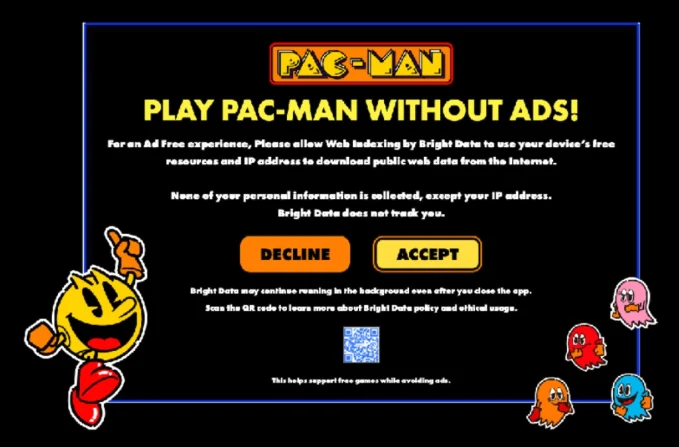
The catalyst for LG’s policy enforcement materialized on July 2, when security researchers from the threat intelligence firm Spur published a comprehensive investigation into the prevalence of residential proxy software development kits integrated into smart television ecosystems. The Spur report exposed a widespread practice among application developers who bundle third-party proxy SDKs into seemingly benign smart TV utilities, screensavers, and casual games such as Pac-Man.
According to Spur’s telemetry and application analysis, more than 42 percent of all applications available for download within the LG webOS store contained embedded code designed to transform the host television into a permanent residential proxy node. This functionality effectively turns the consumer’s household internet connection into an exit or relay node for commercial proxy networks, allowing unknown external parties to route their web traffic through the domestic IP address without the homeowner’s explicit, ongoing awareness.
Furthermore, the Spur investigation revealed that the issue is not isolated to LG hardware. Approximately 25 percent of applications developed for Samsung’s proprietary Tizen operating system contained similar residential proxy components, indicating a systemic monetization trend across the broader smart television market.
Chronology of Events
The unfolding controversy follows a rapid timeline of discovery, public disclosure, and corporate reaction:
- Early July 2026: Security firm Spur releases its comprehensive study detailing the integration of residential proxy SDKs across smart TV application marketplaces, highlighting LG and Samsung platforms.
- July 2, 2026: Investigative security reporting brings mainstream attention to the Spur findings, detailing how utilities and simple games are utilized to harvest residential IP infrastructure.
- Mid-July 2026: Technology journalists and cybersecurity analysts query hardware vendors regarding their developer vetting processes and platform safety policies.
- Late July 2026: LG Electronics USA responds to inquiries, officially declaring that residential proxy networks are an unauthorized use of its hardware and promising immediate platform sweeps.
- July 22, 2026: Major residential proxy network provider Bright Data issues formal statements defending its operational transparency, audit history, and consent-based network architecture.
- Simultaneous July 2026: Controversy deepens around unrelated software practices by LG, as external investigators reveal automatic installation of promotional software drivers on high-end hardware via Windows Update.
Corporate Responses and Platform Enforcement
Confronted with the implications of the Spur findings, senior leadership at LG Electronics USA moved swiftly to distance the brand from the controversial monetization practice. In an official statement provided to security researchers, LG Senior Vice President John Taylor confirmed that the company is actively collaborating with application developers to systematically purge residential proxy capabilities from the webOS ecosystem.
"A residential proxy network is not an intended use for LG smart TVs, and LG Electronics is working with developers to remove the residential proxy option from their apps on the webOS platform," Taylor stated, emphasizing that non-compliant developers will face immediate suspension of their applications. Taylor added that the internal review and auditing of webOS applications is already well underway.
According to Taylor, the corporation is doubling down on platform integrity by strengthening its developer submission guidelines. "As part of our ongoing efforts to enhance platform quality and the user experience, LG will continue to strengthen our evaluation process for developer-submitted apps, including those that incorporate residential proxy SDKs," he noted.

The Economics of Residential Proxies and the Role of Bright Data
The proliferation of these SDKs is driven by economic incentives for independent application developers. Residential proxy providers monetize access to domestic IP addresses by paying developers to embed their software development kits into popular apps. These SDKs convert consumer devices into nodes that can be rented out to corporate clients, market researchers, and data-scraping entities needing legitimate-looking residential IP footprints to bypass geo-restrictions or rate-limiting protocols.
Spur’s empirical analysis identified the residential proxy network Bright Data as a dominant player accounting for the majority of proxy SDK integrations found across both Samsung and Tizen platforms. In response to the growing public scrutiny, Bright Data defended its business model, emphasizing rigorous compliance, transparency, and independent auditing.
"Every peer opts in through a dedicated screen and receives value in return; every customer is vetted, and our practices have now undergone a second independent audit by PwC," Bright Data stated. The company further emphasized its commitment to maintaining an open, transparent internet where legitimate entities can access public domain data responsibly.
Industry representatives for residential proxy networks maintain that they enforce stringent "know-your-customer" (KYC) protocols and deploy technical safeguards designed to prevent proxy users from compromising or interacting with other connected hardware residing on the local household network. Despite these technical mitigations, cybersecurity experts argue that the foundational architecture of proxy SDKs introduces unacceptable risk vectors into consumer environments.
Systemic Risks and Industry Analysis
While proxy providers defend their operational compliance, security analysts point out fundamental flaws in relying on consumer-facing applications to manage network security. Trevor Sutter of Spur highlighted the critical vulnerability of embedding enterprise-grade proxy architecture into domestic appliances that consumers rarely audit or perceive as traditional computing endpoints.
"A one-time consent prompt buried in a TV app is not a substitute for meaningful transparency, ongoing control, and platform oversight," Sutter explained. He emphasized that the risk is severely amplified in multi-user household environments where consent may be granted unwittingly by minors or other household members who lack the authority or technical literacy to understand the long-term implications of sharing a domestic IP infrastructure.
When a smart television operates as a proxy node, the primary IP address associated with the household can be flagged by security systems, threat intelligence feeds, and automated botnet mitigations due to malicious or abusive traffic originating from third parties. Homeowners may find their access to essential web services blocked, banking applications flagged for suspicious activity, or email domains blacklisted—all without realizing that their television is acting as an unwitting conduit for commercial data harvesting.
Broader Implications for IoT Security and Brand Trust
LG’s aggressive stance against proxy SDKs represents a positive development for consumer advocacy, yet the corporation simultaneously faces public relations challenges regarding broader software governance. Coinciding with the webOS enforcement announcements, hardware reviewers—such as the popular technology channel Gamers Nexus—revealed that certain high-end LG LCD monitors automatically push promotional software applications for McAfee antivirus subscriptions via Microsoft Windows Update without presenting an explicit user installation prompt.
This convergence of software-related controversies underscores a delicate balance that hardware manufacturers must maintain. As smart appliances, televisions, and displays increasingly morph into interconnected computing platforms laden with advertising networks, monetization SDKs, and third-party partnerships, consumer trust remains fragile.
The immediate action taken by LG to purge residential proxy software from webOS sets a vital precedent for the consumer electronics industry. However, it also serves as a stark reminder that vetting app stores, safeguarding network boundaries, and protecting consumer privacy require continuous, vigilant oversight from manufacturers who profit from placing these devices into millions of homes worldwide.
Related posts: