The Best Gaming Laptops of 2025 Represent a New Era of Performance and Efficiency

The landscape of portable gaming has undergone a fundamental transformation in 2025, driven by the commercial rollout of Nvidia’s GeForce RTX 50-series graphics processing units. This new generation of hardware, which began hitting the market in early 2025, has redefined the expectations for mobile computing, offering unprecedented ray-tracing capabilities and AI-driven performance optimization. As manufacturers integrate these GPUs into diverse chassis designs, ranging from ultra-portable 14-inch frames to massive 18-inch desktop replacements, consumers are faced with a complex array of choices that balance raw power, thermal management, and battery endurance.
The Technological Shift: RTX 50-Series and Beyond
The transition to the RTX 50-series architecture marks a significant leap in graphics fidelity for mobile users. Unlike the incremental updates seen in previous cycles, this generation emphasizes DLSS 4 technology, which utilizes more advanced AI frame-generation techniques to maintain high frame rates in graphically demanding titles like Cyberpunk 2077 and upcoming AAA releases.
Market analysts note that this transition is occurring simultaneously with a broader shift in mobile processor technology. Both Intel’s latest Arrow Lake and Lunar Lake architectures and AMD’s Ryzen AI 9 series have begun to bridge the gap between high-performance gaming and power efficiency. This development has allowed for the creation of "all-day" gaming laptops—a concept that was previously considered oxymoronic in the industry.
Top Performers and Industry Leaders
The 2025 market is currently anchored by several standout devices that have set the benchmark for their respective categories.
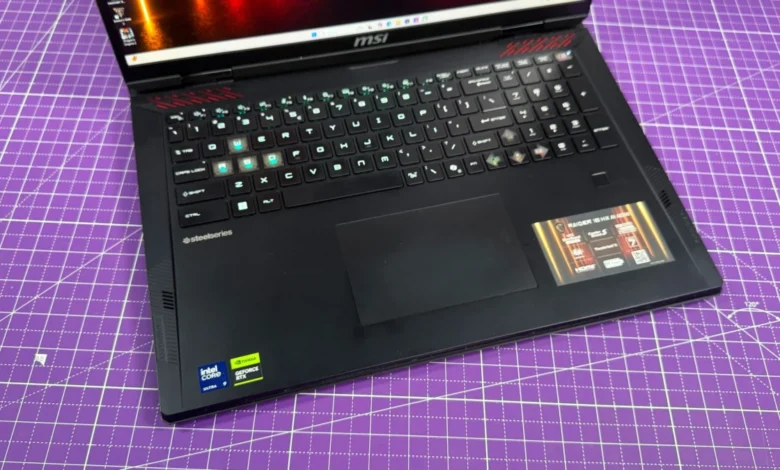
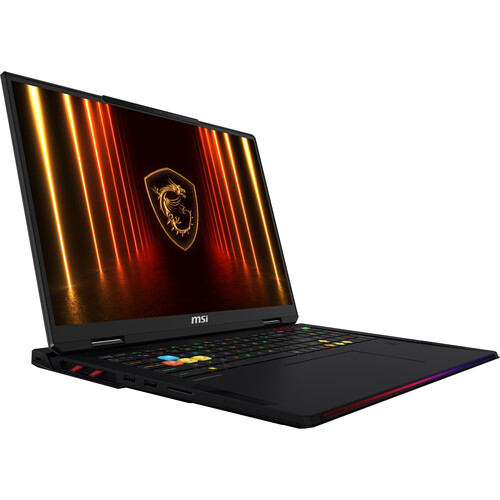
The MSI Raider 18 HX AI has emerged as the definitive choice for users prioritizing raw performance. Equipped with the Intel Core Ultra 9 285HX and an Nvidia GeForce RTX 5080, this 18-inch machine serves as a direct desktop replacement. Its inclusion of a MiniLED display, capable of hitting 668 nits of brightness, addresses a common pain point in gaming laptops: outdoor and high-ambient-light visibility.
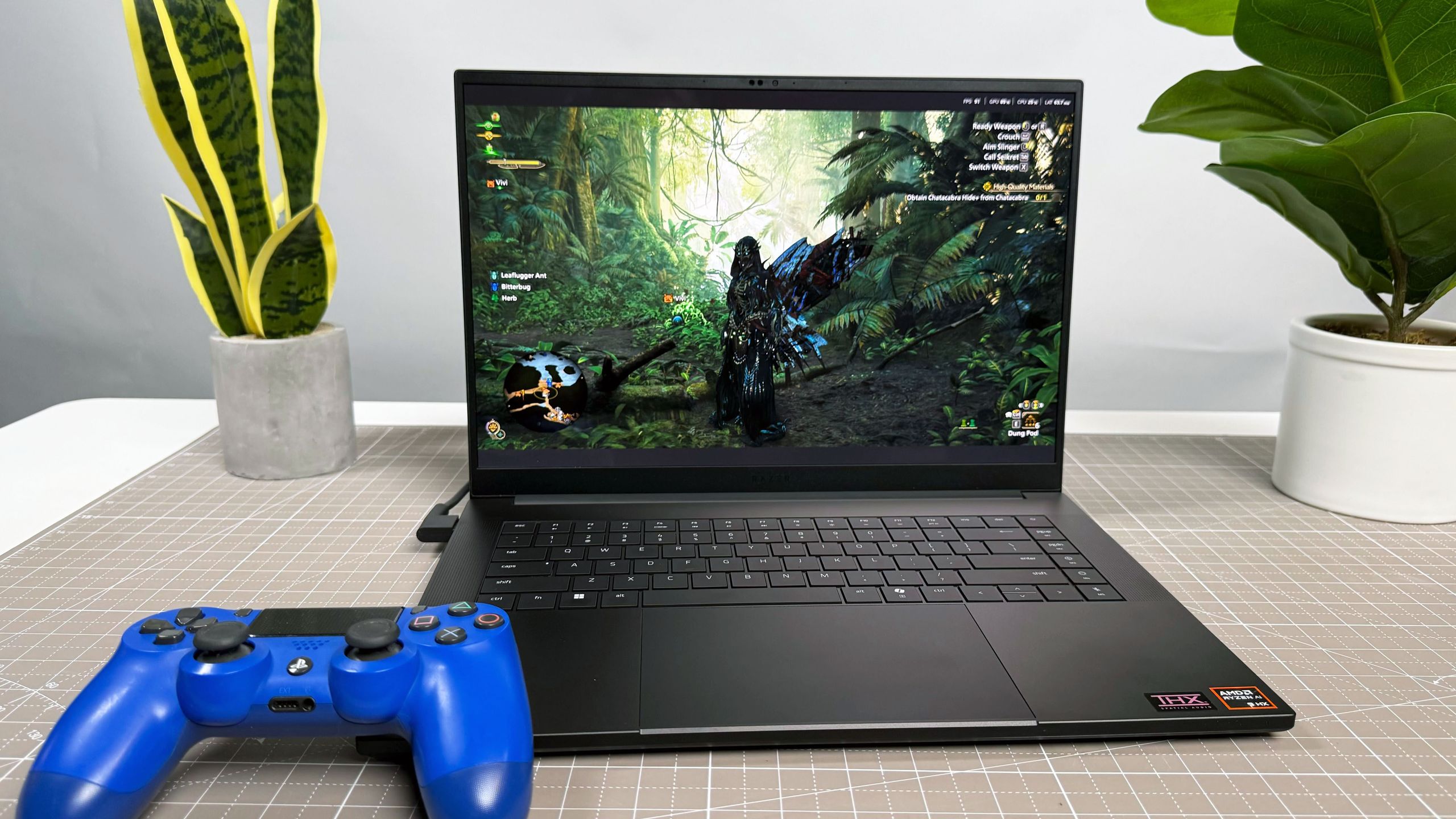
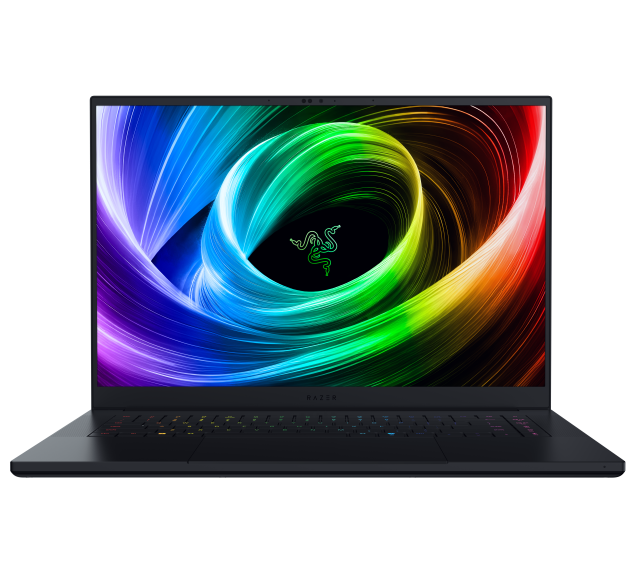
Conversely, the Razer Blade 16 (2025) represents the pinnacle of premium portability. By successfully housing an RTX 5090 within a chassis weighing just 4.6 pounds, Razer has demonstrated that extreme performance does not strictly require massive form factors. The integration of an OLED panel with 144.6% DCI-P3 color gamut coverage provides a visual experience that is currently unrivaled in the gaming laptop sector.
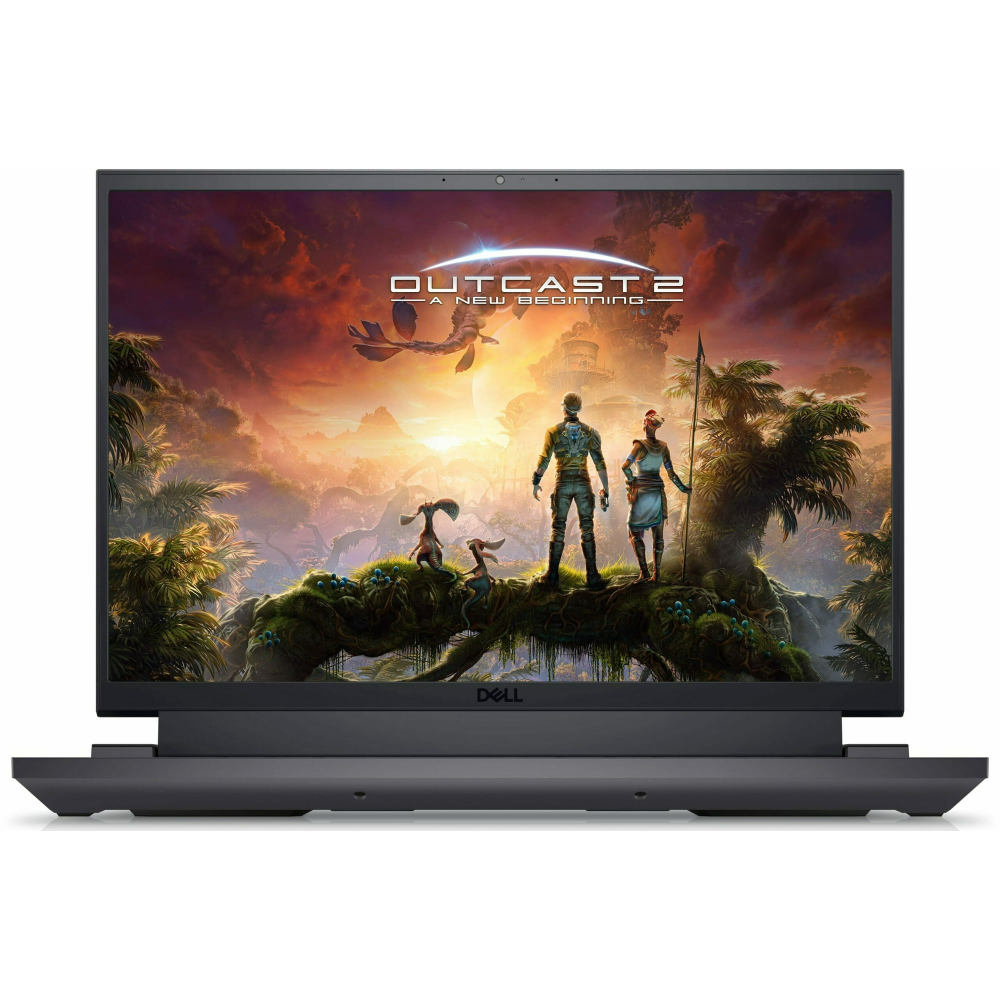
For those operating within a constrained budget, the Dell G16 (7630) remains the most significant entry in the sub-$1,000 category. It is one of the few machines at this price point to incorporate a mechanical keyboard and a high-refresh-rate 240Hz display, proving that manufacturers are finally bringing premium peripheral quality to the entry-level tier.
Comparative Benchmark Analysis
When evaluating these systems, data from controlled laboratory testing provides a clearer picture of their capabilities. The following table highlights key performance metrics across recent top-tier releases:
| Model | Geekbench 6 | Far Cry 6 (FPS) | Battery Life (Web Surfing) |
|---|---|---|---|
| MSI Raider 18 HX AI | 21,851 | 118 | 2.33 hours |
| Lenovo Legion Pro 7i | 17,329 | 105 | 4.29 hours |
| Razer Blade 16 (2025) | 16,025 | 97 | 7.22 hours |
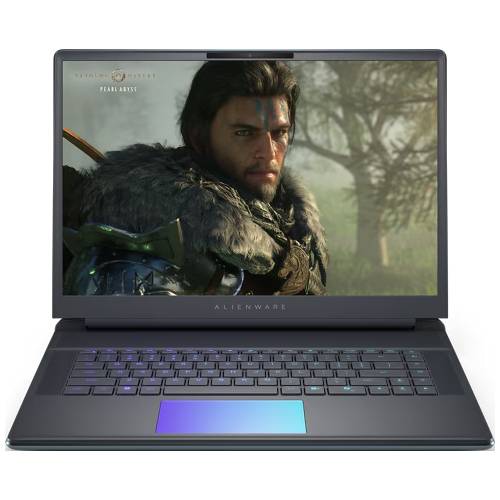
| Alienware 16 Area-51 | 20,498 | 121 | 4.10 hours |
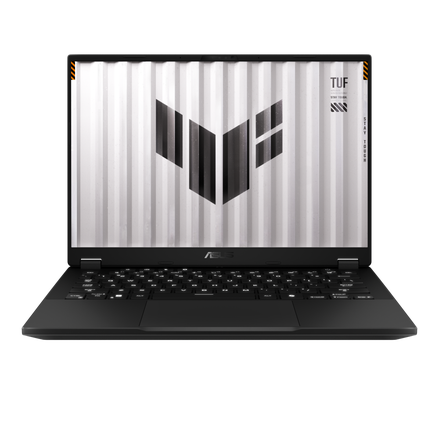
| Asus TUF Gaming A14 | 11,330 | 77 | 10.04 hours |
Chronology of 2025 Hardware Developments
The 2025 gaming laptop season was initiated in early January with the reveal of the RTX 50-series mobile lineup at CES. Throughout the first quarter, manufacturers began shipping units, with a notable mid-year update occurring on June 4, 2025, when the Alienware 16 Area-51 was introduced to the market, quickly gaining traction for its sci-fi-inspired aesthetic and robust thermal design.
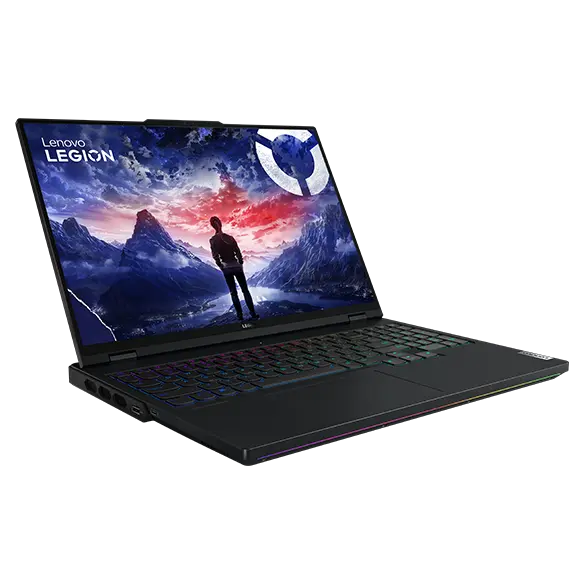
Industry observers suggest that the current release cadence is focused on "optimization cycles." Rather than just increasing clock speeds, companies are focusing on chassis cooling solutions—such as the vapor chamber technology found in the latest Legion Pro series—to prevent the thermal throttling that hampered previous generations.
Implications for the Professional and Educational Sectors
A secondary, yet significant, trend in 2025 is the blurring line between gaming laptops and professional workstations. The Asus TUF Gaming A14 has become a case study in this crossover. By achieving over 10 hours of battery life, it has positioned itself not just as a gaming rig, but as a viable tool for students and developers who require high-performance hardware during the day and gaming capability in the evening.
This has shifted the consumer mindset. Previously, a gamer would need to purchase a dedicated business laptop alongside their gaming rig. Today, the thermal and power-efficient nature of current-generation hardware allows for a "one-device-fits-all" approach, provided the aesthetic is sufficiently neutral—a design choice manufacturers are increasingly adopting by offering customizable RGB lighting that can be disabled for professional environments.
The Role of Independent Testing
In an era of marketing-heavy product launches, independent verification has become essential. Laptop Mag and similar technical publications have adopted a multi-stage testing methodology that includes both synthetic benchmarks (like 3DMark and Geekbench) and real-world application scenarios.
The emphasis has shifted toward "sustained performance." A laptop that hits high frame rates for 10 minutes but throttles after an hour of play is now considered a failure by industry standards. Modern testing protocols now include thermal mapping and long-form stress tests to ensure that the internal components maintain their rated speeds under sustained load, a standard that separates premium systems from lower-quality alternatives.
Future Outlook and Conclusion
As the industry moves toward the latter half of 2025, expectations are high for the release of mid-range GPUs, such as the rumored RTX 5060 and 5050 variants. These cards are expected to make the 1440p gaming experience accessible to an even wider demographic, further democratizing high-fidelity mobile gaming.

For the consumer, the guidance remains consistent: determine the primary use case before purchasing. If portability is the priority, the efficiency of the Razer Blade or the endurance of the Asus TUF series provides a clear path. If the machine is to serve as a stationary desktop replacement, the raw power of the MSI Raider or the aesthetic appeal of the Alienware Area-51 offers the necessary performance ceiling.
Ultimately, the 2025 market is defined by a surplus of capability. Whether through the efficiency of new AI-integrated architectures or the durability of improved chassis designs, current gaming laptops offer more value per dollar than at any point in the last decade. As users continue to demand more from their hardware, the manufacturers that succeed will be those that continue to balance the delicate trade-off between power, thermal management, and the increasingly vital metric of battery longevity.