Hermès Introduces Exquisite $5,150 Paddock Duo Charger and Grand Paddock Case, Redefining Luxury Apple Accessories Amidst Shifting Industry Standards

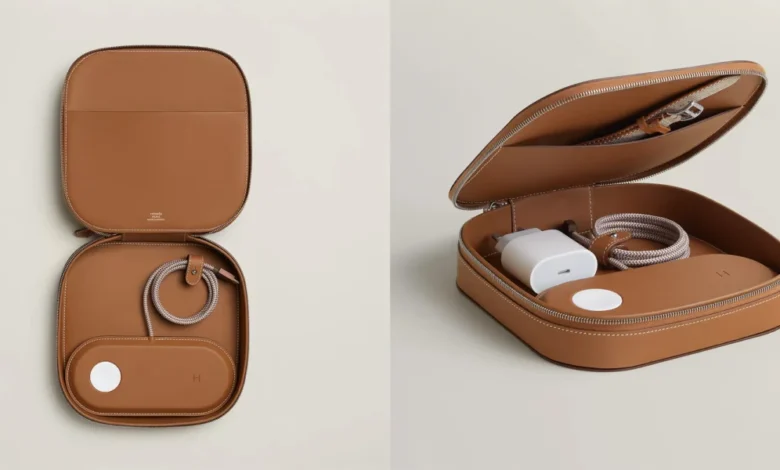
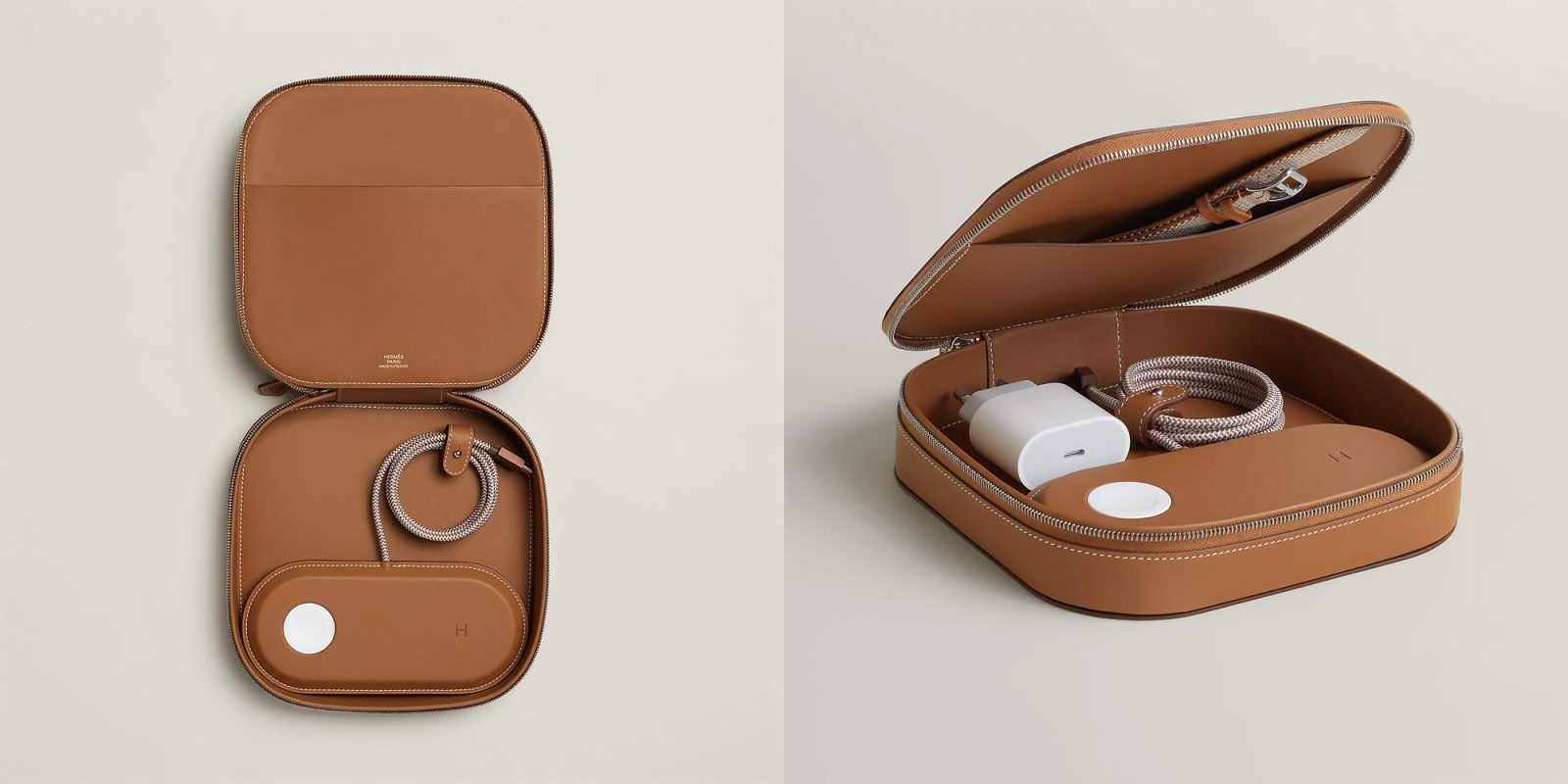
In a striking juxtaposition to Apple’s declared pivot away from leather products for environmental considerations, its long-standing luxury partner, Hermès, has unveiled a new pinnacle of opulent tech accessories. The French haute couture house’s Spring 2026 collection features an extraordinary adaptation of Apple’s familiar MagSafe Duo charging pad, meticulously enveloped in "Gold Swift calfskin." This lavish creation, dubbed the Hermès Paddock Duo charger and Grand Paddock case, carries an astonishing price tag of $5,150, firmly planting it in the realm of ultra-luxury goods. Notably, this premium offering requires consumers to procure the essential 20W USB-C power adapter separately, adding a minor yet curious footnote to its considerable cost. This release underscores Hermès’ unwavering commitment to traditional craftsmanship and premium materials, even as its tech collaborator embarks on a decidedly greener path.
The introduction of the Paddock Duo charger and its accompanying case is more than just an accessory launch; it represents a significant moment in the evolving relationship between technology and high fashion. It highlights a divergence in material philosophy between two brands that have otherwise successfully collaborated for years, while simultaneously catering to an exclusive clientele that prioritizes unparalleled luxury and bespoke design over mainstream trends. The item promises not merely functionality but an elevated aesthetic experience, posing the rhetorical question of whether a more visually stunning and practical method exists for charging and transporting an Apple Watch.
The Genesis of a Luxury Accessory: Design and Craftsmanship
The Hermès Paddock Duo charger and Grand Paddock case embody the quintessential Hermès ethos: meticulous craftsmanship, premium materials, and timeless design. The choice of "Gold Swift calfskin" is particularly significant. Swift leather, renowned for its fine grain, incredibly smooth texture, and exceptional ability to absorb and display vibrant colors, is a highly prized material within the luxury leather goods industry. Sourced from young calves, the hide undergoes a rigorous tanning process to achieve its characteristic softness and durability. This specific type of leather is often associated with some of Hermès’ most iconic handbags, such as the Birkin and Kelly, signaling its elevated status. The "Gold" hue further accentuates its luxurious appeal, evoking a sense of classic elegance and understated opulence.
The design itself is a sophisticated reinterpretation of Apple’s MagSafe Duo, a compact, foldable charger designed to simultaneously power an iPhone and Apple Watch. Hermès has taken this functional base and transformed it into an object of desire. The MagSafe Duo’s inherent portability is enhanced by the bespoke leather case, which not only protects the charging device but also elevates its aesthetic to match other high-end travel accessories. The integration of the charger within a dedicated, handcrafted leather case transforms a utilitarian gadget into a statement piece, aligning it with Hermès’ broader collection of travel essentials and leather goods. This fusion of cutting-edge technology with artisanal tradition is a hallmark of the Hermès-Apple partnership.

Apple’s Green Imperative: A Divergent Path
The release of the Hermès Paddock Duo charger comes at a pivotal time, notably following Apple’s proactive decision to discontinue all leather accessories across its product lines. In September 2023, Apple announced a significant shift towards more environmentally friendly materials, citing concerns over the carbon footprint and ethical implications associated with leather production. The company introduced a new material called FineWoven, a durable twill made from 68 percent post-consumer recycled content, as its primary replacement for leather cases, wallets, and Apple Watch bands. This move was a direct manifestation of Apple’s ambitious environmental goals, particularly its commitment to achieving carbon neutrality across its entire supply chain and product lifecycle by 2030.
Apple’s journey towards environmental stewardship has been a long and incremental one. Beginning with efforts to eliminate toxic chemicals from products in the early 2000s, the company progressively moved to incorporate recycled materials, transition to 100% renewable energy for its global operations, and implement robust recycling programs. The decision to abandon leather was a bold step, signaling a leadership position in sustainable manufacturing within the consumer electronics sector. This strategic pivot aimed to resonate with an increasingly environmentally conscious global consumer base and to set new industry benchmarks for corporate responsibility.
The implications of Apple’s leather departure were far-reaching, impacting numerous third-party accessory manufacturers who had long relied on producing leather cases and straps for iPhones and Apple Watches. While many pivoted to alternative materials, the market for premium, non-leather options rapidly expanded. However, for a brand like Hermès, deeply rooted in centuries of leather craftsmanship, a complete abandonment of the material would be tantamount to a fundamental shift in its brand identity.
A Storied Collaboration: Hermès and Apple Through the Years
The partnership between Hermès and Apple is not a recent phenomenon but a long-standing collaboration that dates back to the early days of the Apple Watch. This alliance was forged on the shared principles of precision, design excellence, and a commitment to high-quality materials. When the original Apple Watch was unveiled in 2015, Apple introduced the "Apple Watch Edition," an ultra-premium variant crafted from 18-karat gold, priced at a staggering $10,000 and upwards. This exclusive timepiece came bundled with a bespoke leather-wrapped USB-C charging case, offering a precursor to the current Hermès Paddock Duo charger. The existence of this original "Edition" charger provides crucial historical context, demonstrating Apple’s prior willingness to engage with luxury materials and designs for its most discerning customers.
The Hermès-Apple Watch collaboration truly blossomed with the introduction of Hermès-branded Apple Watch straps. These straps, meticulously crafted from exquisite leathers such as Swift and Epsom, and featuring iconic Hermès designs like the Double Tour and Single Tour, quickly became a symbol of luxury and exclusivity within the wearable tech market. They allowed consumers to infuse their cutting-edge smartwatch with the timeless elegance and heritage of Hermès, effectively bridging the gap between high technology and high fashion. These straps were not merely accessories; they were statements of personal style and affluence.
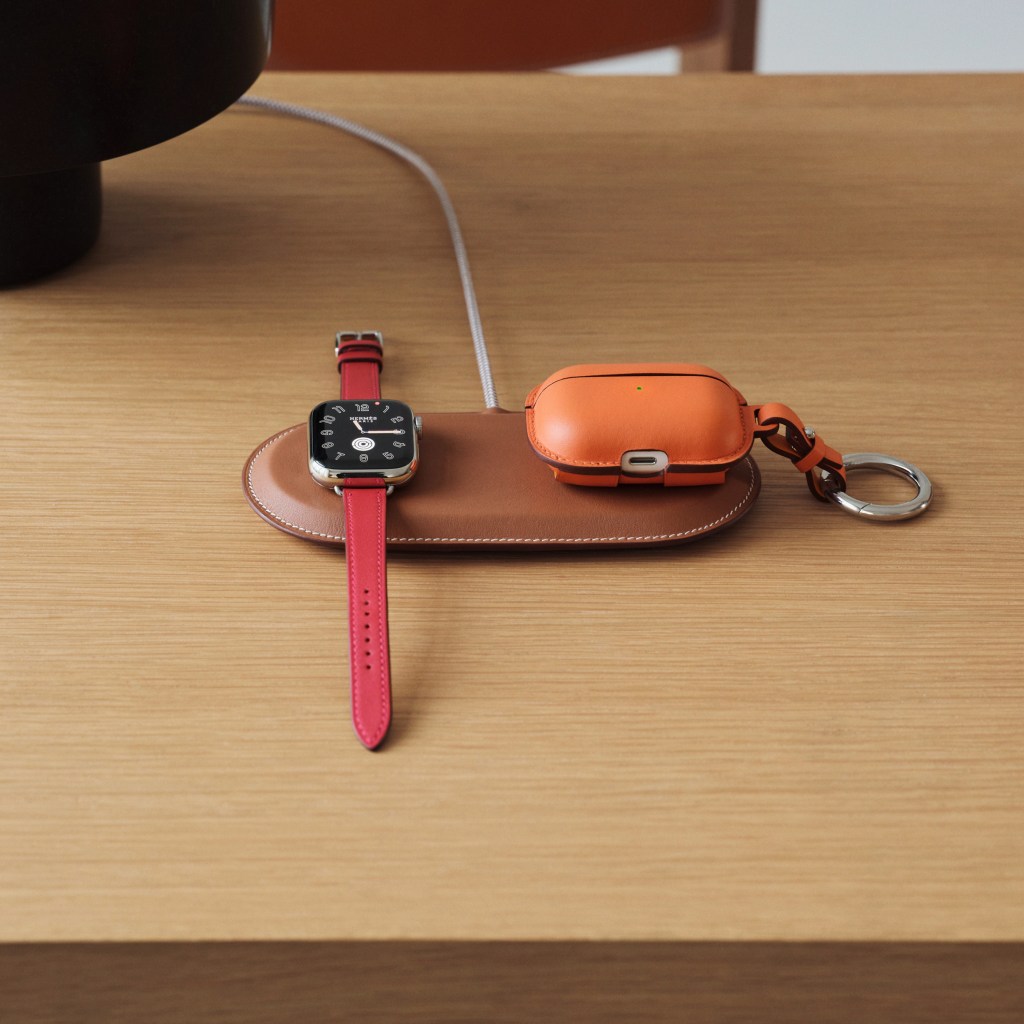
Earlier in March 2026, Hermès further refreshed its line of Apple Watch straps sold through Apple, introducing several new designs. This continuous evolution of their strap collection, alongside the launch of the Paddock Duo charger, reinforces the enduring strength of their partnership. It indicates that despite Apple’s broader corporate directive against leather, the relationship with Hermès operates on a distinct plane, acknowledging Hermès’ unique brand identity and its specialized luxury market. This arrangement allows Apple to maintain its environmental stance for its primary product lines while still offering an ultra-luxury option through a respected partner.
The $5,150 Question: Value Proposition and Target Audience
The price point of $5,150 for the Hermès Paddock Duo charger and Grand Paddock case places it squarely in the upper echelons of luxury goods, far surpassing the functional cost of any charging solution. To understand its value proposition, one must look beyond mere utility. This accessory is not intended for the mass market; rather, it targets an exclusive demographic of high-net-worth individuals, luxury collectors, and fashion aficionados who view technology as an extension of their personal brand and aesthetic.
For this clientele, the value lies in several intangible factors:
- Brand Prestige: Hermès is synonymous with unparalleled luxury, heritage, and exclusivity. Owning an Hermès item, regardless of its function, is a status symbol.
- Artisanal Craftsmanship: The hand-stitched "Gold Swift calfskin" case represents hundreds of hours of skilled labor and generations of artisanal knowledge. Each piece is a testament to traditional luxury manufacturing.
- Exclusivity: Products like the Paddock Duo charger are produced in limited quantities, contributing to their desirability and perceived scarcity.
- Aesthetic Integration: For those who invest in luxury fashion, having a tech accessory that seamlessly integrates with their high-end wardrobe and travel essentials is crucial. It ensures consistency in their luxury lifestyle.
The exclusion of the 20W USB-C power adapter, while a minor additional cost (approximately $20-30), is somewhat anachronistic for an item priced over five thousand dollars. In the luxury segment, one might expect a complete, ready-to-use package. However, this practice has become increasingly common even among mainstream tech companies, and for the target demographic, it is likely a negligible inconvenience, possibly even assumed given the modular nature of modern charging solutions.
Market Dynamics: Luxury Tech and Sustainable Alternatives
The market for tech accessories spans an enormous spectrum, from highly affordable, mass-produced items to ultra-luxury bespoke creations. The Hermès Paddock Duo charger exists at the extreme end of this spectrum, highlighting the vast disparities in consumer preferences and purchasing power.
In stark contrast to Hermès’ offering, the market also provides highly functional and aesthetically pleasing alternatives at a fraction of the cost. Paris-based Native Union, for instance, offers a comparable USB-C cable for approximately $20 and a range of wireless charging pads that echo a sophisticated design sensibility without the premium material cost. These alternatives cater to a broader segment of consumers who appreciate good design and functionality but are not necessarily in the market for five-figure accessories.
This juxtaposition underscores a fascinating dynamic within the luxury tech sector:
- The Endurance of Traditional Luxury: Hermès’ continued success with leather products demonstrates that for a certain segment, traditional luxury materials and craftsmanship remain paramount, even in the face of broader industry shifts towards sustainability.
- The Rise of Sustainable Luxury: Apple’s move to FineWoven and other recycled materials signals a growing demand for luxury that is also environmentally conscious. This segment values ethical production and ecological impact alongside design and quality.
- Strategic Partnerships: The Hermès-Apple collaboration exemplifies a strategic approach where two brands with distinct philosophies can still find common ground. Apple benefits from the association with Hermès’ prestige, while Hermès gains access to the tech-savvy luxury market.
Broader Implications and Future Outlook
The launch of the Hermès Paddock Duo charger and Grand Paddock case carries several broader implications for both the luxury goods market and the consumer electronics industry.
For Apple: While Apple is distancing itself from leather, its partnership with Hermès allows it to maintain a presence in the ultra-luxury accessory market indirectly. This strategy enables Apple to cater to its high-end users who seek exclusive, designer tech accessories without compromising its overarching environmental commitments for its core product line. It’s a nuanced approach to brand management, balancing accessibility with exclusivity.
For Hermès: This product reinforces Hermès’ position as a purveyor of ultimate luxury, adapting to the digital age without sacrificing its heritage. By transforming a functional tech item into a high-fashion accessory, Hermès continues to demonstrate its relevance and desirability in a rapidly evolving consumer landscape. It also expands its product portfolio into a burgeoning category of luxury tech, potentially attracting a younger, tech-savvy demographic within the affluent market.

For the Luxury Market: The Hermès Paddock Duo charger sets a new benchmark for pricing and perceived value in tech accessories. It illustrates the growing trend of luxury brands integrating technology into their offerings, not just as a passing fad but as a core component of modern luxury living. It also highlights the ongoing tension between traditional luxury values (material richness, craftsmanship) and emerging consumer values (sustainability, ethical sourcing). The future of luxury tech may see a further diversification of materials and approaches, with some brands emphasizing sustainable innovation and others doubling down on classic, opulent craftsmanship.
In conclusion, the Hermès Paddock Duo charger and Grand Paddock case stand as a potent symbol at the intersection of high fashion, cutting-edge technology, and evolving environmental consciousness. Priced at $5,150, it is an undeniable statement of luxury, craftsmanship, and exclusivity. While Apple embarks on a bold new chapter of sustainable materials, Hermès remains steadfast in its commitment to the enduring allure of "Gold Swift calfskin." This product is more than just a charger; it is a testament to the enduring power of brand heritage, an exploration of value in the luxury sphere, and a fascinating chapter in the ongoing narrative of how technology integrates with the world of haute couture. It reaffirms that for a select few, the pursuit of elegance knows no bounds, even when it comes to charging their Apple Watch.