Navigating the Crowded Canvas: Matt Shannon’s Blueprint for a Sustainable Photography Career in the Digital Age

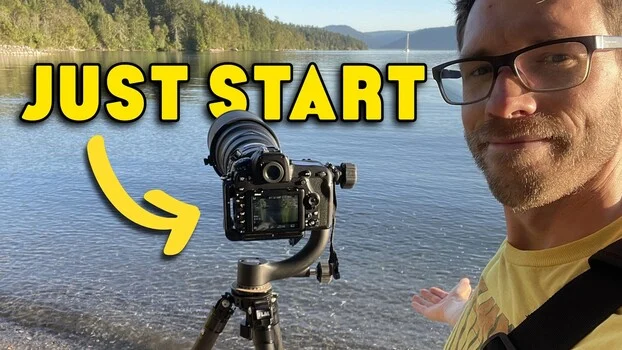
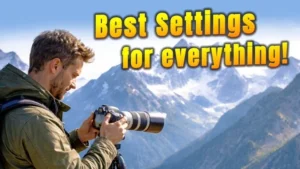
The digital landscape of photography, particularly on platforms like Instagram and Facebook, presents a formidable challenge for aspiring and established professionals alike. Standing out in this saturated environment, where an endless scroll of visually stunning images competes for attention, requires a strategic approach that transcends mere photographic skill. Matt Shannon, a photographer and YouTube creator based in British Columbia, offers a candid and insightful look into his four-year journey of building a thriving photography career and an influential YouTube channel. His narrative, shared through a recent video, pulls back the curtain on the realities of this often-glamorized profession, emphasizing that success hinges on more than just capturing exceptional images.
Shannon’s unconventional path to professional photography is a testament to adaptability and entrepreneurial spirit. Before dedicating himself to the lens, he honed his skills in diverse fields. His early career began in carpentry, where he gained a deep understanding of construction and an eye for detail while building custom homes. This was followed by a period as a musician, an experience that likely fostered creativity and a different form of artistic expression. Later, he found himself working on cell tower builds across the vast expanse of British Columbia, a role that exposed him to breathtaking aerial perspectives and commercial demands. It was during this time that he began shooting for helicopter companies and commercial clients as a side venture, a crucial stepping stone that laid the foundation for his future specialization.
This transitional phase proved pivotal. Shannon identified architectural and tourism photography as the most lucrative avenues within his burgeoning career, a stark contrast to the often-touted profitability of print sales. In his own words, print sales are "gas money" – a supplementary income stream rather than a primary source of financial stability. This observation highlights a critical reality for many contemporary photographers: the market for physical prints, while possessing artistic merit, often fails to sustain a full-time professional practice in the face of digital reproduction and declining physical media consumption. According to industry reports, while fine art print sales can be profitable for established artists with dedicated collector bases, for emerging and mid-career photographers, diversifying income streams is paramount. For instance, a 2022 survey by the Professional Photographers of America indicated that while print sales represented a portion of revenue for many, service-based photography (events, portraits, commercial) and licensing fees constituted a larger share for the majority of respondents.
Shannon’s strategic pivot to content creation on YouTube was informed by a keen observation of platform dynamics. He noticed that while Instagram was inundated with photographers vying for recognition, each often proclaiming professional status, YouTube in his specific region presented a significant opportunity. At the time, the Canadian YouTube photography scene was relatively nascent, with only a handful of creators seriously engaging with the medium across a nation of approximately 40 million people. This "wide open" space offered a chance to establish a unique voice and build an audience without being immediately overshadowed by a deluge of similar content. The growth of YouTube as a platform for educational and inspirational content has been exponential. Global viewership for YouTube has surpassed 2.5 billion monthly logged-in users, with a significant portion of this audience actively seeking tutorials, behind-the-scenes glimpses, and in-depth reviews. This presented Shannon with a fertile ground to cultivate a dedicated following.
The decision to build a photography channel as a business is not without its inherent tensions, a point Shannon addresses with notable candor. He discusses the difficult decision to scale back his commercial photography work to dedicate more time and resources to consistent YouTube content creation. This trade-off is a common dilemma for creators who aim to monetize their passion. The need for regular uploads to maintain audience engagement and algorithm favor often necessitates a re-evaluation of existing revenue streams. This involves a delicate balancing act, where the pursuit of long-term channel growth might temporarily reduce immediate income.
Sponsored content emerged as a significant element in Shannon’s strategy for financial viability. He emphasizes that he only features and discusses gear that he genuinely uses and trusts, a crucial factor in maintaining audience credibility. However, he openly acknowledges the inherent risks associated with sponsorships. Even with legitimate products, the perception of endorsement can, as he notes, erode audience trust. This is a pervasive challenge for content creators across all niches: how to remain financially solvent through partnerships without compromising the authenticity that built their audience in the first place. There is no simple solution, and creators must navigate this minefield with transparency and integrity. A 2023 report on influencer marketing trends highlighted that authenticity and genuine product endorsement are increasingly prioritized by consumers, with sponsored content that feels overly promotional or disingenuous being met with skepticism. This underscores Shannon’s point about the delicate balance required.
Beyond the retrospective of his career, the video offers a compelling glimpse into Shannon’s future endeavors, providing valuable insights into his evolving vision and ambition. His upcoming travel plans are ambitious and strategically aligned with his photographic interests. A trip to New Zealand is slated, featuring workshops on both the South and North Islands, alongside a speaking engagement. This move into educational workshops in international locations signals a desire to expand his reach and engage directly with a global community of photographers. Furthermore, Alaska remains on his travel itinerary, representing the final U.S. state he has yet to visit, suggesting a continued exploration of diverse landscapes and photographic opportunities.
A significant future project is a planned 2027 workshop in the Great Bear Rainforest in British Columbia. This region is renowned for its rich biodiversity, boasting iconic wildlife such as sea wolves, orcas, humpback whales, grizzly bears, and eagles. The announcement of this workshop, coupled with the upcoming release of two unedited videos from a previous trip to the same area, scheduled for May, indicates a deep engagement with this specific ecosystem. The preparation for such an extensive workshop suggests meticulous planning, logistical coordination, and a commitment to offering a unique and immersive experience to participants. This also taps into the growing trend of experiential travel and specialized photography tours, which often command premium pricing due to their exclusive nature and the expertise of the guides.
Shannon’s video also touches upon broader industry trends and his approach to content development. His thoughts on editing techniques reflect the ongoing evolution of digital post-production, where software and stylistic approaches are constantly refined. The pervasive influence of AI trends in photography is another critical area he addresses. The rapid advancements in AI-powered editing tools and generative imagery raise significant questions about the future of photographic authenticity and the role of the artist. Shannon’s engagement with these topics suggests a forward-thinking perspective, acknowledging the transformative power of technology while seeking to maintain his artistic integrity.
Crucially, Shannon highlights the active role audience feedback plays in shaping his content. This listener-driven approach is a hallmark of successful online creators, demonstrating a commitment to providing value and addressing the interests of their community. By actively soliciting and incorporating audience suggestions, creators can foster a stronger sense of connection and ensure that their content remains relevant and engaging. This symbiotic relationship between creator and audience is a powerful engine for sustained growth and influence. The video, therefore, serves not only as a personal chronicle but also as a valuable case study for anyone seeking to build a sustainable and impactful career in the contemporary photography and content creation sphere. The full rundown from Shannon offers a practical, unvarnished look at the dedication, strategic thinking, and adaptability required to thrive in today’s digital-first world.