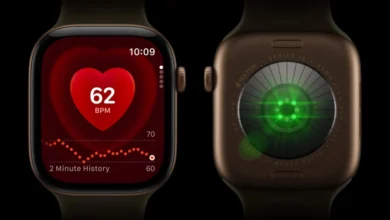
Exploring the Core Additions of watchOS 27: A Comprehensive Breakdown of Siri, Find My, and the Readiness App

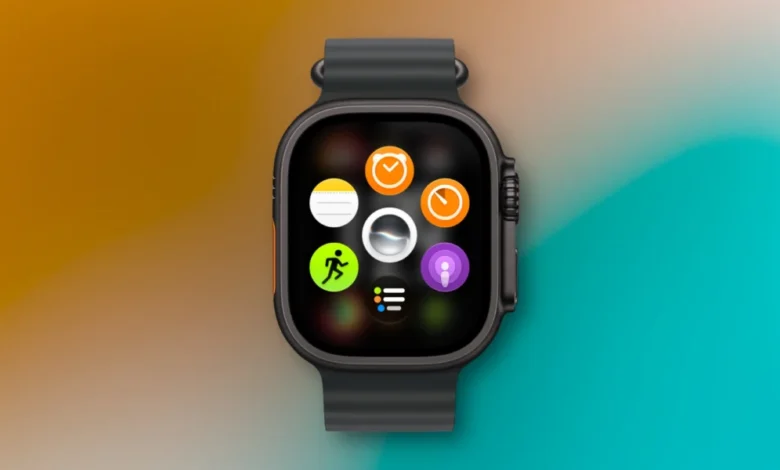
Apple Inc. continues to evolve its wearable ecosystem with the deployment of watchOS 27, the latest major software update designed to enhance the capabilities of the Apple Watch lineup. As wearable technology shifts further toward predictive health metrics, cross-device artificial intelligence integration, and streamlined user interfaces, watchOS 27 introduces significant architecture overhauls. Among the most notable updates are three distinct applications that redefine how users interact with their devices daily: a dedicated conversational Siri app, a unified Find My tracking hub, and an advanced health tracking tool known as Readiness.
Main Facts and Core Software Overview
The rollout of watchOS 27 marks a pivotal moment in Apple’s software lifecycle for wearables. While previous iterations focused primarily on incremental performance improvements and minor interface adjustments, watchOS 27 brings fundamental functional changes. The inclusion of three primary apps—Siri, Find My, and Readiness—demonstrates Apple’s dual focus on expanding the utility of its machine learning frameworks and consolidating previously fragmented user interfaces.
The software update arrives amidst a broader ecosystem refresh across iOS, iPadOS, macOS, and visionOS, reinforcing Apple’s long-term strategy of ecosystem continuity. Users upgrading to watchOS 27 will immediately notice structural shifts, particularly in how queries are managed across devices and how physical location data is presented on a smaller screen. Furthermore, exclusive hardware-tied features like the Readiness app highlight Apple’s ongoing segmentation of advanced biometric tracking features for newer device tiers, specifically targeting owners of the Apple Watch Series 12 and Apple Watch Ultra 4.

Chronology and Development Context of watchOS 27
The trajectory leading to the release of watchOS 27 began months prior with initial developer previews and public beta testing phases. Throughout the spring and summer development cycle, industry analysts and early adopters closely monitored Apple’s implementation of next-generation artificial intelligence protocols across its hardware ecosystem.
During the initial developer conference announcements in June, Apple executives outlined the foundational pillars of the operating system update. The primary focus centered on ambient computing and reducing friction between the user and their digital assistant. By June, developer betas began highlighting the structural transition of the virtual assistant into a standalone, cross-device application. Shortly thereafter, updates to the location-tracking framework mirrored parallel changes in iOS 27, signaling a synchronized push toward unified software experiences.
As the release window approached in late summer, hardware-specific integrations came into sharper focus. The introduction of the Readiness app correlated directly with the commercial debut of the Apple Watch Series 12 and Apple Watch Ultra 4. This strategic deployment ensured that advanced biometric algorithms—reliant on updated sensor suites found exclusively in the newest hardware iterations—had the optimized software architecture required to process complex physiological data effectively.
Deep Dive into the New Applications
The architecture of watchOS 27 is defined largely by its new and redesigned applications, each serving a distinct operational purpose within the daily workflow of an Apple Watch user.
- The Dedicated Siri Application
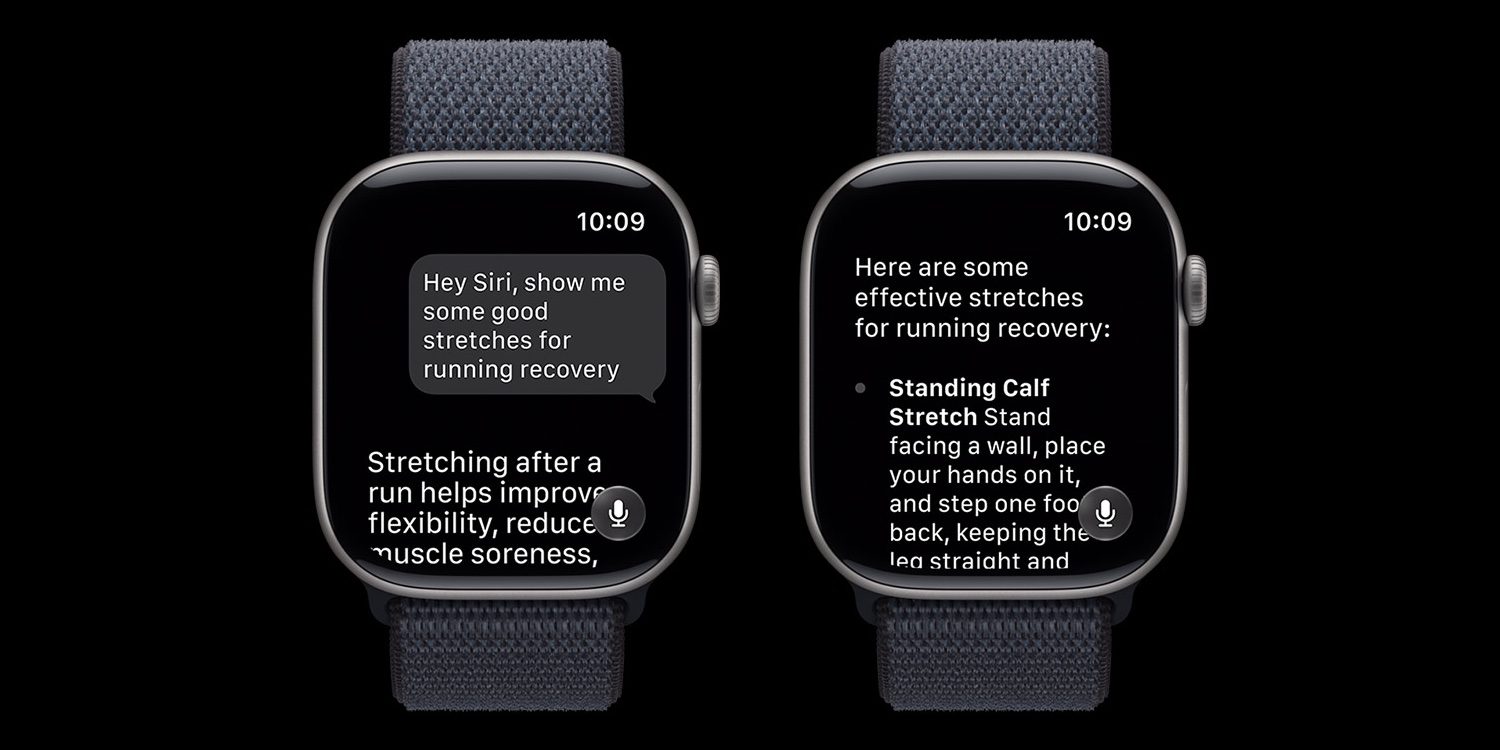
For years, invoking the virtual assistant on an Apple Watch relied exclusively on voice commands or physical interaction via the Digital Crown, with responses appearing as transient overlays on the display. watchOS 27 fundamentally alters this paradigm by introducing a dedicated, standalone Siri application.
This application is not exclusive to the wearable; rather, it forms part of a broader, synchronized AI infrastructure spanning the iPhone, iPad, Mac, and Apple Vision Pro. The primary utility of the new Siri app lies in its conversational depth and cross-device persistence. Powered by advanced machine learning models, the assistant maintains a continuous thread of queries and context across all registered Apple devices.
Consequently, a user can initiate a complex multi-step inquiry on their Mac during the workday and seamlessly review, continue, or reference that exact conversation later from their wrist using the standalone Siri app. This persistent conversational history addresses long-standing user feedback regarding the ephemeral nature of previous wearable assistant interactions.
- The Consolidated Find My Hub
In watchOS 26, Apple’s ecosystem-locating utilities were intentionally segregated into three distinct applications: Find Devices, Find Items, and Find People. While this segmentation offered specialized views, it frequently required users to navigate back and forth through the app grid to locate different categories of assets or contacts.
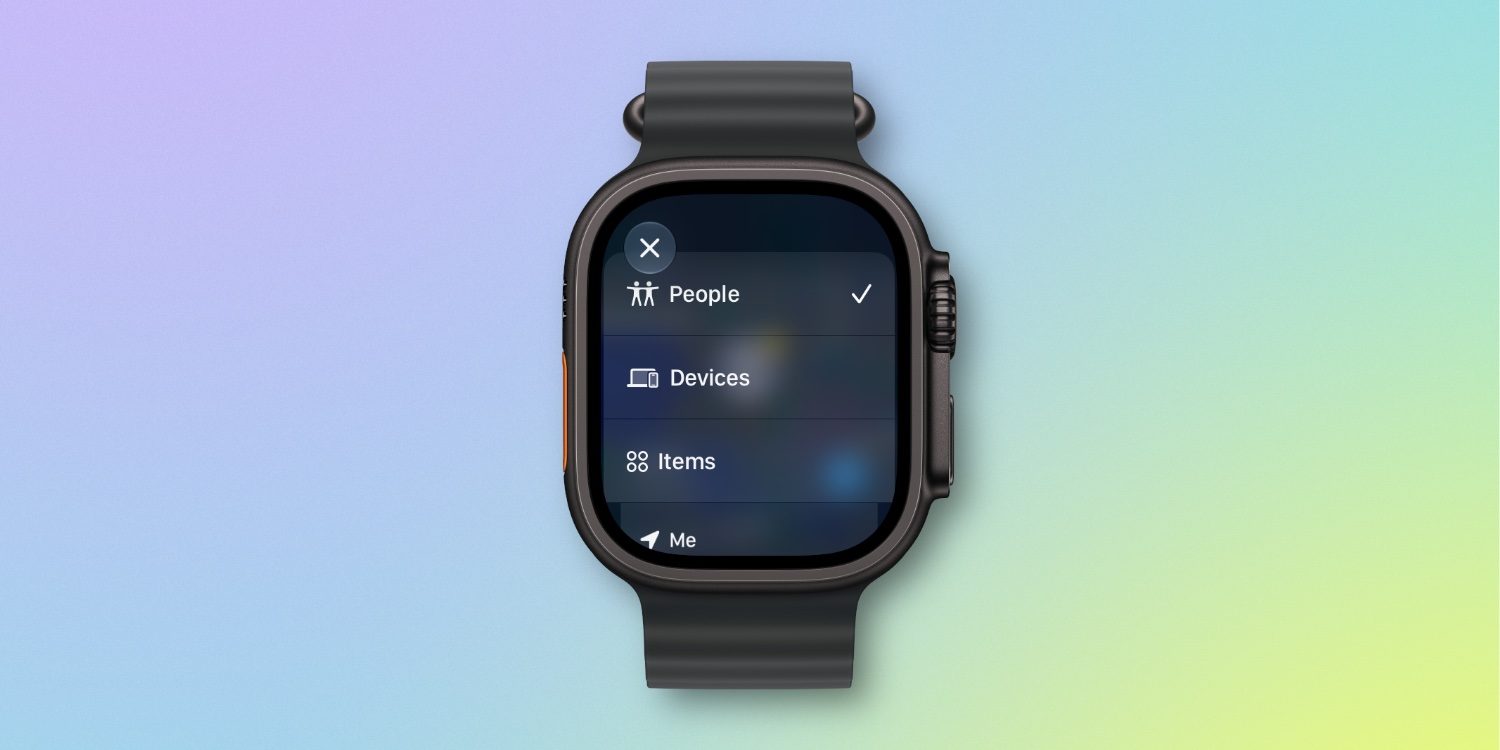
watchOS 27 reverses this fragmentation through a comprehensive redesign, consolidating all tracking capabilities into a single, unified Find My application. The updated interface provides a streamlined, map-centric experience that retains the full functionality of the previous three separate tools.
Navigation within the app has been optimized for the constrained screen real estate of the Apple Watch. Users can seamlessly toggle between tracking hardware devices, AirTag-secured items, and shared contacts using a refined menu situated in the top-left corner of the display. This consolidation reduces cognitive load and accelerates the time it takes to execute essential safety and tracking tasks in emergency or daily misplaced-item scenarios.
- The Readiness App and Advanced Biometrics
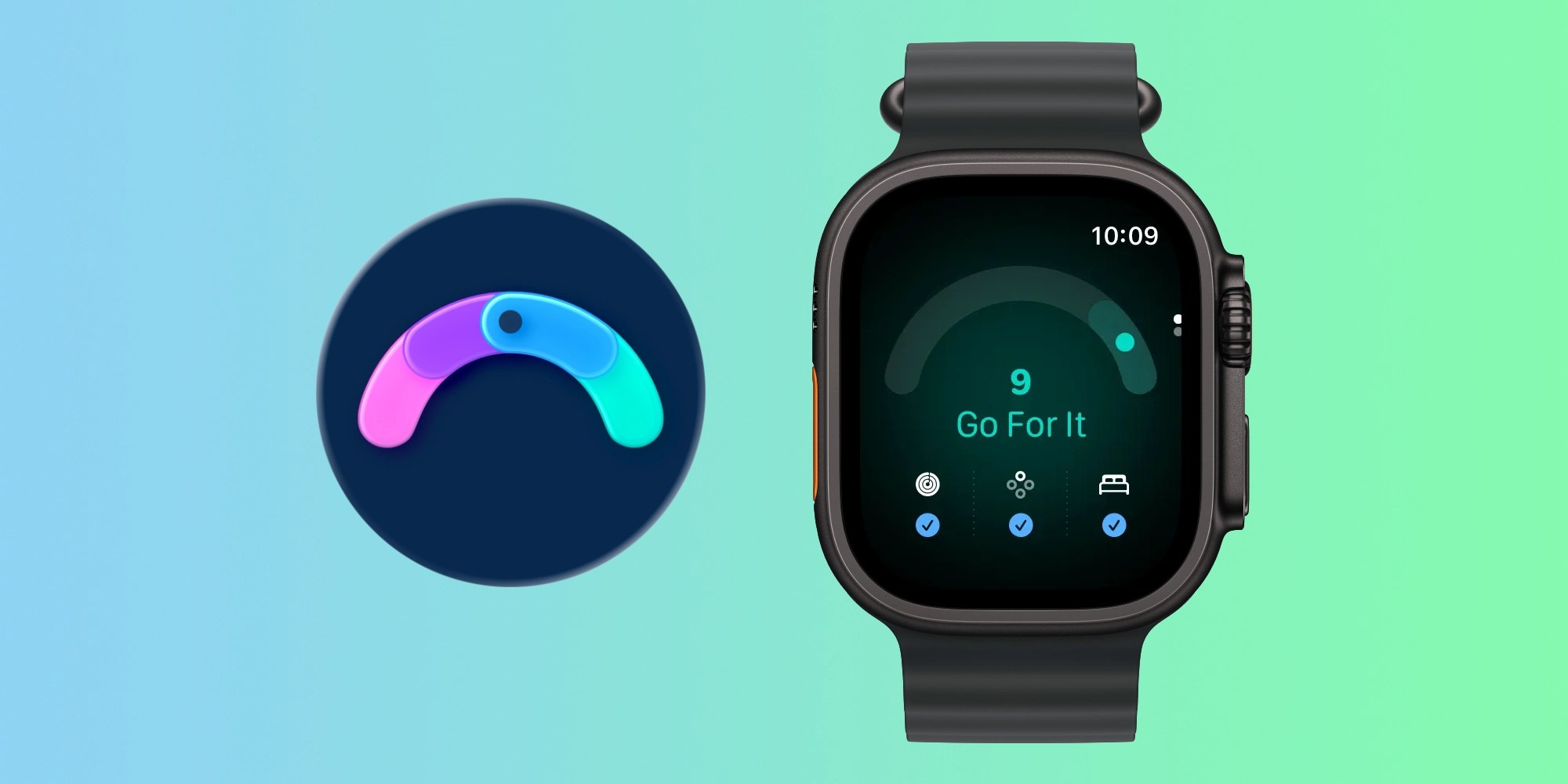
Perhaps the most hardware-dependent addition to watchOS 27 is the Readiness app, designed explicitly for users operating newer flagship hardware, namely the Apple Watch Series 12 and Apple Watch Ultra 4.
The application addresses a growing consumer demand for recovery-focused metrics, moving beyond simple step counts and active calorie burn to evaluate holistic physical preparedness. According to official App Store documentation and system integration notes, the Readiness app synthesizes three core data streams: recent physical activity, underlying vital signs, and detailed sleep architecture.
By analyzing these variables in tandem, the application computes a daily readiness score designed to help users determine their physiological capacity to handle strenuous physical loads, high-stress work environments, or intense athletic training. This predictive approach to health management reflects an industry-wide trend toward personalized recovery guidance, allowing users to avoid overtraining and mitigate fatigue-related injuries.
Supporting Data and Ecosystem Implications
The deployment of watchOS 27 arrives at a critical juncture for the wearable technology market. Industry data indicates that consumer expectations for smartwatches have shifted decisively away from basic notifications and toward sophisticated preventative health monitoring and predictive assistance.
By integrating cross-device AI memory through the Siri application, Apple is addressing the interoperability friction that often characterizes multi-device households and professional environments. Furthermore, the consolidation of the Find My application aligns with broader telecommunications and safety trends, where rapid access to location-sharing and asset tracking is increasingly prioritized by consumers.
From a hardware perspective, the restriction of the Readiness app to the Apple Watch Series 12 and Apple Watch Ultra 4 underscores the growing disparity between legacy sensor hardware and the requirements of modern health-tracking algorithms. Advanced biometric synthesis demands higher fidelity data streams, driving upgrade cycles among consumers invested in comprehensive fitness tracking.
Official Responses and Industry Analysis

While Apple has positioned watchOS 27 as a natural evolution of its wearable software platform, industry observers and technology analysts have offered broader interpretations of its strategic implications.
Analysts note that the introduction of a cross-device conversational AI app on the wrist represents a significant step toward ambient computing. By ensuring that context travels seamlessly between desktop computers, tablets, mobile phones, spatial computing headsets, and watches, Apple strengthens the walled garden of its ecosystem, increasing user retention through high-friction switching costs.
Conversely, the consolidation of the Find My app has been widely praised by accessibility and user-experience advocates. Reducing menu depth and unifying fragmented utilities directly addresses usability concerns inherent to smaller interface displays.
Regarding the Readiness app, health technology specialists have emphasized the growing importance of recovery metrics. As consumer-grade wearables increasingly encroach upon territory once reserved for clinical-grade diagnostic tools, providing transparent, synthesized recovery scores empowers users to take a more proactive role in managing chronic fatigue and physical wellness.
Broader Impact and Future Outlook

The release of watchOS 27 establishes a new baseline for what consumers expect from smartwatch operating systems. As artificial intelligence models become increasingly integrated into everyday computing tasks, the physical boundary between ambient interfaces and dedicated application software continues to blur.
For developers, the updated frameworks provide new opportunities to leverage persistent context and unified location services. For consumers, the updates offer a more cohesive, intelligent, and health-conscious wearable experience. As watchOS 27 continues to roll out to eligible devices worldwide, its long-term success will likely be measured by how effectively its AI-driven Siri app and recovery-focused Readiness metrics perform under real-world, high-demand usage conditions.