Google System Release Notes for October 2026 detail latest updates across Play services and Store ecosystem

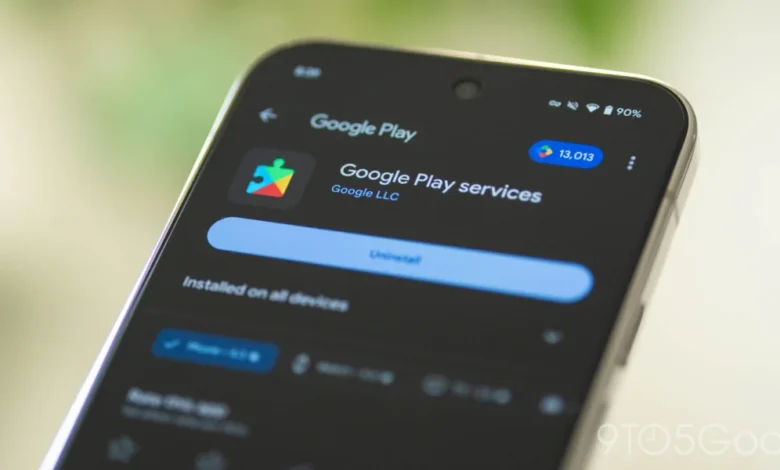
The monthly Google System Release Notes provide a comprehensive technical overview of the iterative improvements and security patches deployed to the vast Android ecosystem. These updates are essential for maintaining the integrity, functionality, and security of devices ranging from flagship smartphones and tablets to specialized platforms like Wear OS, Android TV, and Automotive systems. By decoupling these core components from full OS-level firmware updates, Google ensures that users receive critical functionality and security enhancements in a more agile, modular fashion.
The October 2026 release cycle, spanning from early October through late October, highlights a consistent cadence of optimization across several key pillars: Account Management, Device Connectivity, Security & Privacy, Wallet integration, and Developer Services. These updates represent the underlying architecture that keeps the Android experience uniform across diverse hardware manufacturers.
The Mechanism of Google System Updates
For the average consumer, the Google System remains a largely invisible infrastructure. It encompasses a suite of first-party apps and background services that govern how an Android device communicates with Google’s cloud services. Understanding how to manage these updates is critical for users who want to ensure their devices are running the latest software.
To check for or verify these updates, users should navigate to the device Settings app. On Pixel devices, this involves tapping the user profile at the top to access "Google services," followed by the "All services" tab, navigating to "Privacy & security," and finally selecting "System services." While the system is designed to update automatically in the background, this manual path allows power users to verify their current version status against the official changelogs provided by Google.
It is important to note that the appearance of a feature or an update in the official release notes does not guarantee immediate availability for every user. Google often utilizes a phased rollout strategy, where features are toggled on server-side or gated by region, device type, or carrier. Consequently, some capabilities described in the documentation may take several weeks or even months to reach full saturation across the global install base.
Chronology of the October 2026 Update Cycle
The October 2026 update cycle was marked by a series of incremental deployments, starting from early October and extending through the final week of the month. Below is a structured timeline of the core updates released during this period.
October 26, 2026: The Month-End Rollout
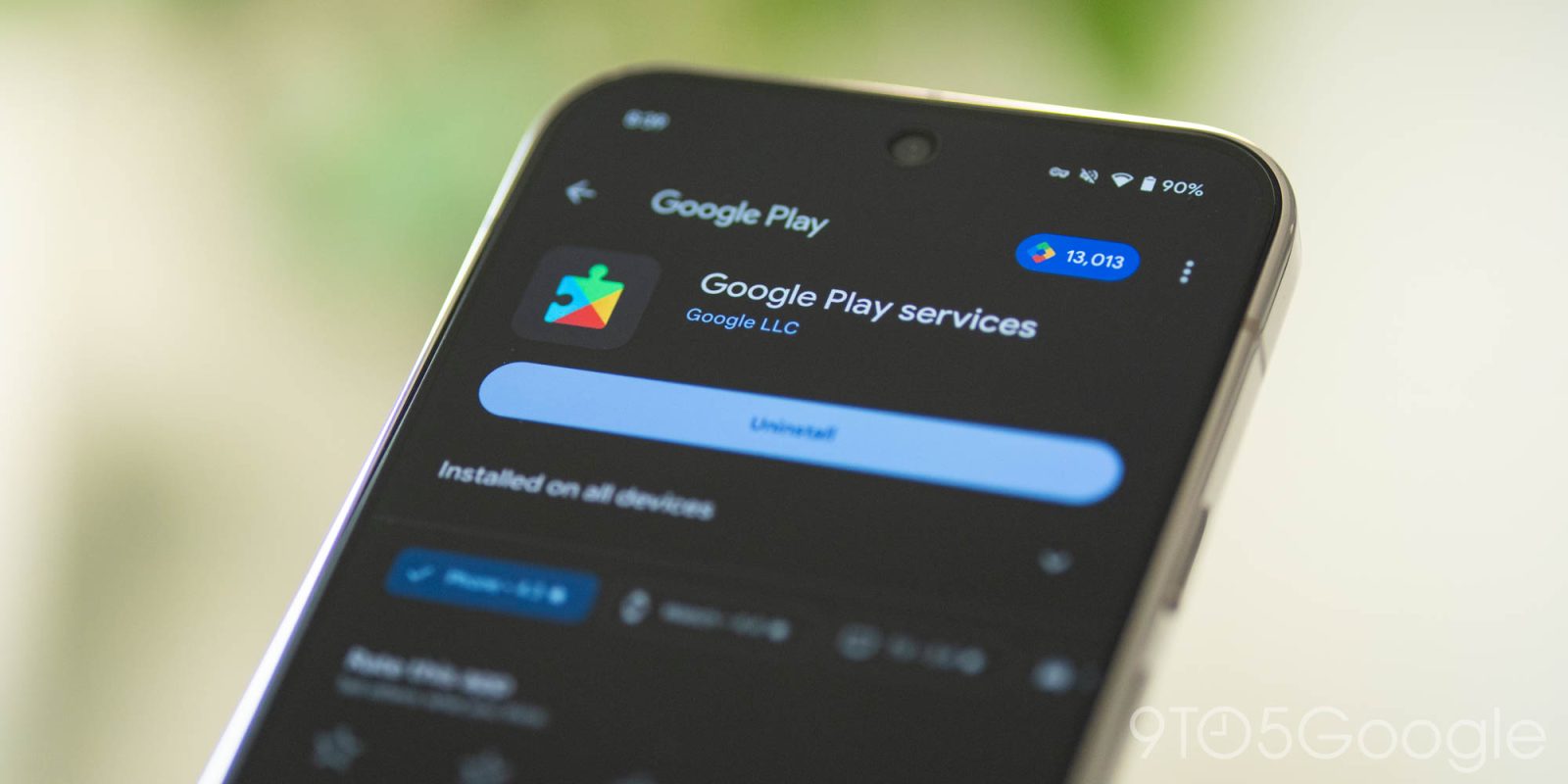
The final week of the month saw a significant push in version numbers across core services. Private Compute Services reached versions B.31 and C.9, reinforcing Google’s commitment to localized, on-device data processing. Google Play services v26.42 was also deployed, focusing on refinement within the Account Management, Device Connectivity, and Safety & Emergency frameworks. Concurrently, the Google Play Store was updated to version v53.8, and Android WebView reached version 157, ensuring that the primary browser rendering engine remained compliant with the latest web standards and security protocols.
October 19, 2026: Mid-Month Refinements
The mid-month update cycle brought Google Play services to version 26.41 and the Google Play Store to version 53.7. This period focused heavily on security and privacy enhancements, alongside updates to the digital wallet infrastructure, reflecting Google’s ongoing push to make mobile payments more robust and widely accessible.
October 12, 2026: Mid-Cycle System Adjustments
During the second week of the month, Google pushed Play services v26.40 and Play Store v53.6. These updates were notable for their focus on system management and connectivity, addressing minor bugs that had been identified in previous iterations. Additionally, Android WebView v156 was released, which is critical for maintaining compatibility with the evolving landscape of web-based app interfaces.
October 5, 2026: Early Month Deployment
The cycle began with the release of Google Play services v26.39 and Play Store v53.5. These updates were foundational, setting the stage for the month’s subsequent improvements. Notably, this release included targeted updates for Developer Services, which provide the APIs necessary for third-party developers to integrate their applications seamlessly with Google’s ecosystem. Furthermore, the October 1st update to Android System Intelligence (versions B.29 and C.7) marked an early emphasis on machine learning and predictive capabilities.
Technical Implications and Developer Impact
The frequency of these updates underscores a fundamental shift in how Google manages the Android operating system. Historically, Android updates were tethered to the device manufacturer’s schedule and carrier approval processes, often resulting in significant delays for security patches. By modularizing the OS through "Project Mainline" and similar initiatives, Google has successfully moved critical system components into the Google Play system update framework.
For developers, these monthly notes serve as a roadmap for application compatibility. When Google updates core services—such as the API sets involved in Device Connectivity or Wallet—developers must ensure their applications remain compliant with the latest security standards and interface requirements. The inclusion of "Developer Services" as a distinct category in these notes highlights the importance of maintaining a stable API surface for the third-party application ecosystem.
Broader Impact on Security and User Privacy
One of the most significant aspects of the October 2026 updates is the continued focus on Privacy and Security. The versioning of Private Compute Services, for example, is a direct response to increasing user demand for transparency regarding how personal data is handled on-device. Private Compute Services allows for the processing of sensitive data, such as speech-to-text or predictive text, entirely within a sandbox on the device, preventing that data from being sent to external servers.

Similarly, the ongoing updates to the Google Play Store are not merely about visual changes or UI improvements; they represent the frontline of defense against malicious software. By refining the verification processes and background scanning capabilities, Google continues to tighten the security posture of the Android platform, making it increasingly difficult for compromised apps to persist on user devices.
Analysis of the Ecosystem’s Evolution
Looking at the cumulative data from the October 2026 cycle, a clear pattern of "silent improvement" emerges. Most users will not experience a dramatic change in their daily interaction with their devices following these updates. Instead, the improvements are granular: faster authentication, more stable Bluetooth connections, improved battery efficiency, and patched vulnerabilities that prevent potential exploits.
The consistency of these updates is a testament to the maturation of the Android ecosystem. By maintaining this rapid, monthly cadence, Google has transformed Android into a platform that can respond dynamically to new security threats and evolving user needs. This approach minimizes the "fragmentation" that plagued the platform in its early years, ensuring that a user on a device released two years ago has access to the same core security and functionality updates as a user on a brand-new handset.
Official Responses and Future Outlook
While Google does not provide granular public commentary on every single line of code in the changelogs, the company has consistently emphasized that these modular updates are a priority for the "Android Security Lifecycle." In industry forums, Google representatives have noted that the goal is to reach a state where the core system remains secure for the entire lifespan of the hardware, regardless of when the manufacturer stops providing major OS version upgrades.
As we move past the October 2026 cycle, the focus is expected to shift toward integrating more advanced AI-driven system management. With Android System Intelligence playing a larger role in how devices handle background tasks, users can expect future updates to be more predictive, focusing on power management and resource allocation that learns from individual user habits.
In conclusion, the October 2026 Google System Release Notes represent the quiet engine behind the world’s most popular mobile operating system. Through a persistent and disciplined update schedule, Google ensures that the complex interplay between hardware, software, and cloud services remains secure, stable, and ready for the next generation of digital experiences. For the tech-savvy user and the developer alike, these monthly logs remain the most accurate window into the ongoing evolution of the Android experience.
Related posts: