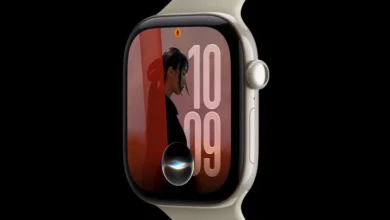
Apple Watch Series 12 and Apple Watch Ultra 4 to Introduce Advanced Audio Intelligence Features Siri Recap and Live Rewind in watchOS 27

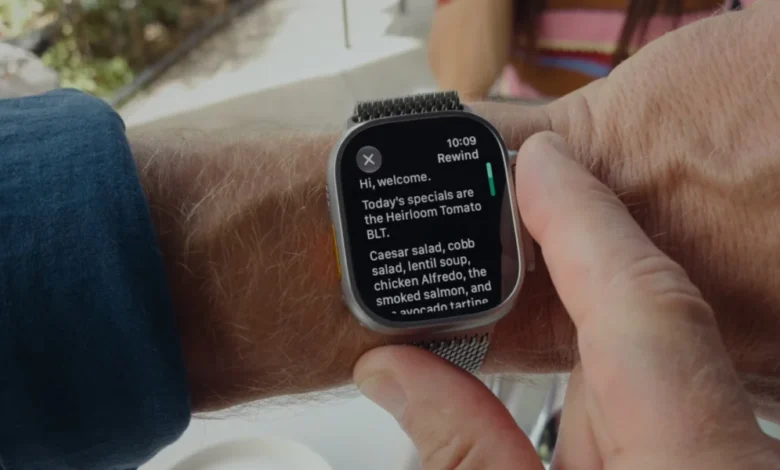
The continuous evolution of wearable technology has reached a significant milestone with the official introduction of the Apple Watch Series 12 and the rugged Apple Watch Ultra 4. Unveiled during Apple’s annual hardware event, the latest generation of smartwatches brings expected improvements in display technology, battery performance, and biometric tracking. However, the most profound announcements center on software capabilities arriving later this year via the watchOS 27 update. Apple is heavily integrating generative artificial intelligence into the wrist-worn ecosystem, highlighted by two distinct audio intelligence tools: Siri Recap and Live Rewind. These additions mark a definitive shift toward ambient computing, allowing the device to actively process, summarize, and recall spoken interactions in real time. As consumers increasingly rely on smartwatches for daily organization and health monitoring, these features represent both a technological leap and a new frontier for personal privacy management.
Main Facts and Core Functionality of the New Features
The introduction of Siri Recap and Live Rewind addresses a long-standing challenge in personal productivity: capturing and retaining verbal information while remaining engaged in fast-paced environments. Both features operate under the umbrella of Apple Intelligence, leveraging on-device processing power and advanced neural engine capabilities embedded within the S-series processors of the Apple Watch Series 12 and Apple Watch Ultra 4.
Siri Recap is designed to function as an ambient note-taker throughout the user’s day. According to official documentation released by Apple, the tool passively processes conversational audio, generating high-level summaries that synthesize key points from meetings, casual chats, and daily interactions. The primary goal of Siri Recap is to enable users to remain fully present in the moment, knowing that an automated digest will be available later to jog their memory. To address potential privacy concerns, Apple has instituted a strict retention policy: all generated summaries are automatically purged after seven days unless the user actively chooses to save them to their personal device or archive.
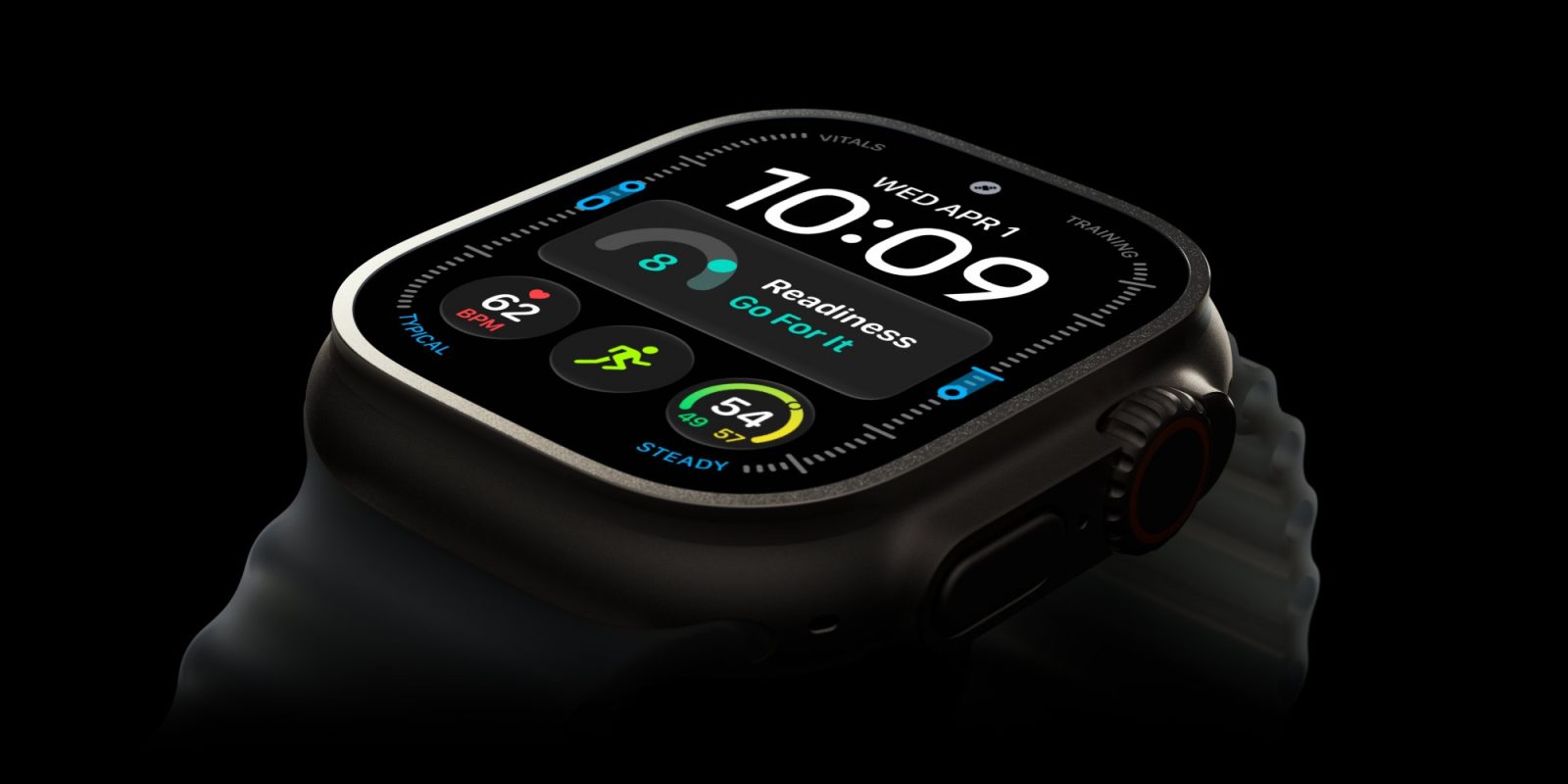
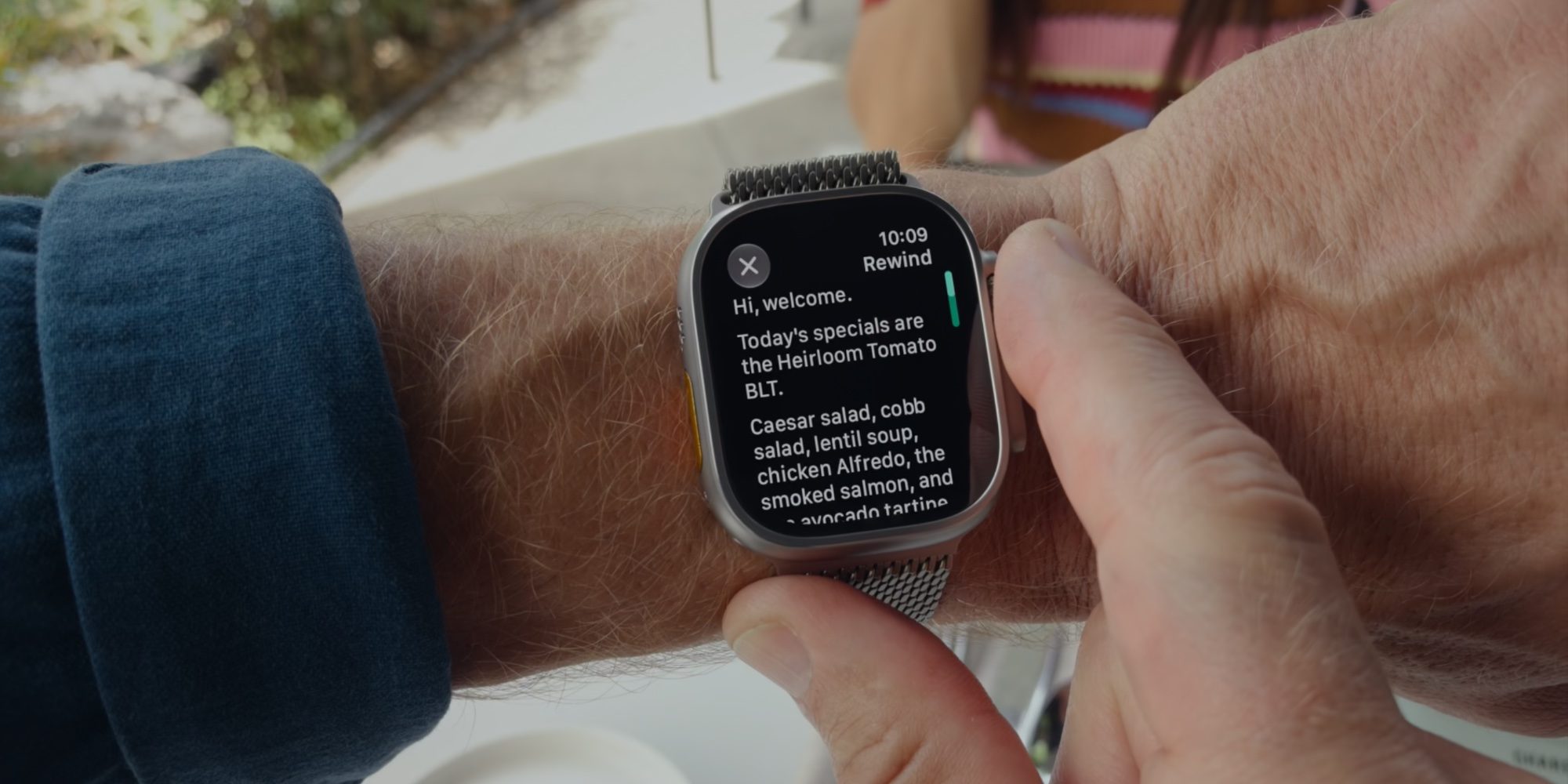
In contrast, Live Rewind offers immediate, micro-level assistance during live conversations. When a user experiences a moment of distraction, fails to catch a specific phrase, or encounters unfamiliar terminology, they can simply double-press the Digital Crown on their Apple Watch. This action summons a text snippet displaying the exact words spoken over the preceding 15 seconds. Users can then query Siri regarding the contents of the snippet or save the text directly into the Siri application for future reference. While Live Rewind shares architectural foundations with Siri Recap, its utility leans heavily toward real-time comprehension and accessibility support, ensuring that verbal communication barriers are minimized on the fly.
Background Context and Evolution of watchOS
To understand the magnitude of these new audio intelligence features, it is necessary to examine the historical trajectory of the Apple Watch operating system. Since its debut, watchOS has transitioned from a simple notification mirror for the iPhone into a comprehensive, standalone health and productivity hub. Early iterations focused on fitness rings, basic heart rate monitoring, and quick app interactions. Over the subsequent decade, Apple systematically integrated advanced clinical-grade sensors, including electrocardiogram (ECG) monitors, blood oxygen sensors, and wrist-temperature measurement arrays.
Concurrently, voice interaction via Siri became a staple of the wrist-worn experience. However, early implementations of Siri on the Apple Watch were often hindered by network latency, processing limitations, and the acoustic challenges of open-air microphones. The introduction of local machine learning models in recent years fundamentally altered this dynamic. By shifting computational workloads directly to the device silicon, Apple laid the groundwork for complex, context-aware artificial intelligence. The announcement of watchOS 27 and its centerpiece audio intelligence framework represents the culmination of this hardware-software convergence, transforming the Apple Watch from a reactive fitness tracker into a proactive cognitive assistant.
Timeline and Chronology of the Release
The rollout of the Apple Watch Series 12, Apple Watch Ultra 4, and the accompanying watchOS 27 update follows Apple’s established annual product lifecycle, albeit with a phased deployment strategy for its most advanced software features.
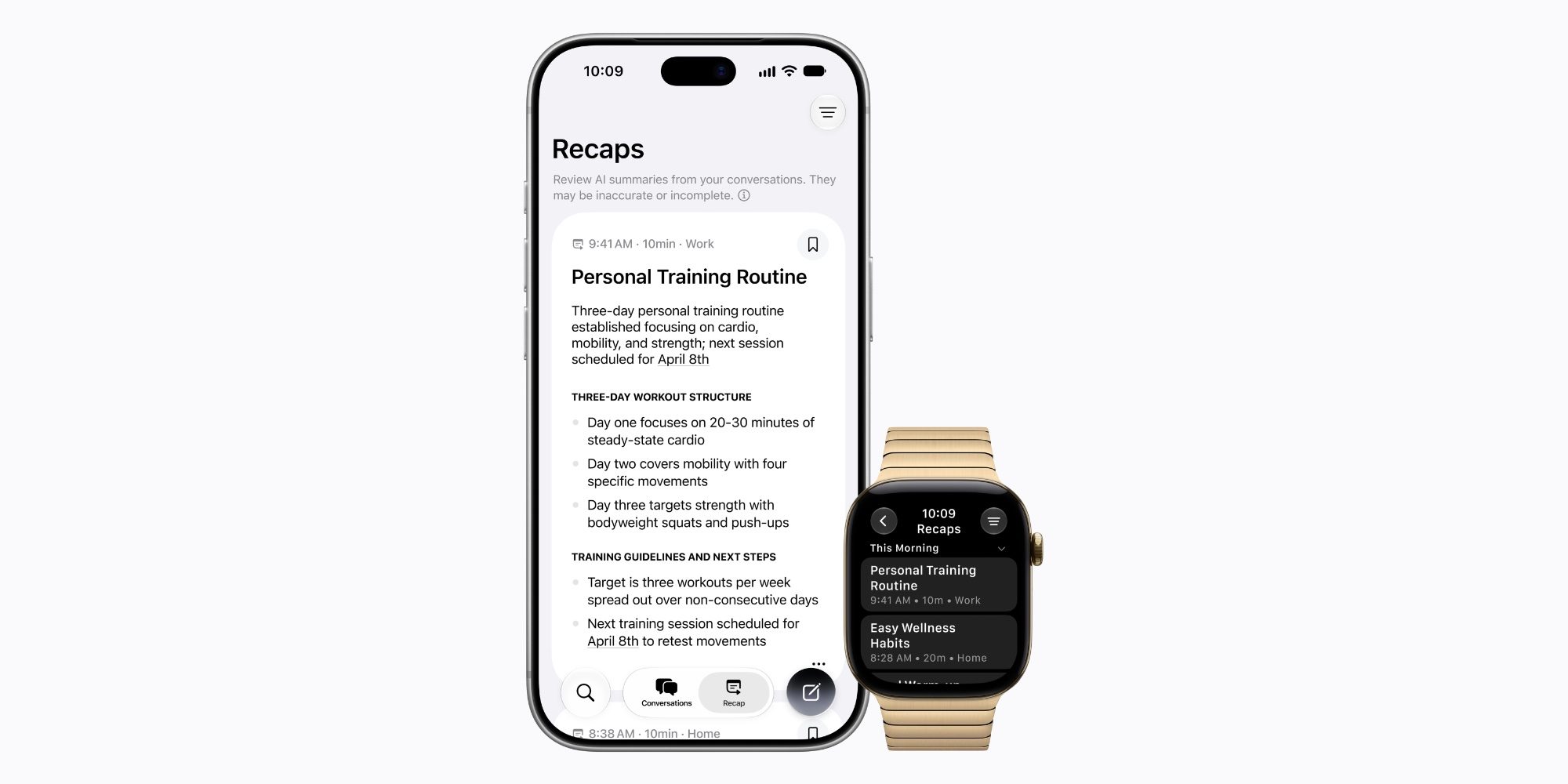
The timeline leading up to this release highlights the meticulous planning behind the hardware-software integration:
- Early September: Apple officially unveils the Apple Watch Series 12 and Apple Watch Ultra 4, detailing their upgraded hardware specifications and previewing the core tenets of watchOS 27.
- Mid-September: Pre-orders for both smartwatch models open globally, alongside the developer and public beta testing phases for watchOS 27, allowing third-party developers to test app compatibility with the new APIs.
- Late September: Official retail launch and initial consumer deliveries of the Apple Watch Series 12 and Apple Watch Ultra 4 begin, with devices shipping out of the box with the initial iteration of watchOS 27.
- Later This Year (Scheduled): A subsequent point release of watchOS 27 is scheduled to deploy, activating the full suite of Apple Intelligence features, specifically Siri Recap and Live Rewind, to eligible devices.
This deliberate delay between hardware availability and the activation of complex AI features allows Apple’s engineering teams to optimize battery consumption and ensure rigorous compliance with data privacy frameworks before the features reach millions of consumer wrists.
Supporting Data and Technical Architecture
Integrating continuous audio processing into a device as physically compact as a smartwatch presents formidable engineering hurdles, particularly concerning thermal management and battery longevity. The Apple Watch Series 12 and Ultra 4 rely on redesigned system-in-package (SiP) architectures that allocate dedicated silicon die space to neural network processing.
Industry analysts note that continuous listening features historically exact a heavy toll on battery life. Apple has mitigated this by utilizing hardware-accelerated wake-word engines and localized, low-power audio buffers that temporarily store the previous 15 seconds of acoustic data for Live Rewind without constantly engaging the primary application processor. Furthermore, extensive cryptographic measures, detailed in Apple’s newly published security white papers, ensure that audio data processed for Siri Recap and Live Rewind is handled via Private Cloud Compute or entirely on-device, depending on the computational complexity required. This dual-layer architecture prevents raw audio files from being permanently stored on remote servers, significantly reducing the attack surface for potential data breaches.
Official Responses and Industry Reactions
The announcement of Siri Recap and Live Rewind has elicited widespread commentary from technology analysts, privacy advocates, and accessibility experts. Industry observers generally praise Apple’s continued commitment to hardware-level accessibility, noting that Live Rewind serves as a transformative tool for individuals with auditory processing disorders or hard-of-hearing users navigating complex social environments.
Conversely, the introduction of Siri Recap—an ambient tool that takes notes on daily conversations—has drawn intense scrutiny regarding social etiquette and privacy implications. Civil liberties organizations have raised questions about consent in environments where third parties may be recorded or summarized without their explicit, real-time knowledge. In response to these concerns, Apple has emphasized its user-centric privacy controls, pointing out that the automated deletion policy (purging summaries after seven days) and clear visual indicators on the watch face are designed to maintain transparency. Executives have maintained that the primary objective is personal empowerment and memory augmentation rather than passive surveillance.
Broader Impact and Market Implications
The launch of the Apple Watch Series 12 and Apple Watch Ultra 4 with advanced audio intelligence features signals a broader trend within the consumer electronics market: the race to embed ambient artificial intelligence into every facet of daily life. As smartphones face a plateau in hardware innovation, manufacturers are increasingly relying on software-driven intelligence to differentiate their ecosystems.
For the smartwatch market specifically, these features widen the competitive moat between Apple and its primary competitors, including Samsung, Google, and specialized sports watch manufacturers like Garmin. While competitors have successfully integrated basic fitness tracking and notification management, Apple’s deep integration of generative AI into a wearable form factor sets a new benchmark for utility.

However, the ultimate success of Siri Recap and Live Rewind will depend heavily on consumer trust. As society navigates the fine line between convenience and privacy, features that involve listening to ambient conversations will face rigorous public evaluation. If Apple successfully demonstrates that robust utility can coexist with uncompromising data protection, these features could transition from niche novelties into standard expectations for all future wearable technology. Consumers looking to adopt these new devices can currently find the Apple Watch Series 12 and Apple Watch Ultra 4 available through various retail channels, including discounted offerings on Amazon and certified refurbished options via Apple’s official storefront.