Proposed U.S. Senate Legislation Targets Chinese Ownership in Automakers While Raising Questions for Global Brands Like Mercedes-Benz and Aston Martin

The landscape of the American automotive market is undergoing a seismic regulatory shift, driven by escalating geopolitical tensions, national security concerns, and sweeping legislative actions. Following the introduction of the Connected Vehicle Rule in 2025—which effectively barred Chinese-engineered vehicles and specific connected hardware from entering the U.S. market—federal lawmakers are now pushing for even stricter measures. A proposed bipartisan Senate bill aims to completely ban automakers from selling vehicles in the United States if they possess 15% or more Chinese ownership.
This aggressive legislative push has sent ripples through the global automotive industry. Brands with complex international ownership structures, joint ventures, and passive investment portfolios are suddenly finding themselves under a regulatory microscope. While the primary target of the bill is to curb the influence of state-backed and private Chinese entities in critical U.S. infrastructure and consumer tech, the broad brushstrokes of the proposed law threaten to disrupt legacy European luxury brands that have relied on international capital for survival and expansion.
The Legislative Framework and the 15% Threshold
The core of the proposed legislation centers on a strict numerical limit: any automotive manufacturer with 15% or greater Chinese ownership would face severe commercial restrictions, effectively locking them out of the lucrative U.S. market. This follows a trajectory of tightening trade policies that began taking shape years prior, aiming to safeguard American data privacy, domestic manufacturing, and national security against potential vulnerabilities embedded in modern software-defined vehicles.
The Connected Vehicle Rule, slated to take full effect in the mid-2020s, laid the groundwork by targeting vehicle connectivity, software systems, and hardware components originating from foreign adversaries, primarily China. Automakers such as Volvo—owned by China-based Geely—have had to rigorously audit and restructure their supply chains and software development pipelines to prove compliance. Meanwhile, brands like Polestar have faced acute uncertainty regarding their future viability in the United States under these evolving administrative frameworks.
However, the new Senate bill takes a structural approach rather than a component-based one, targeting ownership equity directly. By drawing a hard line at 15%, lawmakers hope to eliminate the influence of foreign capital entities over major automotive operations. Yet, applying a blanket percentage rule to a deeply globalized industry has immediately highlighted the complexities of modern corporate finance, where equity is frequently traded across public stock exchanges without necessarily translating into operational control.
The Mercedes-Benz Exemption Debate
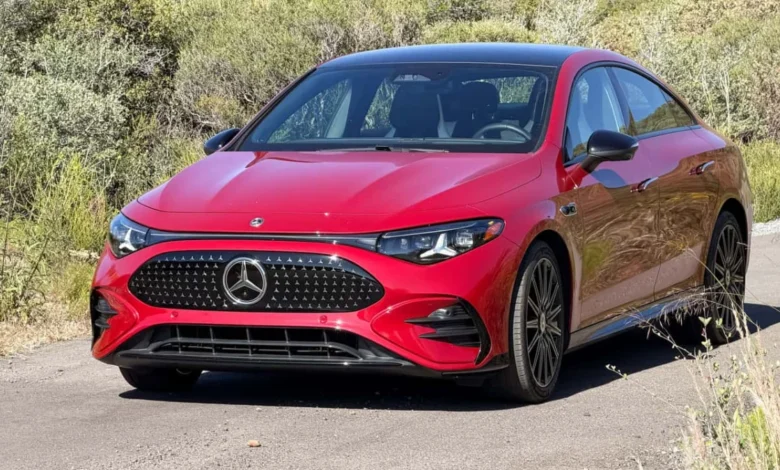
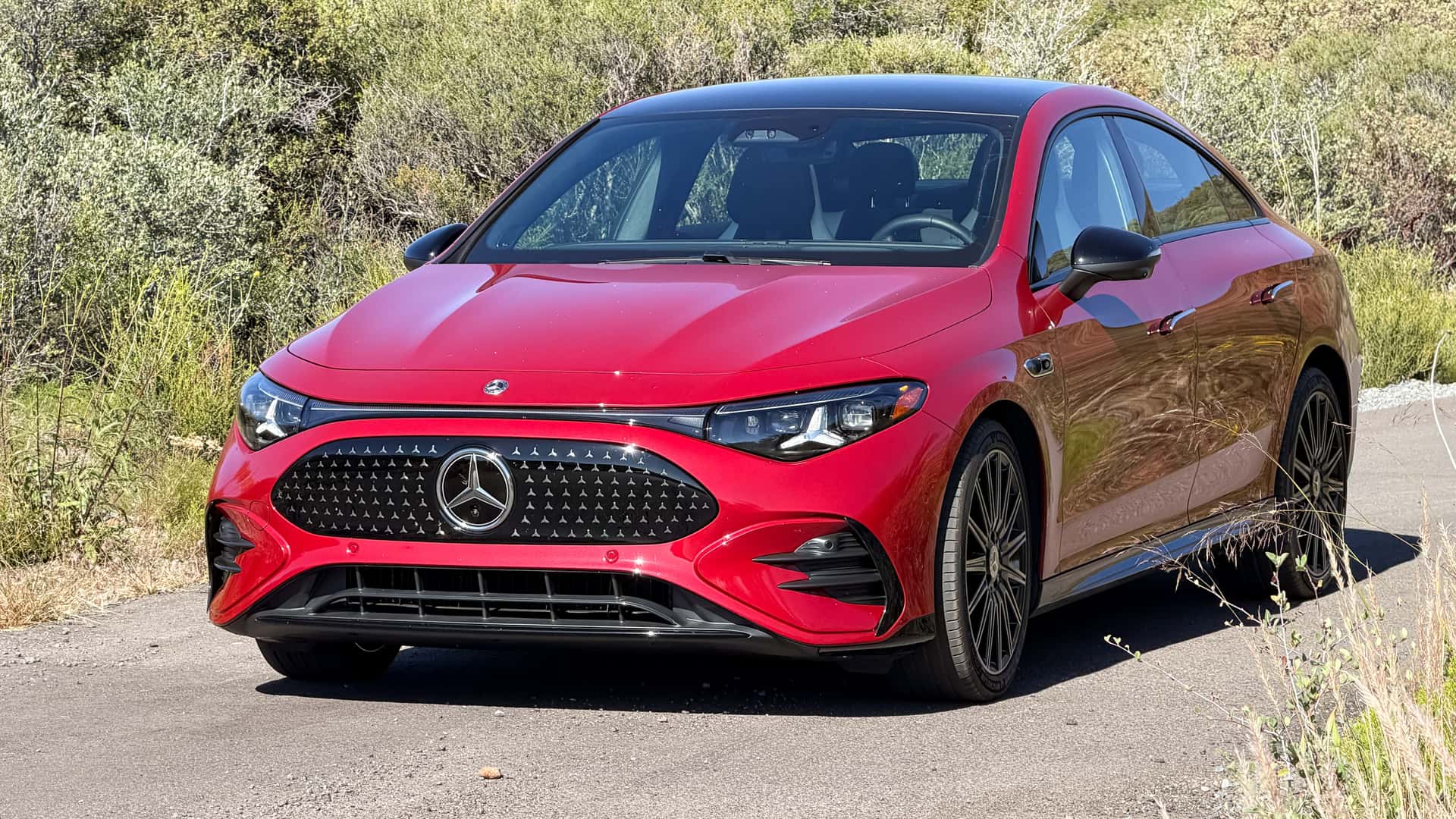
One of the most prominent flashpoints surrounding the proposed legislation involves Mercedes-Benz. Financial records indicate that Chinese investors hold approximately 20% of the German luxury automaker’s shares. Specifically, entities such as Tenaciou3 Prospect Investment Limited and the state-backed BAIC Group hold roughly 9.69% and 9.98% stakes, respectively, pushing the combined Chinese investment total comfortably above the proposed 15% statutory threshold.
Despite this arithmetic, key architects of the bill have insisted that the legislation is not intended to penalize or ban Mercedes-Benz from the American market. Republican Senator Bernie Moreno of Michigan addressed the apparent contradiction in statements to Reuters, clarifying the practical application of the proposed law.
"What we’re not going to do, obviously, is ban Mercedes-Benz vehicles in America," Moreno stated, while acknowledging the regulatory dilemma. "There’s concern that—can they get to 15% without debilitating their company?"
The distinction keeping Mercedes-Benz in the clear appears to hinge on the nature of the investment. The significant Chinese stakes in Mercedes-Benz are strictly passive holdings. Neither Tenaciou3 Prospect Investment Limited nor BAIC Group exercises operational control, participates in day-to-day management, or holds sway over product planning, research, and vehicle development. Consequently, U.S. lawmakers appear willing to accommodate companies where Chinese capital is purely financial, provided there is a pathway—or an established understanding—to bring total influence or ownership alignment below the hard legislative cap without causing systemic corporate harm.
Bipartisan Consensus and Legislative Hurdles
The Senate bill has achieved a rare level of political alignment in a heavily polarized Washington. Senator Elissa Slotkin, a Democrat from Michigan, reported that the legislation has garnered near-unanimous support within the Senate, boasting 99 supporting lawmakers.
The lone reported dissenting voice is Senator Rand Paul of Kentucky. According to communications with Reuters, Senator Paul’s opposition is narrowly focused on the potential jeopardy the bill places on global automakers like Mercedes-Benz and the subsequent disruption to the free market. Senator Paul has indicated that he would drop his opposition and support the bill if the specific language or enforcement mechanisms targeting established Western luxury brands with passive foreign investment are mitigated.
This rare display of bipartisan consensus underscores a shared anxiety in Washington over the rapid ascension of Chinese automotive technology and manufacturing capacity. Lawmakers from both sides of the aisle argue that safeguarding the U.S. industrial base requires proactive legislative measures to prevent foreign entities from utilizing equity loopholes to dominate American roadways.
Broader Industry Implications: Aston Martin, Volvo, and Lotus
While Mercedes-Benz may navigate the legislation through structural adjustments or specific legislative carve-outs, other iconic marques are less insulated. The ripple effects of the 15% threshold threaten to upend strategic alignments across the European and British automotive sectors.
Aston Martin, the legendary British sports car manufacturer, counts Geely among its major stakeholders, with the Chinese automotive giant holding roughly a 17% stake in the company. If the Senate bill passes in its current form without bespoke exemptions for passive luxury stakes, Aston Martin would be forced to rapidly restructure its shareholder equity or risk losing access to one of its most vital global markets. For a brand historically accustomed to financial volatility, managing a forced equity realignment under regulatory pressure would introduce significant operational hurdles.
Volvo, meanwhile, has largely managed to insulate itself from existing bans by demonstrating a clear operational firewall between its Swedish engineering hubs and its Chinese parent company, Geely, alongside proving that its vehicles do not rely on restricted Chinese software architectures. Nevertheless, the overarching shadow of Geely’s ownership continues to prompt heightened scrutiny from federal regulators.
The outlook is far more stark for boutique performance brands like Lotus. Also owned by Geely, Lotus has a much smaller footprint in the United States, with modest sales volumes compared to volume-luxury giants like Mercedes-Benz. Industry analysts suggest that if the bill becomes law, the regulatory and compliance costs required to maintain a U.S. presence might outweigh the commercial benefits for niche brands like Lotus, potentially leading to a complete withdrawal of certain models or the entire marque from the American market.
Economic and Strategic Analysis
The introduction of this Senate bill highlights the fundamental tension between globalized corporate finance and resurgent national industrial policies. For decades, Western automakers actively courted foreign investment—particularly from rapidly growing Asian markets—to fund electrification transitions, autonomous vehicle research, and global manufacturing expansion. Today, those same financial lifelines are being reevaluated through the lens of national security.
Economic analysts note that while the stated intent of the legislation is to protect domestic manufacturing and secure digital infrastructure from foreign espionage or remote interference, the execution carries inherent risks. For luxury automakers, the U.S. market represents a cornerstone of global profitability. Restricting market access based on equity percentages—rather than demonstrated security vulnerabilities or malicious software—could spark retaliatory trade measures or force inefficient corporate unbundling.
Furthermore, distinguishing between "active" and "passive" ownership introduces complex legal interpretations. If the U.S. government sets a precedent by granting administrative waivers or carve-outs to massive global entities like Mercedes-Benz while penalizing smaller brands with similar ownership structures, it risks creating an uneven playing field that favors legacy conglomerates over niche competitors.
Outlook and Next Steps
As the Senate bill moves through the legislative process, all eyes remain on Capitol Hill and the Department of Commerce. Lawmakers will need to carefully calibrate the bill’s language to secure the final votes needed for passage—addressing concerns raised by dissenters like Senator Rand Paul while maintaining the robust protections demanded by the bipartisan majority.
For global automakers, the writing is on the wall. Even if established giants manage to secure regulatory clearance through passive ownership provisions or corporate restructuring, the era of unhindered cross-border automotive investment has definitively closed. Automakers wishing to participate in the American market must prepare for an environment where ownership transparency, supply chain provenance, and geopolitical alignment are just as critical to commercial success as horsepower, design, and pricing.