Volkswagen Pushes Back US Return of the ID. Buzz Electric Minibus to 2028 Model Year

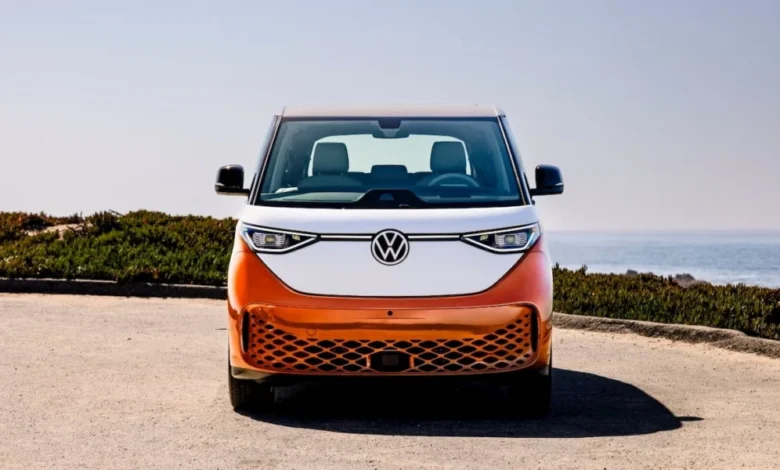
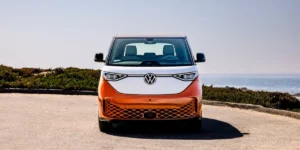
The automotive landscape is constantly shifting as legacy automakers grapple with the complexities of transitioning to electric mobility, and Volkswagen is facing yet another hurdle in its American electrification strategy. According to recent reports, Volkswagen has officially informed its United States dealership network that the highly anticipated return of the ID. Buzz electric minibus has been delayed once more. Initially expected to skip only the 2026 model year and return refreshed for 2027, the retro-inspired EV will now reportedly not rejoin the lineup until the 2028 model year. This latest postponement underscores the multifaceted challenges Volkswagen has encountered in capturing the American consumer base with its nostalgia-driven commercial and passenger vehicle.
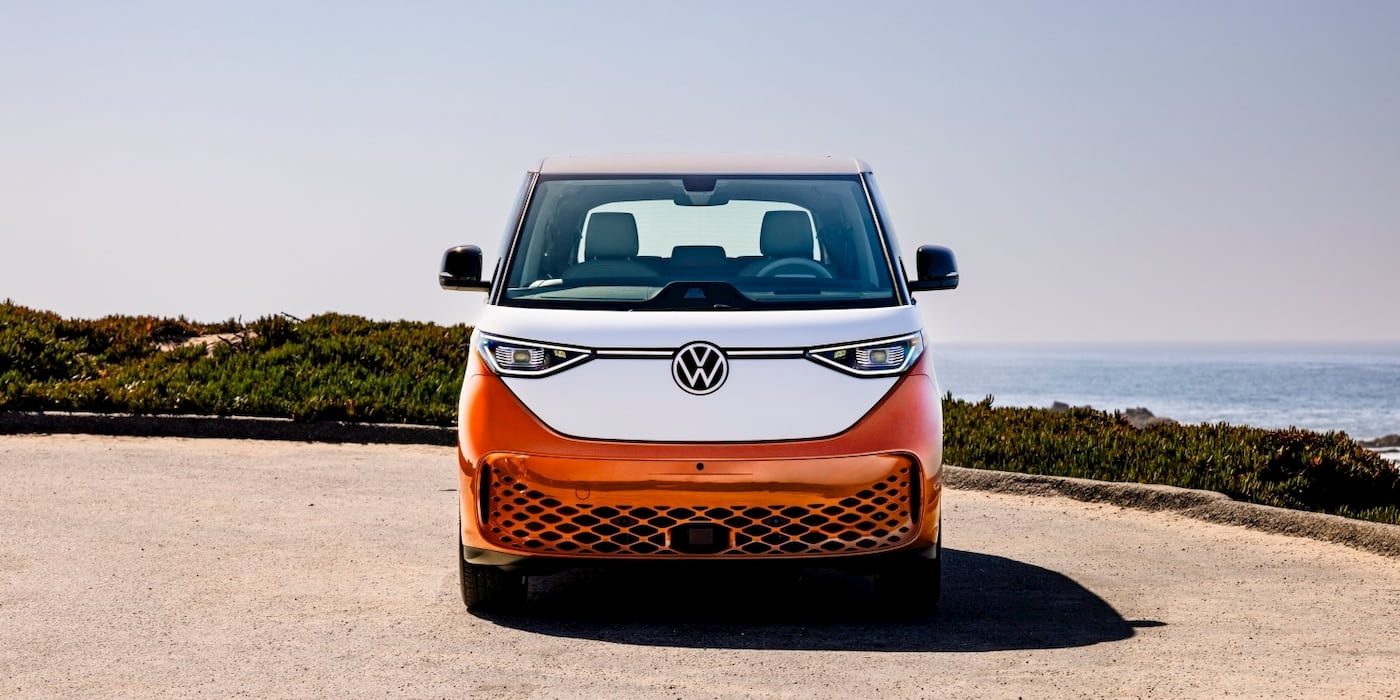
When Volkswagen first launched the ID. Buzz in the US market for the 2024 model year, it arrived amid a wave of intense media curiosity and consumer anticipation. Styled as a modern, all-electric reincarnation of the legendary Type 2 Microbus that defined counterculture generations, the vehicle relied heavily on emotional resonance. However, that initial wave of nostalgic enthusiasm quickly receded when prospective buyers confronted the realities of the vehicle’s pricing, specifications, and utility constraints in a fiercely competitive modern EV landscape.
A Marketplace Defined by Range Anxiety and Pricing Pressures
Priced at a starting point of approximately $60,000, the ID. Buzz entered a premium segment where consumers increasingly demand top-tier performance metrics and extensive driving ranges. The US-spec variant offered an EPA-estimated range of up to 234 miles on a single charge. While industry analysts note that this figure is more than adequate for daily urban commutes and routine errand-running, it proved to be a significant deterrent for families seeking a versatile vehicle for long road trips and weekend getaways.
Compounding the range limitation was the rapid maturation of competing three-row electric SUVs. Vehicles such as the Kia EV9 and the Hyundai IONIQ 9 entered the market offering superior driving ranges exceeding 300 miles, alongside aggressive pricing structures and expansive interior packaging. Consequently, American consumers shopping for large family haulers frequently gravitated toward these traditional SUV layouts rather than the distinctive silhouette of the ID. Buzz.
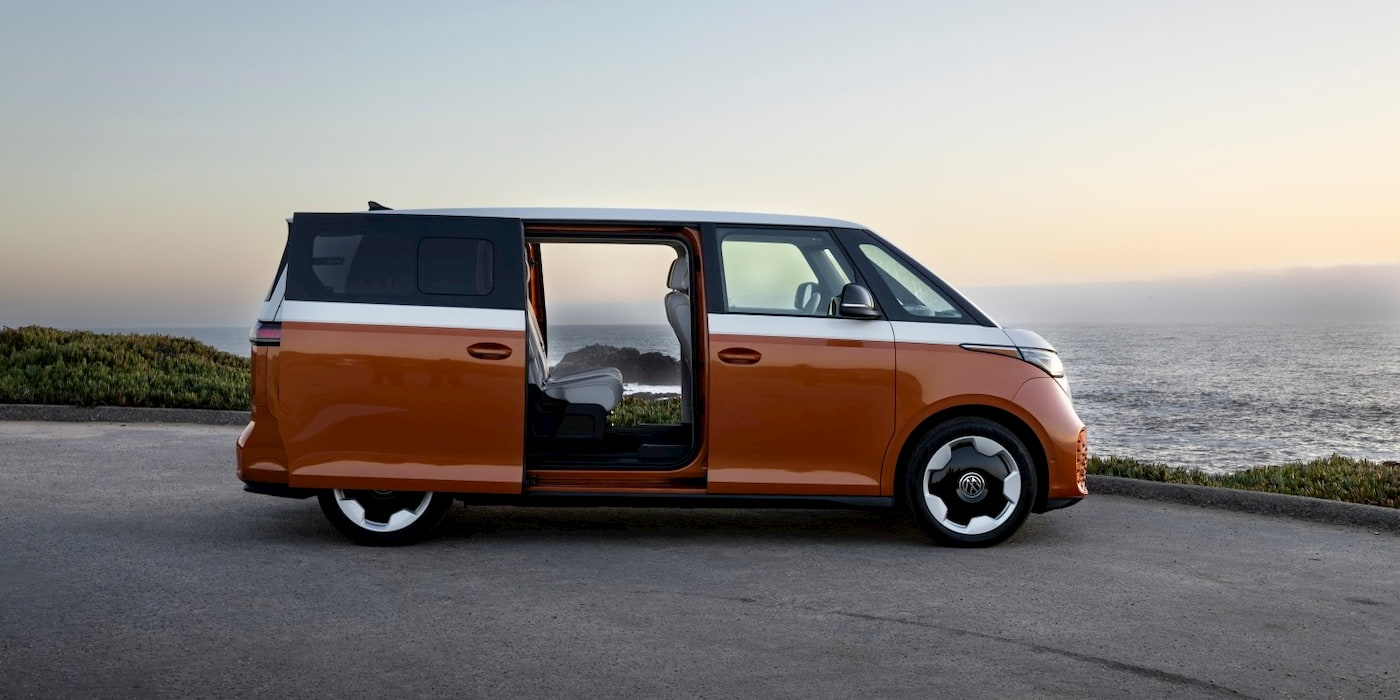
The resulting sales figures reflected this consumer preference shift. During its full operational year in the US market, Volkswagen moved a modest 6,140 units of the ID. Buzz. This sales volume fell short of ambitious internal projections, leaving dealerships nationwide grappling with an uncomfortable overflow of inventory. Market trackers, including data from platforms like Cars.com, indicate that remaining inventory for the initial model runs has dwindled significantly, with only a few dozen new models left on lots nationwide, illustrating both the cooling demand and the localized nature of remaining stock.
Chronology of the Delay: From 2026 Hiatus to 2028 Postponement
The pathway to the current delay has been marked by a series of strategic adjustments from Volkswagen’s American corporate division. The chronology of the ID. Buzz’s production and availability adjustments highlights the manufacturer’s cautious approach to managing excess inventory and reevaluating its product cadence:
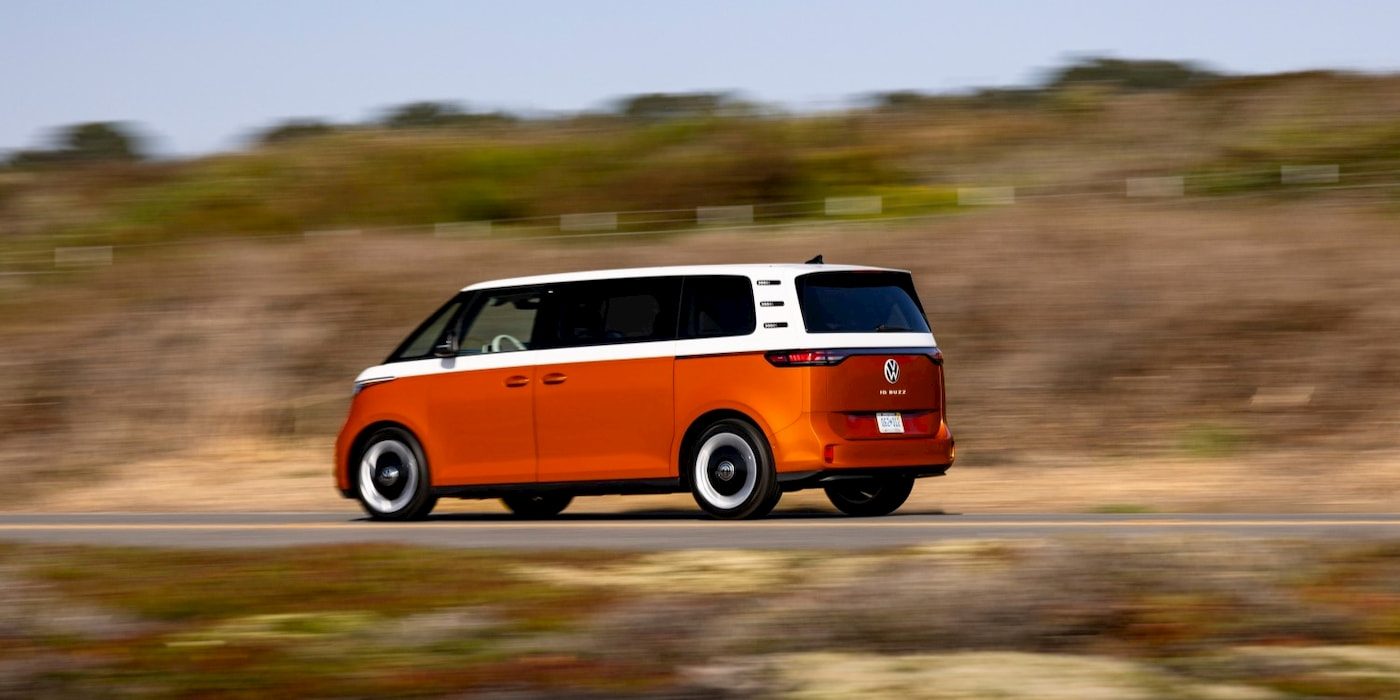
- 2024: The all-electric ID. Buzz officially goes on sale in the United States, generating high initial interest driven by nostalgia, followed by a swift cooling of sales momentum due to pricing and range limitations.
- December 2025: Volkswagen Group of America executives, including Vice President and Chief Communications Officer Jeannine Ginivan, confirm to industry media that the ID. Buzz will skip the 2026 model year in the US. Ginivan insists that the vehicle is not being canceled, citing the need to clear "sufficient inventory" of existing models before introducing new iterations.
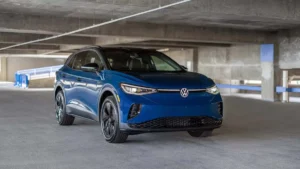
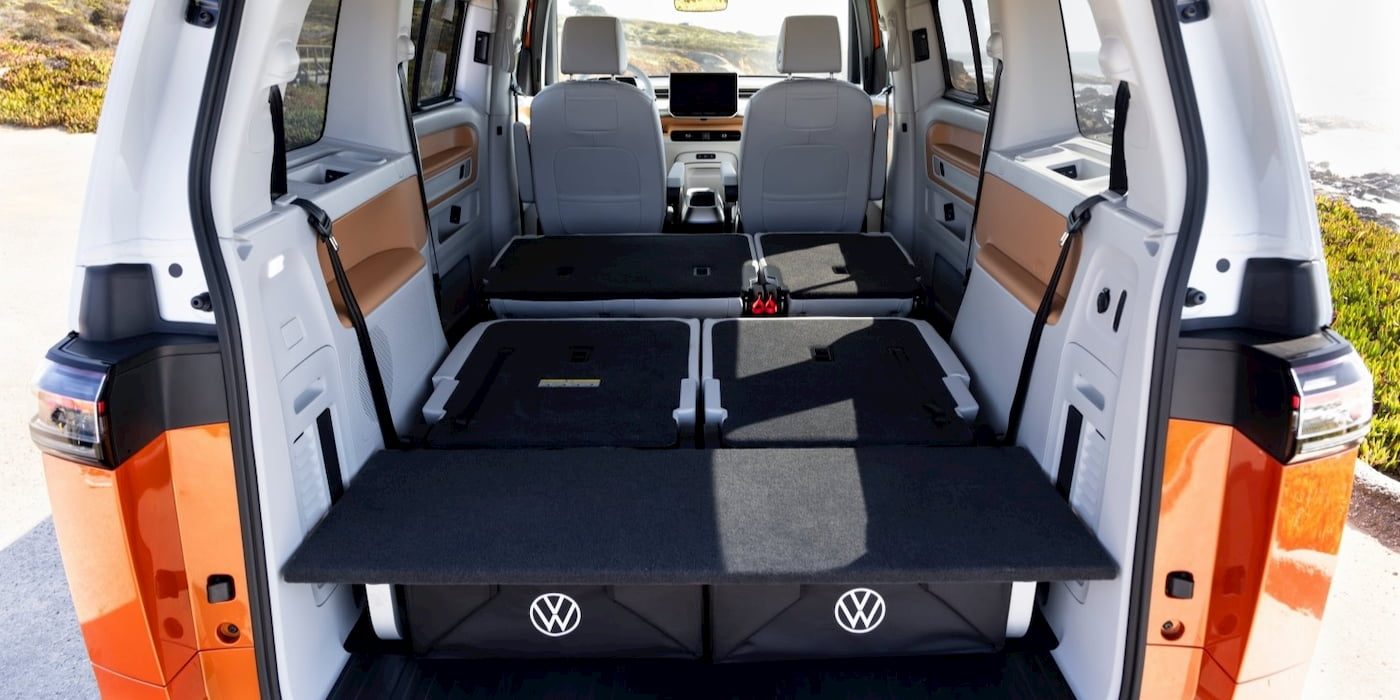
- May 2026: Volkswagen unveils updates slated for the vehicle’s eventual return, including a specialized Tourer trim designed for overnight camping stays and plans to integrate the North American Charging Standard (NACS) port, alongside news that the companion ID.4 crossover will also take a temporary production hiatus for the 2027 model year.
- September 24, 2026: Volkswagen issues a formal communication to its US dealership network, officially adjusting the timeline and pushing the expected return of the ID. Buzz back further to the 2028 model year, effectively bypassing both the 2026 and 2027 model cycles for the American market.
Corporate Statements and Strategic Realignment
Throughout these rolling adjustments, Volkswagen leadership has maintained that the electric microbus remains a core element of the brand’s emotional identity in North America. When the initial 2026 model year bypass was announced in late 2025, corporate communications emphasized that the temporary pause was a deliberate inventory-management strategy rather than a permanent retreat.
"Volkswagen is not canceling the ID. Buzz for the US market," Ginivan stated at the time, pointing out that existing dealer networks were adequately supplied to meet current demand without flooding the market with excess factory output.
However, the decision to extend the hiatus through the 2027 model year—as revealed to dealers in late September 2026—suggests that the supply correction is taking longer than initially anticipated. Furthermore, the ID. Buzz is not the only vehicle experiencing production and model-year restructuring within Volkswagen’s American portfolio. The company’s mass-market electric crossover, the ID.4, is similarly slated to bypass the 2027 model year, signaling a broader, enterprise-wide recalibration of EV offerings as Volkswagen reviews manufacturing efficiencies, software updates, and shifting regulatory frameworks.
Broader Industry Implications and Future Outlook
The setbacks faced by the ID. Buzz in the United States offer a broader lesson regarding the limits of nostalgia in the electric vehicle era. While retro styling can successfully generate showroom traffic and initial brand awareness, long-term commercial viability in the North American market ultimately hinges on fundamental utilitarian metrics: cost competitiveness, charging ecosystem compatibility, and raw battery range.

As legacy automakers navigate slowing adoption curves and intense price competition—particularly from domestic market leaders and aggressive Asian manufacturers—flexibility in production scheduling has become a vital tool. By pausing the rollout of lower-demand variants and clearing out surplus inventory, Volkswagen is attempting to protect dealership profitability and stabilize residual values for existing owners.
For enthusiasts and prospective buyers who have been waiting for the modern electric microbus to secure a firm foothold in the American automotive ecosystem, the wait has grown considerably longer. Whether the eventual arrival of the 2028 model year will incorporate the battery enhancements, structural updates, and pricing adjustments necessary to win over mainstream family buyers remains to be seen. In the interim, Volkswagen faces the challenge of maintaining brand enthusiasm for an iconic vehicle whose modern comeback is proving to be a marathon rather than a sprint.