The Best Laptops Under $1,000 for 2025: A Comprehensive Guide to Performance and Value

For decades, the prevailing sentiment in the personal computing industry was that high-performance hardware was synonymous with high-end pricing. Consumers were often forced to choose between the premium experience of a flagship machine and the budgetary constraints of entry-level devices. However, as of mid-2025, the market landscape has shifted significantly. Technological advancements, particularly in the integration of AI-powered processors and more efficient manufacturing processes, have democratized performance, allowing users to secure robust, durable, and highly capable machines for under $1,000.
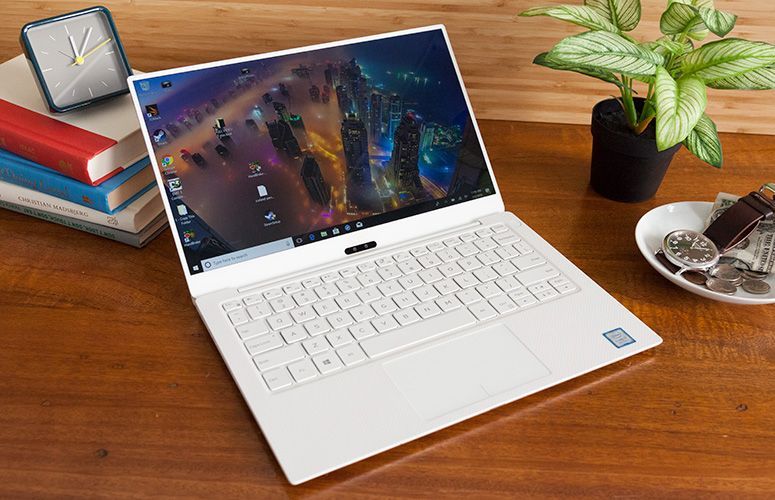
The current market for sub-$1,000 laptops is not merely a collection of compromise-heavy budget devices. Rather, it has become a competitive segment where manufacturers—including Apple, Acer, Samsung, and Lenovo—are stripping away unnecessary frills to focus on core performance metrics: processing speed, battery longevity, and display quality.
The Evolution of the Budget Laptop Market
The shift toward high-performance budget hardware is largely driven by the democratization of advanced silicon. The introduction of Apple’s M-series chips and the widespread adoption of Intel’s Core Ultra processors have allowed even entry-level configurations to handle complex multitasking, high-definition video editing, and intensive productivity workflows.

Historically, laptops under $1,000 were characterized by plastic chassis, subpar TN-panel displays, and processors that struggled with modern web browser demands. Today, the standard has evolved. Users now expect aluminum-alloy builds, color-accurate displays, and battery life that consistently exceeds the eight-hour workday threshold. This shift is also a response to the "hybrid work" reality, where professionals and students alike require devices that are portable enough for the commute but powerful enough for a virtual meeting-heavy day.
Market Leaders and Top Selections
As of June 16, 2025, industry analysts have re-evaluated the rankings to account for the latest hardware releases. The current top-tier contenders reflect a diverse range of user needs, from the generalist to the niche specialist.
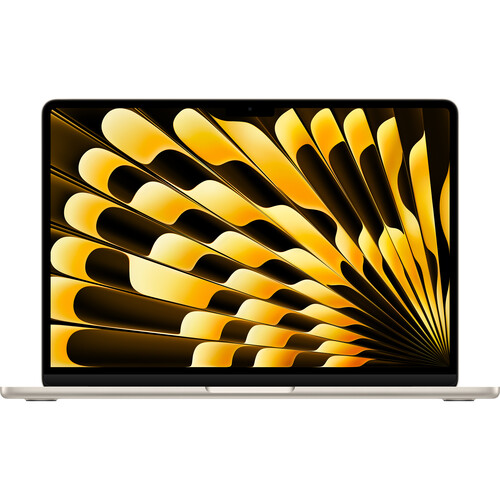
The Best Overall: Apple MacBook Air 13-inch M4
The Apple MacBook Air 13-inch M4 has reclaimed the "Best Overall" title. Priced at a starting point of $999, it represents a rare instance where Apple has lowered the entry price of its most popular laptop while simultaneously increasing its processing capabilities. The M4 chip, with its 10-core CPU and GPU architecture, provides a Geekbench 6 score of 14,849, outperforming several workstations that cost significantly more. The device’s 15-hour battery life and high-resolution Liquid Retina display make it the benchmark against which all other sub-$1,000 laptops are measured.
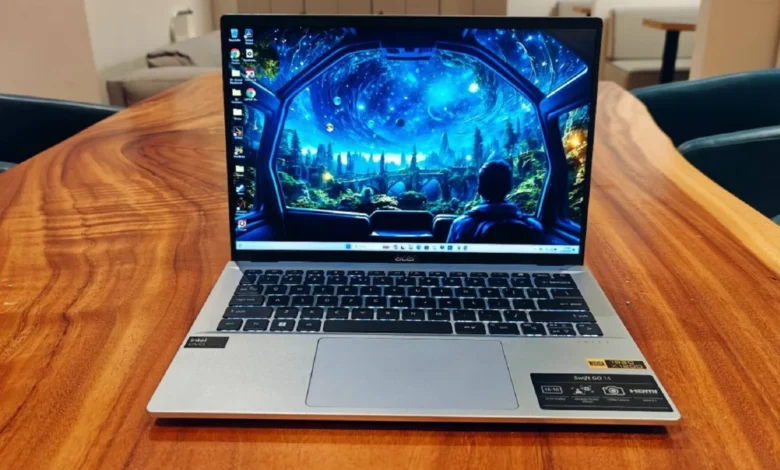
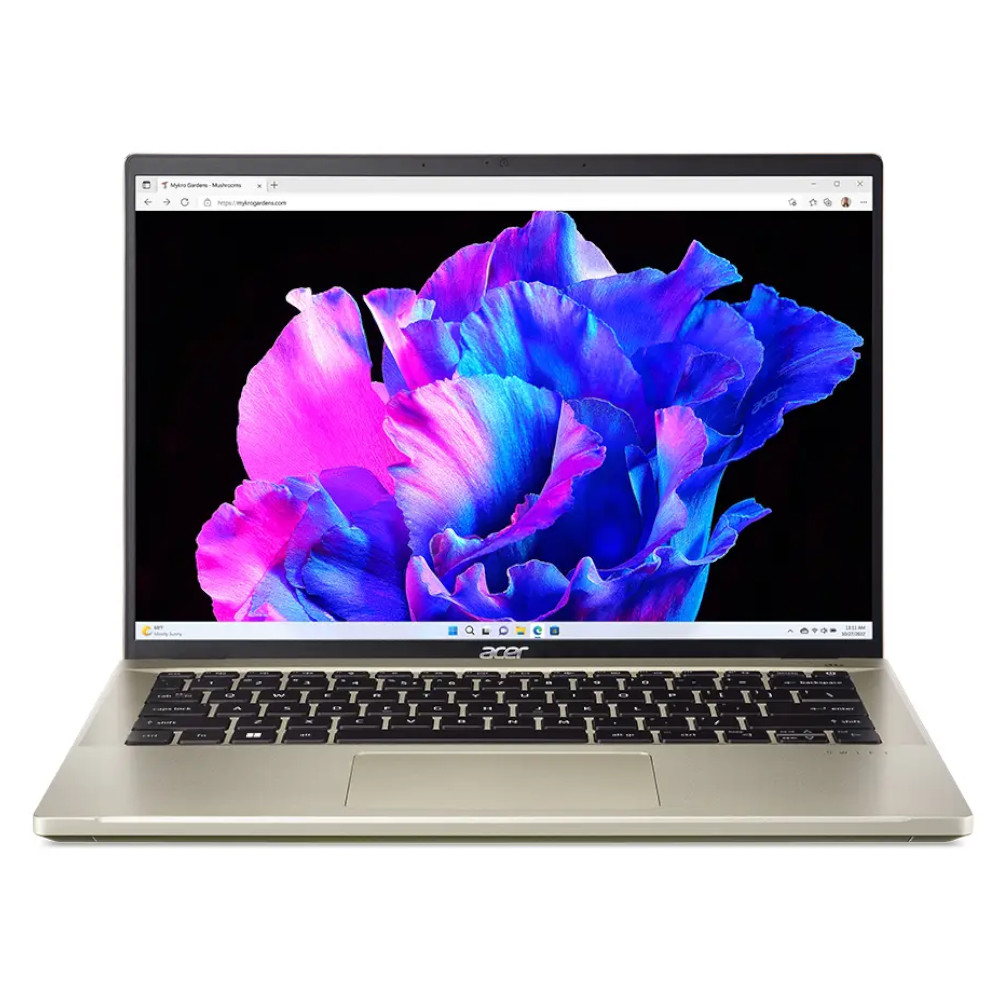
The Best Windows Alternative: Acer Swift Go 14
For users firmly within the Windows ecosystem, the Acer Swift Go 14 has moved to the top of the list. Utilizing the Intel Core Ultra 7 155H processor, the machine integrates AI-enhanced performance through an NPU (Neural Processing Unit). This has resulted in a 30% increase in multi-core performance compared to previous-generation models. It is specifically designed for professionals who require a wide array of legacy and modern ports, including HDMI 2.1 and Thunderbolt 4, without the need for additional dongles.
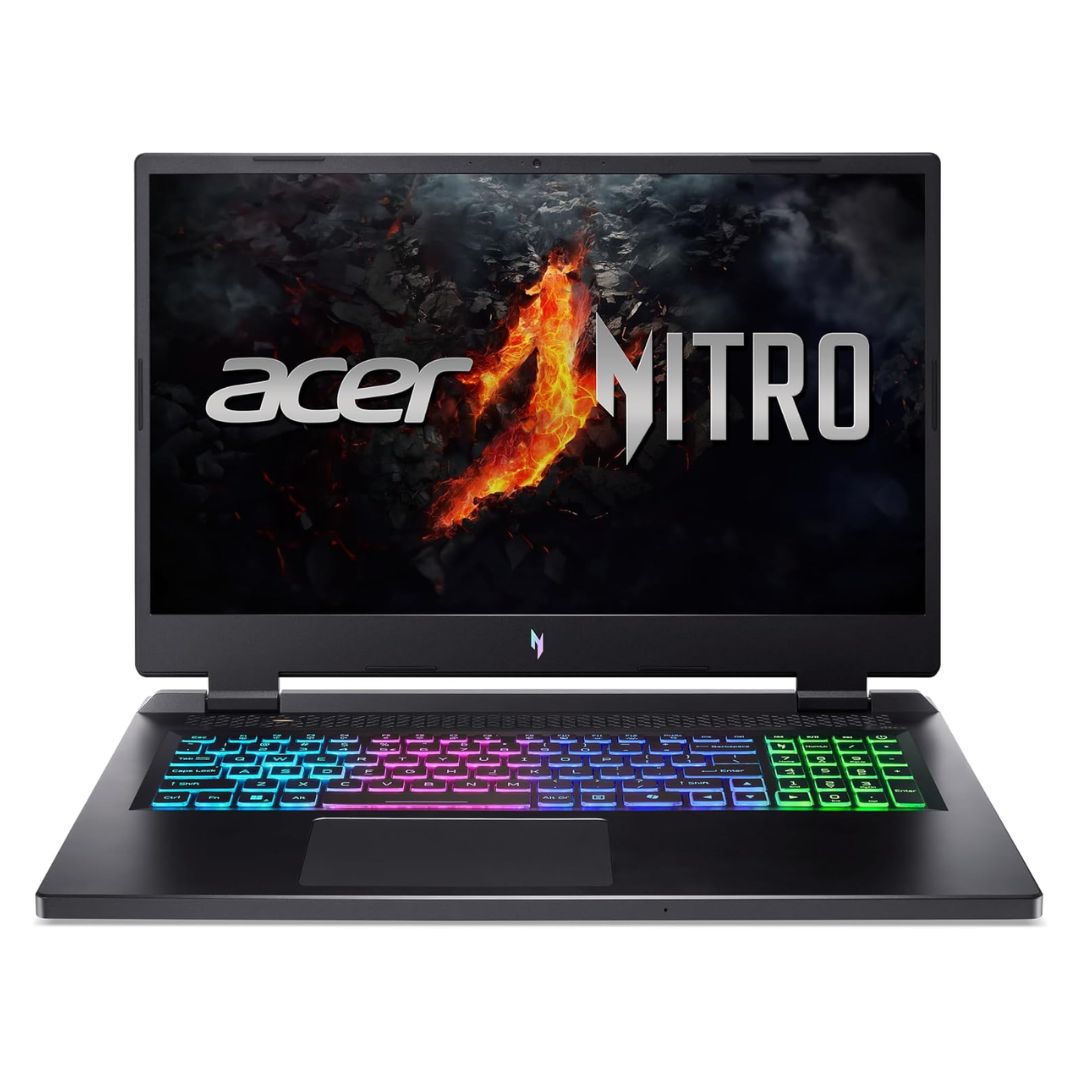
The Best Gaming Option: Acer Nitro 17
Gaming laptops have traditionally been the most expensive category, but the Acer Nitro 17 (2024 model) has challenged this perception. By pairing the AMD Ryzen 7 8845HS processor with an Nvidia GeForce RTX 4060 GPU, Acer has created a machine capable of running modern AAA titles at 1080p resolution with stable frame rates. While it compromises on portability—weighing in at 6.8 pounds—it offers a 17.3-inch, 165Hz display that provides an immersive experience unattainable in other budget-tier devices.
The Best Chromebook: Samsung Galaxy Chromebook Plus
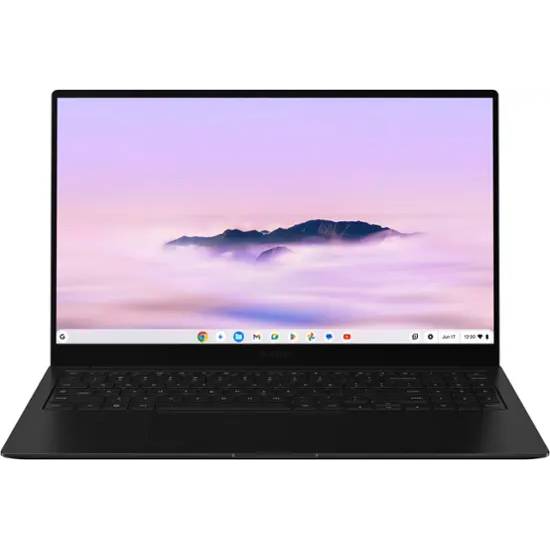
The perception of Chromebooks as "web-only" devices has been challenged by the Samsung Galaxy Chromebook Plus. Featuring a 15.6-inch AMOLED display—a rarity in this price bracket—the device is aimed at media consumers and students. With a battery life of over 11 hours and a weight of just 2.5 pounds, it balances the thin-and-light aesthetic with the performance necessary to handle heavy ChromeOS tab-hoarding and multimedia playback.
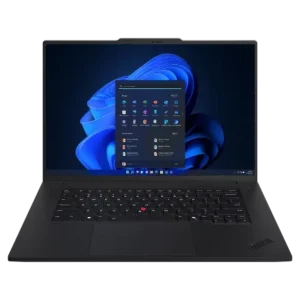
The Best Business Machine: Lenovo ThinkPad E14 Gen 5
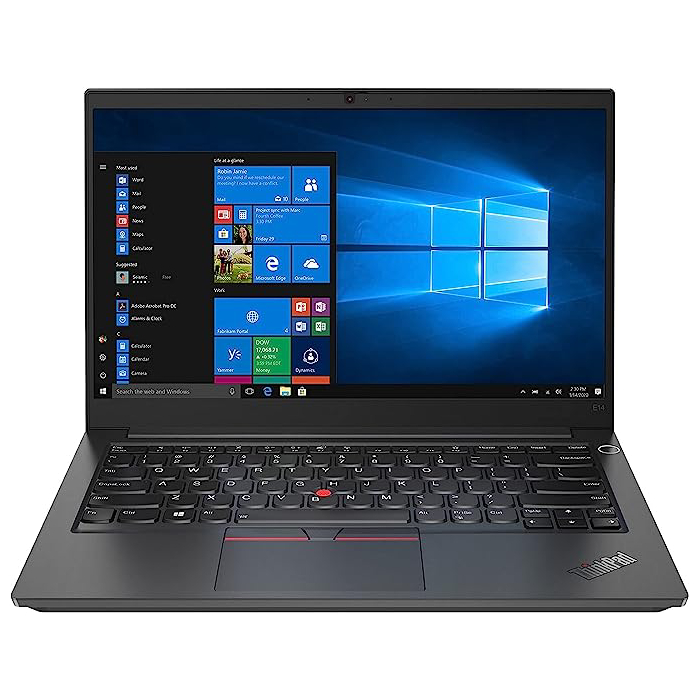
The Lenovo ThinkPad E14 Gen 5 remains the gold standard for enterprise-grade durability. With its MIL-STD 810H certification, it is designed to withstand the physical rigors of business travel. Despite its focus on durability, it does not sacrifice performance, utilizing an Intel Core i7-1355U that is optimized for productivity suites and secure communication tools.
Data-Driven Performance Analysis
To understand why these devices are considered "top tier," one must look at the laboratory metrics used to evaluate them. Performance is no longer measured solely by raw clock speed. Modern testing protocols, such as those employed by Laptop Mag, focus on the following:
- Geekbench 6 Multi-Core Scores: These tests measure the processor’s ability to handle simultaneous tasks. The shift toward 10,000+ scores in the under-$1,000 category indicates that budget laptops are now capable of professional-grade multitasking.
- Color Gamut Coverage (DCI-P3): This metric assesses how accurately a screen reproduces color. The transition from 60% coverage to 80% and higher in budget laptops represents a massive leap in display quality for creative work.
- Battery Life (Web Surfing): The transition from 6-hour endurance to 10-15 hour endurance is the single most important factor for modern mobile computing.
Implications of the Current Market
The availability of high-performance hardware at lower price points has broad implications for the tech industry and the consumer. First, it reduces the "technology gap" between socio-economic classes. As education and employment become increasingly reliant on high-speed computing, the affordability of these devices ensures that students and remote workers are not hindered by slow, unreliable hardware.
Second, the rise of "AI-ready" hardware in the budget sector—such as the NPU integration in the Acer Swift Go—suggests that manufacturers are preparing for an operating system environment that will lean more heavily on local AI processing. This future-proofing means that a sub-$1,000 purchase today is likely to remain relevant for a longer lifecycle than a similar purchase made five years ago.
Navigating the Purchase Process
When selecting a laptop within this price range, experts suggest a methodical approach. Buyers should prioritize the following criteria:
- Processor Architecture: Seek out current-generation silicon. For Windows, look for Intel Core Ultra or AMD Ryzen 5000/7000 series. For Apple, the M4 is the current standard.
- Memory (RAM): 16GB of RAM is now the recommended minimum for a Windows machine to ensure longevity. 8GB is sufficient for Chromebooks, but less than that is generally discouraged.
- Storage: A 256GB SSD is the baseline, but 512GB is becoming more common. If the internal storage is low, verify if the laptop has an accessible M.2 slot for future expansion.
- Display Resolution: Avoid any laptop with a resolution lower than 1920 x 1080. Anything less will result in pixelated text and poor readability.
Conclusion
The stigma once associated with "budget" laptops has effectively been erased. Through the optimization of hardware and the inclusion of premium features like AMOLED displays and advanced cooling, the under-$1,000 segment has become the most vibrant and competitive space in the computer market. Whether the requirement is for a long-lasting travel companion, a reliable business tool, or an entry-point for modern gaming, the current crop of laptops proves that excellence does not necessarily require a four-digit investment. As we look toward the remainder of 2025, the focus for manufacturers will likely shift toward further battery optimization and the seamless integration of AI features, ensuring that the value proposition for the average consumer continues to improve.