The Scope of Version 5.08
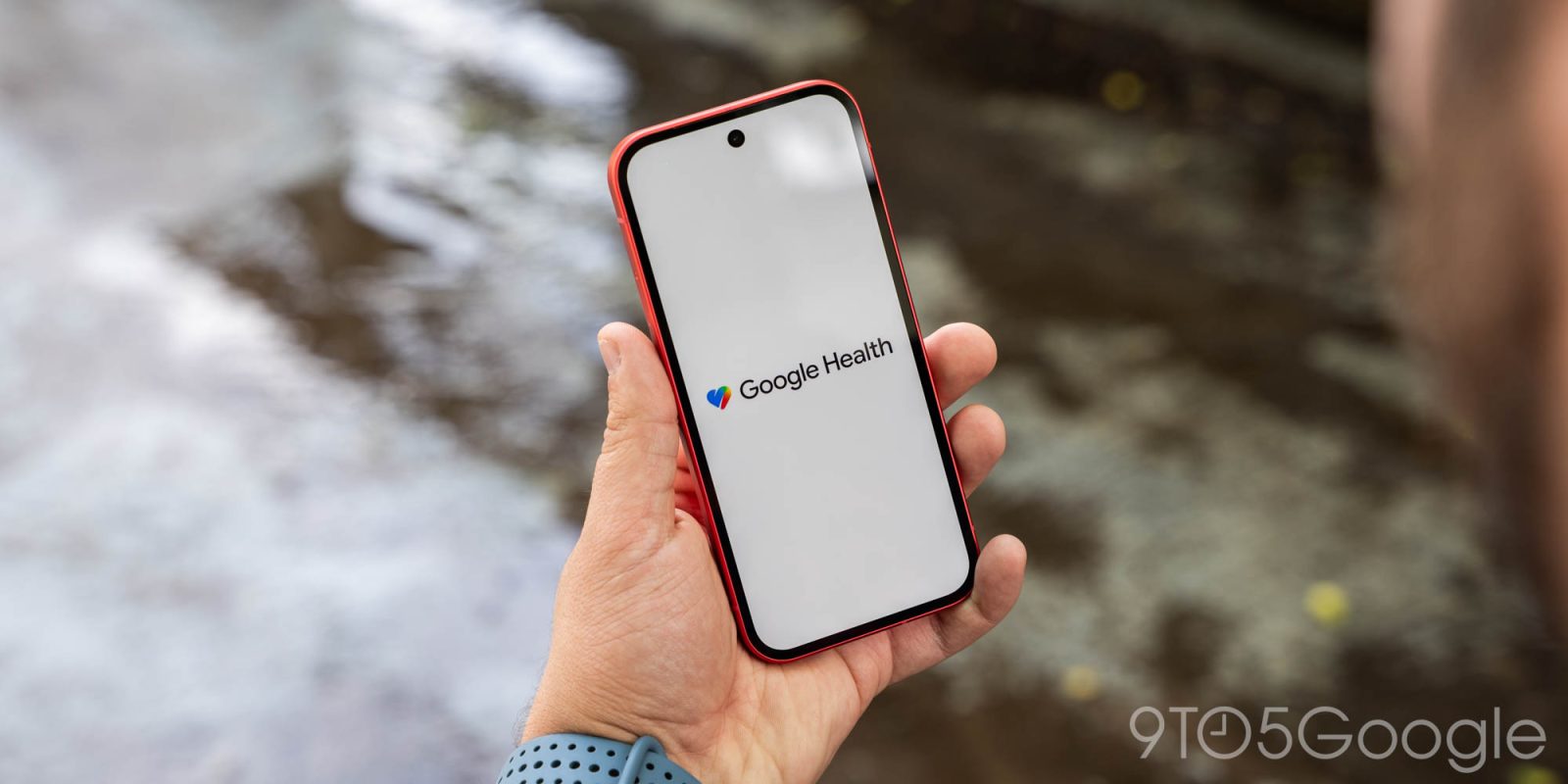
The rollout of Google Health 5.08, currently propagating across the Google Play Store for Android devices and already fully accessible on the Apple App Store for iOS, focuses primarily on backend infrastructure and account management. While users accustomed to feature-heavy updates may find this release modest, developers often prioritize such maintenance cycles to ensure that the foundational architecture—specifically identity management and synchronization protocols—remains robust as the user base expands.
The update specifically targets two primary account-related refinements. Although Google’s official support documentation remains concise, these adjustments are part of a broader initiative to unify the authentication experience across Google’s health-integrated hardware and third-party API partners. By streamlining how account credentials and permissions are handled within the app, Google aims to reduce the friction users experience when syncing data from wearables, such as the Pixel Watch line or various Fitbit-branded trackers, with the central health dashboard.
Beyond these account-specific tweaks, the update incorporates the standard suite of general stability improvements and bug fixes. In the context of complex software like Google Health, which aggregates data from disparate sensors, GPS modules, and biometric algorithms, these stability patches are critical. They address micro-stutters in UI transitions, memory leaks that could potentially impact battery performance, and synchronization errors that occasionally lead to data gaps in long-term health metrics.
Chronology: A Season of Transformation
To understand the significance of version 5.08, one must examine the timeline of the Google Health ecosystem throughout 2026. The platform’s trajectory this year has been defined by a concerted effort to integrate the legacy Fitbit infrastructure more deeply into the Google ecosystem.
- January–March 2026: Google focused on the integration of advanced sleep-tracking algorithms and stress management metrics, setting the stage for the transition toward a more unified "Google Health" branding.
- May 2026: The "Big Revamp." This period marked the most significant UI/UX overhaul in the platform’s history. Google introduced a new dashboard layout that prioritized personalized health insights over raw data points, utilizing generative AI to explain trends in activity, heart rate variability, and blood oxygen saturation.
- June–August 2026: A series of rapid-fire updates addressed initial user feedback, focusing on accessibility, font scaling, and data visualization clarity. During this period, Google also began expanding the Health Coach feature, which leverages machine learning to offer proactive wellness suggestions.
- September 2026: Version 5.08 arrives, signaling a shift from rapid feature deployment to long-term performance optimization and architectural hardening.
This progression reflects a standard software development lifecycle (SDLC) for high-traffic mobile applications: launch, iterate based on data, and stabilize. By slowing the pace of major visual changes, Google is allowing the user base to acclimate to the May design language while ensuring that the backend remains performant.
Addressing the Roadmap
In the wake of the May redesign, Google published a comprehensive roadmap outlining its development priorities. This roadmap served as a transparency initiative, acknowledging that a project of this scale would inevitably encounter "teething issues." According to official communications from the Google Health support team, the majority of the high-priority technical debt identified post-launch has been settled.
However, the roadmap also highlighted that the work is not yet complete. The primary focus for the remainder of the year is the evolution of the "Health Coach" feature. The Health Coach is envisioned as an intelligent, context-aware companion that analyzes longitudinal data—such as activity trends over months or years—to provide actionable advice. Users have expressed a desire for this coach to be more proactive in its notifications, moving away from simple activity reminders toward more sophisticated guidance regarding recovery and holistic wellness.
By addressing the "outstanding items" mentioned in the current roadmap, Google is positioning the app to compete not just as a tracker, but as a preventative health tool. This involves integrating more clinical-grade data points while maintaining the user-friendly interface that has historically been the hallmark of the Fitbit-derived software.
Data-Driven Wellness: The Competitive Landscape
The digital health market remains hyper-competitive, with companies like Apple, Samsung, and Garmin all vying for the same demographic. Google’s advantage lies in its ability to synthesize data across its massive ecosystem. While competitors may offer superior hardware-specific metrics, Google Health’s strength is in the aggregation of diverse data streams—including search history, calendar events (to schedule workouts), and biometric data—to create a "360-degree" view of the user.
Supporting data from industry analysts suggests that user retention in the health-tech sector is highly correlated with the "friction-to-insight" ratio. The fewer taps a user requires to see a trend, and the more relevant that trend is, the higher the likelihood of sustained usage. Version 5.08’s focus on stability and account management is a direct response to the need for lower friction. If a user cannot log in or if their data fails to sync, the insight becomes irrelevant.
Broader Implications and Strategic Direction
The move toward version 5.08 signifies that the core Google Health platform is nearing a state of maturity. For the average user, this means fewer jarring changes to the interface and a more reliable experience. For developers and third-party health partners, the stability of the API is paramount. Google has been steadily opening its health APIs to researchers and clinical partners, and the recent stabilization efforts are essential to maintain the integrity of the data being shared across these platforms.

The implications for the Health Coach are particularly significant. As the platform becomes more stable, Google can divert resources from bug fixing to enhancing the AI models that drive wellness recommendations. This evolution toward "ambient intelligence"—where the app provides insights without needing constant user intervention—is likely the next major frontier for Google.
Furthermore, the integration of account management updates suggests that Google is preparing for a future where the health app might serve as a gateway to broader services, such as integration with health insurance providers or telehealth consultations. By standardizing account behavior now, Google is ensuring that it has the necessary security and authentication hooks in place to handle sensitive health information in a compliant and reliable manner.
Looking Ahead
While version 5.08 may be described as the "smallest update since May," it is a vital component of the platform’s long-term strategy. The transition from the chaotic, feature-heavy launch phase to a disciplined, maintenance-oriented cadence indicates a mature product.
For users, the current update ensures that the platform remains a reliable repository for personal health data. For Google, it provides the breathing room necessary to focus on the next phase of innovation—specifically, the refinement of the Health Coach and the potential expansion into more advanced, AI-driven preventative health features.
As the rollout continues, users on Android devices who have not yet received the notification should expect the update to appear in the coming days via the Play Store. iOS users are already on the current version, benefiting from the latest performance optimizations. As we move into the final quarter of 2026, the focus will undoubtedly shift toward the next major feature drop, but for now, the stability provided by version 5.08 stands as a necessary and welcome evolution of the Google Health experience.
In summary, the update serves as a reminder that in the world of modern health technology, consistency and reliability are just as important as the introduction of new, headline-grabbing features. By doubling down on performance and refining the user’s account experience, Google is building a foundation that will likely support its health-tech ambitions for years to come.
Related posts: