Nintendo Faces Public Scrutiny Over Tariff-Related Refunds and New Customer Appreciation Sale


Nintendo of America is currently navigating a complex intersection of corporate finance, trade policy, and consumer relations as it faces a high-profile class-action lawsuit. The controversy centers on the company’s decision to retain government-issued tariff refunds rather than passing those savings on to consumers who paid higher prices for hardware and software during a period of increased trade levies. This legal friction has intensified following the company’s recent announcement of a "Customer Appreciation Sale," a promotional event that Nintendo claims was made possible by those very same tax rebates.
The Origin of the Trade Dispute
The current friction traces back to the shifting landscape of international trade policy. When the United States government implemented new tariffs on imported goods, the cost of manufacturing and importing electronics—including the Nintendo Switch and its various peripherals—rose significantly. In response to these "market conditions," Nintendo of America adjusted its retail pricing structure, effectively passing the burden of these additional costs onto the end consumer.
For many months, customers across the United States purchased Nintendo consoles, Joy-Con controllers, and first-party software titles at these elevated prices. At the time, Nintendo maintained that these adjustments were a necessary business maneuver to offset the impact of the tariffs. However, the situation changed when the federal government issued refunds on these tariffs to the companies that had initially paid them. While the tax burden on Nintendo was relieved, the retail prices paid by consumers remained unchanged, leading to a disconnect that sparked significant public and legal outcry.
Chronology of the Tariff and Pricing Saga
To understand the gravity of the current situation, it is necessary to examine the timeline of these events:
- Early Implementation: The U.S. government introduces tariffs on imported electronic components and finished goods from international manufacturers.
- Price Adjustment: Nintendo of America publicly announces price increases for its hardware and accessories, citing the need to navigate the challenging economic environment caused by these tariffs.
- The Refund Period: As trade policies shift, the government authorizes refunds on previously collected tariffs to qualifying corporations. Nintendo of America receives significant sums as part of these rebates.
- The Lawsuit: A class-action lawsuit is filed against Nintendo of America, alleging that the company failed to provide restitution to consumers who paid inflated prices during the tariff period.
- The Promotion: September 2026 sees the announcement of the "Customer Appreciation Sale," with official company communications explicitly stating that the tariff-related refunds helped facilitate the promotion.
Legal Defense and Industry Alignment
Nintendo’s defense against the ongoing class-action litigation rests on the principle of contractual finality. In formal filings, the company has argued that it has no legal obligation to retroactively distribute tariff refunds to its customer base. The core of their argument is that when consumers purchased Nintendo products at the increased price, they did so with full knowledge of the cost and received the goods they "bargained and paid for." From a legal standpoint, Nintendo contends that once a transaction is completed, the seller is not required to revisit the pricing structure based on subsequent changes in tax or tariff obligations.
Nintendo is not acting alone in this stance. In a display of industry solidarity, other major players in the gaming sector—including Sony and Microsoft—have entered the fray. These companies have filed briefs and arguments supporting the view that corporations are not obligated to pass on the benefits of tax or tariff adjustments to consumers. This collective defense suggests that the outcome of this case could set a significant precedent for how multinational corporations handle the volatility of trade costs in the future.
The Customer Appreciation Sale Controversy
The announcement of the "Customer Appreciation Sale," which runs from September 13 to September 26, 2026, has been met with mixed reactions. While the sale offers genuine discounts on popular titles and hardware on the Nintendo eShop and at participating retailers, the framing of the event has drawn sharp criticism.
By explicitly stating that "the refunds helped make promotions like this one possible," Nintendo invited a direct comparison between the money it retained and the value it is now offering back to the community. Industry analysts and observers have noted that this messaging is being perceived as tone-deaf. For many, the sale does not compensate for the price hikes they endured, and the explicit connection between the government refund and the sale feels, to many, like a public relations misstep.
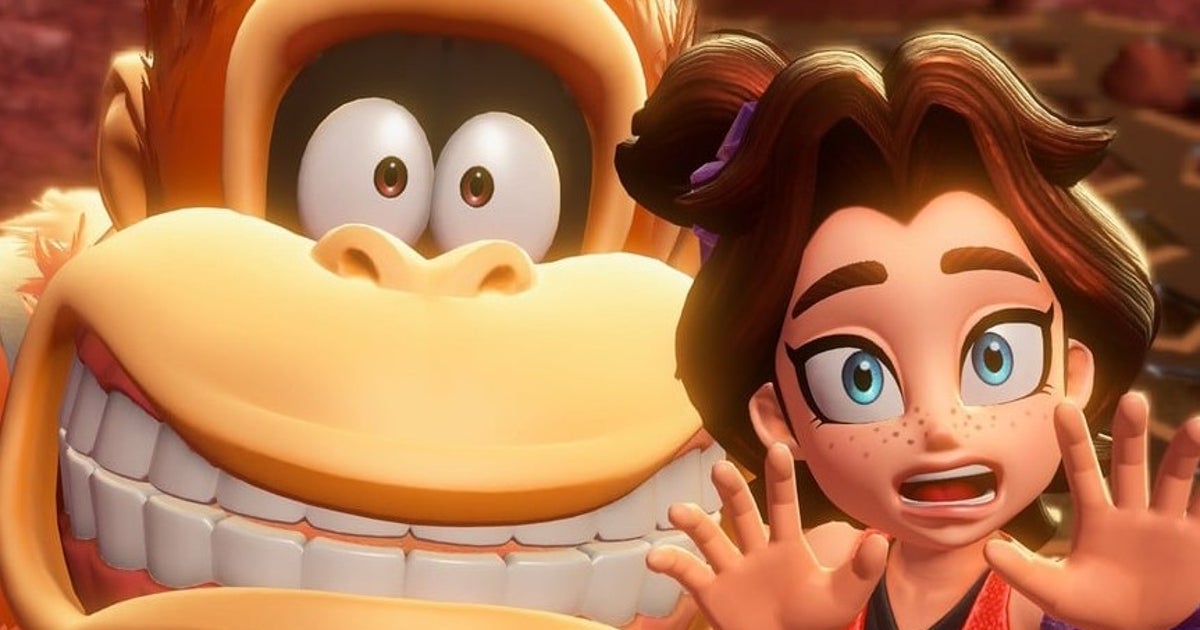
Industry experts, including market analyst Mat Piscatella, have publicly questioned the logic of this marketing strategy. The consensus among critics is that if the company had the capacity to offer discounts, it could have potentially opted for a permanent price reduction or a more direct form of consumer compensation. Instead, the current approach serves as both a discount event and a reminder of the disputed tariff funds.
Fact-Based Analysis of Economic Implications
From an economic perspective, the strategy employed by Nintendo highlights the tension between shareholder value and consumer sentiment. When a company is hit with a cost-increase like a tariff, it faces three choices: absorb the cost, raise prices, or find efficiencies. Nintendo chose to raise prices. When that cost was removed via a refund, the company effectively experienced a "windfall."
Choosing to spend that windfall on a short-term promotional event is a calculated decision. By funneling the money into a sale, Nintendo achieves several goals: it boosts unit sales volume, clears inventory, and encourages engagement with the eShop ecosystem. However, it also alienates a segment of the customer base that feels the funds should have been used to offset the specific price hikes they paid earlier.
The broader implication for the gaming industry is that pricing transparency is becoming a point of contention for consumers. As digital storefronts become the primary method of purchasing games, the ability to track pricing fluctuations has become easier, making consumers more sensitive to corporate pricing strategies. If companies continue to link promotions to government rebates, they may find themselves under increasing scrutiny regarding their ethical obligations to the consumer base that keeps their business afloat.
Public and Social Media Sentiment
The reaction on social media platforms has been largely critical. Users have expressed frustration that a "Customer Appreciation" event is being used as a vehicle to address, or perhaps distract from, a legal dispute. Many have pointed out the irony of being asked to spend more money at a time when they feel they were unfairly charged extra.
Despite the criticism, there is a counter-narrative. Some consumers argue that a discount is a discount, regardless of the source of the funding. In a market where high-quality titles and consoles remain expensive, any opportunity to save money is viewed as a positive development. This split in public opinion underscores the complexity of modern consumer loyalty; while the brand retains a strong following, the perception of corporate greed can erode trust even when tangible benefits, like a sale, are offered.
Moving Forward
As the class-action lawsuit proceeds, Nintendo of America remains in a precarious position. The company is effectively attempting to balance its legal defense—which maintains that it acted within its rights—with its need to maintain a positive public image. The "Customer Appreciation Sale" was likely intended to serve as a bridge between these two goals, offering a gesture of goodwill to the community.
However, the backlash suggests that the strategy may have backfired. The explicit mention of the tariff refunds has only served to refocus public attention on the very issue the company would likely prefer to move past. Moving forward, the industry will be watching closely to see how the court rules on the obligation of companies to pass on government-issued refunds. If the courts rule against the current industry consensus, it could force a massive shift in how retailers handle the financial burden of future trade disputes.
For now, the sale continues, and the lawsuit remains in the hands of the legal system. Nintendo’s challenge will be to navigate the remainder of this dispute without further alienating the very fans who have made the Switch one of the most successful consoles in history. Whether this promotion will be remembered as a generous gesture or a missed opportunity to build trust remains to be seen. In the highly competitive world of video games, where brand loyalty is a critical asset, the long-term cost of this controversy may far outweigh the short-term gains of the promotional period.
Related posts: