Tesla Model S and Model X owners with Hardware 3 are finally poised to receive the long-awaited Full Self-Driving v14 Lite update

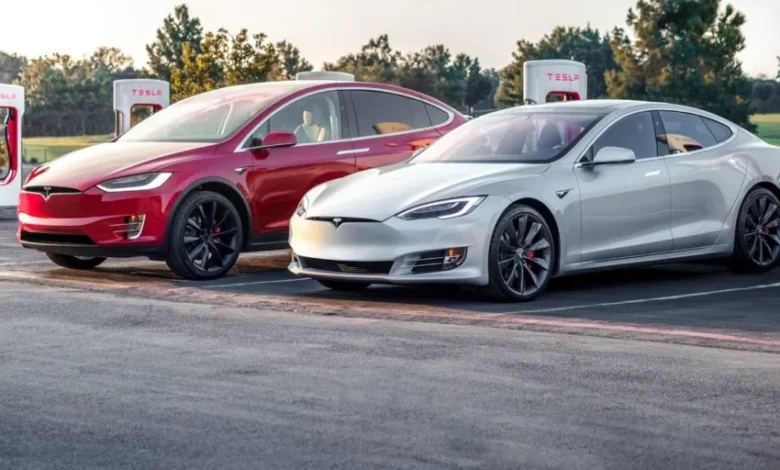
The wait for Tesla’s flagship legacy models to join the ranks of the company’s latest Full Self-Driving (FSD) software rollout is nearing an end. Ashok Elluswamy, Tesla’s Head of AI, recently signaled that the deployment of FSD v14 Lite to older Hardware 3 (HW3) iterations of the Model S and Model X is imminent. For thousands of owners who have felt sidelined as newer Model 3 and Model Y vehicles received the update earlier this summer, this development represents a significant step toward feature parity within the Tesla ecosystem.
The Context of the HW3 Constraint
To understand why this update has been so highly anticipated, one must first look at the hardware architecture powering these vehicles. Tesla’s Hardware 3, often referred to internally as the "AI3" computer, served as the backbone for the company’s autonomous driving ambitions for years. However, as Tesla pivoted to its more robust Hardware 4 (HW4) suite, the computational limitations of the older chips became apparent.
FSD v14 Lite is essentially a feat of software engineering designed to bridge this divide. Because the full AI 4 model requires significant memory and bandwidth resources that exceed the capacity of the HW3 chip, Tesla engineers developed a process known as "distillation." Through this method, the complex driving behaviors and reinforcement learning models developed on the newer hardware are compressed—roughly down to 15 percent of their original size—to function within the tighter constraints of the older platform. While this allows HW3 vehicles to access advanced features, it is distinct from the unconstrained, unsupervised autonomous capabilities intended for the company’s future robotaxi fleet.
Chronology of the FSD v14 Lite Rollout
The trajectory of the v14 Lite rollout has been methodical, prioritizing newer, high-volume vehicles before moving to the company’s flagship sedan and SUV. The rollout began in late June 2026, when Model 3 and Model Y vehicles equipped with HW3 began receiving the firmware updates. By July, the rollout expanded across North America, eventually reaching international markets such as South Korea, which served as a testing ground for regulatory compliance outside of the United States.
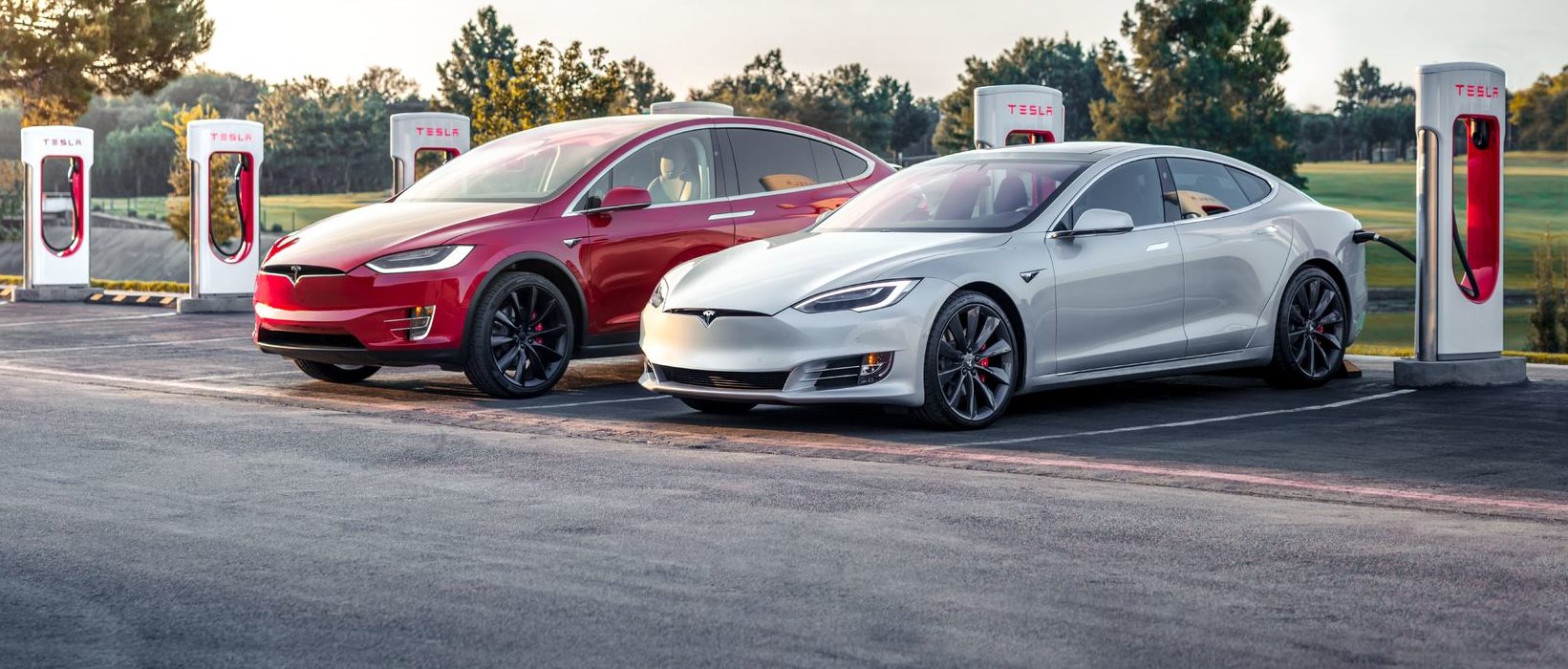
Despite this momentum, the Model S and Model X—the vehicles that historically defined Tesla’s premium image—remained excluded. This exclusion created a sense of frustration among owners who viewed their "sentimental" flagship models as deserving of the same technological updates as the company’s mass-market offerings. During the highly anticipated Cybercab launch event, the discrepancy was brought to the forefront when industry observer Ryan McCaffrey questioned Ashok Elluswamy regarding the delay. Elluswamy’s response, "Oh, I thought it was supposed to go out last week," suggested that the delay was not a matter of technical impossibility, but rather a scheduling or final validation hurdle.
Feature Set and Performance Upgrades
The inclusion of these vehicles into the v14 Lite ecosystem is not merely a symbolic victory; it brings a substantial suite of functional improvements that modernize the user experience. According to technical release notes from early firmware builds (notably 2026.20.5.1 and the subsequent 2026.20.6.10), the update introduces several key capabilities:
- Expanded Maneuverability: The software adds support for complex parking, unparking, and reversing scenarios, providing a level of automation that was previously limited or unavailable.
- Arrival Precision: Drivers can now designate specific arrival points, such as a precise curbside location, a driveway, or specific zones within a parking lot.
- Customizable Speed Profiles: The system now allows for persistent speed profiles that remain active during the drive, providing a more tailored experience for the driver.
- Engagement Workflow: A notable shift in the user interface allows for starting trips directly from "Park" without the traditional requirement of a brake-pedal confirmation, aligning the experience with the more streamlined interfaces found on newer HW4-equipped Teslas.
- Refined Perception: The software utilizes the distilled network to improve the vehicle’s handling of merges, forks, and pedestrian interactions. It also reportedly reduces the frequency of "phantom braking" events—a common pain point for early FSD adopters—and provides smoother lane-centering logic.
Technical Analysis: The Limits of Distillation
It is important to manage expectations regarding what v14 Lite entails. Tesla has been transparent that even with the latest updates, HW3 vehicles are physically incapable of supporting unsupervised, Level 5 autonomous operation. The memory and bandwidth bottlenecks inherent to the HW3 computer set a hard ceiling on what the system can process in real-time.
While the "Lite" designation might sound like a reduction in quality, it is, in reality, an optimization of the company’s most advanced driving stack. The "distillation" process allows the vehicle to learn from the massive datasets generated by the wider Tesla fleet—including those equipped with HW4—and apply those lessons to the older hardware. However, the system remains a Level 2, supervised driver-assistance tool. Drivers are required to remain attentive and ready to take control at all times, a mandate that Tesla continues to emphasize through its monitoring systems.
Broader Implications and Future Outlook
The delay in bringing these features to the Model S and Model X serves as a case study in the challenges of maintaining a long-term software support cycle for legacy automotive hardware. As Tesla moves toward a future centered on the Cybercab and the integration of highly sophisticated neural networks, the burden of maintaining older fleets grows.

For the Model S and Model X, this update is likely the most significant software upgrade they will receive before the limitations of their hardware prevent further integration of newer AI stacks. For owners, this means that while their vehicles are not becoming robotaxis, they are receiving a "new lease on life" regarding their daily utility.
Looking ahead, the remaining work for Tesla appears to be model-specific validation. Unlike the rollout for the Model 3 and Y, the S and X require unique calibration due to their different dimensions, camera placements, and sensor configurations. While no official build number or release date has been set by the company, the statement from the Head of AI indicates that the software stack itself is complete. The current phase is likely limited to ensuring that the distillation performs safely within the specific physical dynamics of the larger, heavier flagship models.
Industry Perspective
Market analysts have noted that Tesla’s ability to "back-port" modern software features to legacy hardware is a key differentiator in the automotive industry. Most traditional manufacturers struggle to provide significant over-the-air updates to older vehicles, often because the underlying architecture was not designed with software-defined principles in mind. By contrast, Tesla’s approach ensures that even a several-year-old vehicle remains competitive with current offerings.
However, the delay also underscores the tension between innovation and legacy support. As Tesla continues to push the boundaries of what its AI can achieve, the gap between the "latest and greatest" hardware and the older fleet will inevitably widen. The success of the v14 Lite rollout for the Model S and X will be a critical indicator of how well the company can manage this transition in the coming years.
For now, the thousands of owners awaiting the update can expect a significant shift in how their vehicles interpret the road. The transition from the previous v12.6 stack to v14 Lite is described by many early testers as a marked improvement in decision-making and comfort. Whether this performance translates cleanly to the flagship models remains the final question. With the go-ahead from leadership now effectively confirmed, the deployment is widely expected to commence in the coming weeks, closing a chapter of anticipation for the owners of these iconic electric vehicles.