The Telephoto Lens Trap: How Reach Can Stifle Creativity in Photography

Telephoto lenses make you a lazy photographer. This provocative statement, delivered by a seasoned professional sports photographer, challenges a common perception of these powerful lenses as essential tools for capturing distant action. While acknowledging their undeniable utility, the author argues that an over-reliance on telephoto lenses can, paradoxically, lead to a decline in creative thinking and photographic exploration. This perspective, born from years of experience, including extensive use of high-end equipment like 600mm f/4 and 200mm f/2 lenses, offers a nuanced critique of a ubiquitous photographic tool.
The Allure and Utility of Telephoto Lenses
For professional sports photographers, the ability to capture sharp, clear images of action unfolding at a distance is paramount. The author’s own career exemplifies this, with access to professional-grade telephoto lenses that delivered exceptional optical quality. These lenses are characterized by their speed (wide apertures like f/4 and f/2), precision, and the ability to isolate subjects with remarkable clarity, creating a desirable bokeh that separates the subject from its background.
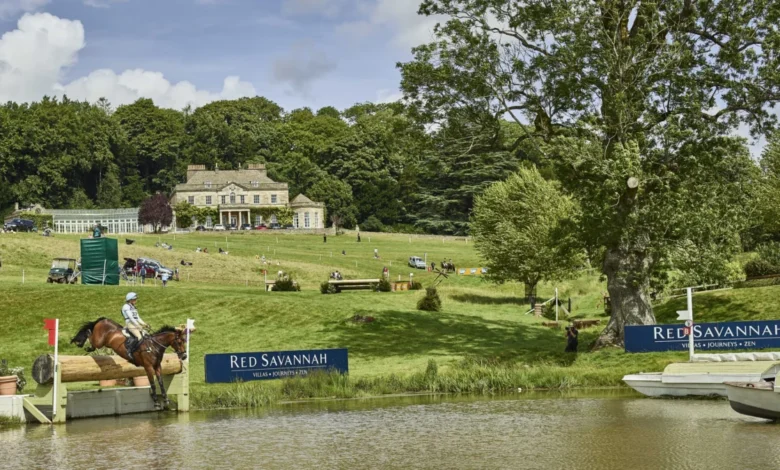
In the high-stakes environment of sports photography, where clients demand specific shots and time is of the essence, such lenses are invaluable. During equestrian events, for instance, a 600mm lens allows a photographer to remain in a single vantage point and capture a rider and horse clearing multiple fences across a large arena. This provides a significant advantage in securing compelling images, ensuring that key moments are not missed due to the physical limitations of moving around the venue. The reliability and consistency offered by these lenses are crucial for meeting professional demands, where the focus is often on the final output rather than the photographer’s effort.
The Erosion of Creative Exploration
However, the author posits that this very convenience can become a creative crutch. When a long telephoto lens can bring almost any part of the action within reach, the incentive to move and explore different perspectives diminishes. Instead of actively seeking out unique angles, scouting for cleaner backgrounds, or considering how the changing light might enhance a composition, photographers may fall into a pattern of staying put. The lens effectively solves the problem of distance, but in doing so, it can inadvertently remove the very challenges that foster creative problem-solving.
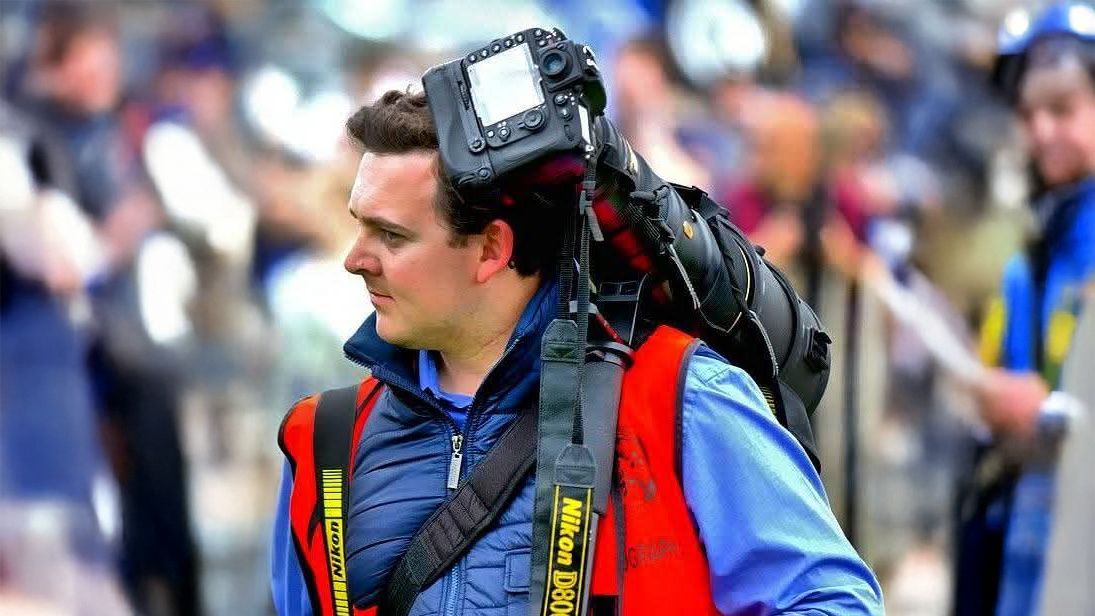
The author contrasts this with earlier stages of his career, when working with shorter lenses like a 70-200mm f/2.8 or a standard 50mm f/1.8. These lenses necessitated a more active approach. Photographers were compelled to anticipate the flow of action, strategically position themselves, and actively search for the most visually impactful framing. This physical engagement with the environment, driven by the limitations of the equipment, led to a more profound engagement with the scene, forcing a deeper level of observation and a more holistic appreciation of the photographic potential.
Rethinking Composition and Context
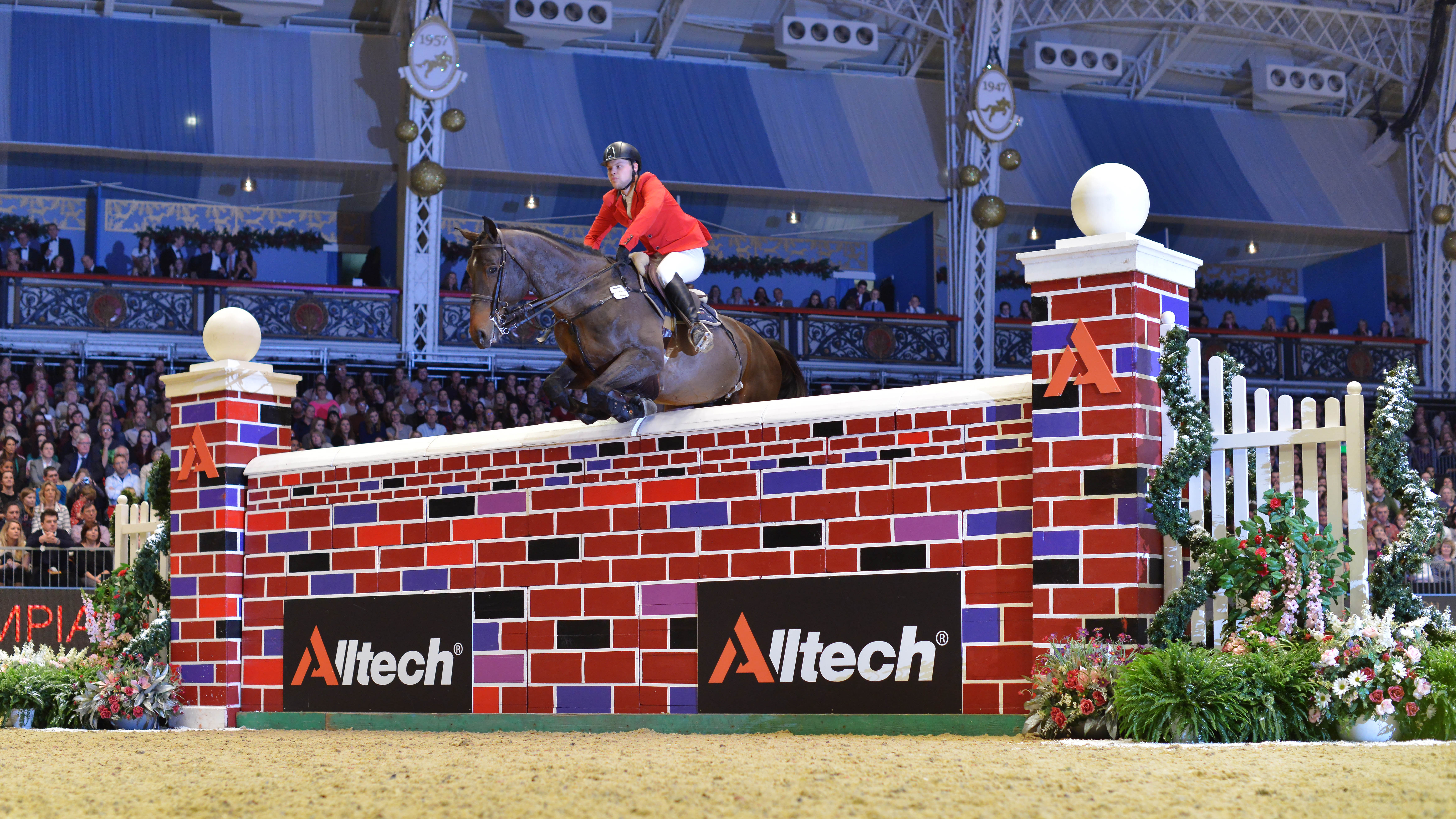
With shorter focal lengths, the emphasis shifts from merely capturing the subject to incorporating the broader context. The author describes seeking opportunities to include elements of the surrounding atmosphere, framing a rider amidst the crowd, or juxtaposing the horse and rider against the architectural backdrop of a venue. The use of foreground elements to add depth and dimension to an image becomes a conscious compositional choice, moving beyond a simple tight crop of the action.
The core argument is that telephoto lenses can foster a misconception that getting closer digitally is equivalent to achieving a better photograph. While a technically perfect, tightly framed image of an athlete clearing a hurdle might be achieved, technical flawlessness does not automatically equate to compelling storytelling. In situations where numerous photographers are positioned similarly, armed with similar long lenses, the resulting images often become variations on a theme, lacking the distinctiveness that sets exceptional photography apart.
The photographs that truly resonate, the author contends, are frequently those produced by photographers who were willing to venture beyond the comfortable, to experiment, and to embrace the risk of missing a "safe" shot in pursuit of something more profound and unique. This involves a willingness to move, to explore, and to push the boundaries of conventional framing.
A Nuanced Perspective, Not an Outright Rejection
It is crucial to understand that this is not an indictment of telephoto lenses themselves. The author expresses a deep appreciation for the professional tools he has used, acknowledging their indispensable role in specific scenarios. The 600mm f/4 and 200mm f/2 lenses are described as extraordinary, capable of delivering critical photographs under demanding professional conditions. There are indeed situations where their reach and capabilities are unmatched.
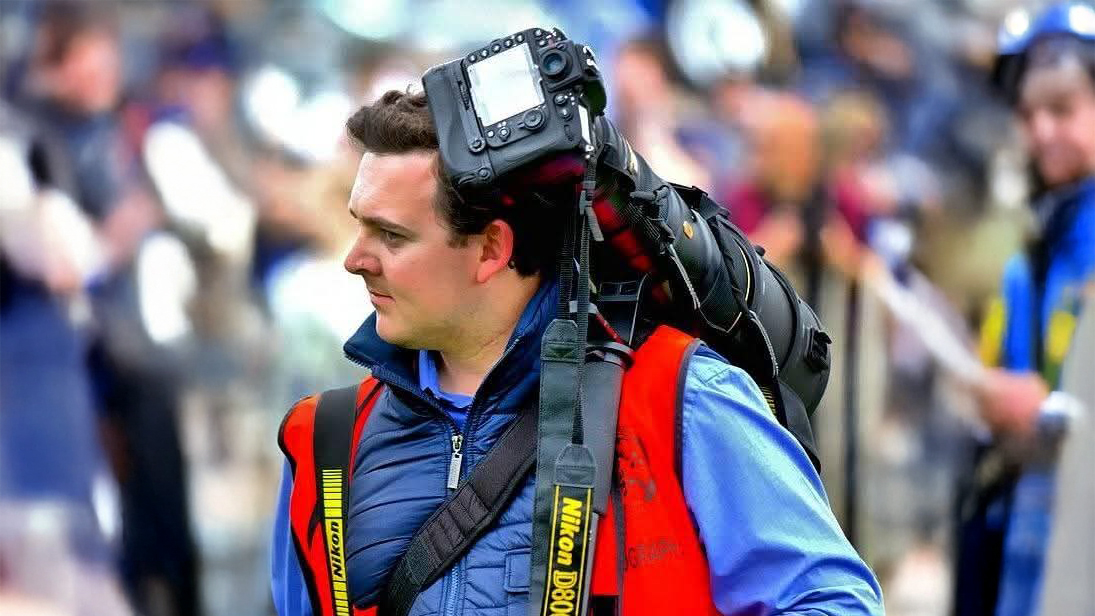
However, the underlying message is one of awareness and intentionality. Photographers, the author suggests, must be vigilant in recognizing when a piece of equipment, however advanced, begins to dictate their creative process rather than facilitating it. A long lens can easily become a "comfort zone," a default setting that allows photographers to maintain their position and wait for events to unfold within their frame. While the resulting images may be technically sound and commercially viable, the process can become predictable and less intellectually engaging.
Photography, in this view, should transcend the mere act of pointing expensive glass at a distant subject. It should involve a more active and thoughtful engagement with the world.
The Case for Embracing Limitations
The author advocates for occasionally leaving the telephoto lens behind. He suggests opting for a shorter lens, such as a 50mm, and making a conscious effort to move closer to the subject. This approach necessitates accepting the possibility of missing certain shots that would have been easily captured with a longer lens. The trade-off, however, is a forced engagement with the fundamental elements of photography: backgrounds, lighting, composition, and timing. Instead of relying on reach to circumvent these considerations, photographers are compelled to actively address them.
The potential outcome of this approach is not necessarily a higher volume of "safe" opportunities, but rather the possibility of capturing a singular image that possesses a unique perspective, one that might have been overlooked by photographers adhering to more conventional methods. Telephoto lenses are undeniably powerful and sophisticated tools, but they should serve as aids to creativity, not as substitutes for fundamental photographic principles such as movement, curiosity, and imagination. The moment a lens makes the photographic process feel overly comfortable, it may be an indicator that it is time to re-evaluate its role in the workflow.
Background and Context: The Evolution of Sports Photography
The rise of sophisticated telephoto lenses in sports photography is intrinsically linked to the evolution of the industry itself. In the early days of sports journalism, photographers often worked with much shorter lenses, requiring them to be physically present amidst the action, often at considerable personal risk. The advent of faster film and later, digital sensors, coupled with advancements in lens technology, allowed photographers to capture action from a safer distance while maintaining image quality.
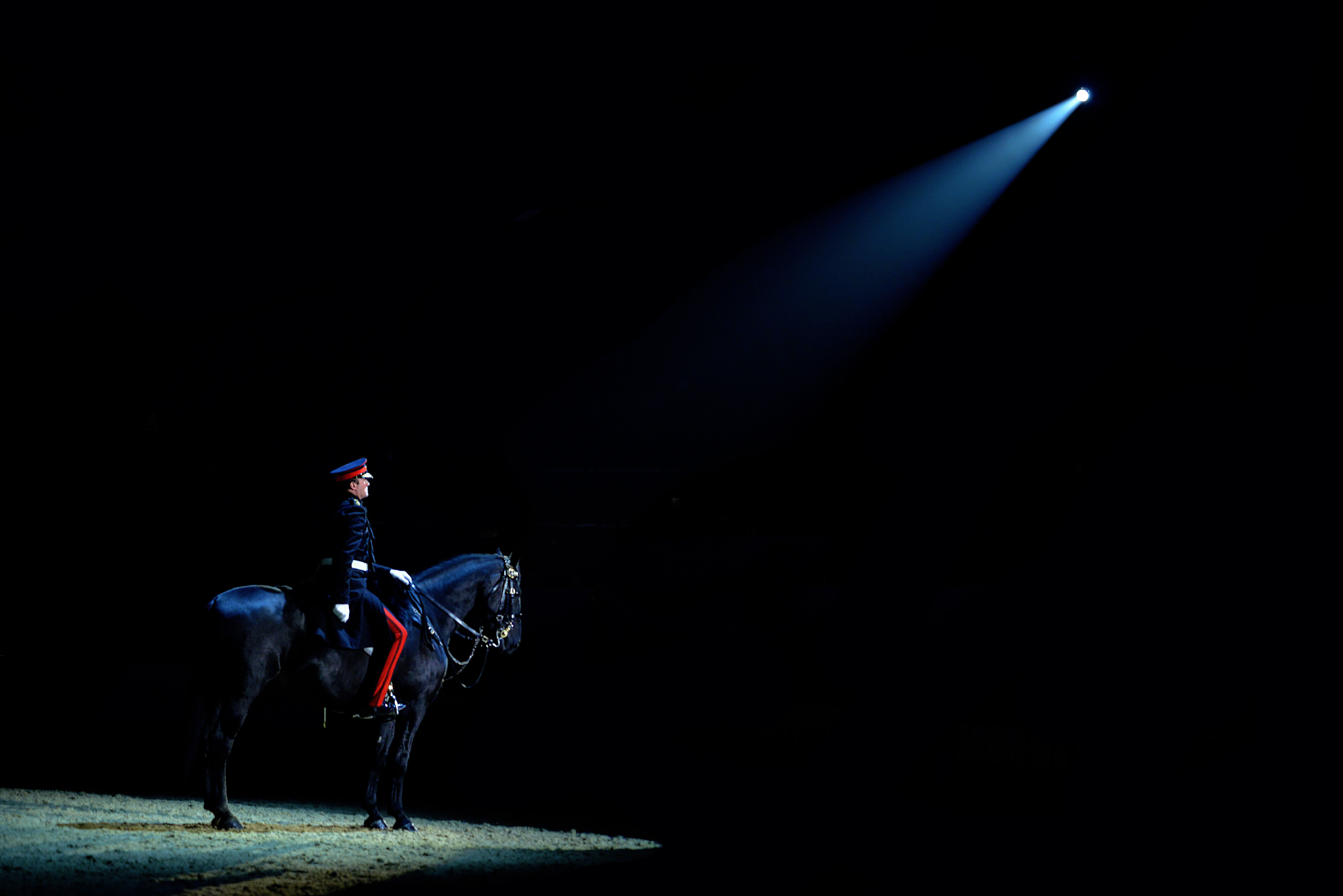
The iconic images of the 20th century, often captured with more basic equipment, frequently possess a raw immediacy and a sense of being "in the moment" that can be harder to replicate with modern, long-lens techniques. While the technical quality has undoubtedly improved, the author’s critique suggests a potential trade-off in the narrative and artistic depth of some contemporary sports photography.
The context of equestrian photography, specifically mentioned by the author, highlights a sport where the scale of the venue and the speed of the action make telephoto lenses particularly appealing. Events like show jumping, dressage, and eventing often involve vast arenas, requiring photographers to cover significant distances to capture different phases of competition. The ability to frame a horse and rider against a picturesque backdrop or to isolate a moment of intense focus is a testament to the power of telephoto optics. However, as the author points out, this convenience can lead to a homogenization of imagery if not approached with a critical and creative eye.
Broader Implications for Photographers
The author’s reflections have implications that extend beyond professional sports photography. Amateur photographers and enthusiasts who invest in expensive telephoto lenses may also fall into similar patterns of creative inertia. The desire to capture distant wildlife, the grandeur of landscapes from afar, or the details of architectural marvels can all be facilitated by telephoto lenses, but the underlying principle remains the same: the tool should enhance, not replace, the photographer’s vision and effort.
The "comfort zone" created by a telephoto lens can hinder the development of a photographer’s personal style. By encouraging a reliance on reach, it can stifle the exploration of different compositional techniques, the understanding of light, and the development of an intuitive sense for anticipating moments. Photography is not just about capturing what is there, but about interpreting it and presenting it in a unique and engaging manner.
Expert Analysis: The Tool vs. The Vision
Photography educators and critics often echo this sentiment, emphasizing the importance of understanding the fundamental principles of composition and light, regardless of the equipment used. The adage "the best camera is the one you have with you" speaks to the idea that creativity and vision are paramount, not the sophistication of the gear.
Dr. Eleanor Vance, a photography historian and theorist, notes, "The history of photography is replete with examples of artists who pushed the boundaries of their medium with limited technology. While modern lenses offer incredible technical capabilities, they also present new challenges for artists to maintain their individual voice and avoid succumbing to the aesthetic trends dictated by equipment."
The implications for the photographic industry are significant. As lens technology continues to advance, offering ever-greater reach and optical perfection, there is a growing need for photographers to consciously engage with their craft beyond the technical. The ability to critically assess the role of their equipment in their creative process, and to intentionally step outside of their comfort zones, will be crucial for producing work that is both technically excellent and artistically profound.
Ultimately, the author’s perspective serves as a valuable reminder that while telephoto lenses are powerful allies in the pursuit of capturing compelling images, they should be wielded with intention and a constant awareness of their potential to influence, and sometimes limit, creative expression. The pursuit of a unique photographic vision often lies not just in the equipment one possesses, but in the willingness to move, to observe, and to think differently.