Huawei Pura 90s Pro Max Enters Comprehensive Review Following Kuala Lumpur Launch

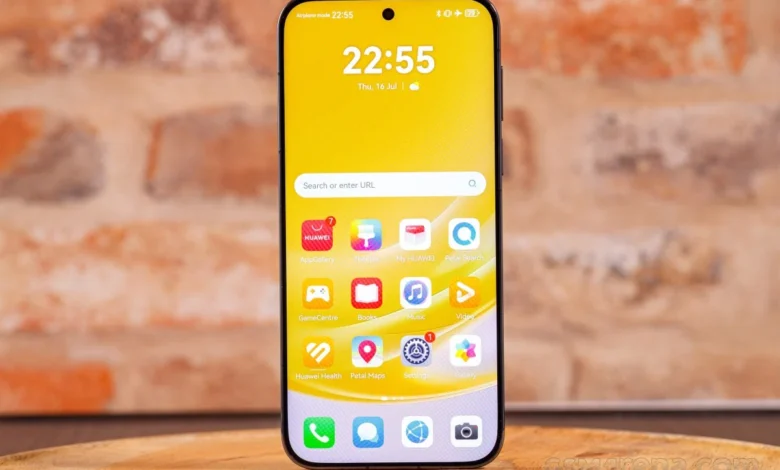
Following an initial hands-on preview conducted at its launch event in Kuala Lumpur, Malaysia, the Huawei Pura 90s Pro Max has now arrived at the review headquarters, marking the commencement of a thorough and in-depth evaluation. This transition from a preliminary assessment to a comprehensive lab review signifies a critical phase in understanding the capabilities and market positioning of Huawei’s latest flagship smartphone. The initial hands-on provided a glimpse into the device’s design and headline features, setting the stage for a detailed examination that will explore every facet of its performance, user experience, and technological advancements.
From Launch Event to Lab: The Review Process Begins
The journey of the Huawei Pura 90s Pro Max into the hands of reviewers began with its much-anticipated unveiling in Kuala Lumpur. The choice of Malaysia for a significant launch event underscores Huawei’s strategic focus on key Asian markets, where the brand maintains a strong presence despite global geopolitical challenges. Launch events are meticulously choreographed spectacles designed to generate immediate buzz, showcasing a device’s most striking attributes. For the Pura 90s Pro Max, this included highlighting its distinctive aesthetic and advanced camera system. A "hands-on" review at such an event typically involves initial impressions, a tactile experience with the device, and a brief exploration of key features, often under controlled conditions. It serves as an appetizer, whetting the appetite for the main course—the full, unconstrained review.
The arrival of the device at the review lab represents a shift from first impressions to rigorous testing. Here, the Pura 90s Pro Max will undergo a battery of standardized tests designed to objectively measure its performance across various parameters, including display quality, processor power, battery longevity, charging speed, and, crucially, camera performance under diverse scenarios. This methodical approach ensures that the final review provides a balanced, data-driven assessment, moving beyond subjective initial reactions to provide concrete insights for consumers and industry observers alike.
Unboxing the Flagship: Contents and Regional Variations
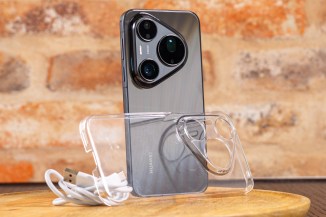
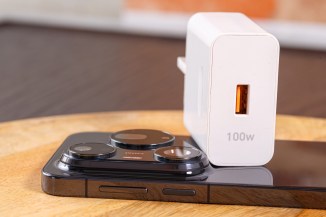
The unboxing experience often provides the first tangible interaction with a new device, setting expectations for the premium nature of a flagship. The Huawei Pura 90s Pro Max arrives with a curated set of accessories designed to complement its high-end status. Included in the box are a USB cable, a clear hard case, and a 100W charger. The inclusion of a protective case and a high-wattage charger directly in the box is a consumer-friendly gesture that stands in contrast to a growing industry trend of omitting chargers to reduce e-waste or cost. Huawei’s decision to include these essentials reinforces its commitment to providing immediate utility and value to its customers.
However, a notable aspect of the Pura 90s Pro Max’s packaging and specifications is the acknowledgement of regional variations. Specifically, the battery capacity will differ depending on the geographical market. European customers are slated to receive units equipped with a 5,500mAh battery, while models distributed in other regions will feature a more robust 6,000mAh power pack. This strategic differentiation is likely influenced by a complex interplay of factors, including regulatory requirements, logistical considerations, competitive landscapes, and consumer preferences specific to different markets. For instance, some regions might prioritize a slimmer profile or specific certification, while others demand maximum possible endurance. Such variations are not uncommon in the global smartphone market, but they necessitate careful consideration in a comprehensive review to address the implications for different user bases.
Design Philosophy: A Blend of Distinctiveness and Familiarity
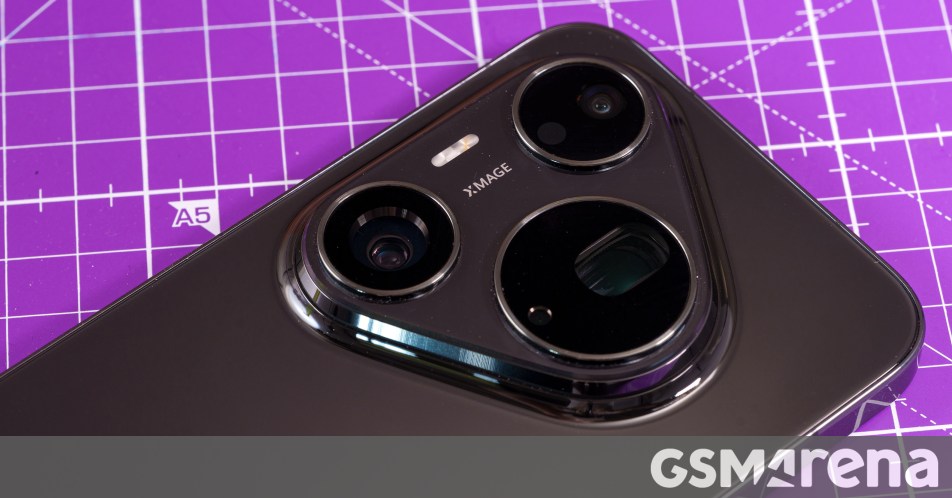
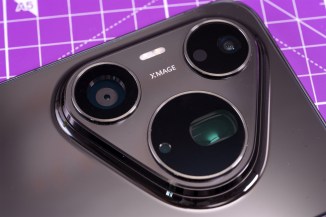
The aesthetic identity of a flagship smartphone plays a crucial role in its market appeal, and the Huawei Pura 90s Pro Max endeavors to carve out a distinctive presence. As observed during the hands-on preview, the device is characterized by its "unique camera island" and "mirror-like reflective surfaces," culminating in what is described as a "premium build." Huawei’s Pura series (formerly P-series) has historically been a canvas for innovative design, often pushing boundaries in material science and form factor. The camera island, often the most prominent design element on the rear of a modern smartphone, serves as a visual signature. Its "unique" nature suggests a departure from conventional rectangular or circular modules, aiming for an artistic or avant-garde expression that immediately differentiates it from competitors.
The "mirror-like reflective surfaces" imply a highly polished finish, possibly glass or ceramic, that not only exudes luxury but also interacts dynamically with light, creating a visually striking effect. While aesthetically pleasing, such finishes can also be prone to fingerprints, a common trade-off in premium smartphone design. The overarching "premium build" indicates the use of high-quality materials—likely aerospace-grade aluminum for the frame, coupled with advanced glass protection on the front and back—along with meticulous craftsmanship in assembly. This attention to detail is paramount for a device positioned at the pinnacle of the smartphone market, where tactile experience and perceived quality are key drivers of consumer choice.
Conversely, the front of the device is described as "less unique." This observation reflects a broader trend in the smartphone industry, where front-panel designs have largely converged towards a standardized full-screen aesthetic with minimal bezels and a punch-hole or notch for the front camera. While innovations in under-display cameras are emerging, they are not yet mainstream for flagship devices, meaning most premium phones present a similar visual experience from the front. This uniformity allows the display itself to take center stage, minimizing distractions and maximizing screen real estate for media consumption and interaction.
The Visual Experience: A Top-Tier Display Analysis
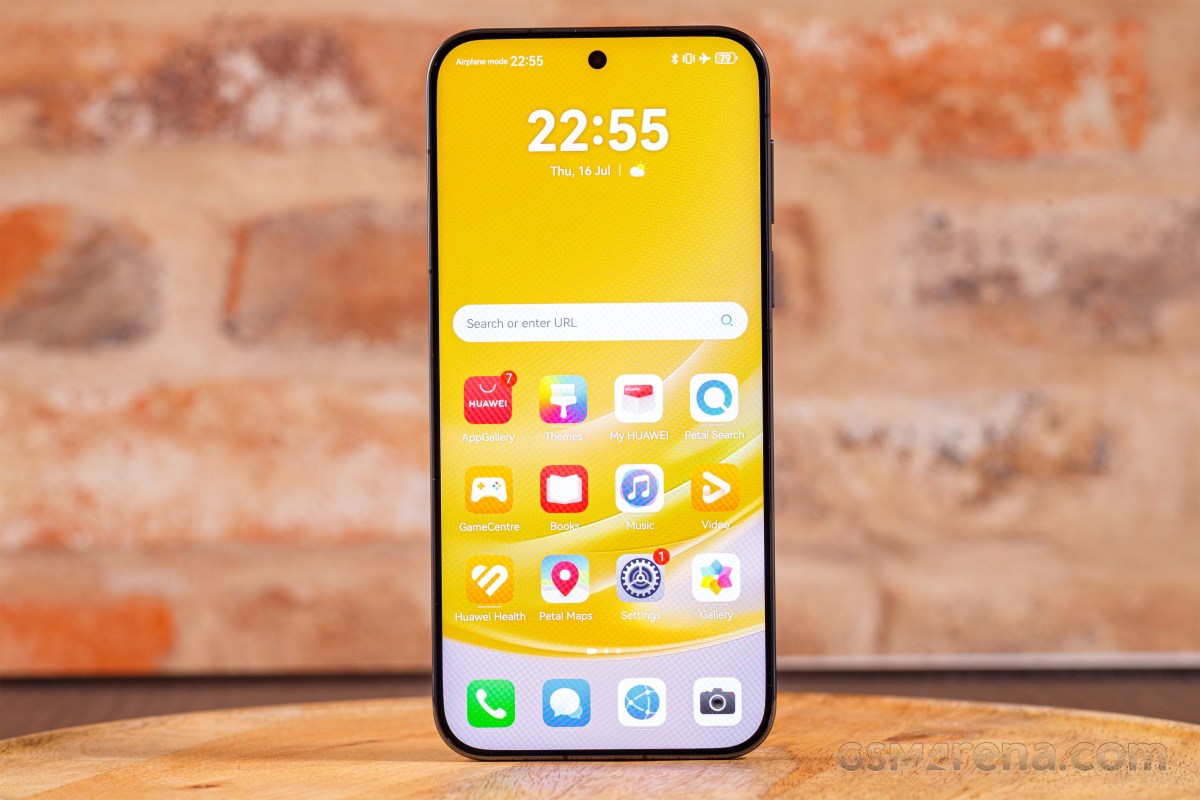
Despite the front design’s adherence to contemporary norms, the Pura 90s Pro Max compensates with what is unequivocally described as a "top-notch screen." In the current smartphone landscape, a "top-notch" display implies a panel that excels across several critical metrics. This typically includes a high-resolution AMOLED (Active Matrix Organic Light Emitting Diode) panel, offering vibrant colors, deep blacks, and exceptional contrast ratios. AMOLED technology allows individual pixels to emit their own light, resulting in true blacks when pixels are turned off, a significant advantage over LCDs.
Furthermore, a premium display is expected to feature a high refresh rate, commonly 120Hz, ensuring buttery-smooth scrolling, fluid animations, and a more responsive touch experience. Adaptive refresh rate technology, which dynamically adjusts the refresh rate based on content, is also a common feature, optimizing for both smoothness and power efficiency. High peak brightness is crucial for excellent outdoor visibility, especially under direct sunlight, while wide color gamut support (e.g., DCI-P3) and precise color calibration ensure accurate and lifelike color reproduction, vital for photography and videography enthusiasts. Finally, advanced eye comfort features, such as low blue light emission and flicker reduction, contribute to a superior user experience during extended periods of use. The Pura 90s Pro Max’s commitment to a high-quality display underscores its positioning as a multimedia powerhouse and a device designed for visual excellence.
Revolutionizing Mobile Photography: Deep Dive into the Pura 90s Pro Max Camera System
Huawei’s Pura series has long been synonymous with groundbreaking mobile photography, consistently pushing the boundaries of what’s possible with a smartphone camera. The Pura 90s Pro Max continues this legacy, introducing significant advancements, particularly in its main and telephoto camera systems.
The Evolving Variable Aperture Lens
A standout feature that Huawei has championed is the variable aperture main camera lens, which makes a return for yet another iteration in the Pura 90s Pro Max. This technology, rare in smartphones, allows the lens aperture to physically adjust, similar to a traditional DSLR camera. In the new model, the aperture has been expanded from the previous f/1.6 to a wider f/1.4. This seemingly small numerical change translates into a substantial photographic advantage. An f/1.4 aperture is approximately 0.4 stops of light wider than f/1.6, meaning it can gather roughly 30% more light.
The implications of this wider aperture are multifaceted. In low-light conditions, the f/1.4 aperture allows the sensor to capture significantly more ambient light, leading to brighter images with reduced noise and improved detail. This enhancement is crucial for night photography, indoor shots, and any scenario where lighting is suboptimal. Beyond low light, a wider aperture also influences depth of field. A larger aperture (smaller f-number) creates a shallower depth of field, resulting in a more pronounced background blur (bokeh) that elegantly isolates the subject. This is particularly beneficial for portrait photography, food photography, and any creative shot where subject separation is desired. The ability to switch to a narrower aperture, such as f/4.0 (as shown in accompanying imagery), provides greater depth of field, ensuring more of the scene remains in sharp focus, which is ideal for landscapes or group shots. This versatility empowers users with greater creative control, moving beyond the fixed-aperture limitations of most smartphone cameras.
A New Era for Telephoto Imaging
Perhaps an even more significant upgrade resides in the new 200MP 1/1.28-inch zoom camera, paired with an 89mm f/2.6 lens. This represents a monumental leap in smartphone telephoto capabilities. Historically, telephoto lenses on smartphones have featured smaller sensors and lower megapixel counts, often relying heavily on digital cropping or computational photography to enhance detail. The Pura 90s Pro Max challenges this norm by incorporating a high-resolution 200MP sensor, combined with a relatively large 1/1.28-inch sensor size for a telephoto module.
The 200MP resolution offers unprecedented detail capture at zoom levels. While the effective optical zoom factor of 89mm (roughly 3.5x to 4x optical zoom equivalent on a full-frame camera, depending on the main sensor’s focal length) is impressive, the high resolution allows for significant lossless digital cropping, extending the usable zoom range without a drastic loss of image quality. This means users can zoom in further on distant subjects and still retain ample detail for printing or social media sharing. The 1/1.28-inch sensor size for a telephoto lens is particularly remarkable; it’s larger than many main camera sensors just a few generations ago, enabling superior light gathering and dynamic range even at zoomed distances. This combination addresses a long-standing weakness in smartphone photography: delivering truly high-quality zoomed images, especially in challenging lighting. The f/2.6 aperture, while not as wide as the main lens, is respectable for a telephoto, contributing to good light intake. The availability of camera samples from this impressive optic further underscores Huawei’s confidence in its performance, inviting critical assessment of its real-world capabilities.
Performance and Software Ecosystem
While the provided content focuses heavily on design and camera, a comprehensive review of the Pura 90s Pro Max will undoubtedly delve into its core performance metrics. As a flagship, it is expected to house Huawei’s latest proprietary Kirin chipset, showcasing the company’s continued advancements in silicon design despite external pressures. This processor will be responsible for driving overall system fluidity, handling demanding applications, and powering the sophisticated computational photography algorithms that are integral to Huawei’s camera prowess. Benchmarking will reveal its raw processing power, graphics capabilities, and efficiency under sustained load.
The software experience is equally critical. The Pura 90s Pro Max will run on HarmonyOS, Huawei’s in-house operating system, offering a distinct user interface and a robust ecosystem. HarmonyOS has evolved significantly, providing a seamless experience across Huawei’s diverse range of smart devices, from smartphones and tablets to wearables and IoT products. The integration with AppGallery, Huawei’s proprietary app store, will be a key aspect of the software review, assessing the availability and performance of popular applications, as well as the overall user experience for those accustomed to other mobile operating systems. The synergy between hardware and software, especially in areas like AI-driven performance optimization and security, will be a focal point.
Powering the Pura 90s Pro Max: Battery and Charging Innovations
The regional battery variations (5,500mAh for Europe, 6,000mAh elsewhere) highlight Huawei’s strategy to optimize the device for specific market requirements, while maintaining a commitment to extended endurance. A 5,500mAh or 6,000mAh battery capacity places the Pura 90s Pro Max firmly in the upper echelons of smartphone battery life, promising users extensive usage time on a single charge. This is particularly crucial for power users and those who rely heavily on their device for productivity, gaming, or multimedia consumption.
Complementing this substantial battery is the inclusion of a 100W fast charger in the box. This ultra-fast charging technology is a significant convenience, capable of replenishing a large battery in a remarkably short period. For instance, a 100W charger can often take a device from empty to a substantial percentage (e.g., 50-70%) in just 15-20 minutes, drastically reducing downtime. This rapid charging capability is a major selling point, addressing a common pain point for smartphone users: battery anxiety. Furthermore, it is highly probable that the Pura 90s Pro Max will also support advanced wireless charging and reverse wireless charging capabilities, features that have become standard expectations for premium flagships, offering additional flexibility and convenience for power management.
Market Context and Strategic Implications for Huawei
The launch and review of the Huawei Pura 90s Pro Max must be viewed within the broader context of Huawei’s strategic trajectory in the global smartphone market. Facing ongoing geopolitical challenges and restrictions that have impacted its access to key technologies and services, Huawei has pivoted to focus on innovation in areas where it retains control, such as hardware design, camera technology, and its HarmonyOS ecosystem. The Pura 90s Pro Max represents a defiant statement of continued ambition in the premium segment.
By focusing on distinctive design, a groundbreaking camera system, and robust battery performance, Huawei aims to differentiate its offerings and appeal to a discerning consumer base that values cutting-edge technology and a unique user experience. The strategic launch in Kuala Lumpur and the regional battery variations underscore a targeted market approach, prioritizing regions where Huawei has established strong brand loyalty and where its ecosystem can thrive. The success of the Pura 90s Pro Max will be a critical indicator of Huawei’s ability to maintain relevance and competitiveness in the highly contested high-end smartphone market, signaling its resilience and ongoing commitment to technological leadership.
Anticipating the Full Review: What’s Next?
With the Huawei Pura 90s Pro Max now undergoing its comprehensive review, the tech community eagerly awaits the detailed findings. The full review will expand upon the initial hands-on impressions, providing definitive answers regarding its real-world performance. This will include rigorous battery life tests, in-depth camera comparisons across various lighting conditions, detailed analysis of the display’s calibration and performance, and an exhaustive evaluation of the Kirin chipset’s capabilities and the HarmonyOS user experience. Furthermore, aspects such as audio quality, haptic feedback, build durability, and overall ergonomic comfort will be thoroughly assessed. The impending full review promises to be a crucial resource for potential buyers and industry analysts seeking a definitive understanding of Huawei’s latest flagship contender.