The Fujifilm GFX100RF: A Medium Format Powerhouse Re-evaluated for Spontaneity

The allure of capturing breathtaking images often collides with the practicalities of travel, especially when embarking on spontaneous journeys. For many photographers, the desire to document every moment is tempered by the sheer weight and bulk of professional-grade camera equipment. This fundamental challenge is at the heart of a compelling narrative surrounding the Fujifilm GFX100RF, a camera that occupies a unique and intriguing niche in the imaging landscape. Boasting an impressive 100-megapixel resolution within a medium format sensor, its remarkably compact size for its class allows it to be a viable option for daypacks, a stark contrast to the heavier kits that often deter photographers from bringing their best gear on impromptu excursions.
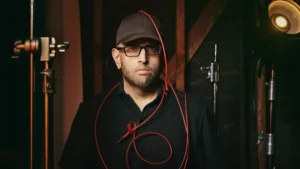
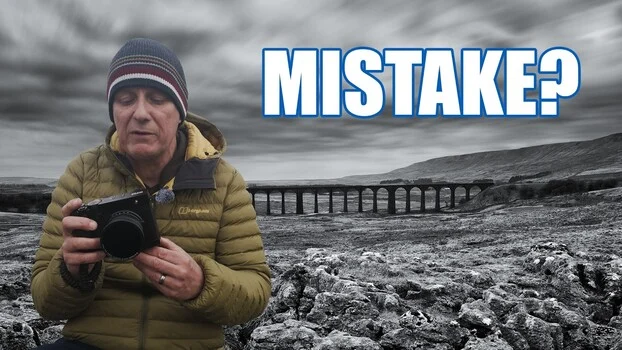
This re-evaluation of the GFX100RF’s place in a working photographer’s arsenal is vividly illustrated in a recent video by Jason Friend Photography. The candid footage chronicles Friend’s unplanned day trip across the picturesque expanses of northern England. The journey, undertaken with a distinct lack of pre-planning, saw him acquire a secondhand Volkswagen van near Blackburn. The detour also included a significant landscape photography session at the iconic Ribblehead Viaduct in the Yorkshire Dales on his return route. This particular excursion proved pivotal for Friend, who had been contemplating selling the GFX100RF. His contemplation wasn’t born from any perceived underperformance of the camera itself, but rather from its considerable cost and its tendency to remain unused when he was engaged in professional assignments utilizing his Sony FX2. The spontaneous train trip, however, served as a powerful catalyst, effectively making a compelling case for retaining the Fujifilm GFX100RF.
The practical constraints of traveling by train, without the convenience of a car or the assistance of a dedicated gear handler, and the necessity of carrying a laptop alongside photographic equipment, forced Friend into a rigorous assessment of his gear’s true value. This scenario is one familiar to many creatives who balance professional demands with personal passion. It underscores how, under pressure, the intrinsic worth of a piece of equipment is not just measured by its technical specifications but by its genuine utility and integration into one’s workflow, especially when portability is a paramount concern.
The Core Tension: Value Proposition of a High-Resolution Medium Format Camera
The central dilemma Friend grapples with is whether the Fujifilm GFX100RF, with its substantial investment and high megapixel count, possesses a sufficiently broad range of applications within a working photographer’s kit to justify its premium price point. His customary comparison lies with his existing Fujifilm GFX 50S, a camera he typically pairs with the versatile GF 35-70mm lens and a dedicated wide-angle lens. This established combination, while delivering exceptional image quality, quickly becomes a significant weight burden. Consequently, for a train journey involving considerable walking, Friend admits he would have been highly unlikely to bring it. In stark contrast, the GFX100RF, with its more manageable form factor, was readily packed into his bag without a second thought.
At the Ribblehead Viaduct, Friend employed a lightweight Benro travel tripod, an accessory chosen for its portability, coupled with a KF Concept 10-stop ND filter. This setup allowed him to execute a long exposure shot, meticulously composed at f/11 for 30 seconds with an ISO of 200. The composition leveraged the unique texture of the limestone pavement as a foreground element, drawing the viewer’s eye towards the imposing structure of the viaduct in the distance. This specific photographic scenario highlights the camera’s capability for deliberate, high-quality landscape work even in challenging travel conditions.
Deconstructing the GFX100RF User Base: Who is This Camera For?
Where Jason Friend’s video transcends a simple gear review and enters the realm of genuinely insightful analysis is in his candid breakdown of the ideal user profile for the GFX100RF. He observes a recurring pattern within the dedicated GFX100RF Facebook group, noting that the camera is frequently resold. His reasoned deduction for this trend points to a disconnect between the aspirational purchase and the practical realities of ownership. Potential buyers are evidently drawn to the concept of a 100-megapixel camera that is relatively compact, without fully considering the implications of its fixed 45mm lens, the substantial storage requirements for its massive files, or the specific field of view and creative possibilities that arise from its cropped sensor, which equates to an approximate 28mm to 60mm full-frame equivalent range.
Friend’s perspective on the sensor crop question itself has also evolved, and his nuanced reasoning is particularly valuable for those considering the camera. The decision of whether the GFX100RF truly merits a place in one’s photographic kit, he posits, ultimately hinges on a critical question he poses towards the conclusion of his video. This question, which likely addresses the balance between its specialized capabilities and broader applicability, serves as a crucial touchstone for potential buyers.
The Technical Specifications and Market Context of the Fujifilm GFX100RF
The Fujifilm GFX100RF is part of Fujifilm’s esteemed GFX medium format mirrorless camera system, a line that has consistently pushed the boundaries of image quality and sensor technology. Introduced as a significant advancement, the GFX100RF boasts a 102MP 43.8 x 32.9mm CMOS sensor, a substantial leap from traditional 35mm full-frame sensors. This larger sensor size inherently captures more light and detail, translating into superior dynamic range, smoother tonal gradations, and exceptional resolution that allows for significant cropping and large-format printing.
When Friend mentions the "fixed 45mm lens," he is referring to the specific configuration often associated with compact medium format systems designed for portability. This lens, equivalent to approximately 35.5mm in full-frame terms, offers a moderately wide perspective, suitable for a range of genres from environmental portraits to street photography and general-purpose shooting. However, for photographers accustomed to the flexibility of interchangeable lenses, the fixed nature of this particular offering can be a limiting factor. The GFX100RF, as a system, does support a range of interchangeable GF-mount lenses, but the specific model Friend is referencing appears to be a more integrated, compact unit designed for a specific use case.
The storage demands of 100-megapixel files are not to be underestimated. Each RAW file can easily exceed 150MB, and JPEGs are still substantial. This necessitates the use of high-capacity, high-speed memory cards (typically CFexpress Type B) and ample storage solutions for post-processing and archiving. For a photographer on the move, managing this volume of data adds another layer of logistical consideration.
Supporting Data and Market Trends
The medium format digital market has seen a resurgence in recent years, driven by manufacturers like Fujifilm, Hasselblad, and Phase One. These systems, once prohibitively expensive and bulky, are becoming more accessible and, in some cases, more portable. Fujifilm’s GFX line, in particular, has been instrumental in this democratization, offering a compelling blend of resolution and a more manageable form factor compared to older medium format digital backs.
Data from industry analysts suggests a growing interest in high-resolution imaging, particularly among professionals and serious enthusiasts who demand the utmost in image quality for commercial work, fine art printing, and demanding landscape photography. However, the niche nature of medium format means that adoption rates are naturally lower than for full-frame or APS-C systems. The high cost of entry, coupled with the specialized nature of the lenses and the increased demands on workflow, means that purchasing a medium format camera is often a carefully considered decision rather than an impulse buy.
The phenomenon of photographers frequently reselling high-end gear is not unique to the GFX100RF. It’s a common occurrence across all camera brands and systems, particularly when cameras are purchased with an idealized vision of their use rather than a clear understanding of how they will integrate into an existing workflow. The GFX100RF’s specific challenge lies in its powerful yet specialized nature. Its 100MP sensor is a significant asset, but its optimal use often requires specific shooting conditions and a refined post-processing workflow.
Broader Impact and Implications for Photographers
Jason Friend’s experience with the Fujifilm GFX100RF serves as a valuable case study for any photographer considering an investment in high-end equipment. It highlights the critical importance of evaluating gear not just on its technical merits but on its practical utility and how it fits into one’s lifestyle and professional demands.
For working photographers, the decision to invest in a camera like the GFX100RF involves a complex calculation. Factors to consider include:
- Workflow Integration: How will the camera’s output be managed, processed, and delivered? Are the necessary software and hardware in place to handle the large file sizes efficiently?
- Genre Specialization: Is the camera best suited for specific types of photography, or does it offer versatility across multiple genres? For a landscape photographer like Friend, its strengths are evident, but its utility for fast-paced event or wedding photography might be more limited.
- Cost of Ownership: Beyond the initial purchase price, consider the cost of compatible lenses, memory cards, storage, and potential software upgrades.
- Portability and Ergonomics: For photographers who travel frequently or work in situations where weight and size are critical, the physical aspects of the camera system are paramount.
Friend’s candid assessment suggests that the GFX100RF is not a camera for everyone, and its appeal lies in its specific strengths rather than its universal applicability. The challenge for Fujifilm and other manufacturers of high-end medium format systems is to continue to bridge the gap between exceptional image quality and user-friendly accessibility. Innovations in lens design, computational photography, and workflow software will be crucial in making these powerful tools more practical and desirable for a wider range of photographers.
Ultimately, Jason Friend’s spontaneous train trip transformed a potential sale into a reaffirmation of the Fujifilm GFX100RF’s value, but on his terms and within the context of his specific photographic needs. His journey underscores that the "best" camera is not always the one with the highest specifications, but the one that empowers the photographer to create the images they envision, under the conditions they encounter, and with a degree of practical feasibility that makes the creative process enjoyable and sustainable. The full details of his thoughtful evaluation can be found by watching the video, offering a direct insight into the decision-making process of a seasoned professional navigating the complex world of high-end photography gear.