As Apple commemorates its 50th anniversary on April 1, 2026, the occasion serves as a profound moment to reflect on the company’s unparalleled trajectory, from its humble beginnings in a garage to becoming a global technology titan. While its initial decades were defined by revolutions in personal computing and mobile communication, the last ten years have witnessed a strategic and deeply impactful pivot towards health and wellness. Central to this evolution is the Apple Watch, a device that transcended its role as a mere accessory to become a powerful instrument for personal transformation, embodying Apple’s commitment to enhancing daily well-being. This significant shift has not only reshaped the wearables market but has also profoundly influenced individual lifestyles, illustrating how technology can serve as a catalyst for healthier living.
Apple’s Health Imperative: A Strategic Evolution
Apple Inc., founded by Steve Jobs, Steve Wozniak, and Ronald Wayne on April 1, 1976, initially set out to democratize computing. Its early innovations, from the Apple I to the Macintosh, laid the groundwork for the personal computer revolution. The turn of the millennium saw Apple redefine consumer electronics with the iPod, followed by the groundbreaking iPhone in 2007, which ushered in the smartphone era. However, as the company matured, a new frontier emerged: personal health. This wasn’t an abrupt shift but a deliberate, calculated expansion of Apple’s ecosystem, recognizing the immense potential for technology to empower individuals in managing their physical and mental well-being.

The foundational elements of Apple’s health strategy began to crystallize even before the Watch’s debut. In September 2014, with the release of iOS 8, Apple introduced the Health app and HealthKit, a developer framework designed to aggregate health and fitness data from various sources into a centralized, secure location on the iPhone. This move signaled Apple’s intention to become a significant player in digital health, providing users with a holistic view of their personal metrics. The stage was then set for the most ambitious health-focused product to date.
The Apple Watch: A Catalyst for Personal Transformation
Launched in April 2015, the Apple Watch was initially positioned as a fashion accessory and a convenient extension of the iPhone. However, its core health and fitness tracking capabilities quickly came to the forefront, proving to be its most compelling differentiator. The device’s innovative "Activity Rings"—Move, Exercise, and Stand—provided an intuitive, gamified approach to encourage daily physical activity. These rings became a visual representation of progress, motivating users to achieve and maintain fitness goals.
The transformative power of the Apple Watch is vividly illustrated by numerous user experiences, one of which began precisely ten years ago, aligning with Apple’s recent health-centric decade. On April 1, 2016, a 25-year-old individual, embarking on a personal health and fitness journey, leveraged an Apple Watch to initiate a workout streak. Prior to this, running had not been a part of their life. The consistent encouragement of closing the Activity Rings, initially achieved through daily sessions on a used elliptical machine at home, cultivated a nascent habit of physical activity. This disciplined approach yielded rapid results: by the fall of 2016, the individual had transitioned to outdoor running, and remarkably, by New Year’s Day 2017, had shed 50 pounds. This significant weight loss underscored the Apple Watch’s efficacy as a personal accountability partner and motivator.

The momentum generated by these early successes propelled the user towards more ambitious fitness goals. On April 1, 2017, exactly one year after starting the workout streak, the individual competed in their first-ever 5K race, the "2017 Superintendent’s 5K Challenge: A Race for Education" in Miami, Florida. Clocking a time of 26 minutes and 46 seconds for the 3.1-mile course, at an impressive 8-minute, 36-second pace per mile, they ranked 151 out of 2231 participants. This achievement was a direct testament to the foundational fitness cultivated with the aid of the Apple Watch.
The initial 5K was merely the beginning. The user subsequently engaged in numerous 5K races, progressing to 10K events, and eventually venturing into half-marathons. Over several years, they completed seven of these challenging 13.1-mile races, a remarkable feat for someone who had never run before acquiring an Apple Watch. While the pace of activity slowed during the pandemic, the underlying urge to maintain fitness, and the symbolic value of the Apple Watch as a tool for living a better day, remained. Even in 2026, the device continues to facilitate awareness of personal well-being, whether through structured runs or daily dog walks and weekend adventures. The journey from a sedentary lifestyle to a half-marathon runner, facilitated by a wearable device, exemplifies the profound, tangible impact of Apple’s health technology.
Expanding the Health Ecosystem: Beyond the Wrist
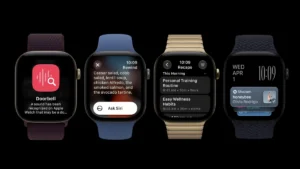
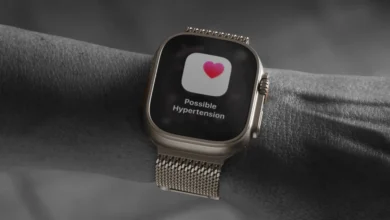
The Apple Watch’s capabilities have expanded significantly since its debut, evolving from a fitness tracker to a comprehensive health monitor. Subsequent generations introduced features such as the Electrocardiogram (ECG) app, capable of detecting signs of atrial fibrillation; fall detection, which can automatically call emergency services; and Blood Oxygen monitoring. More recent iterations have added temperature sensing for advanced cycle tracking and enhanced sleep analysis, further solidifying its role as a proactive health companion.

However, the Apple Watch is not an isolated component; it is deeply integrated into Apple’s broader health ecosystem. The Apple Health app on the iPhone serves as the central repository for all personal health data, offering a unified and insightful view of various metrics. This integration extends beyond Apple’s own hardware. The Health app can seamlessly connect with a multitude of third-party smart devices, creating a truly comprehensive personal health dashboard. For instance, users can log their weight and body composition data using smart scales that automatically sync with their iPhone. Similarly, blood pressure monitors can connect, providing a continuous record of cardiovascular health metrics. Reviewing this aggregated data on a larger screen, such as an iPad, allows users to discover trends and insights surfaced by Apple’s intelligent algorithms, empowering them with actionable information about their well-being.
Furthermore, Apple’s commitment to holistic health extends to mental well-being. The Journal app, introduced with macOS 26 (implying its presence in the current timeline of the article, 2026), allows users to regularly process their thoughts and reflect on their daily experiences. This digital journaling tool, integrated across Apple’s devices, has proven to be as crucial for some users’ overall health as physical movement, highlighting the company’s recognition of the interconnectedness of physical and mental health. The symbiotic relationship between the Apple Watch, iPhone, and Mac ensures that users have access to a robust, integrated platform for managing their complete well-being, a system that simply did not exist a decade prior.
Statistical Impact and Market Dominance
Apple’s foray into health and fitness technology has not only yielded compelling personal stories but has also translated into significant market success and broader societal impact. The Apple Watch quickly ascended to become the dominant player in the global smartwatch market. By 2023, it consistently held over 30% of the market share, dwarfing competitors and contributing substantially to Apple’s "Wearables, Home, and Accessories" segment, which has grown into a multi-billion dollar business unit, comparable in size to a Fortune 100 company.

The broader wearables market itself has experienced exponential growth, driven largely by health and fitness tracking functionalities. Global shipments of smart wearables are projected to exceed 600 million units annually by the late 2020s. This surge reflects a growing consumer awareness and demand for tools that facilitate health monitoring and active lifestyles.
Beyond commercial success, numerous studies have underscored the positive health outcomes associated with wearable technology. Research indicates that individuals who use fitness trackers tend to be more physically active, take more steps daily, and are more likely to achieve their exercise goals. The continuous heart rate monitoring capabilities of devices like the Apple Watch have also been instrumental in the early detection of various cardiovascular conditions, including atrial fibrillation, prompting users to seek medical attention sooner. This proactive approach to health, enabled by accessible technology, has the potential to alleviate the burden on healthcare systems by fostering preventative care. The ability to track sleep patterns, blood oxygen levels, and other vital signs provides users with unprecedented data, allowing them to make informed decisions about their health and consult with medical professionals with more comprehensive information.
Apple’s Vision for the Future of Health
As Apple celebrates its 50th year, its focus on health appears to be intensifying, suggesting an even more integrated and influential role in the future of personal wellness and healthcare. The company has demonstrated a consistent commitment to research and development in this area, frequently collaborating with medical institutions and researchers to validate its health features and explore new frontiers. Projects like the Apple Heart Study and the Apple Women’s Health Study exemplify this dedication, contributing valuable data to medical science while refining the capabilities of its devices.

Looking ahead, the potential for Apple’s health technology is vast. Industry analysts and patent filings suggest ongoing exploration into advanced, non-invasive health monitoring, such as continuous glucose monitoring for diabetes management, and more sophisticated blood pressure tracking directly from the wrist. Further enhancements in mental health support, stress management, and personalized coaching based on granular biometric data are also anticipated. The long-term vision appears to be a convergence of personal health data with professional healthcare, enabling seamless sharing of anonymized or consented data with medical providers to facilitate more personalized and preventative care. However, this future also necessitates careful consideration of ethical implications, particularly regarding data privacy, security, and the responsible use of highly sensitive personal health information. Apple’s strong stance on user privacy remains a cornerstone of its approach, aiming to build trust in its health ecosystem.
Broader Implications for Society and Healthcare
The proliferation of sophisticated health technology, spearheaded by devices like the Apple Watch, carries profound implications for society and the healthcare landscape. Firstly, it empowers individuals, shifting some of the responsibility for health management from solely medical professionals to the users themselves. By providing accessible tools for self-monitoring and goal-setting, these devices encourage greater personal agency in maintaining well-being. This focus on preventative health could lead to a reduction in lifestyle-related diseases, improving overall public health.
Secondly, the integration of consumer health data into professional healthcare systems holds immense promise for improving diagnostic accuracy, treatment efficacy, and patient outcomes. Doctors armed with longitudinal data from wearables can gain a more complete picture of a patient’s health trends, leading to more informed clinical decisions. This could revolutionize chronic disease management and proactive intervention.

Finally, the impact extends to other sectors, influencing insurance models that might reward healthy behaviors and fostering corporate wellness programs aimed at boosting employee health and productivity. However, challenges remain, including ensuring digital health equity so that these advancements benefit all segments of society, regardless of socioeconomic status, and navigating the complex regulatory landscape of medical devices and data privacy.
Conclusion
Apple’s 50th anniversary is not merely a celebration of half a century of technological innovation; it is a testament to a company that has consistently redefined human interaction with technology. Its strategic pivot into health and wellness over the past decade, spearheaded by the Apple Watch, represents one of its most significant and impactful contributions. The narrative of an individual transforming their health from age 25 to 35, enabled by the Apple Watch and its supporting ecosystem, encapsulates the profound human impact of this technological endeavor.
From a company that revolutionized personal computing, then mobile communication, Apple has now firmly established itself as a pivotal force in personal health management. The synergistic interplay of the Apple Watch, iPhone, Health app, and even the Journal app on macOS creates a comprehensive and user-centric platform for holistic well-being. As Apple looks forward, its continued investment in health research and its unwavering commitment to user empowerment suggest an even more integrated and influential role in shaping the well-being of its users in the decades to come. The journey of Apple’s first 50 years has been one of continuous evolution, and its last decade’s dedication to health hints at a future where technology and human wellness are inextricably linked, creating a stronger, healthier global community.