The definitive guide to navigating this year’s most significant Black Friday fitness and activewear deals


The annual Black Friday shopping event has evolved into a global retail phenomenon, marking the unofficial commencement of the holiday shopping season. While the tradition originated in the United States as a one-day event following Thanksgiving, it has expanded into a multi-week period of aggressive price reductions. For consumers seeking high-performance fitness apparel, the window between mid-November and early December represents the most opportune time to secure premium gear from top-tier athletic brands.
The Evolution of the Black Friday Sales Cycle
Black Friday originated in the mid-20th century as a physical retail event characterized by doorbuster crowds and limited-time offers. However, the rise of e-commerce has fundamentally restructured the event. In recent years, data from market research firms suggests that retailers now utilize a "staggered release" strategy. Instead of focusing solely on the Friday following Thanksgiving, brands—particularly those in the health and wellness sector—now launch early access sales as early as November 1.
This shift is designed to mitigate supply chain bottlenecks and capitalize on the growing consumer preference for online research. For professional athletes and fitness enthusiasts, this extended timeline provides a unique advantage: the ability to compare technical specifications and price points across major brands such as Lululemon, Under Armour, and Gymshark before making a capital investment in high-performance equipment.
Analyzing the Fitness Apparel Market
The fitness apparel market has seen significant growth, with analysts projecting a compound annual growth rate (CAGR) of over 5% through 2030. This growth is driven by the "athleisure" trend, where consumers increasingly prioritize versatility in clothing that transitions from high-intensity training environments to casual social settings.
During the Black Friday period, retailers typically clear inventory of previous-season colorways and discontinued lines to make room for new product cycles in January. Consequently, the items marked down are rarely inferior in quality; they are often the exact same technical fabrics—such as moisture-wicking synthetics and four-way stretch blends—used in the current season’s full-priced collections.
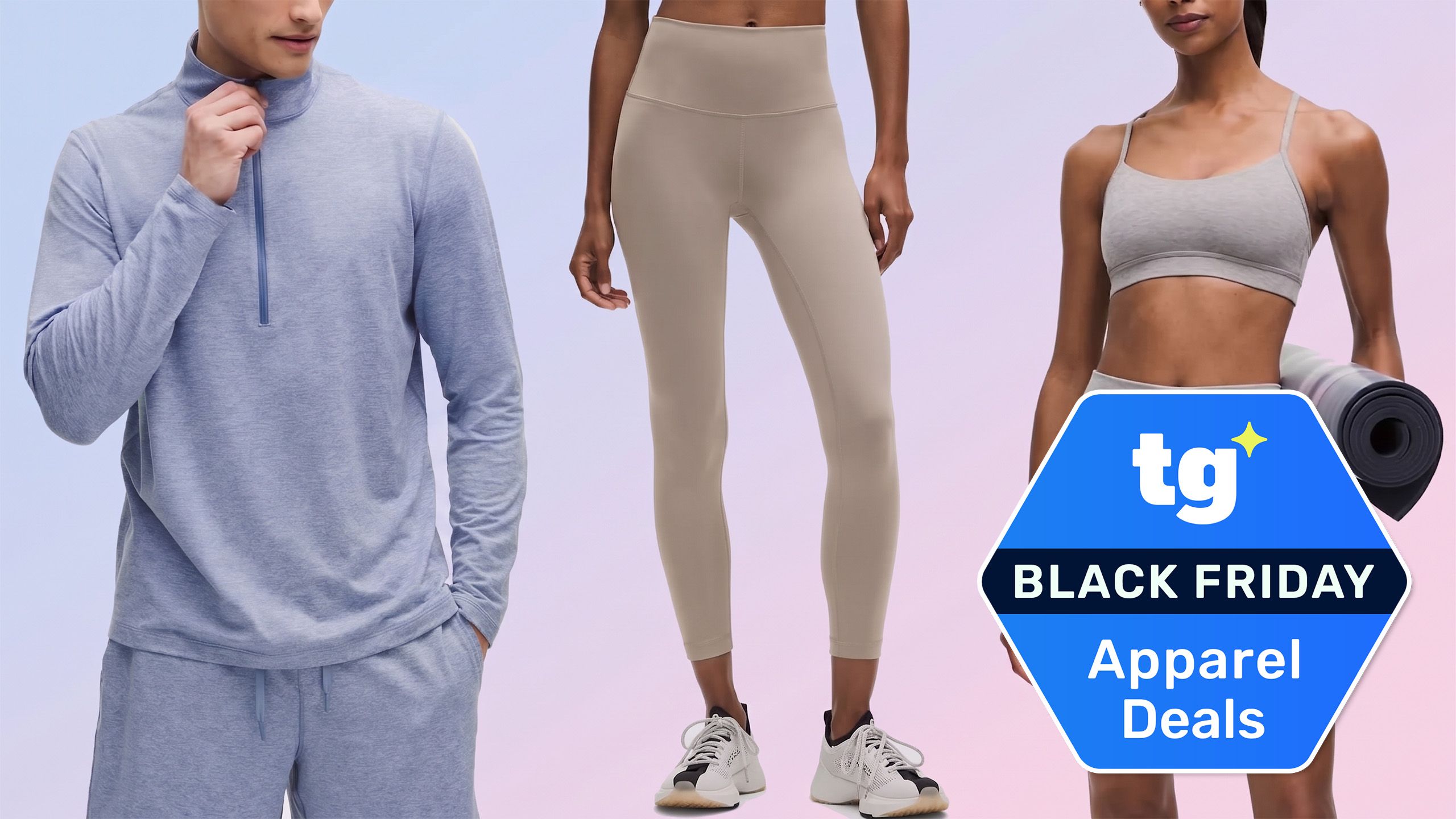
Strategic Approaches to Holiday Shopping
Expert analysis suggests that consumers should adopt a systematic approach to navigating these discounts. To ensure a purchase provides genuine value rather than merely a perceived discount, shoppers should consider the following criteria:
- Material Integrity: Verify the fabric composition. High-performance activewear should feature durable, sweat-wicking materials that maintain shape after repeated laundering.
- Technical Utility: Assess whether the item serves a specific function, such as high-impact support for running or breathable compression for lifting.
- Price History: Utilize browser extensions or price-tracking tools to verify if the "discounted" price is, in fact, lower than the item’s average selling price over the preceding three months.
Industry Perspectives on Consumer Spending
Retail experts emphasize that Black Friday is not merely a discount event but a strategic period for brand loyalty acquisition. When a customer purchases a premium item from a brand like Lululemon at a 30% discount, the barrier to entry for that brand is lowered. If the product meets or exceeds expectations, that customer is statistically more likely to return for full-priced items in the future.
While specific internal sales projections are rarely disclosed by private companies, public filings from retail conglomerates consistently show that the final quarter of the year accounts for a disproportionate share of annual revenue. This pressure to perform often results in the "epic discounts" noted by industry insiders, as brands compete fiercely for a finite pool of consumer discretionary income.
Navigating the Digital Landscape
The proliferation of "fake" deals remains a concern for consumer advocacy groups. Some retailers have been known to inflate base prices weeks before the event to make subsequent markdowns appear more substantial. To counter this, savvy shoppers are encouraged to maintain a "watch list" of desired products well in advance of the sales period.
Furthermore, the rise of social media influencers in the fitness space has changed how these deals are marketed. Brands now leverage affiliate partnerships to drive traffic, meaning consumers should be wary of hyperbole. Objective reviews from fitness professionals who have tested the gear in real-world conditions—such as weight rooms, endurance studios, or outdoor training environments—provide a more reliable metric for value than paid promotional content.
Broader Economic Implications
The success of the Black Friday sales period serves as a critical economic indicator for the retail sector. High consumer participation levels are generally viewed as a sign of economic health and disposable income availability. Conversely, if retail activity remains stagnant during this period, it may indicate broader inflationary pressures impacting household budgets.
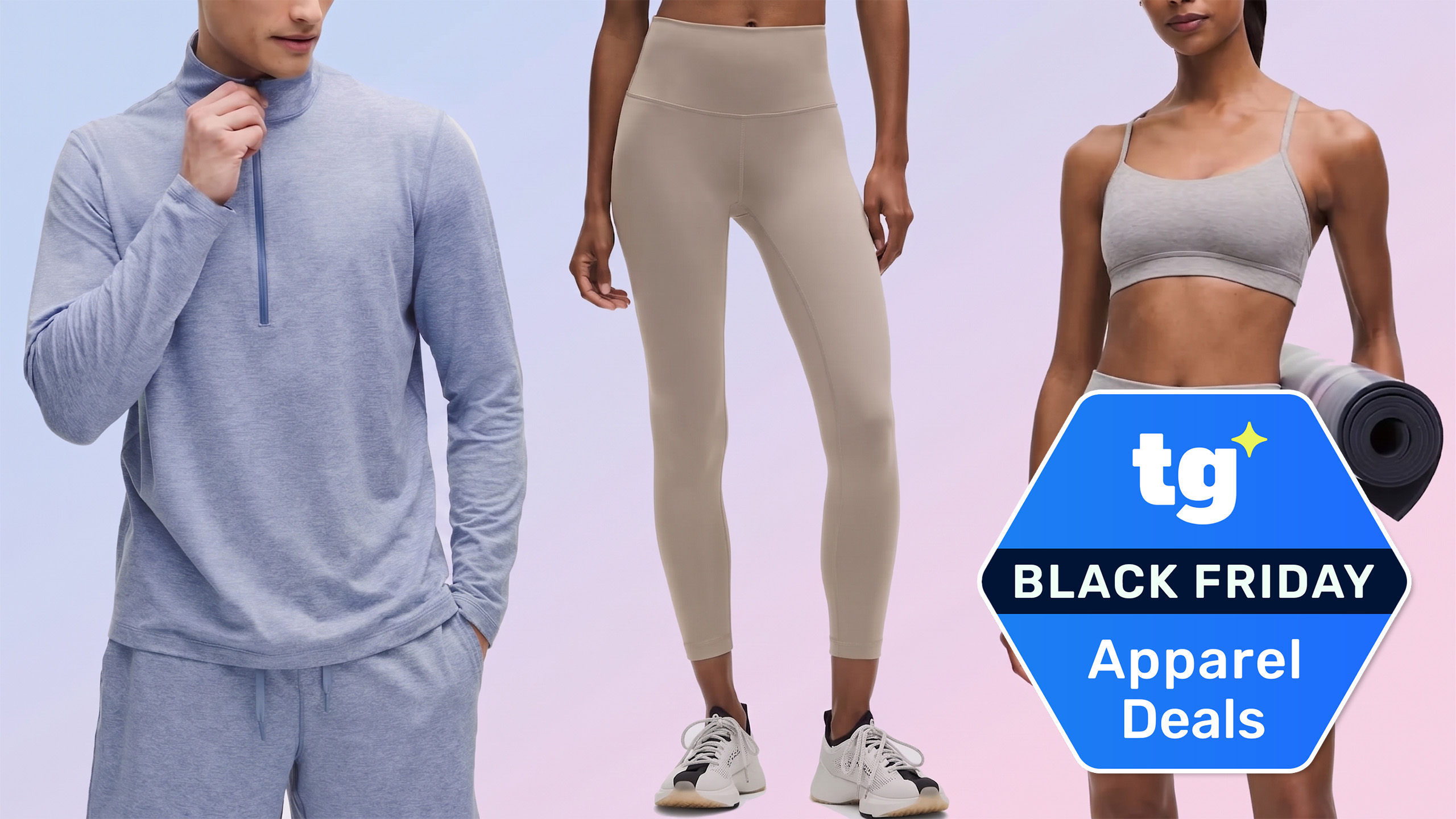
As of the current cycle, retailers have reported an increased focus on inventory management. Following the supply chain volatility of the early 2020s, many apparel companies have become more precise in their production cycles, leading to more targeted, rather than across-the-board, discounts. This means that while there are fewer "everything on sale" events, the deals available on specific high-demand items are often deeper and more substantive.
Best Practices for Sustainable Consumption
Despite the temptation of deep discounts, industry observers often advocate for mindful consumption. The fitness industry is currently under pressure to adopt more sustainable manufacturing practices. Purchasing high-quality items that last for several years is ultimately more cost-effective and environmentally sustainable than buying lower-quality "fast fashion" items that require frequent replacement.
When evaluating deals, prioritize items with long-term utility. A high-quality pair of training shoes or a moisture-wicking jacket that retains its technical properties for years represents a superior investment compared to a high-volume, low-cost purchase of seasonal apparel that may lose its efficacy after a few months of use.
Looking Ahead: The Post-Sale Landscape
As the Black Friday and Cyber Monday period concludes, the retail cycle shifts toward end-of-year clearance. Consumers who missed specific deals should not feel compelled to engage in impulse buys. History shows that inventory not cleared during the Black Friday window is often moved to "clearance" sections in early January, as retailers prepare for the influx of new spring inventory.
In conclusion, while the sheer volume of marketing during the Black Friday period can be overwhelming, a disciplined, research-led approach allows consumers to acquire high-performance gear at prices that align with long-term value. By focusing on technical specifications, brand reliability, and objective price tracking, individuals can successfully navigate the complexities of the modern holiday sales landscape.