Hyundai’s Pivot to Robotaxis: How the South Korean Automaker is Safeguarding its EV Strategy Amid Sluggish U.S. Demand

The American electric vehicle market is currently undergoing a painful reality check. Following years of aggressive projections, soaring consumer adoption curves, and heavy corporate investments, the pace of EV sales growth in the United States has decelerated significantly. Legacy automakers and EV startups alike have been forced to grapple with a shifting political and economic landscape defined by softening consumer demand and the gradual roll-back of federal pro-EV initiatives, including lucrative tax credits and stringent fuel-economy standards.
Rather than succumbing to the market contractions that have plagued competitors, Hyundai Motor Group has engineered a strategic pivot. While major automotive brands from Detroit to Tokyo scale back their electric vehicle ambitions, incur massive financial write-downs, and delay capital-intensive rollouts, the South Korean automotive giant has opted for a radically pragmatic approach: transforming surplus manufacturing capacity into a profit-generating engine for autonomous vehicle (AV) fleets.
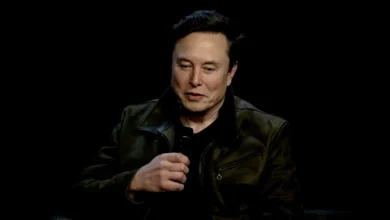
Speaking to reporters in San Jose, California, Hyundai Motor Company CEO José Muñoz offered a clear-eyed assessment of the company’s operational philosophy. Confronted with an unpredictable retail market, Hyundai decided not to absorb heavy asset write-downs, but rather to maximize the utility of its existing investments. Central to this strategy is a burgeoning B2B business model centered on supplying specially engineered electric vehicles to the burgeoning robotaxi and shared-mobility sectors.
The Genesis of the Pivot: Adapting to Market Realities
The roots of Hyundai’s current strategic maneuvering trace back to broader macroeconomic shifts across the global automotive sector. Over the past several years, traditional automakers poured tens of billions of dollars into developing dedicated EV platforms, battery supply chains, and manufacturing facilities. However, retail consumer adoption in the U.S. has hit speed bumps. High vehicle sticker prices, persistent range anxiety, and a public charging infrastructure that remains patchy outside of major metropolitan areas have combined to cool private sales growth.
Simultaneously, the regulatory framework governing transportation has faced political headwinds. Changes in federal policy trajectories and shifting tax incentive structures have forced automotive executives to re-evaluate profitability timelines. Companies that built their business plans entirely around direct-to-consumer retail sales have found themselves overexposed.
Recognizing these vulnerabilities, Hyundai took proactive steps to protect its bottom line. The company adjusted production output at its state-of-the-art Hyundai Motor Group Metaplant America in Savannah, Georgia. Originally envisioned as a dedicated hub for high-volume EV assembly, the facility was rapidly adapted to offer flexible manufacturing lines capable of scaling up production of hybrid electric vehicles (HEVs) to meet resilient consumer demand, while fine-tuning its EV output to match real-world absorption rates.
However, management recognized that simply reducing EV volume was an incomplete solution. The true innovation lay in identifying alternative channels to consume battery-electric production without relying solely on individual retail buyers. Muñoz and his leadership team identified the commercial autonomous vehicle sector as the single largest growth opportunity within the broader EV ecosystem.
The Waymo Partnership and Commercial Validation
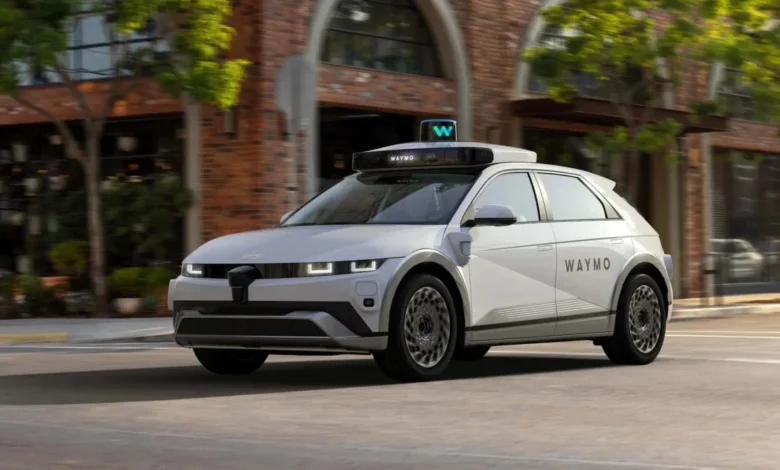
Hyundai’s aggressive push into the robotaxi space is not merely theoretical; it is already yielding concrete financial and operational results. The cornerstone of this commercial strategy is a landmark manufacturing agreement signed with Waymo in 2024. Under the terms of the deal, Hyundai agreed to supply substantial volumes of its critically acclaimed Ioniq 5 electric crossover to serve as the platform for Waymo’s industry-leading autonomous driving system.
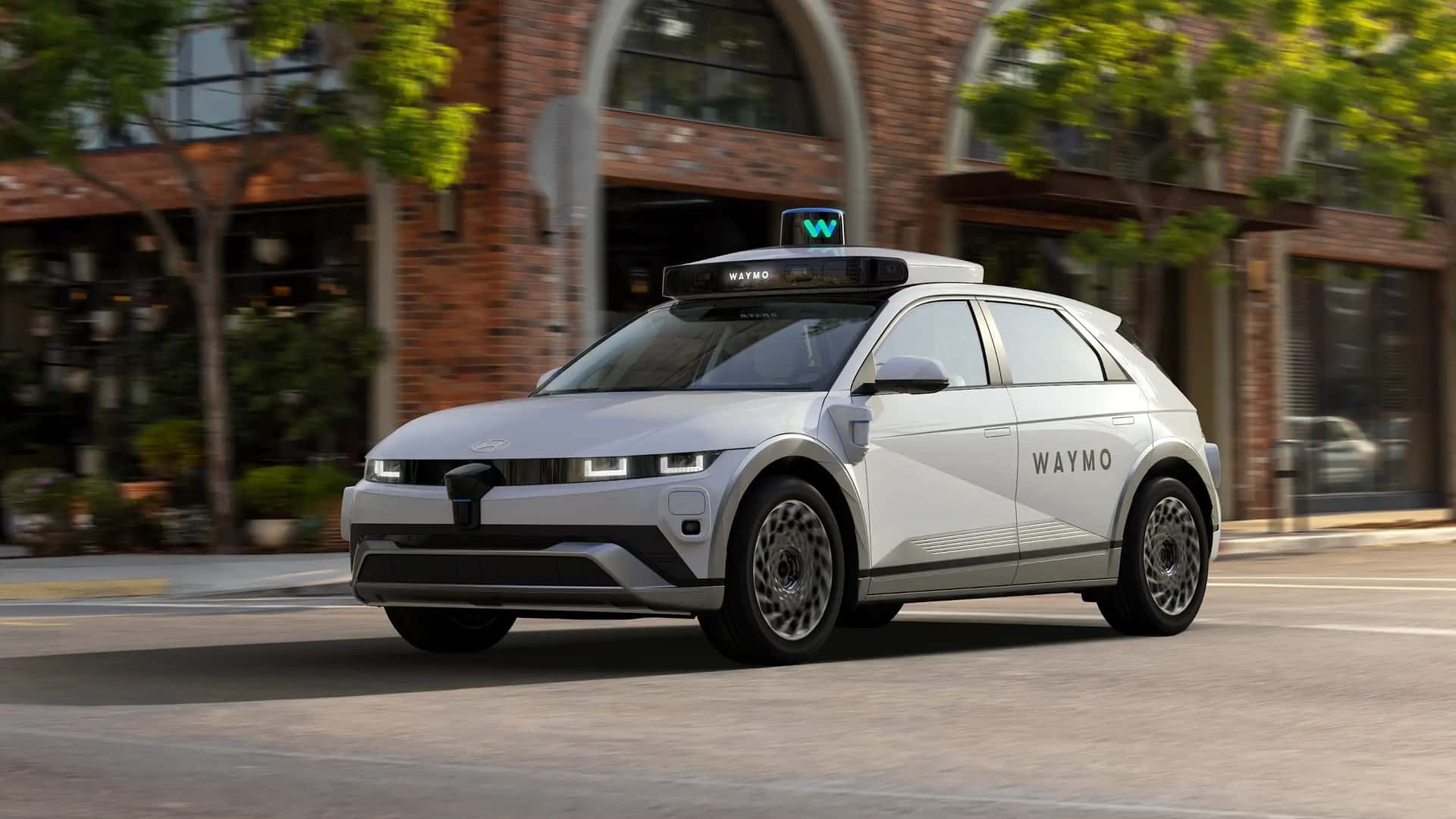
During a recruitment event in San Jose, Muñoz confirmed that Hyundai’s robotaxi manufacturing operations are fully profitable—a critical milestone in an industry where many EV ventures still struggle with unit economics. Crucially, Muñoz revealed that the partnership will see Hyundai manufacture "tens of thousands" of Ioniq 5 robotaxis at the Georgia Metaplant, effectively cementing the initiative as an independent, high-margin business unit within the corporate structure.
The timeline for delivery is already accelerating. Hyundai plans to hand over the first production-ready Ioniq 5 robotaxis—vehicles destined for commercial deployment rather than closed-course testing—to Waymo in the fourth quarter of the year.
These vehicles represent a technological leap forward. They will come factory-equipped with Waymo’s sixth-generation autonomous driving hardware. This integration marks a significant departure from Waymo’s past operational model. While vehicles like the Zeekr-sourced robotaxis in Waymo’s existing fleet require post-production retrofitting and sensor installation at specialized facilities in Arizona, Hyundai’s Ioniq 5 units roll off the Georgia production line fully integrated with the necessary hardware suite. This factory-floor integration drastically reduces logistical friction, assembly costs, and time-to-market.
The Broader Industry Shift: Robotaxis as an EV Lifeline
Hyundai is far from alone in recognizing the commercial synergy between underutilized EV manufacturing capacity and the autonomous ride-hailing industry. Across the automotive landscape, legacy manufacturers and mobility platforms are forging deep alliances to secure guaranteed volume and hedge against retail sales volatility.
The blueprint for this trend is defined by multi-thousand-unit contracts:
- Rivian Automotive recently secured a high-profile agreement with Uber to supply up to 50,000 units of its upcoming R2 crossover platform, engineered to support autonomous operations.
- Lucid Group has positioned itself aggressively in the commercial mobility space, establishing a tie-up with Uber and autonomous technology firm Nuro to supply at least 35,000 vehicles, including the Gravity SUV and upcoming midsize platforms. Furthermore, Lucid announced a major partnership with European shared-mobility platform Bolt to deliver a minimum of 25,000 midsize vehicles tailored for autonomous fleets.
- Stellantis has likewise committed to supplying large volumes of electric vehicles to Uber to support ongoing robotaxi integration programs.
For automotive startups and established players alike, these B2B fleet contracts provide a reliable financial cushion. By securing large-scale corporate buyers, manufacturers can maintain optimal assembly line throughput, amortize fixed research and development costs more efficiently, and achieve economies of scale that would be difficult to sustain through retail sales alone during a cyclical downturn.
Implications and Future Outlook
The rapid evolution of the robotaxi market underscores a fundamental restructuring of personal mobility and automotive manufacturing. For decades, the primary metric of success for a car company was the number of keys handed over to individual retail buyers. Today, the convergence of electrification and autonomy has opened a lucrative secondary front: enterprise fleets that operate continuously, generate predictable recurring revenue, and absorb industrial-scale production volumes.
For Hyundai, the strategic execution of its Georgia Metaplant adaptation serves as a case study in industrial agility. By building flexibility into its manufacturing footprint, the company successfully insulated itself from the immediate shocks of shifting U.S. consumer sentiment and regulatory turbulence. More importantly, by securing foundational partnerships with tier-one autonomous operators like Waymo, Hyundai has positioned itself at the vanguard of commercial fleet supply.
As the first commercial Ioniq 5 robotaxis roll out toward their operational deployments, Muñoz has made it clear that Hyundai’s ambitions do not end with a single client. With robust interest from across the mobility sector, the South Korean automaker is actively laying the groundwork to scale its autonomous manufacturing business even further. In doing so, Hyundai is not only navigating the current transition period of the electric vehicle market—it is helping to define the operational future of global mobility.