Critical Glitch Halts Android 17 Beta 4 Rollout for Pixel Users, Sparking Concerns Over Update Reliability


The highly anticipated rollout of Android 17 Beta 4 has hit an unexpected snag, leaving a significant number of Pixel users unable to install the latest pre-release build of Google’s upcoming mobile operating system. Despite enrolling their devices in the official Android Beta Program, many users are reporting that the Over-The-Air (OTA) update notification either never arrives or fails to install, causing frustration as the stable release of Android 17 draws nearer. This recurring issue, which has plagued previous beta cycles, highlights persistent challenges in the seamless delivery of pre-release software updates, particularly when users are running the latest stable versions with critical security patches.
The Unforeseen Obstacle to Beta Access
As Android 17 steadily progresses towards its final, stable form, Google released Beta 4 last week, signaling a mature and more stable build for wider testing. This phase typically attracts a broader range of users, including enthusiasts eager to experience new features and developers keen to ensure app compatibility. The primary and most convenient method for accessing these beta builds is by enrolling a compatible Pixel device in the Android Beta Program via a dedicated Google portal. Once enrolled, the device is expected to receive an OTA update notification, allowing for a straightforward installation that preserves user data.
However, numerous reports across community platforms, notably Reddit’s Android Beta subreddit, indicate a widespread deviation from this intended smooth process. Pixel owners, after successfully enrolling their devices, are encountering a peculiar predicament: while the system acknowledges an available update for Android 17 Beta 4, the installation process either fails outright or never initiates. User testimonials, such as those from "Negative_Complex_569" and "Hot-Pizza2981," paint a consistent picture of devices stuck in a limbo state, unable to transition from the stable Android 16 build to the latest beta. This prevents them from accessing the new functionalities and stability improvements promised by Beta 4, directly undermining the purpose of the public beta program.
Tracing the Root Cause: A Security Patch Discrepancy
While an official statement from Google regarding the precise nature of this impediment is still pending, the prevailing theory among the Android developer community and experienced beta testers points to a mismatch in security patch levels. The hypothesis suggests that Pixel devices running the most current stable version of Android 16, complete with its latest monthly security updates, possess a newer security patch level than the recently released Android 17 Beta 4. Operating systems are designed with safeguards to prevent "downgrades" to older, potentially less secure patch levels. In this scenario, the device’s system integrity checks likely interpret the Android 17 Beta 4 build as having an older security baseline compared to the installed Android 16 stable version, thus blocking the OTA update to maintain security posture.
This technical safeguard, while crucial for protecting user data and device integrity against known vulnerabilities, inadvertently creates a hurdle for beta testers. The system prioritizes security over the immediate transition to a new feature-rich, yet technically older-patched, beta build. This issue underscores the intricate balance Google must maintain between rapid development cycles for new Android versions and the continuous, granular delivery of security updates for current stable releases.
A Recurring Pattern: Historical Context of Beta Update Glitches
This is not an isolated incident within Google’s Android Beta ecosystem. In fact, reports of similar update failures due to security patch discrepancies emerged earlier this month during the rollout of Android 17 Beta 3. Furthermore, the issue echoes challenges faced by Pixel users during the Android 16 Beta program last year. This recurring problem suggests a systemic gap in the beta program’s update mechanism, particularly in how it handles transitions from a fully updated stable branch to a beta branch that might, at certain points, lag behind in security patch integration.
The Android development cycle typically begins with Developer Previews (DPs), followed by a series of Beta releases, culminating in Platform Stability, and finally, the stable public release. Beta 4 signifies that Android 17 is approaching Platform Stability, a critical milestone where API surfaces are finalized, allowing developers to confidently update their applications. For the beta program to serve its purpose effectively – gathering widespread feedback and identifying bugs – seamless access is paramount. Recurring issues with update delivery, especially at this late stage of the beta cycle, can deter potential testers and impact the quality of feedback Google receives.
Implications for User Experience and Program Credibility
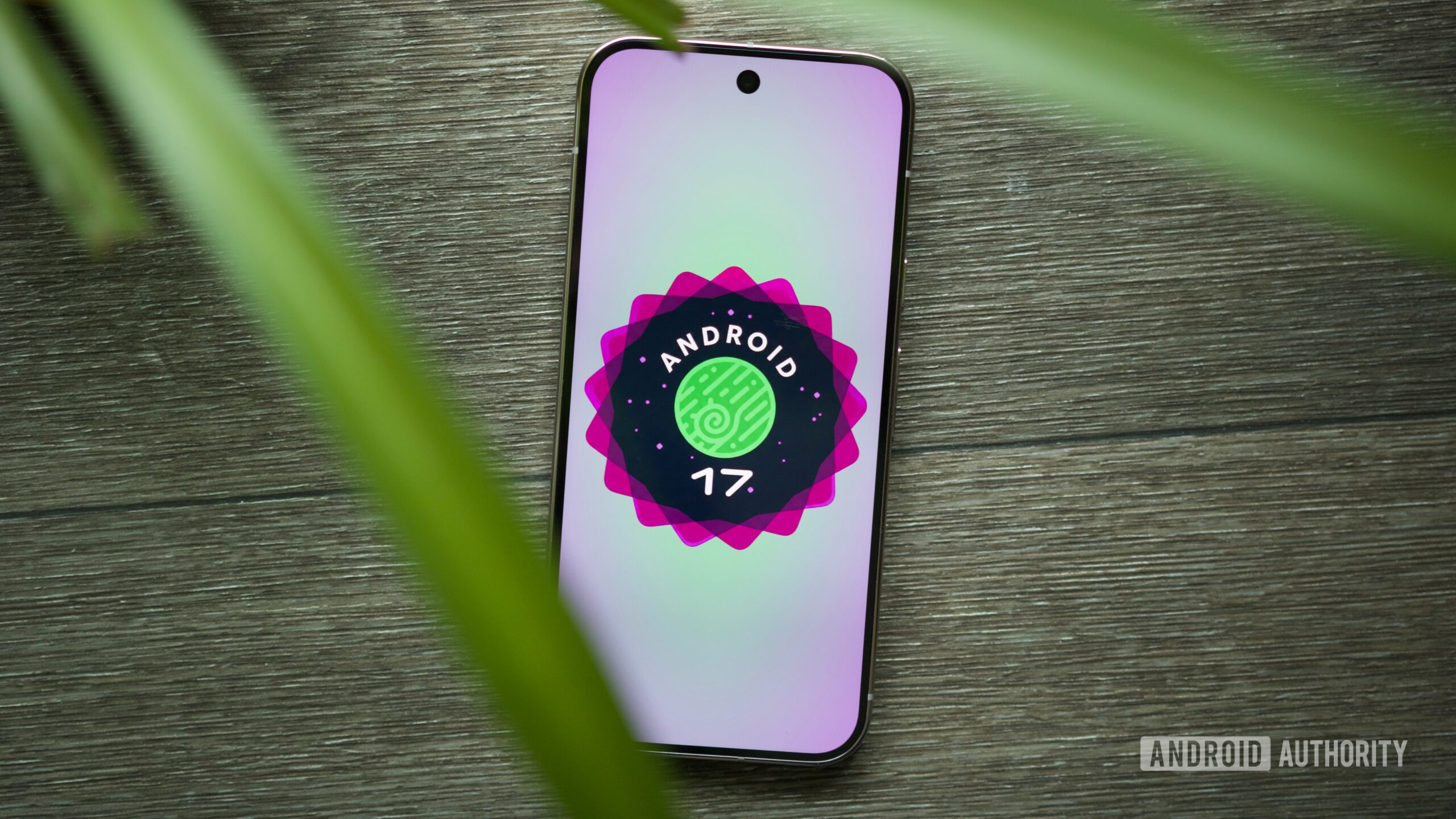
The inability to easily install Android 17 Beta 4 significantly detracts from the user experience, particularly for those who rely on their Pixel device as their primary phone. The expectation of a straightforward OTA update, a hallmark of modern smartphone software, is unmet, leading to considerable frustration. For casual users, the prospect of engaging with complex workarounds like flashing factory images or sideloading OTAs is daunting and often undesirable due to the risk of data loss or device instability.
Moreover, these persistent issues can erode confidence in the Android Beta Program itself. A program designed to offer early access and foster community engagement inadvertently creates barriers, pushing away potential testers who might otherwise contribute valuable feedback. For a company that prides itself on seamless software experiences, these recurring beta update failures present a notable challenge to its reputation for reliability.
Navigating the Impasse: Available Workarounds and Their Drawbacks
For affected Pixel users eager to jump onto Android 17 Beta 4, the options are currently limited and come with significant caveats.
-
Waiting for a Future Beta Release: One passive approach is to simply wait for a subsequent Android 17 Beta release, hoping that a future build will catch up to or surpass the current Android 16 stable security patch level. However, as evidenced by Beta 4 itself, there is no guarantee that the next beta will immediately resolve this specific patch-level conflict. This approach requires patience and offers no immediate solution.
-
Flashing a Factory Image: The most guaranteed, albeit drastic, solution is to manually flash an Android 17 Beta factory image onto the device. This method involves connecting the Pixel phone to a computer and using Android Debug Bridge (ADB) and Fastboot tools to install the entire operating system image. The major drawback here is that flashing a factory image typically wipes all user data from the device, necessitating a complete setup from scratch and restoration from backup. This is a significant deterrent for most users, especially those testing on their primary device. It transforms a relatively low-risk beta enrollment into a high-commitment, data-intensive process.
-
Sideloading an OTA Update: A potentially less destructive, but still more complex, alternative is to manually sideload the OTA update package. Sideloading also uses ADB but applies the update over the existing OS installation, often without requiring a data wipe. However, the effectiveness of sideloading in bypassing the security patch level conflict for this specific issue is still being confirmed. While generally a safer manual method than flashing a full factory image, it still requires technical comfort with command-line tools and precise execution, placing it beyond the comfort zone of many casual beta testers.
The general advice from tech experts for those interested in beta testing remains consistent: whenever possible, utilize a secondary or backup device. This mitigates the risk of data loss and minimizes disruption to daily communication and productivity should issues like this arise or if a full data wipe becomes necessary.
Google’s Role and Future Outlook
Android Authority has reached out to Google for an official explanation and potential resolution for this Beta 4 update issue. An official response is crucial, not only to inform affected users but also to reassure the broader Android community about the stability and accessibility of the beta program. Google’s response could involve:
- Acknowledging the security patch level conflict.
- Providing a detailed, officially sanctioned workaround that minimizes data loss.
- Expediting a new beta build that integrates the latest security patches to resolve the discrepancy.
- Revising the beta program’s update logic to prevent such conflicts in future cycles.
The incident serves as a stark reminder of the complexities inherent in modern software distribution, particularly for operating systems as vast and diverse as Android. The meticulous orchestration of feature development, stability hardening, and critical security patching across multiple branches (stable, beta, developer preview) requires robust infrastructure and foresight.
Looking ahead, Android 17 is on track to bring a host of new features and refinements, focusing on areas like privacy, user interface enhancements, and potentially advanced AI integrations. As it approaches its stable release, likely in the coming months, ensuring a smooth transition for both beta testers and, eventually, the general public, is paramount. The current beta update challenge, while frustrating, is a critical test of Google’s ability to troubleshoot and adapt its release processes in real-time. How quickly and effectively Google addresses this recurring problem will not only determine the immediate success of the Android 17 Beta 4 rollout but also influence the perception and participation in future Android beta programs. For now, many Pixel users remain in a holding pattern, hoping for a clearer path to Android 17 without sacrificing their device’s current data or security.