Signal Ring Promises Calibration-Free Blood Pressure Monitoring, Challenging Existing Wearable Health Tech

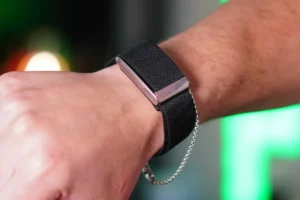
The landscape of personal health technology is poised for a significant shift with the impending launch of the Signal Ring, a smart wearable device developed by startup Vital Signals. This innovative ring claims to deliver accurate, comprehensive blood pressure readings—both systolic and diastolic—without the traditional requirement for regular calibration against a medical-grade cuff. This bold assertion, backed by clinical trials involving thousands of participants, positions the Signal Ring as a potential game-changer in the ongoing quest for seamless and reliable health monitoring, setting it apart from current offerings like the Apple Watch and the Oura Ring.
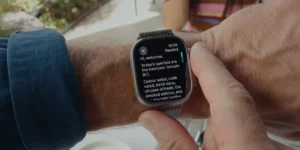
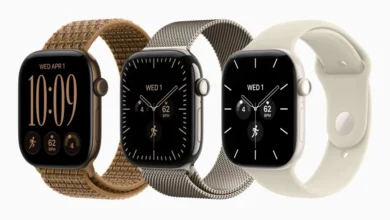
Current market leaders in wearable technology, including five recent Apple Watch models running watchOS 26, have introduced features designed to enhance cardiovascular health awareness. These devices are capable of measuring blood pressure to generate alerts for potential hypertension. However, they stop short of providing users with actual numerical blood pressure readings. Instead, they focus on flagging anomalies that might indicate a need for further medical consultation. Similarly, some existing smart rings and fitness trackers offer blood pressure estimation, but these typically rely on a crucial caveat: periodic calibration using a conventional arm-cuff monitor to maintain accuracy, a requirement that can be cumbersome and undermine the promise of truly continuous, effortless monitoring. The Signal Ring’s promise to circumvent this calibration step represents a significant technological leap.
The imperative for accurate and accessible blood pressure monitoring cannot be overstated, particularly concerning hypertension, often dubbed the "silent killer." This condition, characterized by abnormally high blood pressure, poses severe and often irreversible risks to the cardiovascular system, brain, and kidneys. Globally, hypertension affects an estimated 1.28 billion adults aged 30-79 years, according to the World Health Organization (WHO), and is a major contributing factor to premature death worldwide. Alarmingly, many individuals remain unaware of their condition due to the absence of noticeable symptoms, leading to delayed diagnosis and intervention. This lack of early detection can result in catastrophic events such as heart attacks, strokes, heart failure, and kidney disease. While less common, abnormally low blood pressure (hypotension) can also present health risks, including dizziness, fainting, and organ damage in severe cases. For vulnerable populations, especially older adults or those with pre-existing conditions, regular blood pressure monitoring is a critical component of preventative healthcare. While home blood pressure cuffs offer a practical solution for intermittent checks, the ideal scenario involves fully automatic, continuous monitoring through a device seamlessly integrated into daily life.

The journey towards non-invasive, cuff-less blood pressure measurement in consumer wearables has been fraught with challenges. Traditional blood pressure monitors rely on the oscillometric method, where an inflatable cuff temporarily occludes an artery and then slowly deflates, detecting pressure oscillations caused by blood flow. Replicating this accuracy without a cuff is inherently complex. Most wearable solutions attempt to estimate blood pressure using photoplethysmography (PPG) sensors, which detect changes in blood volume in the microvasculature, often combined with accelerometers to measure pulse wave velocity (PWV). The speed at which a pulse wave travels through arteries is correlated with arterial stiffness and, consequently, blood pressure. However, these physiological parameters are highly individual and can be influenced by various factors, making accurate, uncalibrated readings notoriously difficult to achieve. This is why many existing wearable devices, including some smart rings and even certain smartwatches, require an initial calibration with a traditional cuff and subsequent periodic recalibrations to maintain a reliable baseline.
Apple’s foray into blood pressure monitoring, introduced with watchOS 26, represents a significant step for mainstream wearables. While specific models were not detailed in the original article, the functionality is available on five Apple Watch iterations. This feature allows the watches to monitor patterns that might suggest hypertension. Users receive alerts if the device detects signs of potential high blood pressure, prompting them to consult a healthcare professional or measure their blood pressure with a certified device. This approach, while valuable for raising awareness, consciously avoids providing specific readings, likely due to the stringent regulatory requirements and the technical complexities of achieving medical-grade accuracy without calibration. It positions the Apple Watch as a screening tool rather than a diagnostic instrument for blood pressure. Other devices, like the popular Oura Ring, typically offer comprehensive health tracking, including heart rate, sleep, and activity, and may provide insights into cardiovascular health trends, but generally do not offer direct, calibration-free blood pressure measurements.
Vital Signals, the startup behind the Signal Ring, aims to disrupt this paradigm. The company’s CEO, Tom Moss, revealed a deeply personal motivation for founding Vital Signals. Moss experienced a severe health scare due to undiagnosed hypertension, an incident that profoundly impacted his life and career trajectory. His previous experience spans prominent tech companies, including drone manufacturer Skydio Inc. and hardware innovators Razer Inc. and Nextbit Systems, equipping him with a strong background in developing cutting-edge consumer electronics. Moss articulated the fundamental problem he seeks to solve: "Fundamentally, there’s almost no real way for you to truly know your blood pressure as a consumer, and it’s kind of crazy." This sentiment underscores the gap in the market for an accessible, reliable, and user-friendly solution for continuous blood pressure monitoring.
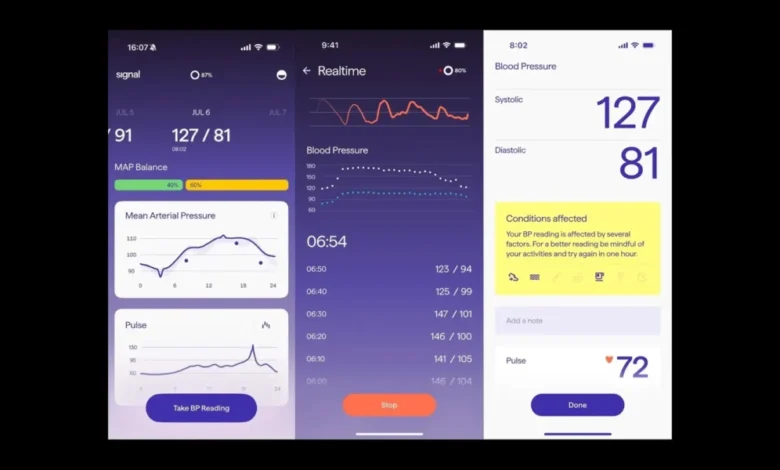
The Signal Ring, priced at $399 with no ongoing subscription required, is set to go on pre-sale imminently, with deliveries anticipated in October. This pricing strategy, devoid of a recurring fee, presents a compelling value proposition compared to some health tech ecosystems that rely on subscription models for full feature access. The device works in conjunction with a dedicated companion application, which is designed to display live blood pressure readings and track trends over time, providing users with a comprehensive overview of their cardiovascular health. This direct, actionable data empowers individuals to monitor their condition proactively and share insights with their healthcare providers.
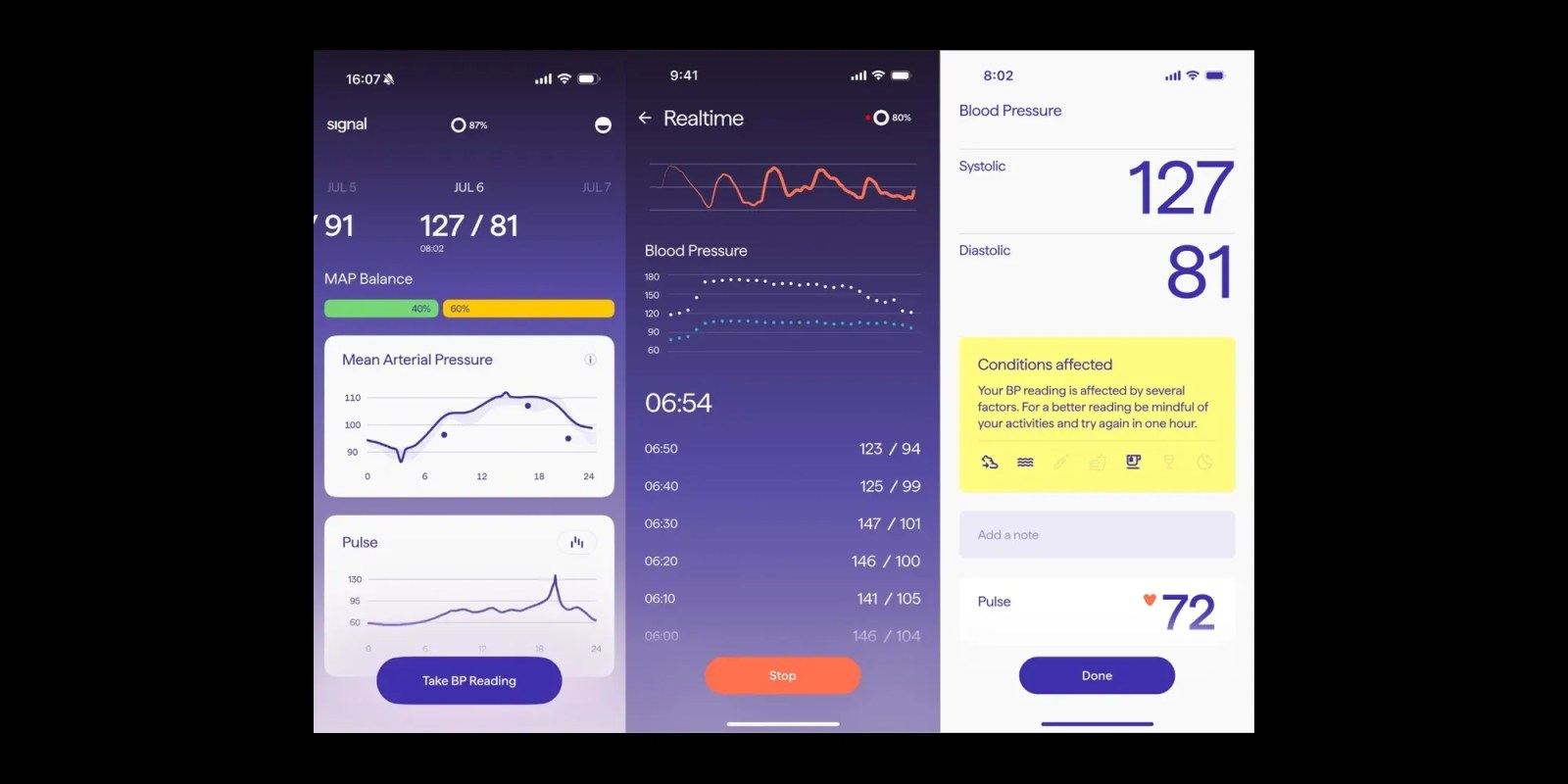
A crucial aspect of the Signal Ring’s credibility lies in its clinical validation. While the article notes that the Oura Ring currently lacks clearance from the US Food and Drug Administration (FDA) for blood pressure claims, it highlights that clinical trials for the Signal Ring have demonstrated accurate blood pressure readings across thousands of participants. Achieving FDA clearance or equivalent regulatory approval from bodies like the European Medicines Agency (EMA) is a significant hurdle for any medical device making diagnostic claims. Such approvals signify that the device meets rigorous standards for safety, effectiveness, and accuracy, a critical endorsement that builds trust among both consumers and the medical community. The ongoing trials and eventual regulatory status will be pivotal in determining the Signal Ring’s long-term success and adoption.
Interestingly, Vital Signals CEO Tom Moss is not positioning the Signal Ring as a device for every consumer. His candid assessment of the market and the product’s specialized capabilities reveals a targeted strategy. Moss suggests that the Signal Ring is best suited for older individuals, those with a known risk of hypertension, or individuals who have been specifically advised by their doctors to monitor their blood pressure regularly. This implies a deliberate focus on medical utility rather than broad lifestyle tracking, acknowledging that the Signal Ring might not offer the same comprehensive suite of features—such as advanced sleep tracking or extensive activity metrics—found in general wellness devices. For younger, less-at-risk individuals, or those confident in their cardiovascular health, Moss even advises: "Just buy an Oura or an Apple Watch." This transparent market segmentation differentiates the Signal Ring as a specialized medical-grade wearable rather than a general fitness tracker.
The implications of a truly calibration-free blood pressure monitoring ring are far-reaching, potentially revolutionizing personal health management and impacting the broader healthcare ecosystem. Firstly, it could significantly enhance early detection and intervention for hypertension, potentially mitigating the severe health consequences associated with delayed diagnosis. By providing continuous, effortless monitoring, individuals can gain unprecedented insight into their blood pressure fluctuations throughout the day, in various contexts, and over extended periods. This granular data can be invaluable for both individuals and their healthcare providers in developing personalized treatment plans. For clinicians, such a device could facilitate remote patient monitoring, allowing for better management of chronic conditions and reducing the burden of frequent in-office visits for routine checks.
Furthermore, the Signal Ring’s innovative approach could set a new benchmark for medical-grade accuracy in consumer wearables, pushing other manufacturers to invest further in advanced non-invasive sensing technologies. This competitive pressure could accelerate the development of other sophisticated health monitoring features, leading to a more comprehensive and accurate suite of tools for personal health. The absence of a subscription model also makes the technology more accessible, removing a potential financial barrier for many users who could benefit from continuous monitoring.

However, despite the promising claims, challenges and considerations remain. The long-term accuracy and reliability of the Signal Ring in diverse real-world conditions, outside of controlled clinical trials, will be crucial. Factors such as skin tone, activity level, and environmental conditions can influence sensor performance. User adherence to wearing the device consistently and correctly will also play a role in the utility of the data collected. Moreover, the interpretation of continuous blood pressure data requires a level of health literacy, and users must be educated on how to respond to alerts or changes in their readings, ideally in consultation with medical professionals. The ethical implications surrounding the collection and privacy of sensitive health data will also need careful consideration as these technologies become more pervasive.
In conclusion, the Signal Ring from Vital Signals represents a compelling advancement in wearable health technology, offering the tantalizing prospect of accurate, calibration-free blood pressure monitoring in a discreet and convenient form factor. Its specialized focus on addressing a critical health need, combined with its founder’s personal mission and a robust clinical trial foundation, positions it as a significant entrant into the market. While the path to widespread adoption will undoubtedly involve navigating regulatory approvals and demonstrating sustained real-world efficacy, the Signal Ring holds the potential to empower millions in their proactive management of cardiovascular health, moving closer to an era where personal health intelligence is truly seamless and actionable.