IOS 27 adds a delightful birthday surprise to the Phone app experience

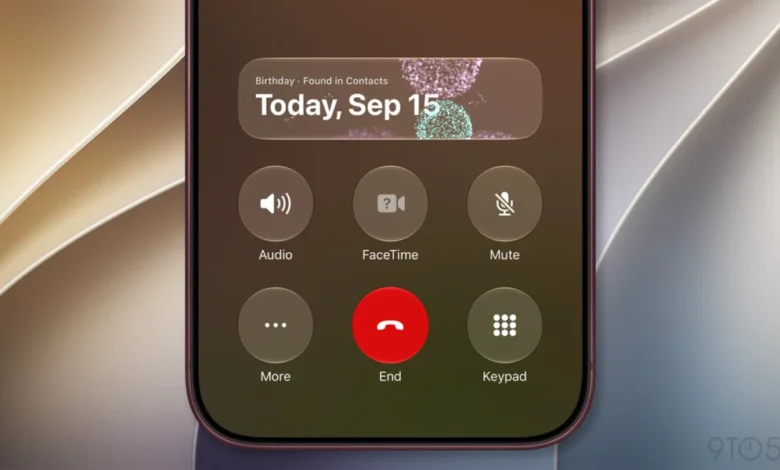
The recent rollout of iOS 27 has brought a suite of updates to the Apple ecosystem, but among the major security patches and performance enhancements lies a subtle, user-facing feature that has captured the attention of the community: a birthday-themed animation within the Phone application. This feature, which triggers a festive fireworks display when a user initiates a call to a contact celebrating their birthday, marks a continued trend in Apple’s design philosophy to integrate emotional, celebratory moments into the core functionality of its operating systems.
A Chronology of Apple’s Birthday Integration
Apple’s tradition of acknowledging user milestones is not new, but it has certainly evolved over the last several years. The integration of birthday recognition began in earnest with the Apple Watch and watchOS, where the device serves as a constant companion on the wrist. For years, watchOS users have been greeted at the stroke of midnight on their birthdays with a dedicated notification, accompanied by the iconic fireworks animation that has become synonymous with Apple’s celebratory UI elements, such as those used for New Year’s Eve.
The evolution of this feature into the iPhone’s core communication suite suggests a broader strategic move to unify the “human” experience across devices. While watchOS was the pioneer in this space, the inclusion of similar visual feedback in the iOS 27 Phone app—first brought to light by social media users such as Tiino-X83—indicates that Apple is prioritizing contextual awareness. By pulling data directly from the Contacts app, iOS 27 ensures that the user is reminded of a contact’s special day exactly when they are most likely to reach out, effectively bridging the gap between personal scheduling and active communication.
Technical Implementation and User Experience
The mechanism behind this feature relies on the synchronization between the Contacts application and the Phone app’s interface. When a user taps to call a contact who has a birthday recorded for the current date, the Phone app triggers a UI banner overlay. This overlay displays the celebratory animation, providing a brief, high-fidelity visual cue before the call connects.
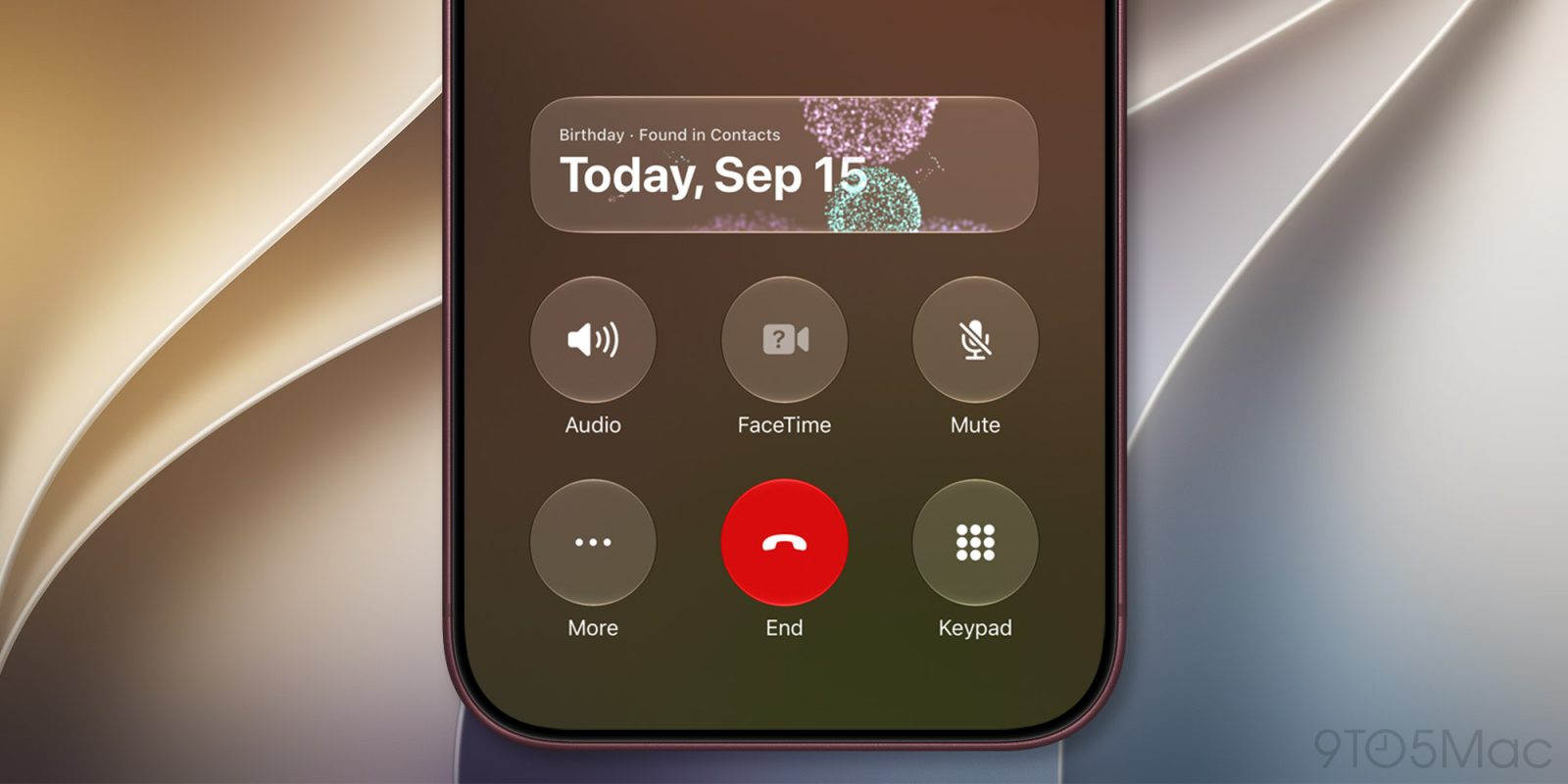
This design choice serves several psychological and practical purposes. From a user experience (UX) perspective, it provides immediate context, potentially prompting the caller to extend well-wishes as the call begins. Technically, this represents an expansion of the “Intelligence” layer within iOS. Apple’s 2027 software updates appear to be heavily focused on what the company calls “contextual surfacing,” where the system intelligently pushes relevant information to the forefront based on time, location, and metadata.
Complementing this, the watchOS 27 update—released in tandem with iOS 27—has introduced a more aggressive birthday reminder system within the Apple Watch Smart Stack. The Smart Stack, which organizes widgets based on relevance, now proactively surfaces birthday reminders for close contacts. This creates a multi-layered ecosystem of reminders, ensuring that whether a user is checking their wrist or dialing from their iPhone, the significance of the date is reinforced.
The Broader Impact: Humanizing the Interface
The decision to bake these small, “delightful” features into the operating system is a hallmark of Apple’s long-standing design ethos. By moving beyond pure utility, the company aims to foster a more emotional connection between the hardware and the user. In an era where digital fatigue is a common concern among technology consumers, these “Easter eggs” and subtle animations serve to soften the cold, transactional nature of a smartphone.
Analysts tracking Apple’s software trajectory note that this is part of a larger trend toward “proactive computing.” Rather than waiting for the user to search for a birthday or check a calendar, the operating system identifies the event and presents it as part of the user’s natural workflow. This reduces the cognitive load on the user, allowing them to participate in social rituals—like calling a friend on their birthday—without the friction of manually checking dates.
Data Privacy and Personal Information
While these features rely on personal data stored within the Contacts app, Apple continues to emphasize its privacy-first architecture. The birthday recognition system in iOS 27 operates entirely on-device. The data used to trigger these animations—the contact’s birthday date—is not transmitted to Apple’s servers for processing. The system scans the local database on the iPhone or Apple Watch, matches the date with the current system time, and triggers the animation locally.

This approach is critical for user trust. As the system becomes more “intelligent” and proactive, the volume of personal data it parses increases. By keeping the processing local, Apple manages to maintain the utility of the feature while adhering to the stringent privacy standards that have become a central pillar of its brand identity.
Comparative Analysis: The Evolution of System Intelligence
To understand the scale of these updates, one must look at the progression from previous versions. In earlier iterations of iOS, the Contacts app was largely a static repository. Users could store birthdays, but the system did little to highlight them outside of the Calendar app. iOS 27 has effectively turned the Contacts list into a dynamic, interactive dashboard.
The synergy between the Phone app, the Smart Stack on watchOS, and the underlying Contacts database creates a seamless experience that feels less like a software update and more like a refined digital assistant. This shift is indicative of the direction Apple is taking for its future operating systems: the OS should not just be a tool for running apps, but an intelligent layer that understands the user’s social and professional context.
Official Perspectives and Industry Implications
While Apple typically refrains from commenting on minor UI adjustments in its release notes, the inclusion of these features in the official documentation for watchOS 27 signals that the company views these “delight” features as competitive advantages. In a market where smartphone hardware has reached a plateau of iterative improvement, the software experience—and the emotional intelligence displayed by that software—becomes a primary differentiator.
Competitors in the mobile space, such as those within the Android ecosystem, have also begun to experiment with similar contextual features, though often through third-party integrations or specific manufacturer overlays rather than a core OS-wide standard. Apple’s approach, by integrating these features across the entire “walled garden” of iOS, watchOS, and potentially visionOS, creates a consistent and reliable experience that encourages users to remain within the ecosystem.

Future Outlook: What Lies Ahead?
As we look toward future iterations of iOS, it is likely that this trend of proactive, context-aware design will continue to expand. We may see the integration of birthdays into other communication channels, such as iMessage or the Mail app, providing similar visual cues or suggested actions. The success of the birthday animation in the Phone app suggests that users appreciate these small touches, provided they do not interfere with the primary utility of the device.
For developers, this evolution signals a shift in how applications should be designed. The “Apple way” is clearly moving toward a model where the OS provides the intelligence and the apps provide the platform for that intelligence to manifest. Developers who can tap into these system-level APIs to provide relevant, timely, and context-aware interactions will likely see higher user engagement.
Conclusion
The addition of birthday animations in iOS 27 may seem like a minor detail in the grand scheme of a massive software update. However, it represents a significant step in the evolution of human-computer interaction. By transforming the act of calling a contact into a personalized, celebratory event, Apple is reinforcing the importance of social connectivity in a digital age.
As users continue to explore the capabilities of iOS 27 and watchOS 27, it is clear that the focus has shifted from merely increasing processing power or screen resolution to improving the quality of the user’s daily life. Whether it is through a fireworks animation on a birthday or a timely reminder on a watch face, these features serve to make our technology feel a little more human, a little more aware, and, ultimately, a little more helpful. For those who have yet to see the feature in action, the next birthday on your contact list will serve as a quiet, festive reminder of the attention to detail that continues to define the modern Apple experience.
Related posts: