Pixelated Episode 118: Analyzing Google’s New Android-Powered Laptop Initiative

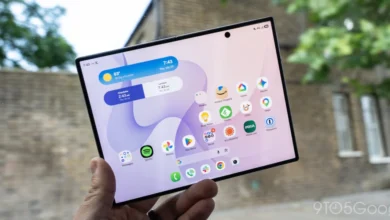
The landscape of personal computing is undergoing a significant shift as Google introduces its latest hardware venture: a new line of laptops powered by Android rather than the traditional ChromeOS platform. This development marks a pivotal transition in Google’s hardware strategy, aiming to bridge the gap between mobile versatility and desktop productivity. In the latest installment of the Pixelated podcast, hosts Damien and Abner provide comprehensive hands-on impressions of these devices, exploring the operational nuances of an Android-centric laptop environment and the strategic challenges Google faces in this competitive market.
The Evolution of Google’s Computing Strategy
Google’s foray into the laptop market has historically been defined by ChromeOS, a lightweight, web-centric operating system that revolutionized the education sector and budget-conscious consumer markets. Since the introduction of the first Chromebook in 2011, the platform has grown to command a substantial share of the global education market. However, as mobile chipsets become increasingly powerful—exemplified by the transition to ARM-based architectures—the line between a high-end tablet and a traditional laptop has blurred.
The move to an Android-powered laptop represents a fundamental change in Google’s ecosystem architecture. By leveraging the vast Android application library, Google is attempting to create a unified user experience that spans across smartphones, tablets, and now, laptops. This strategy acknowledges the shifting demands of modern users who prioritize app compatibility and touch-first interfaces, even in professional work environments.
Hands-On Impressions and Technical Nuances
During the discussion on Pixelated episode 118, the hosts dissected the practical implications of utilizing Android in a laptop form factor. One of the primary focal points was the user interface; while Android is optimized for touch and smaller screens, adapting the interface for a larger display and a keyboard-mouse paradigm remains a complex design challenge.
Users familiar with ChromeOS will notice immediate differences in file management, system settings, and multitasking workflows. Android’s architecture relies on a different permissions model and background process management compared to the Linux-based kernel of ChromeOS. The hosts noted that the transition period for users accustomed to the web-first approach of ChromeOS may require an adjustment phase, particularly as they navigate the app-centric nature of the new Android-powered environment.

Furthermore, the hardware integration presents both opportunities and hurdles. By utilizing Android, Google can theoretically offer better integration with existing mobile services, such as seamless syncing of text messages, notifications, and cloud-based assets. However, the software must account for desktop-grade productivity tasks—such as advanced window management and peripheral support—which are currently more robust in the mature ChromeOS ecosystem.
Timeline of the Google Hardware Pivot
The shift toward an Android-powered laptop did not occur in a vacuum. It follows years of iterative development:
- 2011: Launch of the first Chromebooks, establishing ChromeOS as a niche, web-first alternative to Windows and macOS.
- 2016-2017: Google begins the process of integrating the Google Play Store into ChromeOS, allowing users to run Android apps on laptops.
- 2021-2022: The rise of high-performance ARM chips in the mobile space prompts Google to rethink the necessity of maintaining two distinct desktop/mobile operating systems.
- 2023: Internal development of a unified desktop Android interface gains momentum, focusing on multi-window support and productivity-focused optimizations.
- 2024: Official announcement and release of the new Android-powered laptop lineup, signaling a strategic focus on cross-platform synergy.
Market Data and Competitive Analysis
The laptop market remains highly saturated, dominated by established players like Apple with its M-series MacBooks and various PC manufacturers utilizing Windows 11. According to recent market analysis from IDC and Gartner, while the global PC market has stabilized following the pandemic-era fluctuations, consumer preference is increasingly tilting toward devices that offer long battery life and integrated mobile ecosystems.
The challenge for Google lies in market perception. Consumers have long associated Android with phones and tablets, and ChromeOS with education and budget computing. By introducing an Android laptop, Google must clearly define the target audience. Is this a premium device for professionals, or a new standard for the consumer mass market? Data suggests that success in the premium segment requires not just hardware prowess, but a robust software environment that can handle heavy multitasking and professional-grade software—areas where Android historically trails behind Windows and macOS.
Strategic Implications for the Android Ecosystem
The expansion of Android into the laptop form factor carries profound implications for software developers. If this platform gains traction, developers will be incentivized to optimize their applications for larger, landscape-oriented screens, keyboard input, and trackpad navigation. This "desktop-class" evolution of Android apps could solve one of the longest-standing criticisms of the operating system: the lack of high-quality, tablet-and-laptop-optimized software.
For Google, the risk is fragmentation. Maintaining two separate operating systems (ChromeOS and Android) for laptop computing could confuse consumers and divide developer resources. Industry observers suggest that the company may eventually seek to merge the two platforms entirely, utilizing the best of ChromeOS’s web-handling capabilities with the massive Android application ecosystem.

Expert Perspectives and Future Outlook
During the podcast, the hosts emphasized that the success of this initiative depends heavily on Google’s post-launch support. To compete effectively, the company must commit to a rigorous update cycle, ensuring that the Android laptop interface evolves in tandem with user feedback.
"The potential is immense," noted the hosts, "but it requires a long-term commitment to refining the desktop experience." Google’s ability to attract third-party developers to adopt the new form factor will be the ultimate test of the platform’s viability. If the Android laptop can successfully mirror the seamless connectivity users expect from Apple’s "Continuity" features, it could potentially redefine the mobile-to-desktop workflow for millions of users worldwide.
Privacy and Security Considerations
As with any new Google product, privacy remains a central topic of discussion. The sponsorship of the episode by Proton Unlimited highlights a growing consumer demand for privacy-focused tools within the Android ecosystem. While Android provides robust security features, the integration of a desktop-class OS into the cloud-heavy Google ecosystem requires transparency regarding data collection, especially as these devices become central hubs for both professional and personal data.
Conclusion and Call to Action
The introduction of an Android-powered laptop is a watershed moment for Google’s hardware division. By challenging the traditional boundaries of operating systems, the company is betting on the future of converged computing. Whether this experiment will successfully evolve into a dominant platform remains to be seen, but the initial impressions suggest that the foundation is strong, provided the software continues to mature at a rapid pace.
Listeners interested in the ongoing development of this platform are encouraged to follow the discussions on Pixelated, where future episodes will continue to track the performance and user adoption rates of these new devices. For those seeking additional, in-depth analysis of the Android ecosystem, the 9to5Google community forums remain a primary resource for peer-to-peer discussion and technical troubleshooting.
This transition marks a bold step forward in Google’s attempt to unify its software vision. As the company navigates the complexities of hardware-software integration, the tech industry will be watching closely to see if Android can truly conquer the desktop—or if it will remain a supplementary tool in the broader computing landscape.