The enduring appeal and technical evolution of the Fujifilm X Series camera ecosystem


Fujifilm has emerged as a dominant force in the contemporary digital photography market, driven by a strategic pivot away from the hyper-competitive race for raw performance specifications and toward a philosophy centered on user experience, tactile design, and proprietary color science. While industry giants such as Canon, Nikon, and Sony have largely focused on iterative advancements in resolution, autofocus tracking, and high-speed burst rates, Fujifilm has successfully carved out a lucrative niche by emphasizing the aesthetic and emotional resonance of its X Series line of mirrorless and compact cameras.
The flagship of this movement is the Fujifilm X100VI, a high-end compact camera that has become a cultural phenomenon since its introduction. Equipped with a 40.2-megapixel APS-C sensor, the X100VI balances high-resolution output with a compact form factor, appealing to both professional street photographers and a growing demographic of social media-driven enthusiasts. The demand for the X100VI has been so significant that supply chains have struggled to keep pace for over two years, creating a secondary market marked by inflated resale prices and sustained consumer interest.

A Chronology of the X Series Evolution
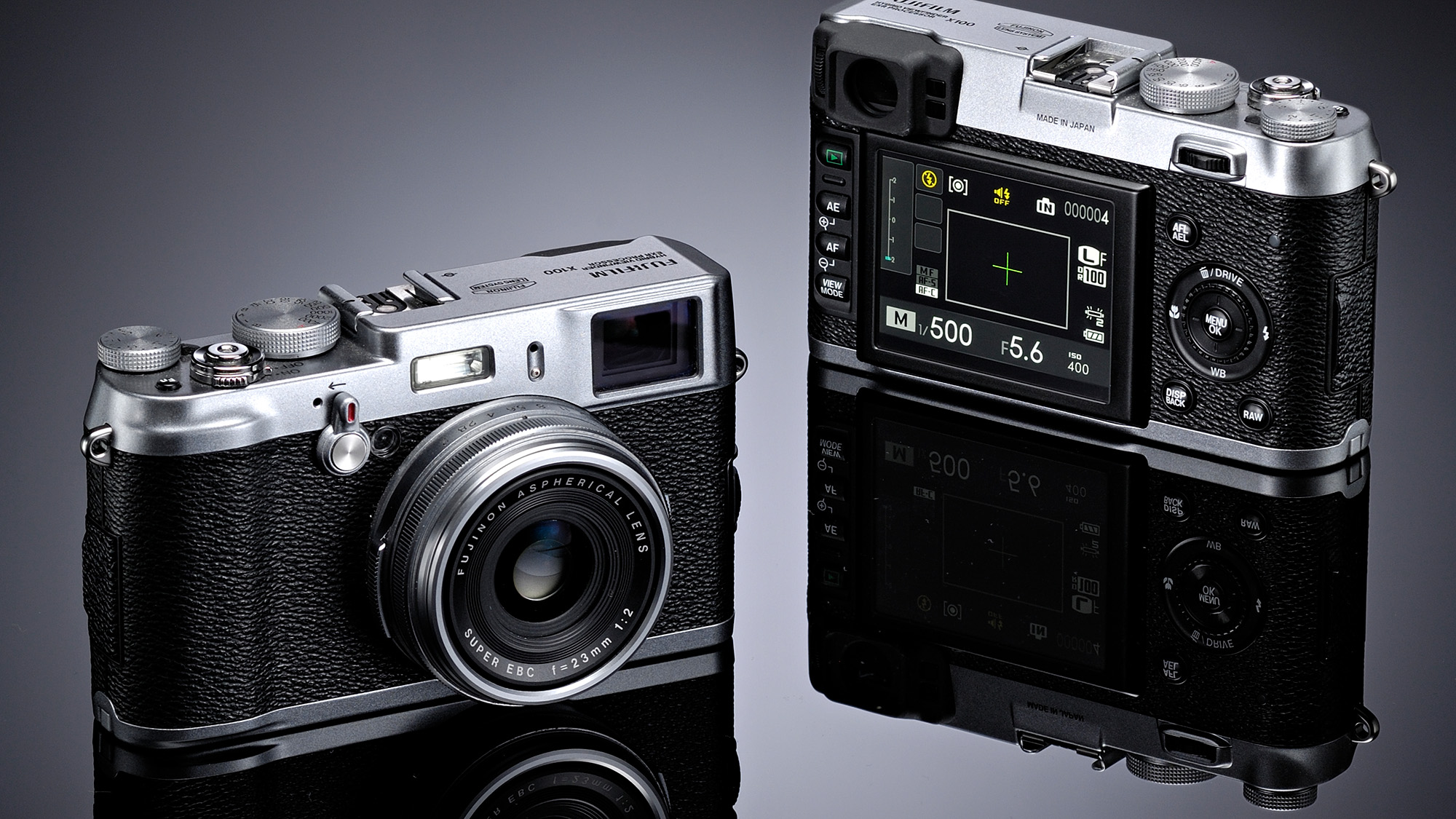
The journey of the X Series began in 2010 with the release of the original Fujifilm FinePix X100. At the time, the camera was a bold statement—a digital rangefinder-style compact that prioritized physical aperture rings and shutter speed dials over the menu-heavy interfaces of its competitors. However, the X100 utilized a traditional Bayer filter sensor, distinct from the unique technology that would later define the brand’s identity.
In 2013, the release of the X100S marked a pivotal moment for the company, as it introduced the first iteration of the X-Trans sensor. This proprietary technology, which utilizes a randomized color filter array rather than the standard Bayer pattern, was designed to minimize moiré and aliasing without the need for an optical low-pass filter. This design choice became the technical foundation for the "Fuji look"—a term coined by photographers to describe the specific color rendering and tonal characteristics associated with the system.
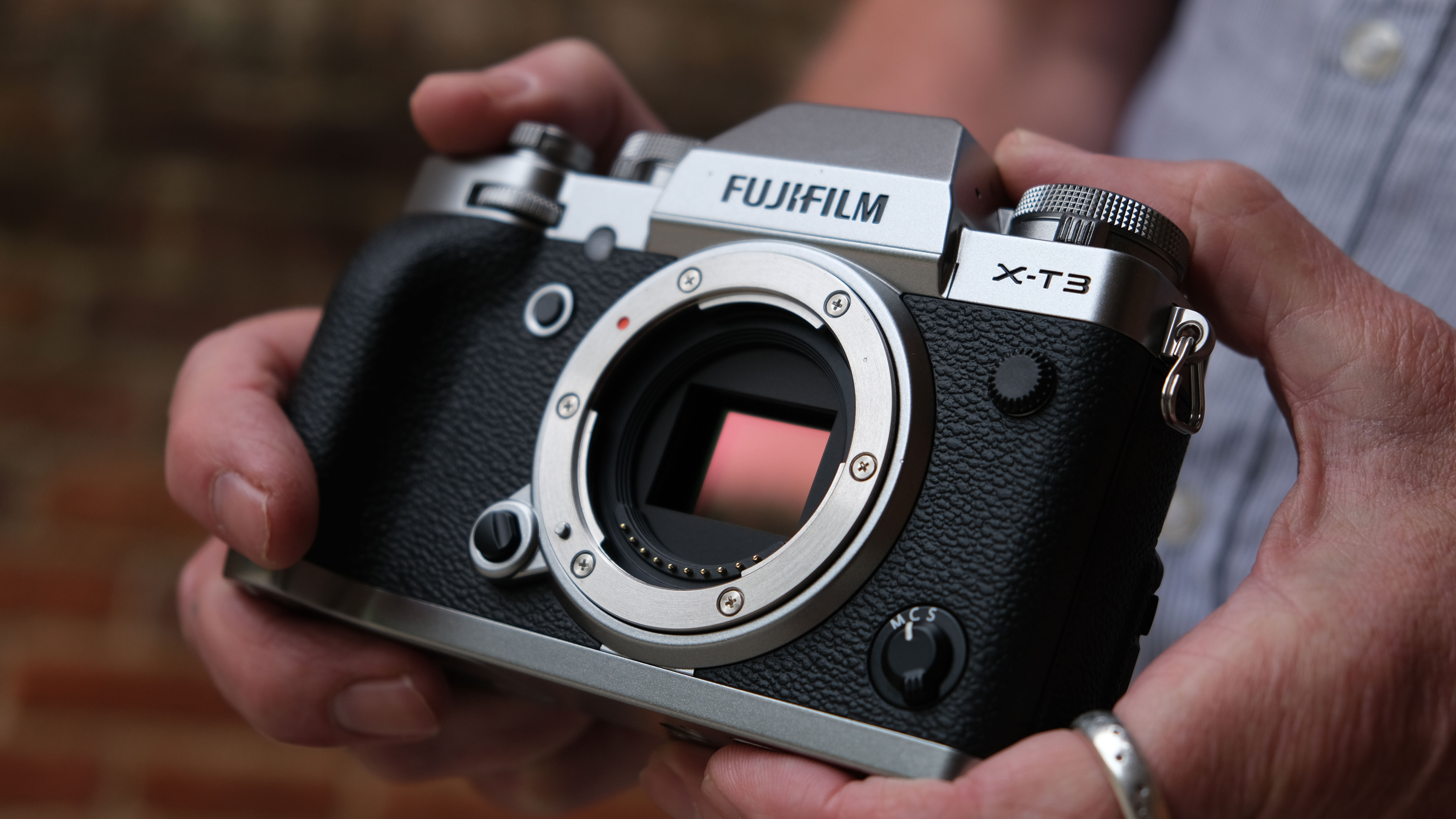
Following the success of the X100 series, Fujifilm expanded its mirrorless offerings, introducing the X-Pro and X-T series. These cameras established a modular ecosystem that allowed photographers to pair modern sensor technology with vintage-inspired manual controls. The timeline of development shows a steady progression: the introduction of the X-Trans II sensor followed by the third, fourth, and fifth iterations, each refining low-light performance and autofocus capability while maintaining the core design language.

Understanding the Technical Differentiators
The distinction between sensor technologies is a critical factor for prospective buyers navigating the used market. Not every camera bearing the "X" designation utilizes the signature X-Trans sensor. The entry-level X-A series, which included models such as the X-T100 and X-T200, utilized standard Bayer sensors to reduce manufacturing costs and broaden market accessibility. Similarly, the XF10, a fixed-lens compact, also featured a Bayer array.
Furthermore, a subset of early X-series cameras, including the X10, XF1, and X-S1, utilized EXR sensors. These were engineered to provide high dynamic range and high sensitivity by combining pixels, a technology that differs fundamentally from both the X-Trans and standard Bayer CMOS architectures. Understanding these differences is essential for consumers, as the specific sensor technology heavily influences the final image output and the compatibility with specific raw processing software.
The Role of Film Simulations in Modern Workflow
A cornerstone of Fujifilm’s market strategy is the inclusion of "Film Simulations." These digital profiles are designed to mimic the color science and tonal curves of the company’s legacy analog film stocks, such as Velvia, Provia, and Astia. While these features are now ubiquitous across the X Series, their origins date back to 2003 with the FinePix F700.

The integration of these simulations represents a broader trend in the industry: the digitalization of nostalgia. By allowing users to apply sophisticated color grades in-camera, Fujifilm has effectively lowered the barrier to entry for achieving a specific aesthetic without requiring extensive post-processing. However, as the series has matured, the library of simulations has expanded. Newer models include modern classics like "Classic Chrome" and "Classic Negative," which are absent in older, legacy models like the original X-Pro1. This creates a functional gap that prospective buyers should evaluate before investing in older hardware.
Broader Market Implications and Consumer Trends
The sustained popularity of the X Series has had a notable impact on the broader camera market. First, it has validated the demand for "tactile" photography. As smartphones continue to dominate the consumer photography space, the hardware manufacturers that have succeeded are those that provide an experience that is physically and mentally distinct from a touchscreen interface. Fujifilm’s emphasis on physical dials and distinct camera silhouettes has forced competitors to re-evaluate their design languages, with several other manufacturers now launching retro-styled bodies.
Second, the supply constraints surrounding the X100VI and other popular models have accelerated the "digicam" trend. This trend has seen a surge in interest for older, discontinued digital cameras, which are now being purchased for their specific, "early-digital" image quality. Fujifilm’s back-catalog has benefited from this, with even decade-old models commanding high prices on the used market.
Economic and Strategic Analysis
From an economic perspective, Fujifilm’s refusal to engage in a direct "megapixel war" with full-frame manufacturers like Sony and Canon has proved to be a sound long-term strategy. By optimizing for the APS-C sensor format, the company has maintained a smaller, lighter system that is inherently more portable. This optimization allows for a tighter integration between lens design and sensor architecture, which arguably contributes to the brand’s reputation for superior color science.
However, the strategy is not without risks. The focus on a specific aesthetic can potentially alienate users who require high-performance, full-frame capabilities for professional applications such as high-end studio work or extreme low-light cinematography. Furthermore, as competitors integrate more advanced AI-driven autofocus and computational photography features, the "analog-first" experience must continue to evolve to remain relevant to a younger, tech-savvy audience.
Summary for Prospective Buyers
For those currently navigating the marketplace, the decision-making process should be twofold: identifying the desired sensor technology and evaluating the necessity of specific software features like Film Simulations.
If the goal is to achieve the specific, highly-regarded look of the X-Trans sensor, one must ensure the chosen model is equipped with it. If the goal is the most comprehensive set of color profiles, newer generations are mandatory. The market for Fujifilm cameras remains complex, blending legacy technology with cutting-edge advancements. As the company continues to refine its X Series, the balance between historical design and modern performance will likely remain the defining characteristic of its competitive edge.
Ultimately, the "Fuji look" is a combination of sensor technology, image processing, and lens optics. Whether through the flagship X100VI or a seasoned, well-maintained X-E1, the brand has demonstrated that in an era of rapid technological turnover, there remains a substantial, enduring market for cameras that prioritize the craft of photography as much as the final result.