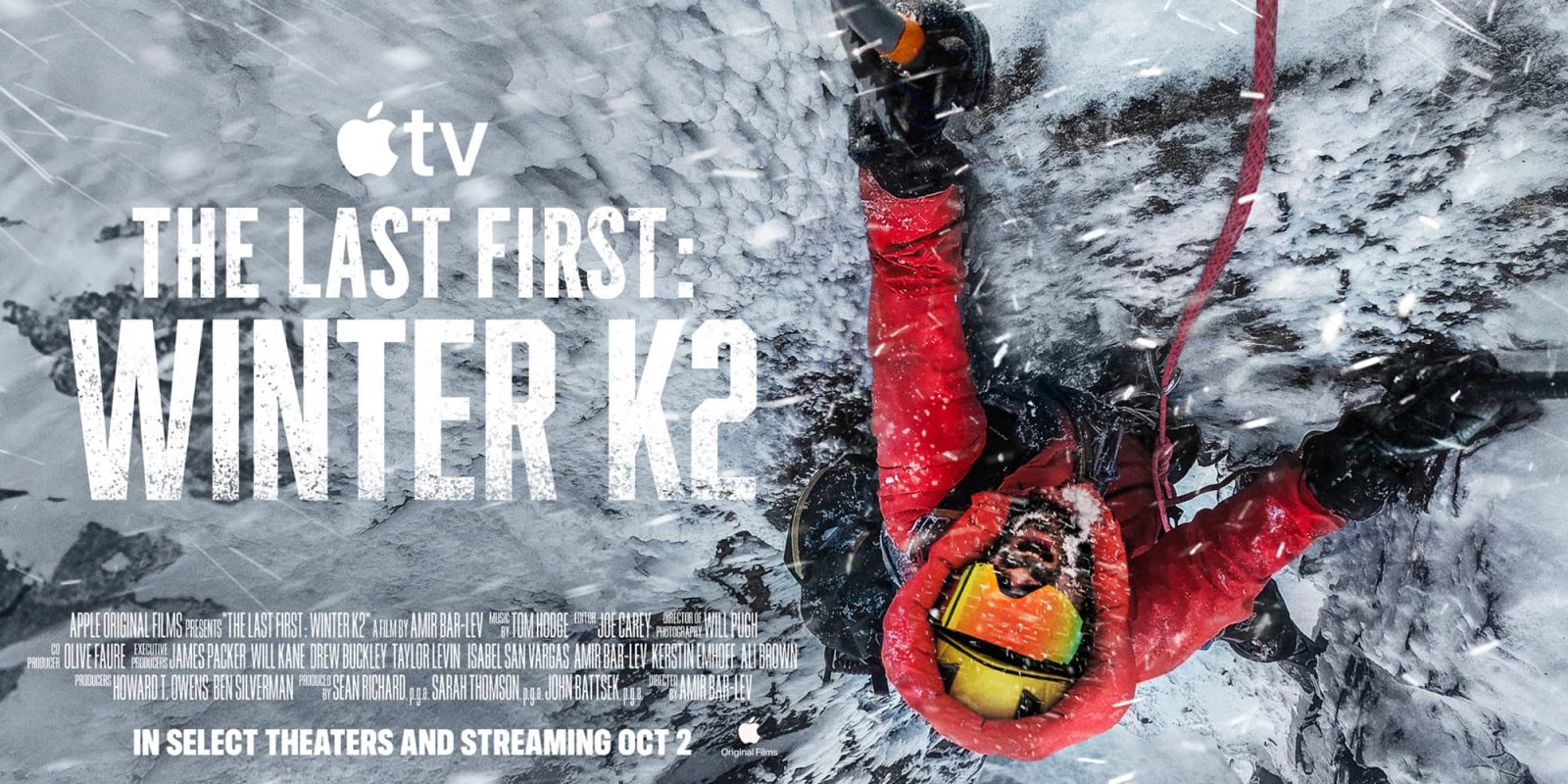
The high-stakes world of elite mountaineering is set to be scrutinized with unprecedented depth when Apple TV debuts the documentary The Last First: Winter K2 on October 2. Directed by acclaimed filmmaker Amir Bar-Lev, the film offers a piercing examination of the commercialization, cultural shifts, and life-or-death realities that define contemporary high-altitude climbing. Having already garnered a perfect 100% approval rating on Rotten Tomatoes following its festival circuit run, the documentary is poised to be one of the most significant non-fiction releases of the year.
The documentary focuses specifically on the 2021 winter expedition to K2, the world’s second-highest mountain. Often referred to as the "Savage Mountain," K2 has long been considered a far more formidable challenge than Mount Everest, particularly during the winter months when temperatures plummet to -60°C and hurricane-force winds become a constant threat. The project chronicles the journey of Icelandic climber John Snorri Sigurjónsson alongside the Pakistani father-son duo, Ali and Sajid Sadpara, as they attempted the first successful winter ascent of the peak.
A Chronology of the 2021 K2 Winter Expedition
The narrative of The Last First: Winter K2 is anchored in the tragic events that unfolded in early 2021. To understand the gravity of the film, it is necessary to examine the timeline of the expedition that captured global headlines:
- December 2020: International teams began arriving at the K2 Base Camp, signaling the start of a historic winter season. The base camp quickly became a crowded hub of diverse interests, ranging from professional alpine climbers to commercial expedition operators and social media influencers.
- January 16, 2021: A historic milestone was reached when a 10-member team of Nepali climbers, including Nimsdai Purja and Mingma G, successfully summited K2 in winter for the first time. While this was celebrated as a monumental achievement for mountaineering, it also created immense pressure for the other teams remaining on the mountain.
- February 5, 2021: John Snorri Sigurjónsson, Ali Sadpara, and Sajid Sadpara launched their final push toward the summit. During this ascent, contact was lost with the climbers.
- February 6–18, 2021: A massive, multi-national search and rescue operation was launched. Despite the use of high-tech drones and military helicopters, the harsh winter conditions hampered efforts.
- February 18, 2021: Authorities officially declared the three missing climbers dead, concluding the search and transitioning the focus to the recovery of their remains.
- July 2021: The bodies of the three climbers were recovered from the upper reaches of the mountain, providing a degree of closure to their families and the climbing community.
The Shifting Landscape of Extreme Mountaineering
The Last First: Winter K2 transcends a simple retelling of a tragedy; it serves as a critical analysis of the changing demographics and motivations within the sport. Bar-Lev’s documentary highlights the tension between traditional alpine ethics and the modern "industrialization" of the mountains.
For decades, K2 was considered the exclusive domain of elite, highly skilled mountaineers who relied on their own physical prowess and technical knowledge. However, as documented in the film, the 2021 expedition saw the rise of a new paradigm: the "influencer climber." These individuals, often accompanied by high-end film crews, use the prestige of climbing 8,000-meter peaks to fuel their social media presence, creating a new economic model that prioritizes visibility over the traditional, quiet pursuit of the summit.
Furthermore, the film highlights a significant shift in the role of Sherpas and high-altitude workers. For years, these individuals were viewed primarily as support staff for Western expeditions. The 2021 winter season demonstrated that this dynamic has been irrevocably altered, as local teams—particularly from Nepal and Pakistan—have asserted their own authority and expertise, no longer content to remain in a subservient role while Westerners capture the glory.
Supporting Data: The Cost of Commercialization
The commercialization of the world’s most dangerous peaks has led to a measurable increase in traffic, which, according to mountain safety experts, correlates with an increase in accidents. Data from the Himalayan Database and similar tracking organizations indicates that as commercial expeditions have expanded, the "crowding" of the death zone (the area above 8,000 meters) has created logistical bottlenecks.

On K2, where the climbing windows are often extremely narrow due to weather patterns, these bottlenecks can be fatal. In 2021, the influx of commercial operators meant that more people were attempting to summit during the same brief weather window than ever before. This creates a "class and caste" dynamic, as noted by the filmmakers, where the safety of the group is often compromised by the differing experience levels of commercial clients, who may lack the necessary acclimatization or technical proficiency to handle emergencies.
Industry Implications and Official Responses
The release of The Last First: Winter K2 is expected to reignite the debate surrounding the ethics of high-altitude tourism. Organizations like the International Climbing and Mountaineering Federation (UIAA) have long advocated for self-regulation and increased safety standards, yet the pull of tourism revenue remains a powerful incentive for host nations.
In the wake of the 2021 tragedy, several prominent figures in the mountaineering community publicly addressed the necessity for stricter permitting processes. Reinhold Messner, widely considered one of the greatest high-altitude climbers in history, has frequently criticized the "Disneyfication" of the Himalayas and the Karakoram, arguing that the loss of life is a direct consequence of prioritizing profit over fundamental climbing ethics.
The film serves as a somber rebuttal to the glamour often associated with modern extreme sports. By focusing on the families left behind—specifically the perspective of Sajid Sadpara, who survived the climb—the documentary forces viewers to confront the human cost of the "summit at all costs" mentality.

A New Era for Apple TV Documentaries
The acquisition of this documentary by Apple TV fits into a broader strategy to secure high-quality, prestige non-fiction content. By securing the global rights to a Sundance selection, Apple continues to position its platform as a destination for serious, narrative-driven filmmaking. The 100% Rotten Tomatoes score is a testament to the film’s technical execution and narrative impact.
As subscribers prepare for the October 2 release, the documentary offers more than just a survival story. It provides a nuanced, albeit harrowing, look at the intersections of global inequality, the relentless drive of human ambition, and the indifference of nature.
For those interested in the broader ecosystem of the platform, the documentary joins an existing library of critically acclaimed programming. Apple TV, which remains available for $14.99 per month or via the Apple One bundle, has built its reputation on high-production-value series such as Severance, The Morning Show, and Silo. The Last First: Winter K2 represents a pivot toward the "prestige documentary" space, where deep-dive investigative journalism meets cinematic storytelling.
Conclusion
The Last First: Winter K2 is poised to become a definitive text on the current state of mountaineering. Through the lens of a tragic, failed expedition, Amir Bar-Lev has crafted a narrative that is as much about the sociology of risk as it is about the physics of the climb. As the industry grapples with its future, this film stands as a critical documentation of a pivotal moment—one where the last frontiers of the earth finally collided with the realities of the modern, hyper-connected world. Whether the sport can reconcile its history with its commercial future remains to be seen, but the documentary provides the essential, unflinching context required for that conversation to begin.