Amazon Slashes Price on First-Generation Ray-Ban Meta Smart Glasses, Boosting Accessibility to Wearable Technology

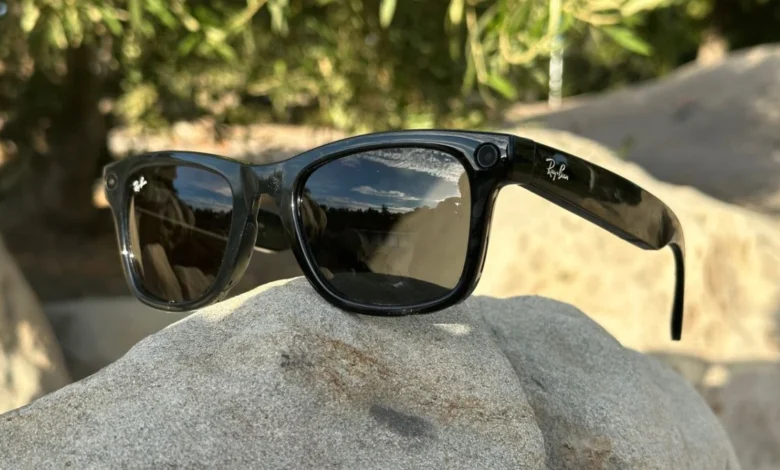
The e-commerce giant Amazon has initiated a significant price reduction, offering a 25% discount on the first-generation Ray-Ban Meta smart glasses. This move positions the wearable technology as a more accessible option for consumers interested in hands-free digital interaction without the premium associated with the latest models or advanced augmented reality (AR) features. The discount applies across various lens and Wayfarer frame color options, with specific configurations reaching the lowest price points, making this an opportune moment for budget-conscious early adopters or those seeking a capable entry point into smart eyewear. This strategic pricing action by Amazon reflects a broader industry trend of making previous-generation technology more affordable to expand market penetration and clear inventory in anticipation of future product cycles.
The Evolving Landscape of Smart Glasses and Meta’s Vision
The smart glasses market, while still nascent compared to smartphones or smartwatches, represents a significant frontier in consumer electronics. Companies like Meta Platforms, Inc. have invested heavily in this sector, viewing it as a crucial component of their long-term vision for the metaverse – a persistent, interconnected virtual environment. The Ray-Ban Meta smart glasses are a tangible step in this direction, designed not as full-fledged AR or extended reality (XR) devices with built-in heads-up displays (HUDs), but rather as sophisticated "AI smart glasses." Their primary function revolves around seamless, hands-free capture of photos and videos, integrated audio, and AI-powered functionalities, all while maintaining the iconic style of Ray-Ban eyewear.
Meta’s journey into wearable cameras began with "Ray-Ban Stories," launched in September 2021. This initial foray laid the groundwork for integrating technology discreetly into fashionable frames, albeit with some public discussion regarding privacy features. The subsequent release of the first-generation Ray-Ban Meta smart glasses in October 2022 built upon this foundation, enhancing features, refining the user experience, and deepening the integration with Meta’s software ecosystem. The latest, second-generation models, introduced in September 2023, further advanced capabilities, particularly in areas like camera quality, processing power, and battery efficiency. However, the consistent release cycle of consumer electronics often leads to strategic pricing adjustments for previous models, a trend Amazon is now capitalizing on. This strategy not only helps clear existing inventory but also expands the addressable market by making sophisticated technology more affordable, thereby encouraging wider adoption of wearable tech.
Deep Dive into the First-Generation Ray-Ban Meta Smart Glasses
Despite being superseded by a newer model, the first-generation Ray-Ban Meta smart glasses retain a compelling suite of features that justify their appeal, especially at a discounted price. These glasses are engineered for convenience and capturing life’s moments spontaneously, directly from the wearer’s point of view. They integrate dual 5-megapixel cameras capable of recording crisp photos and 1080p videos at 30 frames per second. This "first-person" capture method offers a unique narrative capability, allowing users to document experiences without interrupting the moment by fumbling for a smartphone, making them ideal for concerts, hikes, or family gatherings.
Audio integration is another key strength. The glasses feature open-ear speakers discreetly built into the temples, delivering rich audio for music playback, podcasts, and phone calls, while still allowing the wearer to remain aware of their surroundings. This design avoids the isolation often associated with in-ear headphones, making them suitable for active use or social environments where situational awareness is crucial. Furthermore, a three-microphone array ensures clear voice capture for calls and voice commands, facilitating hands-free interaction with connected devices and Meta’s AI assistant. The built-in AI features enable users to control various functions through natural language commands, enhancing the hands-free experience.
The utility of these glasses extends beyond mere capture and audio. They are deeply integrated with Meta’s ecosystem, allowing for easy sharing of content to social media platforms like Instagram and Facebook directly from the Meta View app. The device also offers substantial onboard storage, typically capable of holding up to 500 photos or 30 videos (30 seconds each), mitigating the need for frequent offloading to a paired smartphone. This local storage ensures that users can continue capturing content even when disconnected from their phone.
For individuals requiring corrective vision, the first-generation Ray-Ban Meta smart glasses offer significant versatility. They are compatible with most prescriptions and can be fitted with a variety of lens types, including clear, polarized, and transitional lenses. This ensures that the integration of smart technology does not compromise the primary function of eyewear, making them a practical choice for a broad demographic who might otherwise be excluded from smart eyewear options.
In terms of endurance, the first-generation glasses provide up to 4 hours of battery life per charge under typical usage conditions, which includes a mix of photo/video capture, audio playback, and calls. For more intensive activities like live streaming, this translates to approximately 30 minutes of continuous broadcast. A key convenience factor is their rapid charging capability, reaching 50% battery in just 20 minutes and a full charge in about 70 minutes using the included charging case. This quick top-up feature is particularly beneficial for casual users or those who need a swift power boost before heading out, ensuring that the glasses are almost always ready for use.
Distinguishing Between Generations: Gen 1 vs. Gen 2
Understanding the nuances between the first and second-generation Ray-Ban Meta smart glasses is crucial for consumers making an informed purchase decision. While the core functionality of hands-free capture, audio, and AI integration remains consistent, the second-generation models, launched in September 2023, introduced several notable refinements:
- Camera Quality: The Gen 2 glasses feature a significantly upgraded 12-megapixel ultrawide camera sensor, compared to the Gen 1’s 5-megapixel sensor. This translates to sharper, more detailed photos and the capability to record higher-quality 1080p video at 60 frames per second, offering smoother motion and improved low-light performance.
- Audio Enhancements: While both generations boast open-ear audio, the Gen 2 often includes improvements in speaker quality, offering a richer sound profile, enhanced bass response, and potentially better directional audio for a more immersive listening experience. The microphone array may also see upgrades for even clearer voice pickup in noisy environments.
- Battery Life: The second-generation models generally offer a slight improvement in overall battery endurance, often extending total usage time by approximately 30-60 minutes beyond the 4 hours of the Gen 1, and potentially offering longer live streaming capabilities due to more efficient components.
- Design and Comfort: A notable enhancement in the Gen 2 is a lighter overall build, typically reducing the weight by a few grams (e.g., from approximately 49-50g in Gen 1 to 48-49g in Gen 2, depending on the model). While the exact weight difference might seem marginal, even a few grams can significantly impact long-term comfort for eyewear, especially during extended wear. This lighter construction contributes to a more ergonomic fit, reducing pressure points.
- Processor: The Gen 2 incorporates a newer, more powerful processor, specifically the Qualcomm Snapdragon AR1 Gen 1 platform. This enhances overall performance, speeds up AI computations, improves the responsiveness of the glasses, and facilitates advanced features like real-time AI processing.
- Water Resistance: The Gen 2 often includes a higher IPX4 rating for water resistance, making them more durable and resistant to splashes, light rain, and sweat, which is an improvement over the Gen 1’s more basic water resistance.
Despite these advancements, the Gen 1 models remain highly capable, especially considering their now-reduced price point. For many users, the incremental improvements in Gen 2, while welcome, may not justify the higher cost, particularly if their primary use case is casual photo/video capture, audio streaming, and hands-free calls. The current Amazon discount effectively widens the value gap, making the Gen 1 a more compelling proposition for the budget-conscious consumer who seeks core smart glasses functionality without the premium price tag.
The Strategic Rationale Behind the Discount
Amazon’s decision to offer a 25% discount on the first-generation Ray-Ban Meta smart glasses is multi-faceted, reflecting common retail and technology market strategies. This action aligns with several key objectives for both the retailer and the manufacturer.
Firstly, it’s a clear inventory management play. As newer models like the second-generation Ray-Ban Meta glasses enter the market, retailers and manufacturers often aim to clear out older stock to make space for the latest iterations. Discounts are an effective way to stimulate demand for the previous generation, preventing it from becoming obsolete inventory that ties up capital and warehouse space. This ensures a healthy product lifecycle management.
Secondly, this pricing strategy serves to expand market penetration. Smart glasses are still a niche product, and price remains a significant barrier for many potential consumers. By lowering the entry cost, Amazon, in conjunction with Meta, can attract a broader demographic who might be curious about the technology but hesitant to invest in a full-priced, cutting-edge device. This increased adoption, even of older models, helps to familiarize more users with the concept of wearable technology and Meta’s ecosystem, potentially creating future customers for more advanced products. Industry analysts suggest that accessible entry points are crucial for nascent technology markets to gain traction.
Thirdly, it’s a competitive response. The smart glasses market, while small, is becoming increasingly competitive, with players like Xreal, Solos, and RayNeo offering various forms of smart eyewear, some with more advanced AR capabilities. By making their Gen 1 product more affordable, Meta and Amazon ensure that the Ray-Ban Meta glasses remain a strong contender in the "AI smart glasses" segment, particularly against competitors that might offer less brand recognition or fashion appeal. This aggressive pricing helps maintain market share and visibility.
Finally, the discount aligns with broader consumer spending patterns, especially outside of peak holiday seasons. Promotional events and flash sales are regular occurrences on platforms like Amazon, designed to maintain consumer engagement and drive purchasing decisions throughout the year. This particular discount could also be strategically timed to capitalize on post-holiday shopping trends or to prepare the market for potential future announcements.
The Broader Implications and Competitive Landscape
The availability of discounted first-generation Ray-Ban Meta smart glasses has several broader implications for the wearable technology market and consumer adoption.
Democratization of Wearable Tech: Lower price points make smart glasses accessible to a wider audience, potentially accelerating the mainstream adoption of such devices. As more people experience the convenience of hands-free capture and interaction, the overall market for smart eyewear is likely to grow. This "trickle-down" effect from high-end to more affordable options is a common pattern in technology adoption, making advanced features available to a broader economic spectrum.
Meta’s Metaverse Strategy: For Meta, these glasses are more than just a product; they are an "on-ramp" to the metaverse. By familiarizing users with wearing connected devices that integrate with their digital lives, Meta is subtly preparing consumers for a future where AR and VR are ubiquitous. The Gen 1 glasses, even with their limitations compared to full AR, serve as a valuable stepping stone in this long-term strategy. They allow Meta to gather crucial user data, refine software, and understand consumer behavior in the context of wearable cameras and AI, informing future product development. This deal reinforces Meta’s commitment to building a diverse ecosystem of metaverse-ready devices.
Competitive Dynamics: The smart glasses market is diverse and fragmented. While Ray-Ban Meta focuses on a stylish, camera-centric, and AI-driven experience, other competitors offer different value propositions:
- AR/XR Glasses: Companies like Xreal (e.g., Xreal Air 1S, Air 2 Pro) and RayNeo (e.g., RayNeo Air 3S Pros) are primarily focused on true augmented reality, projecting digital information onto physical reality through micro-OLED displays. These devices often cater to users seeking screen extension for productivity, gaming, or entertainment, and explicitly feature the HUD functionality that Ray-Ban Meta glasses lack.
- Modular Smart Glasses: Options like the Solos AirGo V offer a more modular approach, often focusing on advanced audio, fitness tracking, and basic smart features, with a design that might be less overtly "techy" than some AR glasses. These cater to a different segment that prioritizes specific functionalities or customizability.
The discounted Ray-Ban Meta Gen 1 glasses carve out a distinct niche: stylish, social-media-ready, hands-free capture devices that leverage AI. They appeal to a consumer segment that prioritizes discreet integration, fashion, and ease of use over complex AR overlays or modularity. This differentiation is key to Meta’s strategy of capturing a broad spectrum of the wearable market.
Privacy Considerations: As with any device equipped with cameras and microphones, privacy remains a significant concern and topic of public discussion. Meta has implemented various features, such as external indicator lights that illuminate when recording, to address these concerns and provide transparency to those around the wearer. However, the widespread adoption of such devices necessitates ongoing public education and robust ethical frameworks to ensure responsible use and protect individual privacy. The lower price point might increase the number of these devices in circulation, making these discussions even more pertinent and highlighting the need for continuous user education on privacy best practices.
Future Outlook: The smart glasses market is poised for significant innovation. As technology miniaturizes, processing power increases, and battery efficiency improves, the line between "AI smart glasses" and full-fledged AR/XR devices will likely blur. The current discount on Gen 1 Ray-Ban Meta glasses offers consumers a chance to participate in this evolving technological journey at an accessible price, while providing Meta with valuable market feedback and expanding its user base for future, more advanced iterations. Industry analysts generally predict continued growth in the wearable tech sector, with smart glasses playing an increasingly vital role in how individuals interact with the digital world. This Amazon deal is not just a sale; it’s a strategic move in a larger technological chess game to shape the future of personal computing and digital interaction.
The decision to purchase the first-generation Ray-Ban Meta smart glasses at a reduced price hinges on individual priorities. For those prioritizing cost savings, ample storage for photos and videos, and a stylish entry into the world of hands-free smart interaction, this deal presents a compelling opportunity. However, consumers seeking the absolute latest in battery life, a lighter build, higher-quality video, or true AR/XR capabilities might still prefer to invest in the second-generation models or explore competing AR-focused offerings. Ultimately, Amazon’s aggressive pricing strategy for the Gen 1 Ray-Ban Meta smart glasses serves to democratize access to wearable technology, inviting a broader audience to experience the potential of smart eyewear.