Gateway Fleets Triples Down on Commercial Electrification with Major 200-Vehicle Follow-Up Order for Workhorse W56 Electric Step Vans

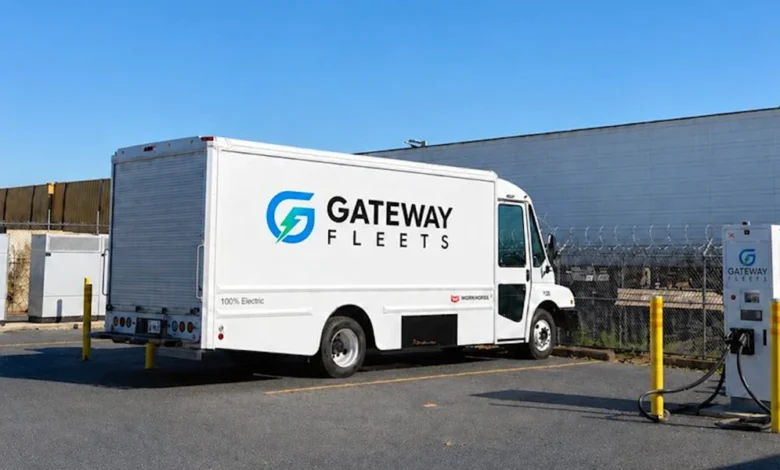
The commercial fleet electrification landscape is undergoing a quiet yet profound transformation, driven largely by the pressures of volatile fossil fuel markets and the relentless demands of the modern last-mile logistics economy. In a definitive sign that electric commercial vehicles are moving past the experimental phase and into widespread operational integration, California-based Gateway Fleets has placed a follow-up order for 200 medium-duty electric box vans from North American manufacturer Workhorse Group Inc. This substantial expansion comes on the heels of an initial trial order of 100 W56 electric step vans placed by Gateway earlier in the year, bringing the total volume of vehicles contracted under the partnership to 300 units.
The rapid scaling of this fleet deployment underscores a broader economic shift among third-party logistics (3PL) providers and independent delivery contractors. As e-commerce continues its upward trajectory—fueled by consumer demand for rapid doorstep delivery of everything from everyday groceries to automotive replacement parts—last-mile delivery operators find themselves driving unprecedented cumulative mileage. These essential logistics providers have been heavily impacted by historical fluctuations and surges in traditional fuel prices, making operational predictability an existential financial imperative. Gateway Fleets has positioned itself at the intersection of this challenge by offering an innovative, turnkey solution designed to remove the traditional hurdles associated with fleet transition.
Chronology and Evolution of the Gateway-Workhorse Partnership
The strategic relationship between Workhorse and Gateway Fleets began earlier this year when Gateway finalized its initial order for 100 of Workhorse’s flagship medium-duty electric step vans. Rather than acting as a standard corporate purchase, the arrangement was designed to test the viability of Gateway’s unique "truck-as-a-service" (TaaS) business model in real-world delivery environments.
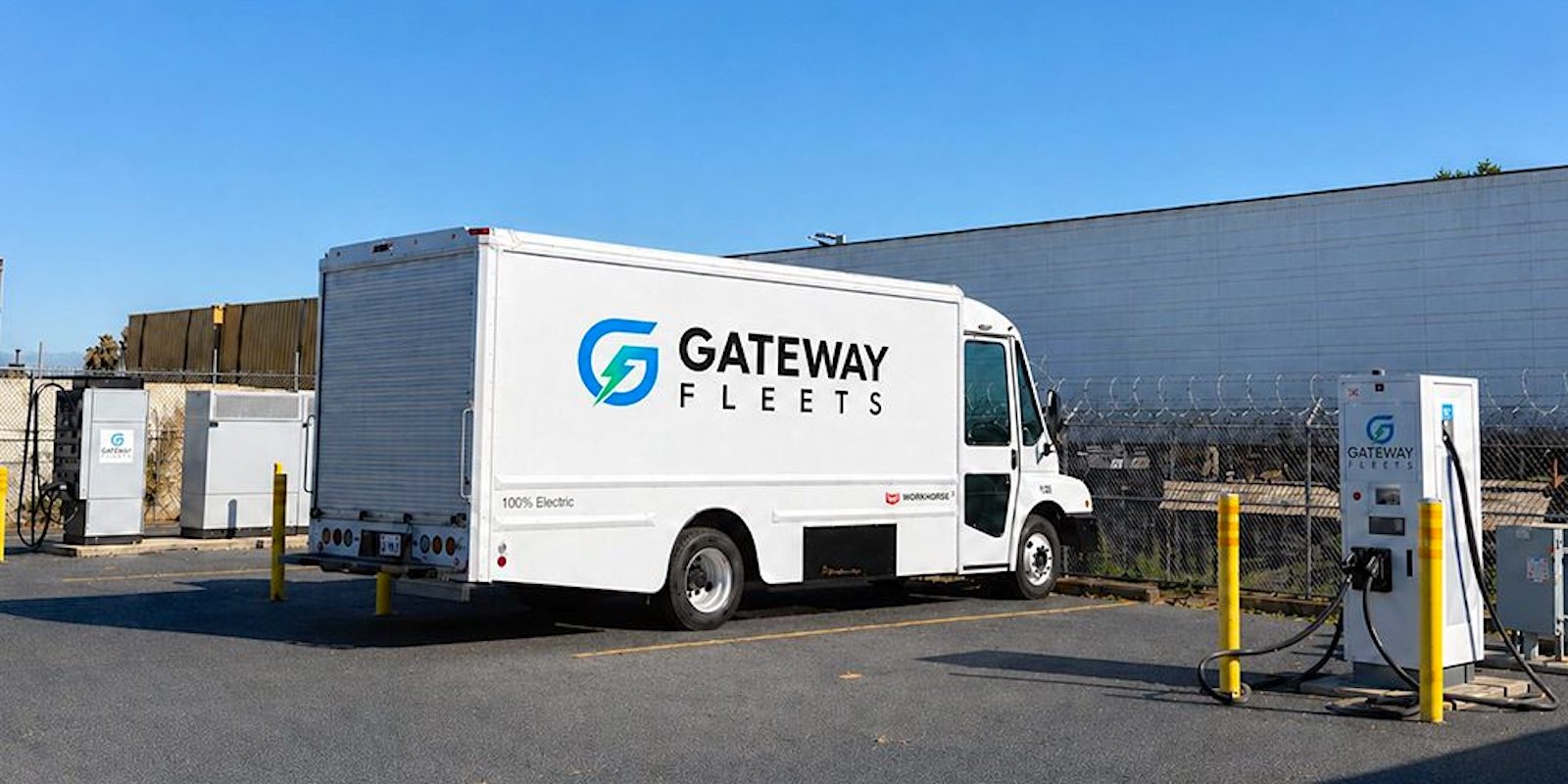
Following a successful multi-month trial period marked by positive performance feedback from operators traversing high-cycle urban and suburban delivery routes, Gateway determined that the vehicles met the rigorous daily demands of commercial logistics. Consequently, the company exercised its momentum to triple its commitment, contracting an additional 200 W56 step vans.
Logistics for the newly ordered fleet will once again be managed in collaboration with Kingsburg Truck Center (KTC), a prominent California-based commercial truck dealer specializing in alternative-fuel deployments. KTC will oversee the physical delivery, consultative sales, and incentive processing for the upcoming batch of vehicles. According to production and deployment schedules, manufacturing and handover of the newly contracted vans are slated to begin in the second half of 2027, with deliveries extending steadily through 2028. This extended timeline reflects both the high-volume nature of commercial vehicle manufacturing and the complex synchronization required between vehicle delivery and localized charging depot readiness.
An Innovative Business Model Solving Industry Pain Points
To understand the significance of Gateway Fleets’ 200-vehicle expansion, one must examine the fundamental barriers that have historically slowed the adoption of commercial electric vehicles (EVs). For decades, fleet operators—particularly smaller independent contractors who maintain asset-light balance sheets—have faced two primary deterrents when considering electrification: the prohibitively high upfront capital expenditure required to purchase commercial-grade electric trucks, and the substantial secondary investment needed to install and manage heavy-duty charging infrastructure at depots.
Gateway Fleets addresses these systemic obstacles by bundling purpose-built electric trucks, custom charging infrastructure, comprehensive fleet support, and secure depot access into flexible, subscription-style financing arrangements. By absorbing the upfront capital burden and packaging operations into a predictable monthly service fee, Gateway allows delivery operators to modernize their fleets without destabilizing their cash flow.
Industry analysts note that this approach directly targets the friction points of fleet decarbonization. By removing the financial risk of infrastructure development and vehicle maintenance, Gateway empowers last-mile logistics providers to realize immediate operational cost savings through reduced maintenance requirements and protection from volatile fuel prices. The success of this model is empirically validated by Gateway’s rapid decision to triple its vehicle inventory within a single calendar year.
Engineering and Specifications of the Workhorse W56
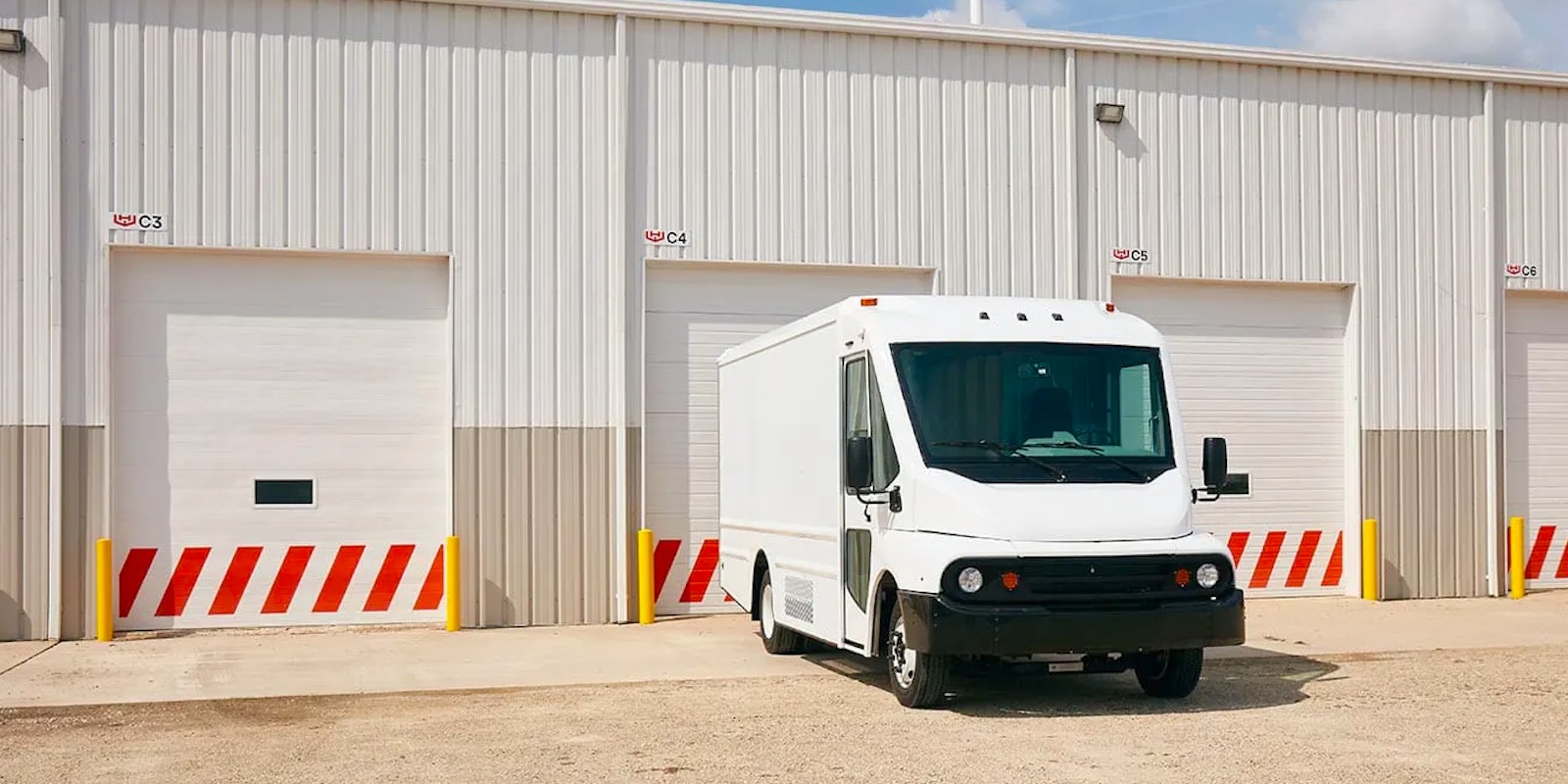
At the operational core of this fleet expansion is the Workhorse W56, a purpose-built medium-duty electric step van engineered specifically to satisfy the punishing duty cycles of urban and regional package delivery. Spanning Class 5 and Class 6 weight ratings, the W56 platform represents a clean-sheet design rather than a traditional internal combustion chassis retrofitted with electric motors.
Each step van supplied to Gateway Fleets features a robust 178-inch wheelbase and is equipped with a high-capacity 210 kWh battery pack. This energy storage system delivers a real-world driving range of up to 150 miles on a single charge—a range optimized for standard multi-stop urban delivery routes where vehicles frequently idle and regenerate energy through braking systems. Furthermore, the W56 is capable of hauling payloads of up to 10,000 pounds within its spacious 1,000-cubic-foot box body, ensuring that delivery operators do not have to sacrifice cargo capacity in exchange for zero-emission operations.
Durability and driver ergonomics were central priorities in the engineering of the vehicle. The W56 features a fully integrated, purpose-built composite body designed to resist the rust, dents, and dings common in tight urban maneuvering and loading dock environments. Inside the cabin, an ergonomic driver-centric environment aims to reduce the physical fatigue and repetitive strain associated with high-cycle delivery work, where drivers may enter and exit the vehicle dozens of times per shift.

Stakeholder Perspectives and Industry Reactions
The expansion of the partnership has drawn enthusiastic commentary from the leadership teams of the participating organizations, reflecting confidence in both the technology and the commercial framework governing the rollout.
Jerry Smith, owner of Kingsburg Truck Center, emphasized the collaborative nature of the ecosystem required to make commercial fleet electrification successful. "This partnership brings together three critical components of fleet electrification: a high-quality, proven Workhorse truck; a deployment and service partner, Gateway; and our team at Kingsburg, providing full-circle consultative sales, incentive processing, and service support," Smith stated. He added, "We’ve had nothing but positive feedback on the performance of the W56 this year, and we’re looking forward to an even better 2027."
From the manufacturing perspective, Workhorse Chief Executive Officer Scott Griffith highlighted the strategic alignment between Gateway’s business model and the broader market demand for stability amidst economic uncertainty. "In today’s era of high and volatile fuel prices, customers are seeking the stability and lower operating costs associated with electric trucks, without sacrificing safety or performance," Griffith noted. He further emphasized that Gateway’s bundled pricing model successfully dismantles the dual barriers of vehicle acquisition costs and infrastructure capital requirements, paving the way for accelerated market penetration.
Broader Market Implications and Future Outlook

Gateway Fleets joins an increasingly prestigious roster of enterprise-level fleet operators utilizing Workhorse vehicles to meet corporate sustainability goals and regulatory compliance mandates. Established household names such as Aramark, Cintas, FedEx, and major Canadian shipping conglomerate Purolator have previously integrated Workhorse electric trucks into their logistics networks.
The addition of Gateway’s expanded order to Workhorse’s production backlog signifies a maturing market where commercial buyers are moving past pilot programs and committing significant capital to full-scale electrification. As state-level regulations—particularly in forward-thinking markets like California—gradually phase out internal combustion commercial vehicles, scalable deployment models like Gateway’s "truck-as-a-service" framework are expected to serve as a blueprint for nationwide logistics transformation.
As the second half of 2027 approaches and the first tranche of these 200 additional W56 step vans begins rolling out toward operational depots, industry observers will be closely monitoring the performance data. If the initial success of Gateway’s 100-van rollout is any indication, this latest commitment signals that the commercial electric delivery vehicle has transitioned from an ambitious environmental concept into a commercial necessity for the modern supply chain.