Apple Watch Series 12 and Ultra 4 Quietly Drop the Pandemic-Era Handwashing Detection Feature

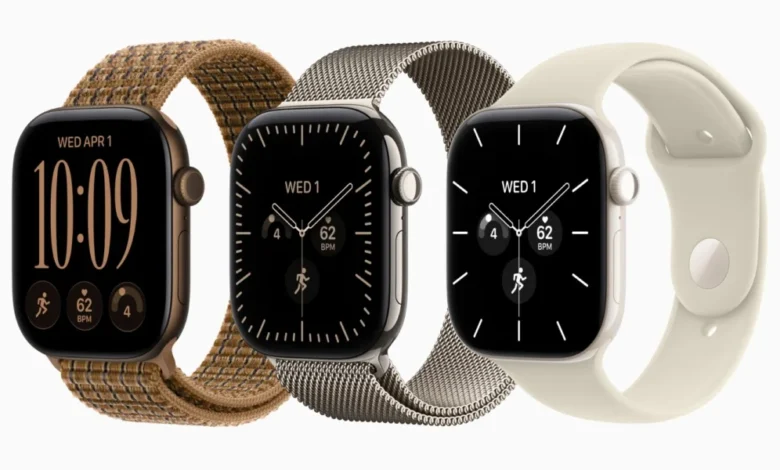
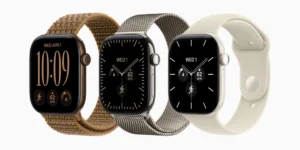
In a quiet departure from past device functionality, Apple’s latest flagship wearable lineup—comprising the Apple Watch Series 12 and the rugged Apple Watch Ultra 4—has arrived on the market without support for the automatic handwashing detection and countdown timer feature. While the utility remains fully functional on preceding hardware models and continues to be integrated within the overarching Apple Health ecosystem across iOS and watchOS, users upgrading to Apple’s 2026 hardware generations will find this familiar wellness tool conspicuously absent.
The omission has drawn attention from early adopters and tech analysts examining the official compatibility lists for watchOS. Although Apple has not yet issued a formal press release clarifying whether the absence of the feature is a permanent retirement or a temporary software oversight, the hardware changes introduced in the Series 12 and Ultra 4 point toward a strategic reallocation of internal processing resources. As wearable technology shifts toward advanced on-device machine learning and complex audio intelligence, older utilities introduced during distinct global health contexts are beginning to fade from the feature roadmap.
The Evolution of Handwashing Detection: A Timeline
To understand the current omission, it is necessary to examine the origins of the automated handwashing feature. Introduced in the summer of 2020 at Apple’s Worldwide Developers Conference (WWDC), the handwashing timer was rolled out as part of watchOS 7. Released during the height of the COVID-19 pandemic, the feature was explicitly designed to address public health guidelines recommending a minimum of 20 seconds of hand scrubbing to effectively mitigate the transmission of pathogens.
Leveraging a combination of the Apple Watch’s motion sensors, microphone, and on-device machine learning, the software was engineered to automatically recognize the unique physical motions of washing hands combined with the rushing sound of water. Upon detection, the watch would initiate a haptic-backed, 20-second visual countdown, offering an encouraging chime upon completion.
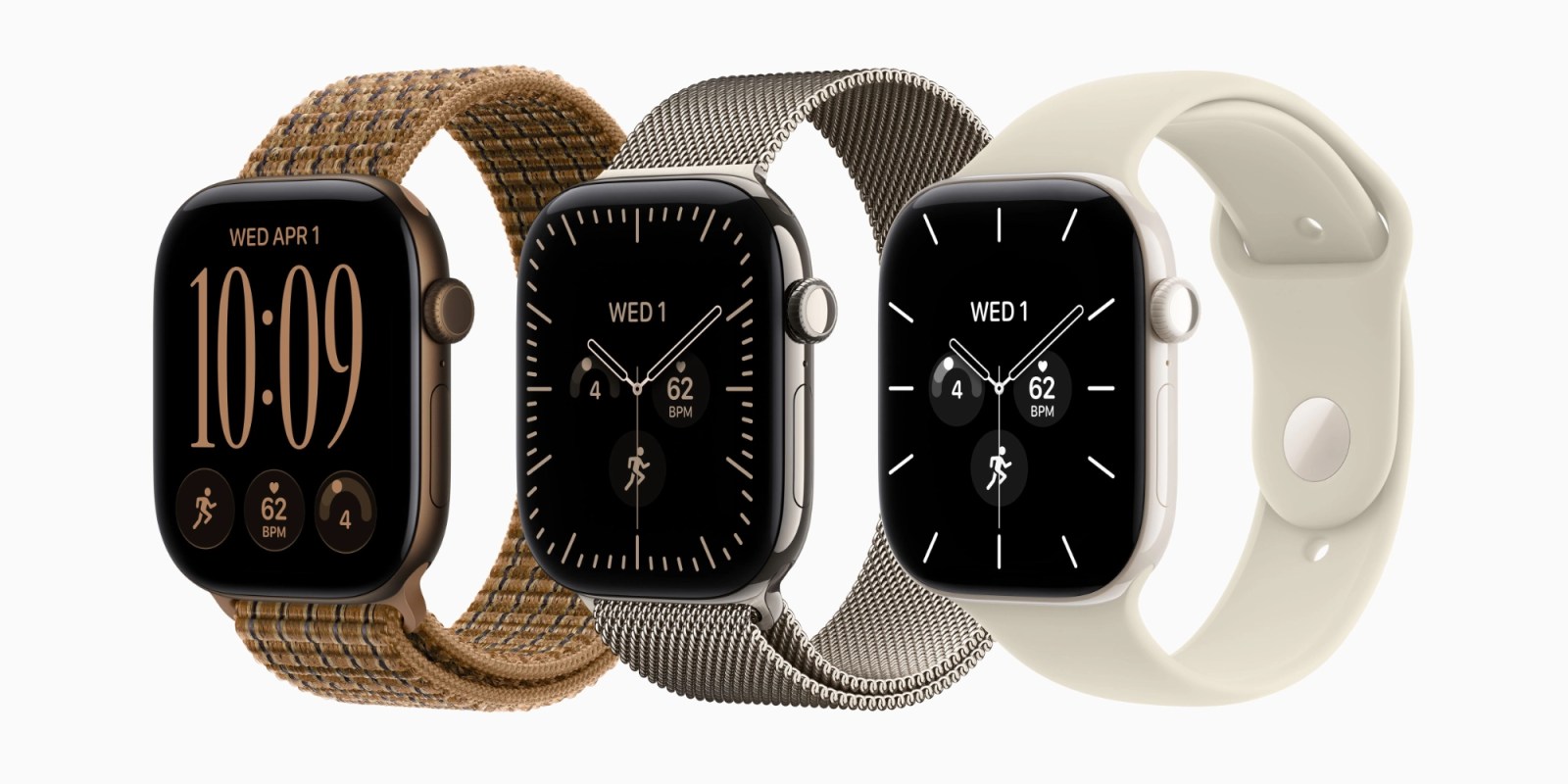
Over the subsequent years, the tool became a staple of the watchOS wellness suite. It was integrated deeply into the Apple Health application, tracking frequency and duration metrics to help users maintain consistent hygiene habits. Through successive generations of watchOS—up to and including watchOS 27—the handwashing guide remained a standard inclusion in Apple’s software documentation, continuing to function seamlessly on legacy hardware such as the Apple Watch Series 11 and Apple Watch Ultra 3.
Discrepancies in Current Software and Hardware Support
The disconnect between current software capabilities and the latest hardware became apparent upon the retail launch of the Apple Watch Series 12 and Apple Watch Ultra 4. While watchOS 27 officially retains handwashing detection as a core health category—supported fully within iOS 27.2 and older watch configurations—Apple’s updated documentation explicitly excludes the newest devices from its supported hardware list.
This exclusion has created a puzzling scenario for consumers and reviewers alike. In past hardware iterations, newly released Apple Watch models invariably inherited the entire feature set of the preceding operating system version, supplemented by exclusive new capabilities. The intentional omission of a standard health metric tracking tool from current-generation hardware suggests that the decision was deliberate rather than an accidental publishing error in the support documentation.
Industry analysts note that if Apple intended to maintain the feature on the Series 12 and Ultra 4, the company would have included the new devices in the compatibility guidelines from day one. The lack of inclusion strongly implies that the underlying architecture of the 2026 lineup either lacks the specific sensor calibration required for this legacy algorithm or that engineers chose to deprecate the tool in favor of newer sensory priorities.
Hardware Overhauls and the Shift Toward Audio Intelligence
The release of the Apple Watch Series 12 and Apple Watch Ultra 4 marks a significant engineering milestone for the Cupertino-based tech giant. For the first time in several years, the devices feature a fundamentally overhauled main processor architecture, built to handle advanced computational tasks that far exceed the demands of earlier smartwatch generations.

A primary focal point of the 2026 hardware upgrade is the introduction of robust Audio Intelligence features. These include sophisticated processing capabilities such as Siri Recap, which summarizes missed audio communications and environment notes, and Live Rewind, a feature allowing users to buffer and review ambient acoustic data in real time. These heavy computational tasks demand significant digital signal processing (DSP) power and machine learning model overhead.
It is highly probable that the continuous background listening required to detect the sound of running water—running in tandem with the new, intensive Audio Intelligence suite—was deemed an inefficient use of system resources. Alternatively, the updated microphone arrays and acoustic dampening properties of the Series 12 and Ultra 4 may process ambient sound differently, rendering the legacy audio-recognition model developed in 2020 incompatible with the new hardware stack.
Broader Implications for Wearable Feature Lifecycles
The quiet retirement of the handwashing timer highlights a broader trend within the consumer electronics industry: the gradual sunsetting of specialized, single-purpose software tools in favor of generalized, high-performance computational frameworks.
During the pandemic, technology companies rushed to deploy health-centric features addressing immediate societal needs. Tools like contact tracing APIs, spatial distancing reminders, and automated handwashing timers occupied a prominent space in product marketing and utility indexing. As public health landscapes have evolved, the technological imperative driving these specific tools has diminished, allowing hardware designers to reclaim processor cycles and battery efficiency for more complex artificial intelligence applications.
For the average consumer, the absence of handwashing detection on the Apple Watch Series 12 and Ultra 4 is unlikely to be a dealbreaker. The vast majority of users rely on the Apple Watch for core fitness tracking, cellular connectivity, advanced heart rate monitoring, ECG readings, and newly introduced productivity aids. However, the omission serves as a reminder that technological progression often involves pruning older features to make room for demanding hardware innovations.

Consumer Response and Future Outlook
As the Apple Watch Series 12 and Ultra 4 settle into the hands of global consumers, user forums and tech support communities have begun raising inquiries regarding the missing handwashing setting. While public outcry has been minimal given the niche utility of the feature, the lack of official transparency from Apple regarding feature depreciation remains a point of critique among tech purists who monitor detailed changelogs.
Apple has yet to issue an official statement addressing whether a future point release of watchOS 27 might reintroduce handwashing detection via optimized algorithms, or if the feature is permanently exclusive to legacy devices. Historically, Apple rarely comments on the removal of minor software features unless tied to a major regulatory or security shift.
In the interim, owners of the Apple Watch Series 12 and Ultra 4 will need to look elsewhere for automated hygiene tracking, relying instead on manual habit formation or other third-party applications available through the watchOS App Store. As the tech industry continues to push the boundaries of on-device machine learning and ambient intelligence, the transition away from pandemic-era utilities marks the close of a distinct chapter in the evolution of modern wearable technology.