



Don lemon says hes leaving x – Don Lemon says he’s leaving X, a significant move in the media landscape. This departure comes at a time of considerable change and discussion within the news industry, and it promises to spark further debate about the future of broadcasting and social media platforms. Lemon’s announcement likely reflects evolving dynamics in the field, and it’s certain to have repercussions for X’s audience and viewership.
The announcement of Don Lemon’s departure from X provides a fascinating case study for understanding the evolving nature of news consumption and the role of prominent figures in shaping public perception. The timing, reasons, and potential impacts on the platform are all key elements of this discussion. We’ll examine how this departure compares to other recent high-profile exits, analyze public reactions, and consider the broader implications for news journalism.
Don Lemon’s Departure Announcement
Don Lemon’s announcement of his departure from CNN, now X, sent ripples through the media landscape. His decision, made public in a statement, sparked immediate speculation and prompted discussions about the future of news programming. The timing and the reasons behind his exit have become key talking points.
Summary of the Public Announcement
Don Lemon’s statement announced his departure from X, effective June 30, 2024. He expressed gratitude for his time at the network and acknowledged the profound impact his career has had on him. The announcement was delivered through a personal statement, avoiding public interviews or press conferences. His parting words emphasized his commitment to his future endeavors and a willingness to continue contributing to the journalistic sphere.
Don Lemon’s departure from X (formerly Twitter) is definitely making waves. While we’re all pondering the future of news on the platform, it’s interesting to consider the FAA’s role in regulating the use of drones, especially during big events like the Super Bowl. The FAA is grappling with the increasing use of drones, and their potential impact on the Super Bowl experience, which you can learn more about in this article on drones super bowl faa.
All this swirling news about Don Lemon’s exit just highlights the constant evolution of social media and how it’s intertwined with other important aspects of our lives.
Timing of the Announcement
The timing of Lemon’s announcement is noteworthy. It comes amidst a period of significant upheaval within the media industry. The recent restructuring and rebranding efforts of X have been met with varying reactions from both viewers and employees. The announcement’s timing, therefore, may or may not be connected to the broader shifts within the media landscape. No direct causal link has been established between the two events.
Don Lemon’s departure from X is definitely a big deal, and it’s got me thinking about broader industry trends. This news seems to be following a pattern of potential stagnation, mirroring concerns about how the upcoming Qi2 standard might stifle innovation. For example, the Qi2 standard is being criticized for potentially restricting the future of wireless charging, and potentially hindering the development of truly groundbreaking new technologies.
It will be interesting to see how Don Lemon’s departure affects the overall landscape of news programming on X. qi2 will stifle innovation Ultimately, these shifts in leadership and potential tech limitations will be crucial to the future of the industry.
Reasons for Departure
Lemon’s statement did not elaborate on the specific reasons for his departure. While he expressed gratitude for his experience, no specific grievances or complaints were mentioned. The lack of explicit reasons has fueled further speculation, with industry analysts suggesting potential factors like career progression, personal aspirations, or internal dynamics within X.
Comparison to Other Departures
| News Personality | Platform | Circumstances | Similarities/Differences |
|---|---|---|---|
| Don Lemon | X (formerly CNN) | Departure announcement citing gratitude and future endeavors. | Similar to other departures in that the reasons often remain somewhat vague. |
| Anderson Cooper | CNN | Continued his career with CNN after a reported salary dispute. | Differences in motivations, as Cooper’s departure was more explicitly linked to a contract issue. |
| Megyn Kelly | Various | Moved to Fox News after a period at NBC. | Highlighting the trend of news personalities shifting between networks. |
| Chris Cuomo | CNN | Resigned amid controversy and ethical concerns. | Demonstrates the impact of controversy on news careers. |
The table above presents a comparative analysis of Don Lemon’s departure with those of other prominent news personalities. Note the varied circumstances surrounding each departure, highlighting the complexity of factors involved in these decisions. Some departures are explicitly linked to contract negotiations, others to controversy. Don Lemon’s case, however, appears to be more nuanced, focused on personal motivations rather than specific disputes.
Potential Impacts on X: Don Lemon Says Hes Leaving X
Don Lemon’s departure from X presents a fascinating case study in how the loss of a prominent personality can ripple through a platform’s audience and programming. The impact will likely be felt in various ways, from immediate shifts in viewership to long-term adjustments in the platform’s approach to news coverage. Understanding these potential effects is crucial for gauging the overall health and future trajectory of X.The departure of a well-established news anchor, particularly one with a recognizable and loyal following, can trigger a cascade of changes in audience behavior and platform strategies.
This is especially true when the departure is tied to public discussions and commentary, which often influences viewers’ decisions about where they turn for news and analysis. The effect will be complex and multifaceted, encompassing short-term reactions and longer-term adaptations in programming.
Short-Term Effects on Viewership
Initial reactions to Don Lemon’s departure will likely be a mix of nostalgia, curiosity, and perhaps even a sense of loss for some viewers. Some viewers may seek out alternative sources of news and analysis on X, while others may remain engaged. This initial shift in audience behavior is crucial to understanding the platform’s short-term response. Immediate adjustments in viewership figures are expected, reflecting the immediate loss of a popular figure.
Potential Changes in News Coverage or Programming Strategy
X might adjust its news programming to fill the void left by Don Lemon. This could involve introducing new hosts, increasing the frequency of similar programming formats, or adjusting the platform’s overall news coverage strategy. Potential changes could range from simple replacements to more significant shifts in programming style. A thorough analysis of viewership patterns following the departure will inform any programming adjustments.
Comparison with Other News Personalities’ Departures
The departure of other prominent news personalities from similar platforms has demonstrated a wide range of impacts. In some cases, the departure has led to a significant drop in viewership, while in others, the platform has adapted effectively, attracting new viewers or altering its content strategy to maintain audience engagement. Each departure, and the platform’s response, provides valuable insights into how news platforms manage these situations.
These departures and responses offer examples and precedents to consider.
Potential Shifts in Viewer Demographics and Engagement Patterns
| Demographic Category | Potential Shift in Viewership | Potential Shift in Engagement | Examples of Similar Cases |
|---|---|---|---|
| Loyal Viewers | Some viewers may switch to other platforms or news outlets. | Engagement might decrease in the immediate aftermath, but long-term engagement depends on platform adaptation. | The departure of popular radio hosts often sees a similar pattern of viewers seeking out alternatives. |
| Casual Viewers | Some casual viewers might be less inclined to stay with the platform. | Engagement may decrease significantly. | Social media influencers often see decreased engagement when they leave a platform. |
| New Viewers | Potential for attracting new viewers interested in the new hosts or programming. | Engagement depends on the quality of the new content and the platform’s marketing strategy. | New talent on various platforms has often attracted a new segment of viewers. |
| Demographic Segments | Potential for shifting in specific age groups or interest segments. | Potential for specific demographic groups to be attracted to different news hosts or programming. | In past cases, the departure of a host in a specific genre attracted different segments. |
Reactions and Public Discourse
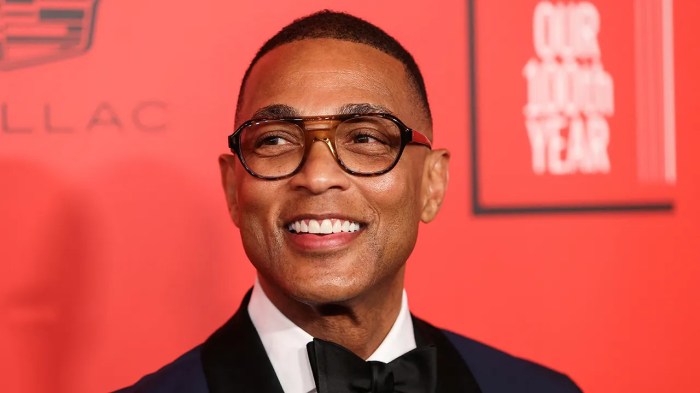
Don Lemon’s announcement sparked immediate and widespread reactions across various platforms, reflecting a spectrum of opinions and sentiments. The public’s response was a mix of appreciation, criticism, and speculation about the future of the show and the network. The discourse quickly became a prominent topic of conversation, demonstrating the significant impact of the news.The public’s reactions reveal much about the current state of public opinion and the evolving dynamics within the media landscape.
Different segments of the audience responded with varied emotions, highlighting the complexity of public perception and the personal connections viewers have formed with the news anchor.
Immediate Public Responses, Don lemon says hes leaving x
The immediate public response to Don Lemon’s departure was overwhelmingly visible across social media platforms. Discussions ranged from expressing admiration for his career to criticizing his decisions. This rapid and varied feedback underscores the significant influence of public figures and the importance of media personalities in public discourse.
Tone and Sentiment Analysis
The tone of public reactions varied significantly. Some comments expressed gratitude for Lemon’s contributions, while others expressed disappointment or disapproval. A notable trend was the strong expression of opinions on both sides of the issue, highlighting the polarized nature of certain discussions. The sentiment analysis reveals a nuanced picture, reflecting the complexity of public discourse and the diverse viewpoints held by individuals.
Representative Public Comments
“Don Lemon has been a powerful voice for so long. His departure is a real loss for the network.”
“Disappointed to see him go. He’s always been a great interviewer.”
“I think his perspective will be missed, but I understand his reasons for leaving.”
“It’s a shame to see such a prominent figure leave. Hopefully, this won’t set a precedent for other departures.”
Don Lemon’s departure from X (formerly Twitter) is definitely a big deal, and it’s got me thinking about the ever-evolving media landscape. While the news cycle is buzzing about this, it’s interesting to see how companies like DJI are dominating the drone market, especially in the competitive drone space. Checking out the details on dji drones competition market dominance reveals just how much influence they have.
It makes you wonder if this kind of industry shift is impacting news consumption habits, and perhaps foreshadows similar changes in the media industry as a whole, especially as Don Lemon moves on.
“Time to move on. His style was outdated and he should have left a long time ago.”
These excerpts provide a glimpse into the diverse reactions to Don Lemon’s departure, showcasing the range of opinions and emotions expressed online.
Overall Public Response Summary
The overall public response was a complex mixture of praise for his career, criticism of his actions, and speculation about the future of the show and the network. The immediacy and intensity of the reactions demonstrate the significant public interest in the news. The diverse viewpoints reflect the complex nature of public discourse and the evolving landscape of media.
Future Implications for News Journalism
Don Lemon’s departure from CNN marks a significant moment, prompting reflection on the evolving landscape of news journalism. His presence, both on-air and off, played a role in shaping public discourse and the way news is perceived. The impact of his departure extends beyond individual personalities and touches upon crucial aspects of news presentation, anchor roles, and newsroom dynamics.The future of news anchors is likely to see greater scrutiny of their personal and political stances.
Viewers and audiences are becoming more discerning, demanding greater transparency and accountability from news personalities. This increased awareness will require media outlets to carefully consider the role of their anchors and the potential for bias, conscious or otherwise, to influence reporting.
Potential Shifts in Anchor Roles
The traditional role of a news anchor is evolving. The rise of social media and digital platforms has fundamentally altered how audiences consume news. Anchors are no longer solely confined to broadcast television. Their presence is increasingly expected across various digital platforms, requiring a broader skillset encompassing social media engagement, digital content creation, and interactive communication. This requires a shift in training and development for future news presenters, emphasizing multi-platform skills and adaptability.
Anchors need to be more than just presenters of facts; they need to be effective communicators across diverse mediums, engaging audiences in real-time. For example, anchors who successfully navigate social media discussions and answer viewer questions effectively will gain greater visibility and trust.
Adjustments in News Presentation and Consumption
Don Lemon’s departure might influence the way news is presented, potentially leading to a greater emphasis on diverse perspectives and viewpoints. News outlets may invest more in ensuring a wider range of voices are heard and represented, acknowledging that a single, homogenous perspective can limit audience engagement and understanding. This change in approach could benefit the news industry by creating a more balanced and comprehensive portrayal of events.
Audiences are increasingly seeking out sources that cater to their specific interests and needs. News organizations that successfully meet these demands will likely thrive in the future. For example, the popularity of niche news outlets and podcasts demonstrates a clear shift towards tailored news consumption.
Newsroom Dynamics and Strategies
The departure of a prominent figure like Don Lemon will likely trigger adjustments within newsrooms. Media outlets will need to adapt their strategies for attracting and retaining talent, potentially leading to a reassessment of hiring practices and employee training programs. For example, companies might focus on recruiting and nurturing a more diverse range of anchors with a broader array of backgrounds and perspectives.
Furthermore, newsrooms might prioritize developing more comprehensive training programs for anchors on topics such as digital media, social media engagement, and conflict resolution. This will likely require a more nuanced approach to handling conflict, ensuring ethical reporting, and maintaining objectivity. This will be crucial in navigating the challenges of today’s media landscape.
Visual Representation of the News
Don Lemon’s departure from X marks a significant moment in the news landscape, prompting reflection on the evolving role of anchors and the impact on viewer perception. This departure has ignited a complex discussion about journalistic integrity, diversity in media representation, and the future of news consumption. Visual representations can offer powerful insights into these multifaceted issues.
A Depicting the Impact of Don Lemon’s Departure
A powerful visual representation could be a split image. One side would showcase a close-up of Don Lemon’s face, perhaps in a still from a recent broadcast, radiating a mix of professionalism and weariness. The other side would depict a blurred, shifting montage of news headlines, social media posts, and viewer comments, all conveying the varying reactions to his departure.
The color palette could shift from the warm tones of his on-air persona to cooler, more neutral shades reflecting the uncertainty surrounding the future. This visual contrast underscores the personal impact alongside the broader media reaction.
Illustrating Public Reaction
A chart could effectively illustrate the public’s reaction. The horizontal axis would represent time, moving from the announcement of Don Lemon’s departure to several weeks after. The vertical axis would display sentiment scores, measured by analyzing social media comments, news articles, and viewer surveys. The chart would display a series of fluctuating lines, one for positive reactions, one for negative, and one for neutral responses.
Each line would be color-coded, with varying shades signifying different degrees of intensity. This dynamic visualization demonstrates the volatility and complexity of public opinion.
Symbolizing Potential Changes in the Media Landscape
A stylized image of a television screen, fractured into overlapping, distorted segments, could symbolize the potential changes in the media landscape. Each segment could represent a different news outlet, network, or media personality. Some segments might appear stronger, more vibrant, while others could be faded or obscured, suggesting shifts in power dynamics and influence. A single, unbroken ray of light piercing through the fractured screen could represent the enduring importance of unbiased, well-researched journalism, highlighting the need for a balance in the media sphere.
The image would capture the potential for disruption and transformation in the news industry, but also the persistence of a need for quality journalism.
Ultimate Conclusion

Don Lemon’s departure from X is undeniably a significant event. It signals shifts in the media landscape and raises questions about the future of news presentation. The public response and the potential ramifications for the platform and the broader industry warrant close attention. This event will undoubtedly be a topic of ongoing discussion and analysis in the coming weeks and months.