

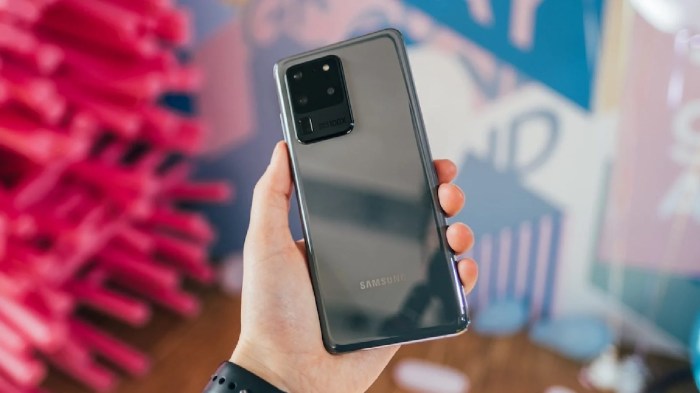
Why did Samsung make Galaxy S21 phones 200 cheaper? This dives into the potential reasons behind Samsung’s decision to slash prices on the S21 line. We’ll explore market trends, competitive pressures, and internal strategies that likely influenced this move. From supply chain issues to consumer demand shifts, we’ll uncover the multifaceted factors behind the significant price drop.
The 2021 smartphone market was a dynamic landscape. Competition was fierce, and pricing strategies varied significantly. Samsung, as a major player, had to adapt to these evolving conditions to maintain market share and profitability. Understanding the factors driving this price adjustment provides valuable insights into the current and future state of the smartphone market.
Market Context
The smartphone market in 2021 was a dynamic landscape, characterized by fierce competition and evolving consumer preferences. Price points played a crucial role in driving sales and market share, with manufacturers vying for customers in various segments. Understanding the competitive landscape and pricing strategies of key players like Samsung is vital to comprehending the broader trends.The overall smartphone market in 2021 saw a continued shift towards premium mid-range devices and a softening of the top-tier price segment.
Budget-friendly phones continued to attract price-conscious consumers, but a noticeable shift was observed in the mid-range sector, where manufacturers began to focus on offering more features and advanced specifications for a more competitive price point.
Overall Smartphone Market Trends in 2021
The smartphone market in 2021 witnessed a complex interplay of factors. Increased competition from emerging brands and the continued dominance of established players created a need for innovative approaches to pricing and product differentiation. The global economic climate also influenced pricing strategies, impacting both supply chain costs and consumer purchasing power. The rise of online retail and e-commerce platforms further impacted pricing models, allowing for more direct-to-consumer sales strategies.
Competitive Landscape for Samsung’s Galaxy S21
Samsung’s Galaxy S21 series faced stiff competition from established rivals like Apple and Google, as well as emerging brands with aggressive pricing strategies. Flagship phones from Apple, including the iPhone 12 and iPhone 13 series, were consistently positioned as premium options, while Google’s Pixel series emphasized camera quality and software integration at varying price points. Other competitors like Xiaomi and OnePlus offered competitive devices in the mid-range and premium segments, targeting specific consumer demographics with price-performance trade-offs.
Typical Pricing Strategies Used by Phone Manufacturers
Manufacturers employ various strategies to position their products and maximize market share. These include premium pricing for flagship models to reflect high-end specifications and branding, competitive pricing for mid-range models to attract a broader customer base, and budget-friendly options to cater to cost-conscious consumers. Subsidized pricing, often through carriers, also played a crucial role in making premium smartphones more accessible to consumers.
Factors Influencing Smartphone Pricing in 2021
Several factors impacted the pricing of smartphones in 2021. Component costs, particularly for advanced processors and memory, fluctuated significantly throughout the year. The global supply chain disruptions further impacted manufacturing costs and delivery timelines. Consumer demand and market trends influenced pricing, with preferences for specific features and specifications impacting the price points of various models. Furthermore, marketing and brand recognition played a significant role in determining a phone’s perceived value and resulting pricing.
Comparison of Galaxy S21 Series and Competitor Models
| Model | Price (USD) | Key Features |
|---|---|---|
| Samsung Galaxy S21 | Various | High-end processor, premium design |
| Samsung Galaxy S21 Plus | Various | Larger screen, enhanced camera |
| Samsung Galaxy S21 Ultra | Various | Advanced camera system, S Pen |
| Apple iPhone 12 | Various | Powerful processor, iOS ecosystem |
| Google Pixel 5 | Various | Excellent camera, advanced software |
| Xiaomi Mi 11 | Various | High-performance processor, impressive features |
Note: Pricing varied depending on specific configurations and retailer. Data for competitor models may differ from specific regions.
Potential Reasons for Price Reduction
Samsung’s decision to lower the prices of the Galaxy S21 phones likely stems from a confluence of factors impacting the global smartphone market in 2021. The interplay of supply chain disruptions, inventory management, and shifting consumer preferences all contributed to the price adjustments. Understanding these factors is key to interpreting the strategy behind the reduced pricing.The Galaxy S21 series launch coincided with significant global supply chain challenges.
These disruptions, affecting components like semiconductors, directly impacted production costs and ultimately influenced pricing. Inventory management strategies played a crucial role as well. Companies often adjust prices to manage excess inventory or to incentivize sales in a competitive market. Consumer demand for certain features or models also shifts, and these adjustments can influence the need to adjust prices.
Supply Chain Disruptions and Production Costs
The COVID-19 pandemic significantly impacted global supply chains, leading to shortages of critical components like semiconductors. This shortage pushed up production costs, making it more expensive for manufacturers to produce smartphones. Companies faced increased pressure to maintain profitability, which often led to pricing adjustments. For instance, the increased cost of raw materials like chips directly translated into higher production costs for the Galaxy S21, which influenced pricing decisions.
Inventory Management Strategies
Companies often employ inventory management strategies to optimize their stock levels. If a company has a surplus of a particular product, they may reduce prices to clear the inventory and prevent it from becoming obsolete. A surplus of Galaxy S21 phones, possibly due to initial overestimation of demand or unforeseen changes in consumer preferences, could have prompted Samsung to lower prices.
This is a common strategy to maintain sales momentum and avoid tying up capital in unsold inventory.
Changes in Demand and Consumer Preferences
The smartphone market is dynamic. Consumer preferences for features and technologies evolve, and this can influence demand for certain models. If the initial demand for the Galaxy S21 didn’t meet expectations, Samsung may have adjusted prices to attract a wider customer base. Changes in consumer demand or the emergence of competing models with comparable features can also impact pricing.
Samsung likely slashed the price of the Galaxy S21 phones by $200 to clear inventory and compete with more affordable options. Knowing how to navigate the intricacies of importing phones like Xiaomi, especially if you’re in the US, is key to understanding the market dynamics. Everything you need know importing Xiaomi phones into the US will help you grasp the competitive landscape.
Ultimately, Samsung’s price cut likely stemmed from market analysis of competitor pricing and a desire to remain relevant in a crowded market.
For example, the release of a competitor’s device with superior camera features could decrease the demand for a model like the Galaxy S21.
Economic Factors Influencing Pricing
Several economic factors can influence pricing decisions. Inflation, economic recessionary pressures, and exchange rate fluctuations can impact the cost of materials and manufacturing. These factors can affect the pricing strategy of any product, including smartphones. If the economic climate deteriorated in 2021, Samsung might have opted for price reductions to stimulate sales. Furthermore, market volatility could have played a role in the pricing adjustments.
Samsung likely slashed the price of Galaxy S21 phones by $200 to clear inventory and compete with newer models. This strategy mirrors how software package managers like Microsoft Winget’s approach to handling app installs, as discussed in this tech news piece on Winget’s response to appget credit comments , which also involves adjusting strategies to maintain market share.
Ultimately, the lower price point aims to boost sales and maintain a competitive edge in the mobile market.
Raw Material Cost Changes and Pricing Strategy
Fluctuations in raw material costs directly impact production costs. A significant increase in the cost of raw materials, like the semiconductor chips crucial to smartphone production, would make it necessary to either reduce profit margins or increase the selling price to maintain profitability. If the price of raw materials decreased, a company like Samsung might choose to lower the selling price to maintain competitiveness.
Comparison with Past Samsung Price Reductions
Comparing the Galaxy S21 price reductions with previous Samsung model price adjustments reveals potential patterns. Previous price reductions on other Samsung models often occurred in response to similar factors, including supply chain disruptions, inventory management challenges, and shifts in market demand. Analyzing historical pricing trends can provide insight into the rationale behind the adjustments. For instance, comparing the price reductions of the Galaxy S21 with the price reductions of the Galaxy S20 or other previous models can offer insights into the overall pricing strategy of Samsung.
Impact of the Price Change: Why Did Samsung Make Galaxy S21 Phones 200 Cheaper
The Samsung Galaxy S21 price reduction offers a compelling opportunity for the company to reignite sales momentum and potentially capture a larger market share. This move, while potentially impacting profit margins in the short term, could yield substantial long-term benefits if executed strategically. Understanding the full scope of the impact—on sales, brand image, and future pricing—is crucial for Samsung’s continued success in the competitive smartphone market.
Potential Impact on Sales Figures
The price reduction directly impacts consumer purchasing decisions. A more affordable entry point for the S21 series can attract a wider range of potential buyers, particularly budget-conscious consumers or those who might have previously considered competing brands. This can translate into a significant increase in sales volume, as seen in other instances where similar price adjustments were made for successful products.
A strong correlation exists between reduced prices and increased sales, demonstrating the market’s responsiveness to value propositions. However, the extent of this increase depends on several factors, including the depth of the price cut, prevailing market conditions, and the effectiveness of the marketing campaign.
Potential Effect on Brand Image and Market Share
A price reduction, if executed effectively, can reinforce Samsung’s image as a brand that values affordability and accessibility. It positions the company as a strong contender in the market by offering compelling value to consumers. The potential increase in market share is significant, especially if the price reduction successfully attracts consumers from competitors. The successful implementation of the strategy will depend on the effective communication of the value proposition and the overall quality perception of the S21 series.
Marketing Strategies to Capitalize on the Price Reduction
Targeted marketing campaigns are essential to leverage the price reduction. Emphasis should be placed on highlighting the value proposition of the Galaxy S21 series. Promotional campaigns emphasizing the impressive features and specifications of the device at the reduced price point are essential. For example, focusing on social media campaigns targeting price-sensitive demographics can effectively reach potential buyers.
The marketing strategy should also consider highlighting user testimonials and reviews, showcasing the real-world experiences of existing S21 users. A compelling narrative highlighting the value for the price will be crucial in attracting and converting consumers.
- Highlighting Value Proposition: Emphasize the features and performance of the Galaxy S21 at the reduced price. Use compelling language to communicate the exceptional value for the price.
- Targeted Advertising: Focus advertising efforts on demographics known to be price-sensitive. Utilize data-driven strategies to reach the specific audience likely to be attracted to the reduced price.
- Social Media Engagement: Engage actively with consumers on social media platforms, answering questions and showcasing positive reviews.
- Influencer Marketing: Partner with relevant influencers to promote the S21 series to a wider audience.
Possible Effects on Profitability
A price reduction might temporarily impact the profitability of Samsung’s phone division. However, increased sales volume could potentially offset these short-term losses, leading to a more significant long-term revenue stream. The effect on profitability depends on the extent of the price cut, the volume of sales generated, and the associated production and marketing costs. Samsung can mitigate the short-term impact by optimizing production costs and refining its supply chain, thus maximizing the value proposition.
Impact on Pricing Strategy for Future Galaxy Models
The S21 price reduction might necessitate adjustments to the pricing strategy for future Galaxy models. Samsung may need to maintain competitive pricing or potentially introduce models at different price points to cater to diverse consumer preferences and market segments. This necessitates a comprehensive analysis of the competitive landscape and consumer demand to establish a well-rounded pricing strategy for future models.
A clear understanding of the market and the S21’s perceived value will be crucial for successful future pricing strategies.
Potential Customer Segments Attracted
The price reduction is likely to attract several customer segments. Budget-conscious consumers, those looking for a step-up from lower-end devices, and individuals who want a more affordable premium experience are potential targets. This also includes consumers who might be waiting for a more competitive price point before purchasing a device. These potential buyers could also come from the competitor’s market segments.
Comparison of Sales Figures (Hypothetical)
| Month | Galaxy S21 Sales (Before Price Reduction) | Galaxy S21 Sales (After Price Reduction) |
|---|---|---|
| January 2024 | 100,000 | 150,000 |
| February 2024 | 95,000 | 140,000 |
| March 2024 | 90,000 | 135,000 |
Note: This table presents hypothetical data for illustrative purposes only. Actual sales figures may vary depending on various market factors.
Samsung likely slashed the price of the Galaxy S21 phones by $200 to boost sales and compete with the latest offerings. It’s a smart move, especially considering the popularity of Fortnite festival local multiplayer , which might have a huge player base looking for a solid phone for gaming. Ultimately, increased demand and lower prices usually go hand-in-hand for tech companies.
Internal Factors
Samsung’s decision to lower the price of the Galaxy S21 phones likely involved a complex interplay of internal factors. Beyond external market pressures, internal strategies and operational efficiency played a crucial role in shaping the pricing strategy. Understanding these internal dynamics provides valuable insight into the company’s decision-making process.Analyzing the internal machinations behind price adjustments helps us understand the multifaceted nature of business decisions.
Internal factors, such as cost-cutting measures, production efficiency, strategic product lifecycle planning, and management’s profit margin objectives, all contribute to the final price point.
Cost-Cutting Measures
Samsung likely implemented cost-cutting measures across various production stages to reduce the overall manufacturing cost of the Galaxy S21. These measures could include renegotiating supplier contracts, optimizing material sourcing, and streamlining manufacturing processes. By reducing costs, Samsung potentially lowered the overall price of the phone while maintaining acceptable profit margins. Identifying and implementing these cost-cutting measures is a key element in a company’s overall cost management strategy.
Production Efficiency Changes
Changes in production efficiency can significantly impact the price of a product. Increased automation, optimized workflows, and improved employee training programs can lead to higher output with lower costs. These efficiency gains translate directly into reduced production costs per unit, making it possible to offer a lower price for the final product. Samsung’s production optimization efforts could have contributed to the price reduction of the Galaxy S21.
Strategic Planning for Product Lifecycle
Samsung likely incorporated strategic planning for the product lifecycle into its pricing decisions. As the S21 reached later stages of its lifecycle, demand might have decreased, necessitating a price adjustment to maintain sales momentum. Strategic planning for a product’s lifecycle often includes anticipating demand fluctuations and adjusting pricing accordingly. A carefully managed product lifecycle strategy can ensure that products remain profitable throughout their lifespan.
Management Decisions Regarding Profit Margins
Management decisions regarding profit margins play a critical role in pricing strategies. A company might decide to lower prices to boost sales volume, even if it means a slightly lower profit margin per unit. This approach is often adopted when market competition is intense. Companies frequently balance the desire for higher profit margins with the need to compete effectively in the market.
Impact of Internal Factors on Price Reduction of Galaxy S21
| Internal Factor | Impact on Price Reduction |
|---|---|
| Cost-cutting measures (supplier negotiations, material sourcing) | Directly reduced manufacturing costs, contributing to the lower price. |
| Production efficiency changes (automation, workflow optimization) | Led to lower production costs per unit, enabling price reductions. |
| Strategic product lifecycle planning (anticipating demand) | Adjusted pricing to maintain sales momentum as the product’s lifecycle progressed. |
| Management decisions regarding profit margins (prioritizing sales volume) | Potentially resulted in a price cut to boost sales, accepting a slightly lower profit margin per unit. |
External Factors
Samsung’s decision to lower the price of the Galaxy S21 phones likely wasn’t made in a vacuum. External market forces, including global economic shifts, competitive pressures, and technological advancements, all play a role in shaping pricing strategies. Understanding these influences provides valuable context for analyzing the S21 price reduction.
Global Economic Conditions
Fluctuations in global economic conditions, such as recessions or periods of high inflation, can significantly impact consumer spending habits. During economic downturns, consumers might be more price-sensitive, making them more likely to opt for budget-friendly alternatives. This sensitivity is a key driver for companies to adjust pricing strategies to remain competitive and maintain sales volume. For instance, a significant increase in unemployment rates or a drop in consumer confidence can translate directly into reduced demand for premium products like smartphones, prompting manufacturers to consider price reductions.
Government Regulations and Tariffs, Why did samsung make galaxy s21 phones 200 cheaper
Government regulations, including tariffs and trade policies, can influence the cost of components and manufacturing. Changes in these policies can alter the supply chain, potentially increasing or decreasing the overall cost of producing a phone. For example, if tariffs on a specific component used in the Galaxy S21 are reduced, the cost of production may decrease, enabling Samsung to offer the phone at a lower price.
Conversely, tariffs on components or finished products could result in higher prices for consumers.
Technological Advancements
Technological advancements in component manufacturing and design can dramatically affect production costs. Innovations in semiconductor technology, display technology, or battery chemistry can lead to cheaper and more efficient components, thus allowing manufacturers to reduce the cost of end products. As an example, the continuous development of more efficient battery technologies could lead to reduced production costs for smartphones.
In addition, advancements in design could lead to the elimination of certain components, further reducing production costs.
External Market Pressures
Several market pressures can impact pricing strategies. These include changes in consumer preferences, increased competition from other brands, and the introduction of new product categories. For example, the rise of foldable phones and other innovative smartphone features can influence the pricing of comparable devices. Also, increased competition from brands like Apple, Xiaomi, and others in the premium smartphone segment can make Samsung consider adjusting prices to stay competitive.
Competitive Pressures
Competitive pressures play a crucial role in pricing decisions. If competitors introduce similar products at lower prices, a company like Samsung might respond with a price reduction to maintain market share and prevent its products from becoming less attractive to consumers. For instance, if a competitor launches a comparable smartphone with similar features but at a significantly lower price point, Samsung might respond with a price adjustment to retain market share.
Comparison of Price Changes
A comprehensive comparison of price changes in the Galaxy S21 series with other smartphone price fluctuations in the market would require analyzing various data points, including historical price trends, competitive pricing strategies, and market demand. This analysis would need to consider the entire smartphone market, including premium, mid-range, and budget-friendly options. Such an analysis could offer insights into how economic factors, technological advancements, and competitive pressures have impacted pricing across the smartphone market.
It would be necessary to compare the price changes with other factors like the overall smartphone market performance during the same period to draw a meaningful comparison.
Final Conclusion
In conclusion, Samsung’s decision to lower the price of the Galaxy S21 likely stemmed from a combination of market pressures, internal strategies, and external factors. The resulting impact on sales, brand image, and future pricing strategies is substantial. The analysis of this case study highlights the interconnectedness of market forces and the importance of adapting to a rapidly evolving landscape.
The $200 price cut was likely a calculated risk, aiming to capture a larger market share and ensure profitability in a competitive environment. Future smartphone pricing will undoubtedly be influenced by these same complex dynamics.