SpaceX Starship Flight 13 Achieves Full Mission Success with Historic Starlink V3 Deployment and Dual Stage Recovery

SpaceX successfully executed the thirteenth test flight of its Starship launch system on Friday, July 24, 2026, marking a pivotal moment in the company’s transition from experimental testing to operational utility. The mission, launched from the Starbase facility in Boca Chica, Texas, achieved several critical objectives, including the first deployment of operational Starlink V3 satellites and the successful controlled recovery of both the Super Heavy booster and the Starship upper stage. This flight serves as a definitive validation of the technical revisions implemented following previous test iterations and significantly bolsters the company’s standing as it navigates its first year as a publicly traded entity.
Mission Overview and Flight Chronology
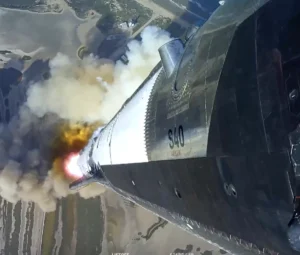
The mission commenced at 5:51 p.m. CT when Booster 20 ignited its 33 Raptor engines, lifting the 400-foot-tall integrated stack off the launch pad. The ascent was described by SpaceX commentators as "nominal," with all engines performing within expected parameters. Approximately two minutes and 40 seconds into the flight, the vehicle executed a "hot-stage" separation, a maneuver where the upper stage (Ship 40) ignites its engines while still attached to the booster to maximize payload efficiency.
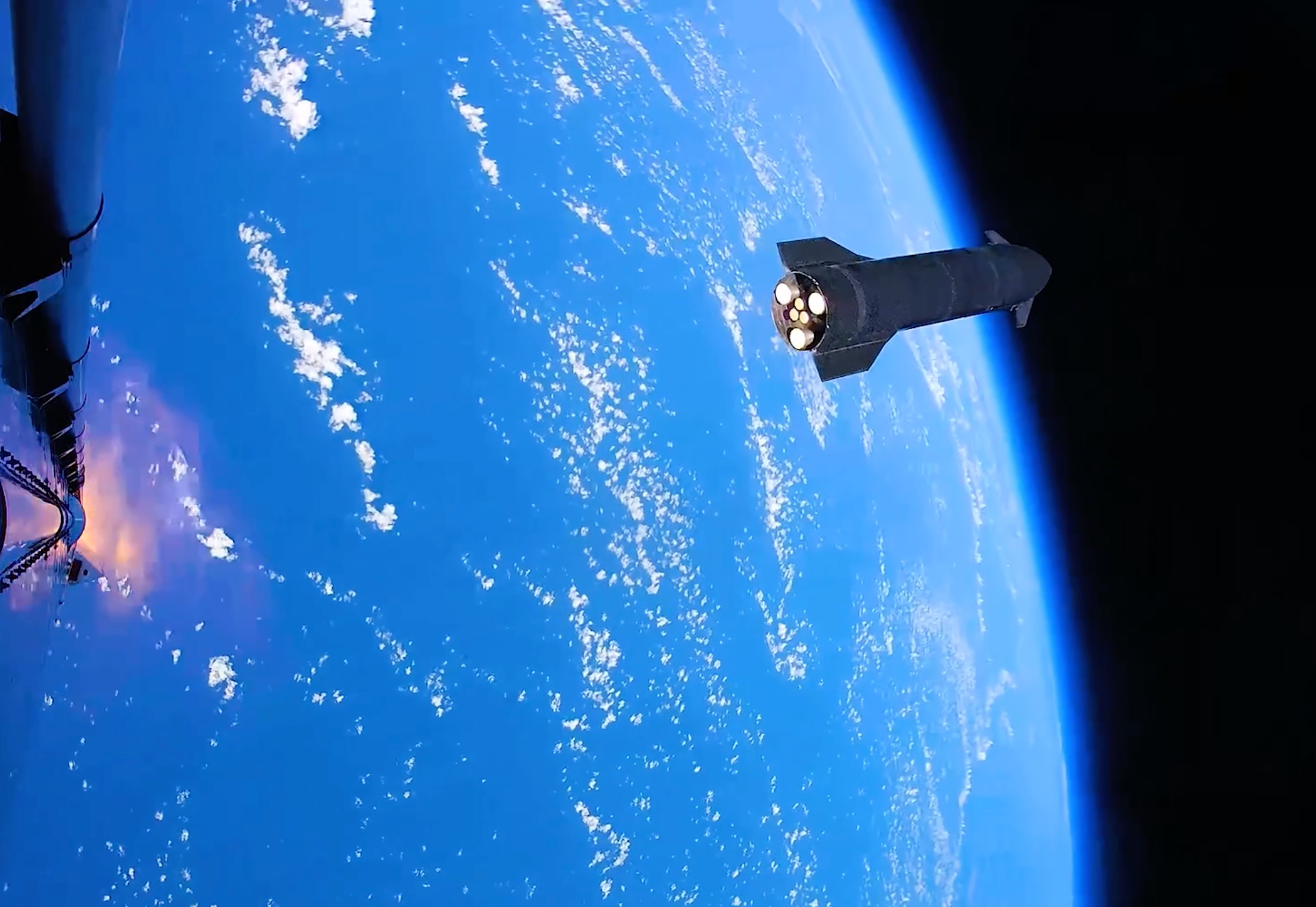
Following separation, Booster 20 performed a successful boostback burn, orienting itself for a return to the Gulf of Mexico. Unlike Flight 12, which took place in May 2026 and suffered from multiple engine failures during its return sequence, Booster 20 maintained structural and mechanical integrity throughout its descent. Approximately six minutes after liftoff, the booster performed a landing burn and achieved a controlled splashdown in the Gulf. This recovery is a vital milestone for SpaceX’s long-term goal of returning boosters directly to the "Mechazilla" launch tower arms for rapid refurbishment.
Simultaneously, Ship 40 continued its ascent into a suborbital trajectory. The vehicle reached its designated altitude and successfully opened its payload bay door to deploy 20 Starlink V3 satellites. These satellites represent the latest generation of SpaceX’s internet constellation, featuring advanced phased-array antennas and direct-to-cell communication capabilities. After the deployment, Ship 40 re-entered the Earth’s atmosphere, enduring extreme thermal stress. The vehicle utilized its improved heat shield—a system of thousands of hexagonal ceramic tiles—to survive the descent before performing a soft splashdown in the Indian Ocean. SpaceX spokesperson Dan Huot characterized the landing as the "softest splashdown yet," noting that the data gathered from this reentry would be instrumental in finalizing the heat shield design for future orbital missions.
The Significance of Starlink V3 Deployment
The successful deployment of Starlink V3 satellites on Flight 13 marks the first time Starship has carried a functional, revenue-generating payload. Previous flights utilized mass simulators—inert weights designed to mimic the characteristics of a payload without the financial risk. The transition to production hardware indicates SpaceX’s confidence in Starship’s reliability.
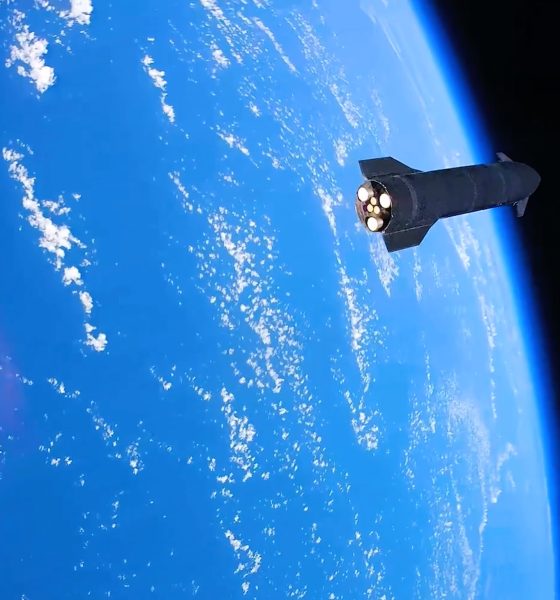
The Starlink V3 satellites are significantly larger and more capable than their predecessors. Designed to be launched exclusively by Starship due to their dimensions and mass, these satellites are the backbone of SpaceX’s strategy to provide high-speed internet directly to unmodified smartphones. The successful integration and deployment sequence on Flight 13 keep the company on schedule to meet its contractual obligations for NASA’s Artemis program. NASA is currently relying on Starship’s heavy-lift capacity to deliver the Human Landing System (HLS) for future lunar missions, which will require multiple Starship launches to ferry fuel and equipment to lunar orbit.
Financial Context and Market Reactions
While the technical success of Flight 13 is undeniable, the mission took place against a backdrop of financial volatility for SpaceX. The company’s stock, traded under the ticker SPCX, has faced downward pressure since mid-July 2026. After its high-profile Initial Public Offering (IPO), the stock had been trading below its $135 debut price. Market analysts pointed to a high short interest—roughly one-third of the tradable float—as evidence of investor skepticism regarding the pace of Starship’s development and the high capital expenditure required for the Starbase expansion.
The successful flight is expected to provide a necessary reprieve for the company’s valuation. By demonstrating that the fixes made after the July 16 launch abort were effective, SpaceX has mitigated concerns regarding the vehicle’s fundamental design. Financial analysts suggest that the "market will respond" when trading opens on Monday, as the mission proves that Starship is no longer just a prototype but a viable commercial transport mechanism.

Broader Ecosystem: Tesla and Regulatory Challenges
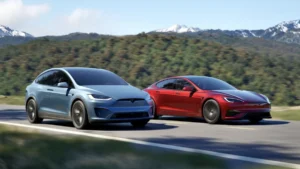
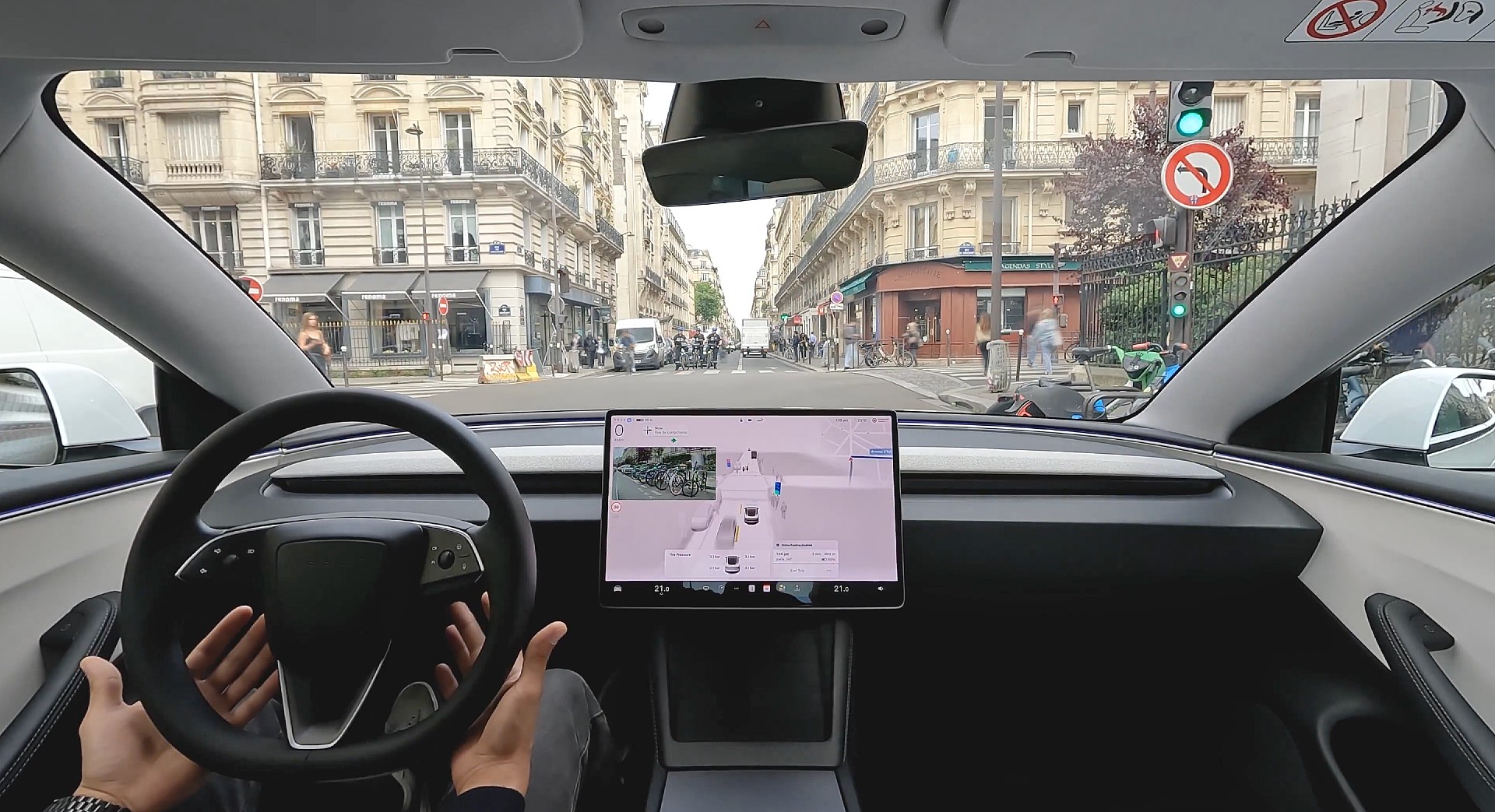
The success of SpaceX stands in contrast to the regulatory hurdles currently facing Elon Musk’s other major venture, Tesla. In the days leading up to the Starship launch, Tesla’s Full Self-Driving (FSD) Supervised system encountered significant pushback in Europe. French Transport Minister Philippe Tabarot publicly rejected the authorization of FSD in its current form, citing concerns over "safety trade-offs."
Tabarot’s critique focused on the system’s behavior in complex urban environments, such as roundabouts and intersections, as well as its tendency to allow vehicles to exceed speed limits when following the flow of traffic. Musk responded to these delays on social media, asserting that "delaying the approval of FSD in France will cost lives."
To support this claim, Tesla released safety data comparing FSD-equipped vehicles to the broader American fleet. According to Tesla’s reports, vehicles using FSD (Supervised) recorded only one major collision per approximately 5.1 million miles driven. This figure is significantly better than the U.S. national average of one crash per 698,000 miles. Despite these statistics, European regulators remain cautious, emphasizing that the driver remains fully responsible for the vehicle’s actions. The ongoing tension between Tesla and European transport authorities highlights the broader challenge Musk faces in harmonizing his technological ambitions with international safety standards.

AI Integration and the Future of Media
Flight 13 also highlighted the deepening integration between Musk’s various companies. Following SpaceX’s acquisition of xAI in early 2026, the computational power of the Colossus supercomputer—now a SpaceX asset—has been utilized to process engineering data from Starship flights. This data is being fed into the training runs for Grok, SpaceXAI’s proprietary artificial intelligence.
Musk recently announced a commitment to use "Grok Imagine" to produce a full-length, AI-generated movie of Homer’s The Odyssey by the end of 2026. This project is intended to showcase the capabilities of the "2T run," a two-trillion-parameter AI model. By leveraging the same infrastructure that monitors Starship telemetry, Musk aims to challenge traditional Hollywood production models with historically accurate, AI-driven storytelling. This move suggests that SpaceX is evolving into a diversified technology conglomerate where aerospace engineering, autonomous software, and generative AI share a unified infrastructure.
Logistics and the Autonomous Future: The Tesla Semi
The timeline for Starship’s operational frequency also aligns with updates regarding the Tesla Semi. During the Q2 2026 earnings call, Musk provided the first concrete timeline for the integration of autonomy into the Tesla Semi. He noted that self-driving capabilities for the Class 8 truck are expected to be functional by early 2027.

Musk explained that the development of FSD for the Semi had previously "taken a backseat" to the Model 3, Model Y, and the upcoming Cybercab, which constitute the majority of Tesla’s fleet. However, with the production ramp-up at the Nevada Gigafactory and the sighting of Semi units equipped with AI4 sensor suites and validation rigs, the focus is shifting toward logistics. Musk emphasized that an autonomous Semi is essential for addressing the persistent global shortage of qualified truck drivers and improving road safety for long-haul transport.
Conclusion and Future Outlook
The successful conclusion of Starship Flight 13 represents more than just a successful launch; it is a signal of maturity for the world’s most powerful rocket. By successfully recovering both stages and delivering a complex payload, SpaceX has moved closer to its goal of a fully and rapidly reusable launch system.
The company has not yet announced a firm date for Flight 14, but internal sources suggest that the next mission will attempt to reach full orbital velocity. The data harvested from Ship 40’s soft splashdown in the Indian Ocean will be critical in refining the thermal protection system for an orbital reentry, which involves significantly higher speeds and temperatures.
As SpaceX continues to iterate on its hardware, the broader implications of its success are felt across the automotive, AI, and telecommunications sectors. With Starship now capable of deploying Starlink V3 satellites, the path to global, high-speed mobile connectivity is clearer than ever. While regulatory and financial challenges remain, the "lucky number 13" flight has provided SpaceX with the momentum needed to maintain its lead in the new space race. For Musk and his engineering teams, the dream of a multi-planetary future is no longer a distant theoretical possibility, but a mission that is actively being built, one successful splashdown at a time.