Apple’s $634 Million Patent Verdict for Masimo Upheld, Marking a Significant Setback in Ongoing Legal Battle

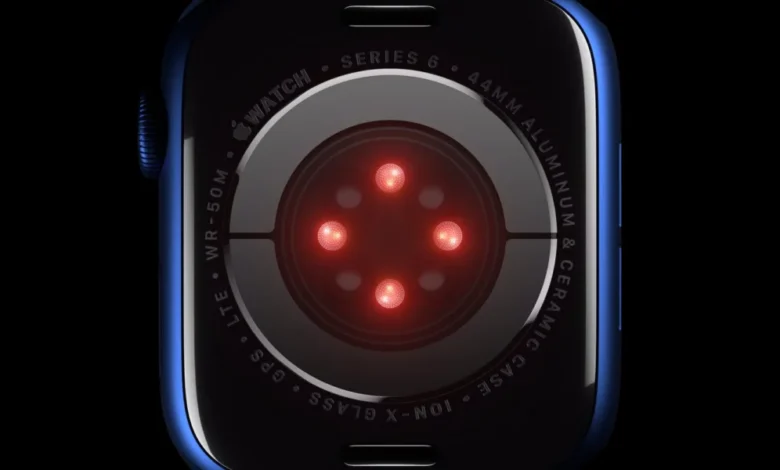
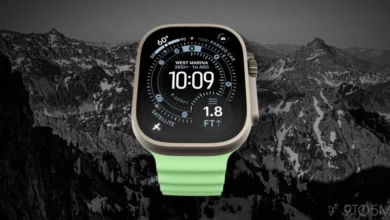
In a substantial development for the tech giant, a United States federal judge has denied Apple’s fervent requests to overturn a $634 million patent infringement verdict and secure a new trial in its protracted legal conflict with medical technology firm Masimo. The ruling, delivered by U.S. District Judge James V. Selna, solidifies the jury’s earlier finding that certain Apple Watch features infringe upon Masimo’s patented pulse oximetry technology, dealing a considerable blow to Apple’s defense strategy and its ambitions in the rapidly expanding health monitoring sector. This decision not only validates Masimo’s intellectual property claims but also intensifies the scrutiny on how consumer wearable devices are categorized and regulated in the context of medical technology.
A Deep Dive into the Genesis of the Dispute
The legal entanglement between Apple and Masimo, a relationship that has devolved into one of the most closely watched intellectual property battles in recent tech history, traces its roots back several years. Masimo Corporation, a company renowned for its advanced non-invasive patient monitoring technologies, including highly accurate pulse oximetry, first initiated legal action against Apple in early 2020. The core of Masimo’s original lawsuit centered on allegations that Apple had engaged in the theft of trade secrets and infringed upon a suite of patents pertaining to pulse oximetry and other optical health-monitoring technologies integrated into the Apple Watch. Masimo contended that Apple had intentionally poached key Masimo employees and misappropriated confidential information to accelerate the development of its own health monitoring features.
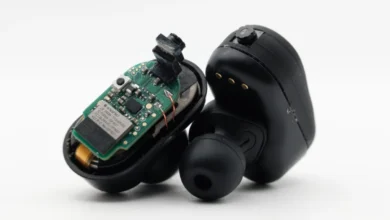
Masimo’s expertise lies in developing medical-grade sensors and algorithms that provide accurate and reliable physiological measurements, often in challenging clinical environments. Pulse oximetry, a technology central to this dispute, measures the oxygen saturation of a patient’s blood (SpO2) and pulse rate using light absorption principles. This non-invasive method involves emitting light through tissue, typically a fingertip or wrist, and measuring the amount of light absorbed by arterial blood. The difference in absorption between oxygenated and deoxygenated hemoglobin allows for the calculation of SpO2 levels. This technology is crucial in various medical settings for monitoring respiratory function, particularly for individuals with conditions like sleep apnea, chronic obstructive pulmonary disease (COPD), or during surgical procedures. The precision and reliability required for clinical applications are incredibly high, a standard Masimo prides itself on meeting.
Chronology of a Contentious Legal Battle
The litigation between Apple and Masimo has unfolded across multiple legal fronts, showcasing the complexity and multi-faceted nature of modern intellectual property disputes involving global corporations.
-
January 2020: The Initial Lawsuit: Masimo files its initial lawsuit against Apple in California, alleging patent infringement and trade secret misappropriation related to pulse oximetry technology used in the Apple Watch. This marked the formal beginning of their legal confrontation.

-
2023: The ITC Ruling and Import Ban: A significant turning point occurred when the U.S. International Trade Commission (ITC) issued a ruling largely in favor of Masimo. The ITC found that Apple had infringed upon Masimo’s patents related to blood oxygen monitoring technology. This ruling led to a consequential import ban in the United States on certain Apple Watch models (specifically the Series 9 and Ultra 2) equipped with the blood oxygen monitoring feature. This was a direct and impactful blow to Apple’s sales in a crucial market.
-
December 2023: Apple’s Response to ITC Ban: In response to the ITC ruling, Apple temporarily halted sales of the affected Apple Watch models in the U.S. market. Following this, the company resumed sales after implementing a software-based workaround that effectively disabled the blood oxygen monitoring functionality on newly sold devices. This move, while allowing sales to resume, highlighted the immediate commercial pressure Apple faced.
-
Early 2024: Redesigned Feature and Masimo’s Counter-Action: Apple later introduced what it described as a "redesigned feature" for blood oxygen measurement. This new approach reportedly involved measuring and calculating sensor data from the Apple Watch on the paired iPhone, with results then displayed in the Health app. Apple claimed this redesign circumvented Masimo’s patents. However, Masimo swiftly responded by suing U.S. Customs and Border Protection over its decision to allow imports of these "redesigned" watches, arguing that the changes were insufficient to avoid infringement. This indicates Masimo’s unwavering commitment to enforcing its intellectual property rights.
-
November 2023: The $634 Million Jury Verdict: Running concurrently but separately from the ITC proceedings, the patent portion of Masimo’s original California lawsuit proceeded to trial. In November 2023, a jury in California found that the Apple Watch’s heart-rate monitoring and notification features infringed a different Masimo pulse oximetry patent. The jury subsequently ordered Apple to pay a substantial $634 million in damages. This verdict was distinct from the ITC’s findings, focusing on a different set of claims and patents, demonstrating the breadth of Masimo’s accusations.
-
February 2024: Judge Upholds Verdict: This brings us to the current ruling. Apple had since been actively attempting to overturn the November 2023 jury finding, seeking either a judgment as a matter of law (overturning the jury’s verdict based on legal grounds) or a new trial. Judge James V. Selna’s recent decision firmly rejected both of these pleas.
The Judge’s Rationale: Defining "Patient Monitor" and Upholding Jury Findings
At the heart of Apple’s appeal against the $634 million verdict was a fundamental disagreement over the interpretation of a key term within Masimo’s patent: "patient monitor." Apple argued that the term "patient monitor" should be narrowly construed to apply exclusively to traditional, dedicated medical equipment used in clinical settings, thereby excluding consumer devices like the Apple Watch. Under this interpretation, Apple contended that its smartwatch, designed for everyday use by general consumers, could not possibly infringe upon a patent intended for specialized medical devices.
However, Judge Selna, in his comprehensive ruling, sided with the jury’s broader interpretation. He concluded that the patent’s language and the "everyday meaning" of the term "patient monitor" could reasonably encompass the Apple Watch, given its capabilities to track and provide continuous health data. The judge emphasized that the patent did not explicitly restrict the definition to conventional medical hardware, thus allowing for a broader application that could include sophisticated consumer wearables with health monitoring functions. This decision is significant as it acknowledges the evolving landscape of health technology, where the lines between consumer electronics and medical devices are increasingly blurring.
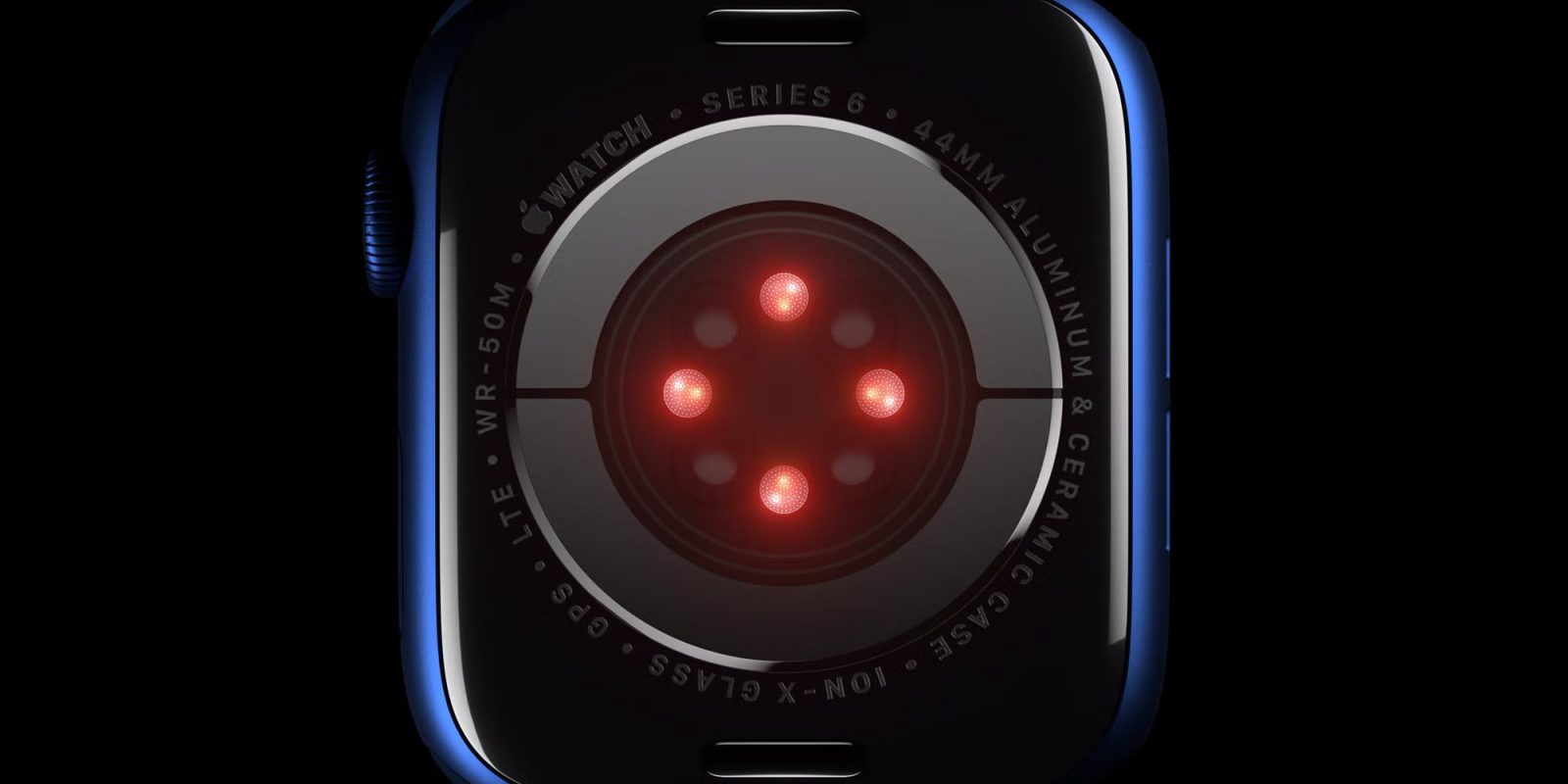
Furthermore, Judge Selna dismissed Apple’s request for a new trial. Apple had raised concerns regarding specific jury instructions provided during the trial and the court’s decision to exclude testimony from one of its expert witnesses. After careful review, Judge Selna found no errors egregious enough to warrant a retrial, affirming the integrity of the original trial process and the jury’s deliberations. His ruling effectively solidifies the jury’s previous determination of infringement and the associated damages.
Official Reactions and Future Appeals
Following the judge’s decision, Apple reiterated its official stance, which it had previously provided to Law360. The company’s statement underscored its perspective on Masimo and the nature of the patents involved: "Masimo is a medical device company that does not sell any products to consumers. Over the past six years they have sued Apple in multiple courts and asserted over 25 patents, the majority of which have been found to be invalid, […] The single patent in this case expired in 2022, and is specific to historic patient monitoring technology from decades ago. We plan to appeal."
Apple’s statement highlights several key arguments:
- Masimo’s Market Position: By emphasizing that Masimo does not sell directly to consumers, Apple attempts to position the dispute as one between a consumer electronics company and a specialized medical device firm, implying a different competitive landscape.
- Patent Validity: Apple asserts that a majority of the patents Masimo has asserted against it have been found invalid, attempting to undermine Masimo’s overall intellectual property strength. This claim, however, does not diminish the validity of the specific patent upheld in this verdict.
- Patent Expiration and Age: The assertion that the patent in question expired in 2022 and relates to "historic patient monitoring technology from decades ago" is an attempt by Apple to minimize the ongoing relevance and impact of the technology. While a patent’s expiration means others can use the technology without infringement going forward, it does not absolve past infringement during the patent’s active life, which is what the jury verdict addressed.
- Intent to Appeal: Crucially, Apple’s declaration of intent to appeal indicates that this legal saga is far from over. An appeal process typically involves a higher court reviewing the trial court’s proceedings for legal errors, rather than re-evaluating the facts of the case.
While Masimo has not issued a specific public statement regarding Judge Selna’s recent upholding of the verdict, their aggressive and consistent pursuit of legal action against Apple across multiple jurisdictions clearly demonstrates their belief in the strength and validity of their intellectual property. Masimo’s actions suggest a firm commitment to defending its innovations and ensuring fair compensation for their use, regardless of the size or market power of the infringing party.
Broader Implications for Apple and the Wearable Health Tech Industry
The upholding of the $634 million patent verdict carries significant implications, not only for Apple’s immediate financial outlook but also for its long-term strategy in the health and wellness sector, and for the broader wearable technology industry.
Financial Impact: While $634 million is a substantial sum, representing a significant legal cost, it is important to contextualize it within Apple’s vast financial resources. Apple reported a net income of $97 billion in fiscal year 2023. Nevertheless, this payment is a tangible and costly consequence of patent infringement, underscoring the financial risks associated with intellectual property disputes. It represents a direct hit to profitability and serves as a stark reminder that even industry giants are subject to such penalties.

Precedent for Wearable Technology: Judge Selna’s ruling, particularly his interpretation of "patient monitor" to include consumer wearables, could establish a crucial precedent. As smartwatches and other wearable devices increasingly incorporate sophisticated health monitoring features – from ECG capabilities and blood oxygen saturation to potential future integrations like non-invasive blood glucose monitoring – the distinction between consumer electronics and regulated medical devices becomes increasingly blurred. This decision suggests that tech companies developing these features may face heightened scrutiny under existing medical device patents, potentially leading to more intellectual property challenges and necessitating greater care in R&D and product development to avoid infringement.
Apple’s Health Ambitions: Apple has consistently emphasized its commitment to health and wellness, positioning the Apple Watch as a critical device in preventive care and personal health management. The company has invested heavily in research and development to integrate advanced sensors and algorithms into its wearables. This ruling, alongside the ongoing ITC import ban dispute, complicates Apple’s strategic push into more medically oriented health features. The legal challenges could slow down innovation, increase development costs (due to the need for extensive patent searches and potential licensing agreements), and potentially limit the availability of certain health features in key markets. For future breakthroughs like continuous non-invasive blood glucose monitoring, a highly anticipated feature for diabetes management, Apple will need to navigate an even more complex intellectual property landscape.
Intellectual Property Landscape: The case highlights the escalating importance of intellectual property in the competitive tech industry. Companies like Masimo, with decades of specialized research and development in medical technology, hold valuable patent portfolios. As general consumer tech companies venture into specialized fields like health, they are increasingly likely to intersect with these existing patents. This could lead to a surge in patent litigation, prompting tech companies to either invest more heavily in original research to avoid infringement or pursue strategic licensing agreements.
Competitive Landscape: The legal challenges facing Apple could also provide an opening for competitors in the wearable market. While the Apple Watch remains a dominant player, any feature limitations or increased costs due to legal battles could create opportunities for rivals who can offer similar health monitoring capabilities without the same legal encumbrances.
The Road Ahead: The Appeal Process
Apple’s declared intent to appeal means the legal battle will continue, likely moving to the U.S. Court of Appeals for the Federal Circuit, which specializes in patent cases. The appellate court will review Judge Selna’s legal interpretations and procedural decisions, not re-evaluate the facts presented to the jury. While an appeal offers Apple another chance to challenge the verdict, overturning a jury’s finding and a district judge’s affirmation is an an uphill battle, often requiring a demonstration of significant legal error.
This ongoing saga underscores the complex interplay between innovation, intellectual property rights, and market competition in the rapidly evolving technology sector. As devices like the Apple Watch become more integral to personal health management, the legal boundaries defining their capabilities and the intellectual property protecting those innovations will continue to be rigorously tested and redefined in courtrooms across the globe. The outcome of Apple’s appeal will undoubtedly be watched closely by industry observers, legal experts, and consumers alike, as it will further shape the trajectory of health technology in consumer electronics.
Related posts: