Nikon Z6: A Full-Frame Mirrorless Powerhouse Now Accessible on the Used Market


The enduring appeal of full-frame mirrorless cameras continues to draw photographers seeking to elevate their craft, and the Nikon Z6, once a flagship model, is now emerging as a compelling entry point into this premium segment, particularly within the burgeoning used market. Recent trends on search engines suggest a renewed interest in this capable camera, likely driven by its increasingly attractive price point and the persistent desire among many photographers for the distinct aesthetic and performance characteristics associated with larger sensors.
While the landscape of digital photography in 2026 offers an array of exceptional tools across various sensor sizes – including advanced APS-C, Micro Four Thirds, and even sophisticated compact cameras – the allure of full-frame remains a significant aspiration for a substantial portion of the photographic community. This aspiration is not merely about acquiring a "better" camera, but often about achieving a specific visual signature, akin to the revered look of medium format photography. As a full-frame user myself, I can attest to the profound impact this sensor size can have on image quality, depth of field control, and low-light performance.
However, the inherent cost of full-frame systems has historically presented a barrier to entry for many. The manufacturing of larger sensors is inherently more expensive, and these cameras are typically equipped with cutting-edge technologies and high-performance specifications. Furthermore, the accompanying full-frame lenses, crucial for realizing the full potential of the sensor, often command a premium over their crop-sensor counterparts. This economic reality has, for years, positioned full-frame photography as a luxury, seemingly out of reach for photographers operating on tighter budgets. This is precisely why the pre-owned market, particularly from reputable dealers, has become an indispensable resource for aspiring full-frame shooters.
The Rise of the Nikon Z System
The Nikon Z6, launched in August 2018 alongside its higher-resolution sibling, the Nikon Z7, marked Nikon’s ambitious entry into the full-frame mirrorless camera market. This launch was significant as it introduced the brand’s new Z mount, a wider and shorter flange-back mount designed to facilitate the development of sharper, faster, and more compact NIKKOR Z lenses. The Z6, in particular, was engineered as a versatile all-rounder, focusing on a balance of speed, image quality, and performance in a variety of shooting conditions.
At its core, the Nikon Z6 features a 24.5-megapixel backside-illuminated (BSI) CMOS sensor. This resolution, while not the highest available, is often considered a sweet spot for many photographic applications, offering a strong balance between detail capture and file size. The BSI design enhances light-gathering capabilities, contributing to improved low-light performance and dynamic range – key advantages of full-frame sensors. The camera also boasts an impressive ISO range, typically extending from 100 to 51200, with a usable extended range that can be pushed further for challenging lighting scenarios.
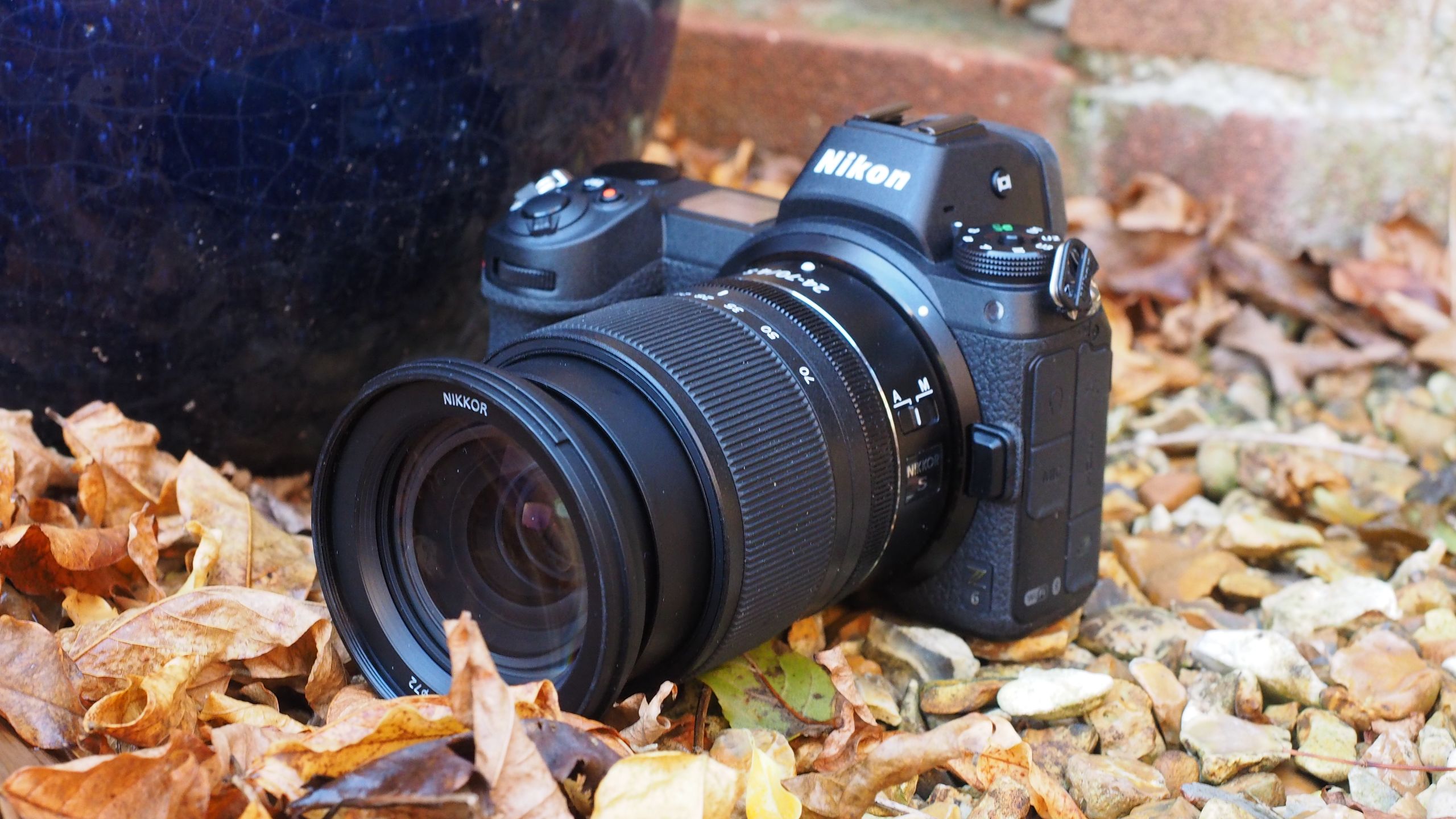
The autofocus system on the original Z6 was an area that received initial scrutiny. It featured 273 on-sensor phase-detection autofocus points spread across approximately 90% of the frame. While capable, it was not as advanced as some competing systems at the time of its release. However, Nikon demonstrated a commitment to improving its mirrorless offerings through firmware updates. A significant update, released in stages, notably enhanced the Z6’s autofocus performance, introducing features like eye-detection AF for both humans and animals, and improving tracking capabilities. This proactive approach by Nikon underscores the importance of software in optimizing camera hardware.
Video capabilities were also a strong suit for the Z6. It was capable of recording 4K UHD video at up to 30 frames per second internally, utilizing the full width of the sensor for a cinematic field of view. It also offered 10-bit N-Log recording via HDMI, a professional-grade feature that provides a wider dynamic range and greater flexibility in post-production color grading. This made the Z6 an attractive option not only for stills photographers but also for videographers and hybrid shooters.
A Foundation for Future Innovation
The initial release of the Z6 and Z7 was met with both praise and constructive criticism. Professionals lauded the excellent image quality, robust build, and the potential of the new Z mount. However, two primary areas of concern emerged: the single XQD card slot and the absence of a dedicated battery grip at launch. The single card slot, while utilizing a fast and reliable XQD format (later compatible with CFexpress Type B cards via firmware), was a departure from the dual-slot configurations common in professional DSLRs, which offer an added layer of data security for critical shoots. The lack of an integrated battery grip meant that vertical shooting ergonomics and extended battery life were not as readily available out of the box.
These points were addressed in subsequent iterations. The Nikon Z6 II, released in October 2020, served as a significant evolutionary step. It retained the 24.5-megapixel sensor but incorporated dual EXPEED 6 image processors, leading to improved autofocus performance, faster burst shooting rates (up to 14 frames per second), and enhanced buffer depth. Crucially, the Z6 II introduced dual card slots, offering one XQD/CFexpress Type B slot and one UHS-II SD card slot, addressing the primary concern of professionals. It also offered improved video capabilities and better ergonomics with the option for a new battery grip.
The Z7 II followed a similar trajectory, offering a higher-resolution 45.7-megapixel sensor with the same dual-processor architecture and dual card slots. These second-generation models effectively refined the Z6 and Z7 formula, solidifying Nikon’s position in the mirrorless market.
The Used Market Advantage
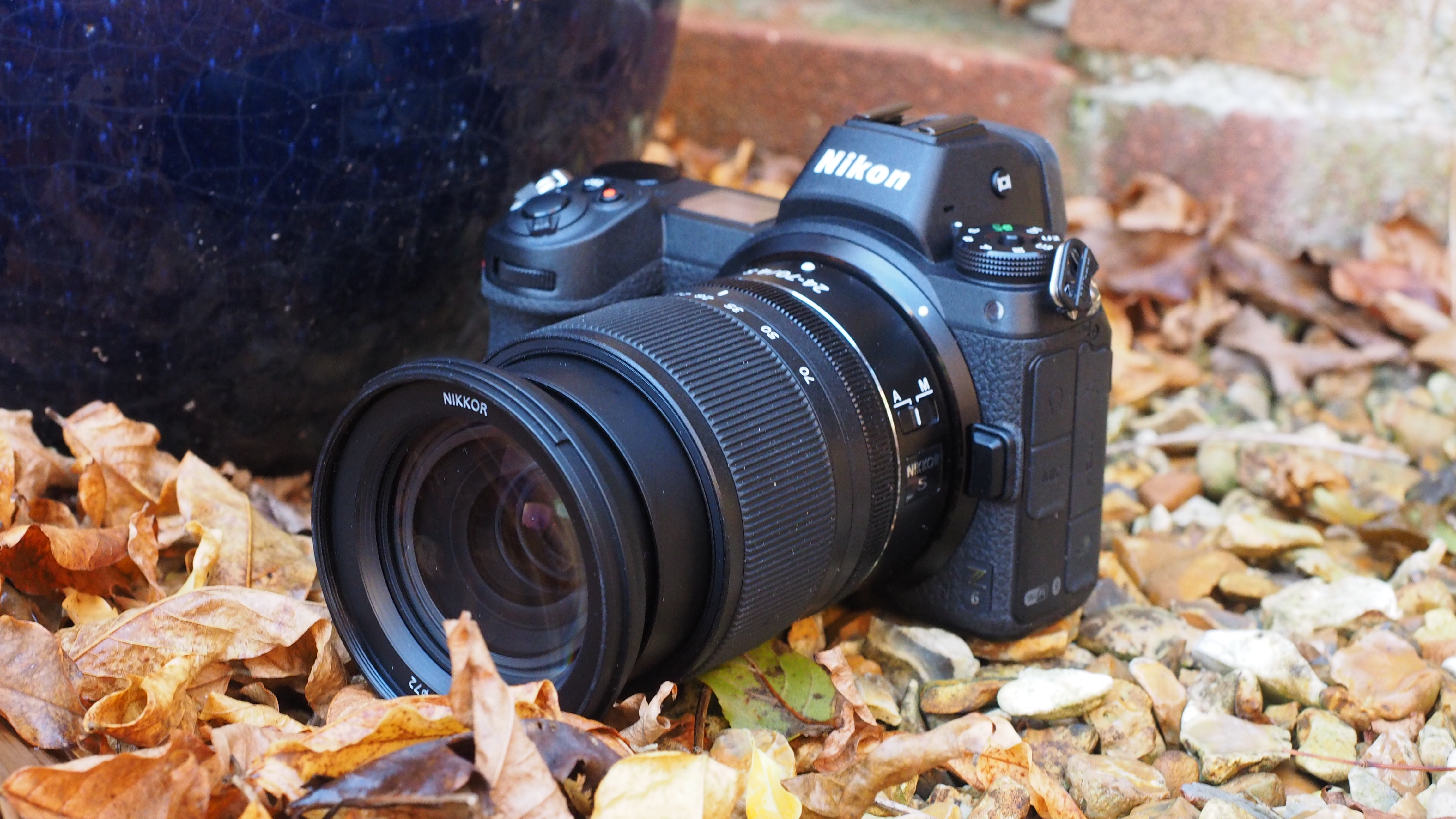
Despite the advancements brought by the Z6 II and Z7 II, the original Nikon Z6 remains a highly capable camera, and its declining price on the used market makes it an exceptional value proposition. Prices for a used Nikon Z6 can now start as low as $609 USD or £434 GBP, placing it within the financial reach of photographers who might otherwise be limited to entry-level or mid-range APS-C cameras. This price point is particularly noteworthy when considering the significant advantages of a full-frame sensor, including superior low-light performance, shallower depth of field capabilities, and a broader dynamic range that captures more detail in highlights and shadows.
The availability of reputable used camera dealers like MPB and KEH Camera is instrumental in this trend. These platforms provide a curated selection of pre-owned equipment, often graded for condition and accompanied by warranties, offering buyers a level of confidence that traditional peer-to-peer sales may lack. Purchasing from such sources mitigates the risks associated with buying used gear and ensures that the camera has been inspected and verified for functionality.
Leveraging Existing Glass
A significant advantage for existing Nikon DSLR users looking to transition to the mirrorless Z system is the backward compatibility offered by the Nikon FTZ II adapter. This adapter allows photographers to mount a vast array of Nikon F-mount DSLR lenses onto Z-mount mirrorless bodies. Full-frame F-mount lenses will operate seamlessly, retaining their autofocus and exposure capabilities. While APS-C (DX-format) lenses will function, they will naturally trigger the camera’s crop mode, effectively reducing the image circle and resulting in a lower effective resolution. However, for those invested in a collection of high-quality Nikon DSLR glass, the FTZ II adapter provides a cost-effective bridge to the latest mirrorless technology, preserving their lens investment.
Considering the Memory Card Factor
A practical consideration for potential buyers of the Nikon Z6 is its memory card slot. As mentioned, the Z6 utilizes a single XQD or CFexpress Type B card slot. These cards, while offering very high read/write speeds essential for high-resolution stills and 4K video, can be more expensive than standard SD cards. A suitable memory card can add an additional $100 USD or £100 GBP to the overall cost of entry. Photographers accustomed to UHS-II SD cards will need to factor in this additional expense when budgeting for the Z6. However, the speed and reliability of these cards are well-suited to the camera’s performance capabilities, particularly for burst shooting and video recording.
Analysis and Implications
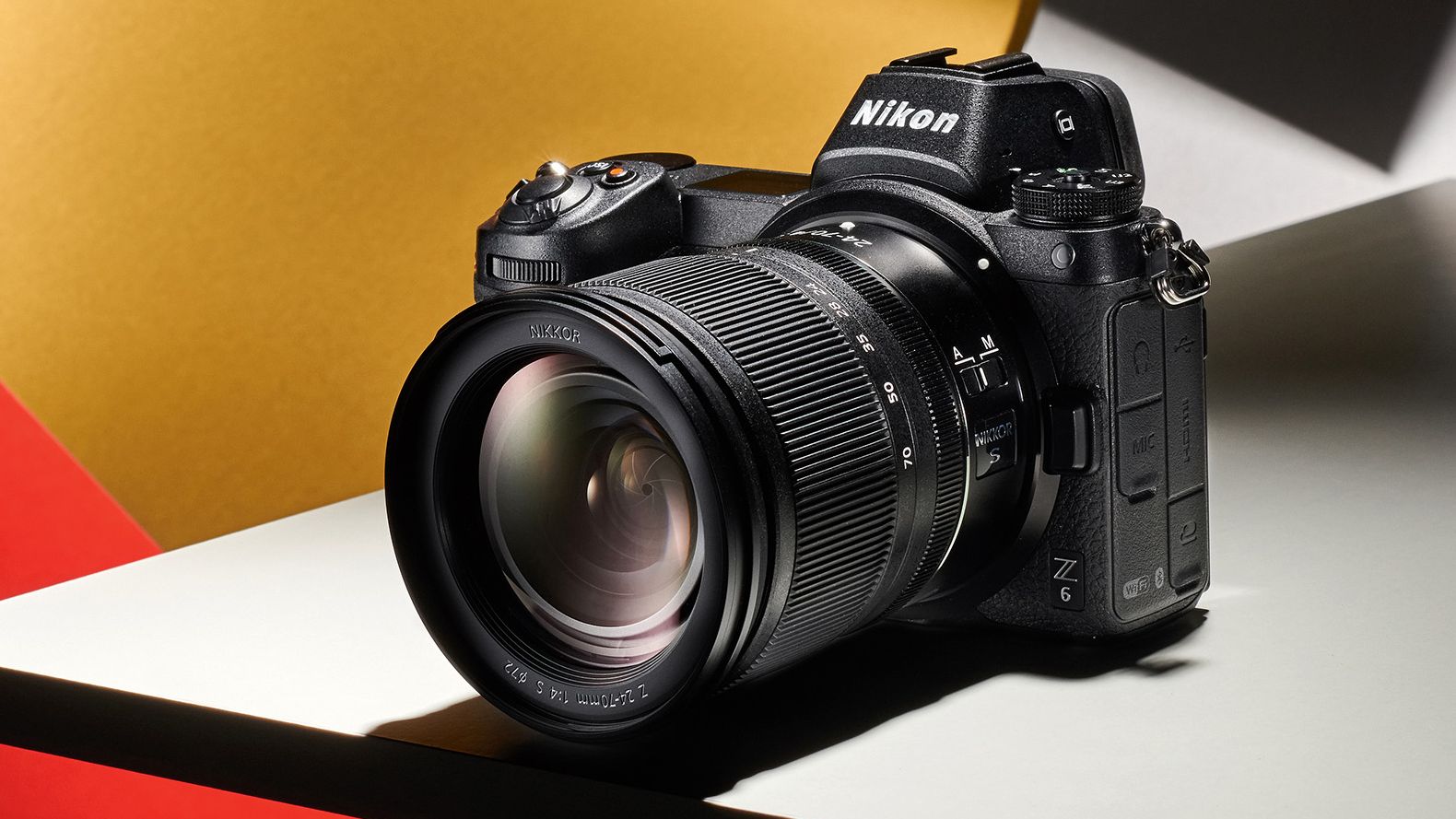
The current market availability of the Nikon Z6 at such accessible price points has significant implications for the photographic community. It democratizes access to full-frame imaging, allowing a wider range of photographers to experience its benefits without the prohibitive cost of a new system. This is particularly relevant for:
- Aspiring Professionals: Photographers looking to build a professional portfolio or take on client work can acquire a capable full-frame camera at a fraction of its original cost. This allows them to compete on image quality with more experienced professionals without a massive initial investment.
- Hobbyists Seeking an Upgrade: Enthusiasts who have outgrown their entry-level or crop-sensor cameras can now step up to full-frame, enhancing their creative possibilities in areas like portraiture, low-light photography, and landscape imaging where shallow depth of field and exceptional detail are paramount.
- Nikon DSLR Users: The ability to leverage existing F-mount lenses with the FTZ II adapter makes the Z6 an incredibly appealing upgrade path, minimizing the need for a complete system overhaul.
- Second Camera Bodies: For established professionals, the Z6 can serve as an excellent and affordable backup camera body, providing a consistent shooting experience and image quality alongside their primary equipment.
While the Nikon Z6 may not possess the cutting-edge specifications of the latest generation of full-frame mirrorless cameras, such as the blistering burst rates, advanced AI-driven autofocus, or the absolute pinnacle of dynamic range and resolution, its core strengths remain highly relevant. The 24.5-megapixel sensor, coupled with Nikon’s renowned color science, delivers images with excellent detail, pleasing tones, and good low-light performance. The robust build quality, intuitive ergonomics (once accustomed to), and the sheer potential of the Z mount system provide a solid foundation for photographic growth.
Conclusion
The Nikon Z6, once a pioneering force in Nikon’s mirrorless lineup, has gracefully transitioned into a value-driven option on the used market. Its combination of a capable 24.5-megapixel full-frame sensor, solid video features, and the potential to utilize a vast library of Nikon F-mount lenses via an adapter makes it an exceptional choice for photographers looking to make the leap into full-frame without breaking the bank. While the single card slot and the initial AF system were points of contention at launch, firmware updates have significantly improved its performance, and the overall package, when acquired from a reputable used dealer, offers unparalleled value. For those seeking to unlock the creative advantages of a full-frame sensor, the Nikon Z6 stands as a testament to enduring quality and accessible innovation.