Galaxy Watch Ultra 2 may finally close the diving gap with the Apple Watch Ultra 3

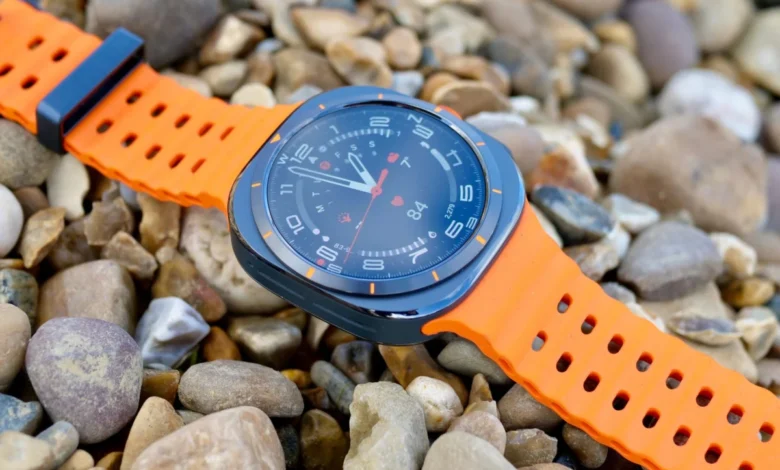
Leaked promotional materials have ignited considerable excitement within the tech community, suggesting that Samsung’s forthcoming smartwatch lineup will introduce a suite of significant upgrades, including a substantial battery boost for the smaller Galaxy Watch 9 and, critically, recreational diving certification for the Galaxy Watch Ultra 2. These revelations, if confirmed, mark a pivotal moment for Samsung’s wearable strategy, positioning its devices more competitively against rivals, particularly in the premium and adventure-focused segments. The leaks point to a strategic recalibration, addressing previous limitations and enhancing core functionalities that consumers have increasingly come to expect from high-end smartwatches.
The Dawn of a New Era for Samsung Wearables: Unpacking the Leaks
The latest wave of information originated from an X account operating under the handle @evleaks, a name historically associated with a prominent leaker, Evan Blass, although Blass has publicly distanced himself from this specific account. Despite the ambiguity of the source, the images presented bear the hallmarks of official Samsung marketing materials, lending significant credibility to the details unveiled. These purported official visuals fill critical gaps left by earlier specification leaks, providing a clearer picture of what Samsung intends to bring to market. The timing of these leaks, just weeks before Samsung’s anticipated Galaxy Unpacked event, amplifies the anticipation, setting the stage for what could be one of the most impactful product announcements in the wearable sector this year.
The development of smartwatches has seen a continuous push towards greater autonomy, enhanced durability, and specialized functionality. For years, battery life has remained a persistent challenge, particularly for smaller form factors. Simultaneously, as smartwatches evolve beyond simple notification mirrors, their utility in niche activities like extreme sports and outdoor adventures has grown, necessitating robust certifications and specialized hardware. These leaked specifications indicate Samsung is directly addressing both these critical areas, demonstrating a commitment to pushing the boundaries of what its smartwatches can achieve.
Powering Through the Day: Galaxy Watch 9’s Substantial Battery Upgrade
One of the most welcome revelations pertains to the standard Galaxy Watch 9 series, specifically the 40mm model. Previous reports had indicated that this smaller variant would retain the same 325mAh battery capacity as its predecessor, a point of concern for users desiring extended usage. However, the newly leaked images prominently display a 390mAh capacity for the 40mm Galaxy Watch 9. This represents a significant 20% increase in battery size, a substantial improvement that could translate into noticeably longer operating times for one of Samsung’s most popular smartwatch sizes.

For context, a 20% increase in battery capacity on a device where every milliwatt-hour counts is not merely incremental; it’s transformative. In practical terms, this could mean an additional several hours of active use, or perhaps the difference between needing to charge daily versus comfortably achieving a full day and a half, or even two days, under moderate usage. This is particularly impactful for users who prefer a more compact smartwatch but have often had to compromise on battery longevity. This upgrade makes the 40mm Galaxy Watch 9 a far more compelling option, mitigating one of the primary criticisms often leveled against smaller smartwatches.
The larger 44mm Galaxy Watch 9 model is also slated to receive a 445mAh battery, a figure that aligns with earlier reports. While not a new revelation from these specific leaks, it underscores Samsung’s broader strategy to enhance power reserves across the entire Watch 9 lineup. When combined with other anticipated hardware improvements, these larger batteries are expected to deliver a tangible improvement in overall user experience, making the devices more reliable companions for daily life, fitness tracking, and everything in between. The emphasis on battery life reflects a growing understanding within the industry that while features are important, a device that runs out of power quickly undermines its utility.
Under the Hood: The Snapdragon Wear Elite Processor’s Role
Complementing the increased battery capacities, both Galaxy Watch 9 models are rumored to integrate Qualcomm’s latest Snapdragon Wear Elite processor. This silicon is expected to bring a dual benefit: enhanced efficiency and superior performance. A new generation of processor typically means faster application loading, smoother user interface navigation, and more responsive interactions. More critically, the "improved efficiency" aspect directly synergizes with the larger batteries. A more efficient chip can extract more operational time from the same amount of power, meaning the 20% battery increase in the 40mm model could feel even more impactful in real-world usage.
The Snapdragon Wear Elite processor is anticipated to offer significant boosts in CPU and graphics performance. For smartwatches, this translates to the ability to handle more complex health and fitness tracking algorithms, potentially enabling more sophisticated on-device AI processing, and rendering richer graphical interfaces. This advancement is crucial for maintaining a premium user experience, especially as smartwatches increasingly become sophisticated health monitoring and communication hubs. Samsung’s move to a potentially more powerful and efficient processor underscores its commitment to delivering cutting-edge performance and responsiveness in its mainstream smartwatch offerings. This also highlights a strategic choice in processor architecture, moving towards a chip designed for higher performance and lower power consumption, a crucial balance in wearable technology.
Diving Deep: Galaxy Watch Ultra 2 Achieves Recreational Diving Certification
Perhaps the most groundbreaking revelation from the leaked marketing materials concerns the Galaxy Watch Ultra 2. The images explicitly point to EN13319 certification, an international standard specifically designed for diving accessories, including depth-measuring devices. This certification is a game-changer for Samsung’s "Ultra" line, directly addressing a previous limitation and propelling the device into a new category of outdoor and adventure wearables.

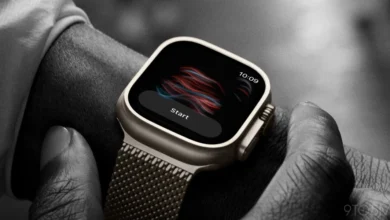
Historically, Samsung’s previous Galaxy Watch Ultra models, while robust and water-resistant, did not carry this specific certification. In fact, Samsung had explicitly advised users against wearing them during freediving or scuba diving, a clear indicator that the devices were not engineered or certified for the specific pressures and operational requirements of underwater exploration. This official caution created a notable gap between the Galaxy Watch Ultra and its primary competitor in the adventure segment, the Apple Watch Ultra, which has embraced diving capabilities since its inception, offering features like a depth gauge and water temperature sensor, and compliance with the EN13319 standard.
The EN13319 standard is not merely about water resistance; it signifies that a device has been rigorously tested and deemed suitable for use as a depth gauge and timer during recreational diving. This involves specific performance requirements for accuracy, pressure resistance, and display visibility underwater. By achieving this certification, the Galaxy Watch Ultra 2 is no longer just a rugged smartwatch; it becomes a legitimate tool for recreational divers, capable of providing critical data safely and reliably during underwater excursions.
This strategic move by Samsung is a clear response to the market demand for more versatile and capable adventure watches. It directly challenges the Apple Watch Ultra 3’s stronghold in the premium adventure smartwatch space, offering Samsung users a comparable level of functionality and peace of mind when engaging in water sports. For Samsung, this certification solidifies the "Ultra" moniker, aligning its capabilities more closely with the extreme environments and activities that such branding suggests. It opens up a new user base of divers and water sports enthusiasts who previously might have overlooked Samsung’s offerings in favor of more specialized or certified alternatives.
Engineering Feats: The Galaxy Watch Ultra 2’s Premium Enhancements
Beyond the diving certification, the Galaxy Watch Ultra 2 is poised to receive a suite of other premium upgrades that underscore Samsung’s ambition for its flagship wearable. The leaked images suggest a substantial increase in battery capacity, from the previous generation’s 590mAh to an impressive 800mAh. This represents approximately a 35% increase, promising significantly extended battery life for a device already designed for longer expeditions. What makes this even more remarkable is the rumor that Samsung has achieved this while simultaneously making the case 12% thinner. This engineering feat—packing a larger battery into a slimmer profile—speaks volumes about Samsung’s advancements in miniaturization and component optimization. A thinner profile enhances wearability and comfort, especially for a larger adventure-focused watch.
Furthermore, the Galaxy Watch Ultra 2 is expected to feature IP69K protection. While previous models offered robust IP68 and 5ATM water resistance, IP69K signifies an even higher level of ingress protection. This standard certifies that a device can withstand close-range, high-pressure, high-temperature spray-downs, making it exceptionally resistant to dust and water, and suitable for harsh industrial environments or extreme cleaning procedures. For an adventure watch, this means even greater resilience against mud, grime, and powerful jets of water encountered during outdoor activities.

The display technology is also set for a significant upgrade, with the Ultra 2 rumored to reach an astonishing 5,000 nits of peak brightness. To put this into perspective, many premium smartphone displays peak around 2,000 to 3,000 nits. A 5,000-nit display would offer unparalleled visibility in direct sunlight, underwater, or in other challenging lighting conditions, which is crucial for a device intended for outdoor and extreme use. The ability to clearly read information, even when submerged or under glaring sun, directly enhances safety and usability. The watch is also expected to retain its premium titanium construction, ensuring durability and a lightweight feel commensurate with its flagship status.
The Competitive Tides: Samsung vs. Apple in the Premium Smartwatch Arena
These leaked specifications reveal a clear strategic intent from Samsung: to directly challenge Apple’s dominance in the premium and adventure smartwatch segments. The Apple Watch Ultra, since its introduction, has carved out a niche by offering robust features for outdoor enthusiasts, including advanced diving capabilities, precision GPS, and extended battery life. By incorporating EN13319 certification, a significantly larger battery, enhanced durability, and an ultra-bright display, the Galaxy Watch Ultra 2 is poised to directly compete, feature-for-feature, with the upcoming Apple Watch Ultra 3.
In the broader smartwatch market, Apple and Samsung consistently vie for top positions, often trading blows with incremental upgrades. However, the "Ultra" category represents a distinct battleground, appealing to a demographic that prioritizes ruggedness, specialized functionality, and extended endurance over sheer affordability. For Samsung, closing the diving gap is not just about a single feature; it’s about validating the "Ultra" brand, demonstrating its capacity to innovate in demanding niches, and providing a comprehensive alternative for users embedded in the Android ecosystem who desire a high-performance adventure watch without needing to switch to an iPhone.
Industry analysts suggest these enhancements are a direct response to market feedback and competitive pressures. The adventure watch segment is growing, and consumers are increasingly looking for devices that can keep pace with their active lifestyles. This strategic move could solidify Samsung’s position, allowing it to capture a larger share of this lucrative market and reinforce its reputation as a leading innovator in wearable technology. The battle for the premium smartwatch crown is intensifying, and Samsung appears to be bringing its heaviest artillery to the fight.
Broader Industry Impact and Consumer Outlook
The advancements revealed in these leaks have implications that extend beyond just Samsung’s immediate product lineup. For the smartwatch industry as a whole, these upgrades signal a continued trend towards more specialized, durable, and autonomous devices. The push for better battery life, more robust certifications like EN13319, and advanced display technologies sets a new benchmark for what consumers can expect from flagship smartwatches. It demonstrates that manufacturers are moving beyond basic health tracking and notifications, embracing the potential for smartwatches to serve as essential tools in demanding environments.

For consumers, these upgrades promise a more versatile, reliable, and long-lasting device. The Galaxy Watch 9’s improved battery life means less anxiety about daily charging, while the Ultra 2’s diving certification and enhanced durability open up new possibilities for underwater exploration and extreme sports without needing a separate, dedicated device. The combination of a powerful new processor and increased battery capacity across the board also suggests that future software updates and more demanding applications will be handled with ease, extending the device’s useful lifespan.
These developments could also spur further innovation from other manufacturers, leading to a more competitive market where durability, battery life, and specialized features become standard expectations rather than premium add-ons. As smartwatches continue to integrate deeper into our lives, their ability to perform reliably in a wider range of conditions—from daily commutes to deep-sea dives—becomes paramount. Samsung’s latest efforts indicate a clear vision for the future of wearables, one where smartwatches are not just smart, but also resilient, enduring, and supremely capable.
Anticipation Builds for Galaxy Unpacked 2024
While the leaked details paint a comprehensive picture, Samsung has yet to officially confirm any of these specifications. All eyes are now firmly set on the upcoming Galaxy Unpacked event, scheduled for July 22. This event is expected to be the platform where Samsung formally unveils the Galaxy Watch 9 series, the Galaxy Watch Ultra 2, and potentially other new devices like foldables. It will be the moment when the rumors are either validated or corrected, and when official pricing, availability, and additional software features are finally revealed.
Beyond the hardware, Unpacked will also likely provide insights into Samsung’s software strategy for its wearables, potentially showcasing new health monitoring capabilities, refined user interfaces, or deeper integration with the broader Galaxy ecosystem. The excitement surrounding these leaks highlights the significant impact that smartwatches have on consumer electronics and the keen interest in how major players like Samsung continue to push the boundaries of wearable technology. The July 22 event is poised to be a landmark occasion for smartwatch enthusiasts and a crucial moment for Samsung’s competitive standing in the global market.