Strawstalker

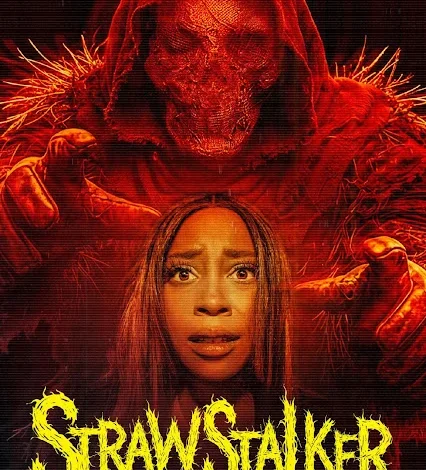
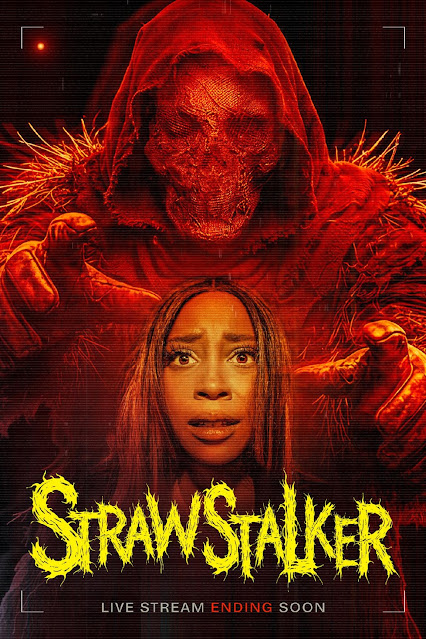
The cinematic landscape of 2026 has been graced with a new entrant into the found-footage horror genre, George Henry Horton’s "Strawstalker." This film, penned and directed by Horton himself, stars Branika Scott and Dallas Steinback alongside Horton, and offers a chilling, albeit at times unsettling, examination of modern ambition and its terrifying consequences. The narrative centers on a young, fame-hungry couple who relocate to an idyllic Los Angeles abode, only to discover their dream life rapidly devolving into a waking nightmare as an ancient, malevolent scarecrow begins to systematically stalk them. The film, released on VOD services, attempts to fuse supernatural dread with a pointed satire of influencer culture, a combination that, while ambitious, yields a mixed but ultimately memorable experience for its target audience.
The Genesis of a Nightmare: Influencer Culture Meets Folk Horror
"Strawstalker" arrives at a time when the influence and pervasive nature of social media and influencer culture are subjects of intense scrutiny and debate. The film taps into this zeitgeist by positing a scenario where the relentless pursuit of online validation and curated personas becomes the very fodder for a primal, ancient evil. The synopsis itself, "When a fame-hungry couple moves into an ideal L.A. home, their new dream life spirals into nightmares as an ancient scarecrow begins to stalk them," succinctly encapsulates this thematic fusion. The film’s premise suggests a contemporary interpretation of folk horror, where traditional, agrarian threats are recontextualized within the hyper-modern, digital world.
George Henry Horton, in his dual role as writer and director, has crafted a narrative that leverages the inherent anxieties surrounding authenticity in the digital age. The couple’s move to a seemingly perfect L.A. home is not merely a geographical relocation but a strategic move to elevate their online presence. Their new abode is presented as the ultimate backdrop for their carefully constructed influencer lives, a space where every moment is fodder for content creation. However, this manufactured reality soon collides with an older, more tangible threat. The scarecrow, an archetypal symbol of rural superstition and harvest, is reimagined as a supernatural entity that seems to thrive on the insincerity, ego, and performative nature of their online existence.
The Found-Footage Framework: Authenticity and its Unraveling
A significant aspect of "Strawstalker’s" approach is its adherence to the found-footage format. This stylistic choice is crucial to the film’s thematic resonance, aiming to imbue the on-screen terror with a sense of raw immediacy and authenticity. In a genre often criticized for its repetitive tropes, "Strawstalker" distinguishes itself by grounding its supernatural scares within the everyday documentation of the characters’ lives. The constant filming, the impromptu vlogs, and the live-streaming of potentially perilous situations are not just plot devices but integral to the characters’ identities and their descent into horror.
The film’s strength, as highlighted in initial assessments, lies in its "self-awareness." It keenly understands the symbiotic relationship between the anxieties of horror and the performative nature of influencer culture. The characters are depicted as so deeply entrenched in their online personas and the pursuit of engagement that they are, at first, incapable of recognizing the genuine danger lurking in their periphery. Their reactions to the escalating terror are often filtered through the lens of content creation – "Is this good footage?" or "How can we spin this for our followers?" This meta-commentary on how readily modern life is mediated through screens and cameras is a potent undercurrent throughout the film.
The scarecrow itself is a testament to practical effects, described as having a "practical, grimy design." This tangible, unsettling aesthetic is a deliberate choice, avoiding the often-sterile look of digital effects. The film’s judicious use of the antagonist in its early stages is also noted as a wise decision, allowing the dread to build organically rather than relying on jump scares or constant visual presence. This measured approach to revealing the threat enhances its impact when it does manifest more overtly.
Performance and Pacing: A Double-Edged Sword
The performances of the lead actors, particularly Branika Scott and Dallas Steinback, are intentionally crafted to evoke a specific response from the audience. Their characters are designed to be "intentionally irritating at times," a choice that serves the film’s satirical aims but can, as noted, lead to viewer fatigue. The relentless self-absorption and superficiality of their online lives are crucial to the film’s commentary, but the execution can occasionally test the patience of the audience. This is a common challenge in films that aim to satirize deeply ingrained societal behaviors.
The pacing of "Strawstalker" also presents a nuanced aspect. The initial half of the film, while dedicated to establishing the characters and their motivations within the context of influencer culture, can feel protracted. Some scenes are described as "dragging on a little too long," a potential pitfall for any found-footage film where immersion and momentum are paramount. Furthermore, the reliance on "improvisational dialogue" might not resonate with all viewers, as the authenticity it aims for can sometimes manifest as awkwardness or a lack of polish.
However, the film’s trajectory shifts as the supernatural elements become more prominent. Once the true nature of the threat begins to assert itself, the movie is said to become "far more engaging." This transition from character-driven satire to overt horror is where "Strawstalker" finds its footing and delivers on its promise of terror. The visual execution of the found-footage style is also commended, with the camera work remaining "coherent" and several "background reveals" proving genuinely effective. This suggests that Horton and his team have paid attention to the technical demands of the genre, ensuring that the visual narrative aids rather than hinders the storytelling.
Influences and Individuality: Carving a Niche
In a genre saturated with similar narratives, "Strawstalker" is acknowledged as drawing inspiration from established works. Comparisons to "Deadstream" and "The Blair Witch Project" are apt, as these films have significantly shaped the landscape of found-footage horror and supernatural thrillers. "Deadstream," with its meta-commentary on vlogging and paranormal investigation, shares thematic similarities. "The Blair Witch Project," of course, set the standard for immersive, psychological found-footage horror.
Despite these influences, "Strawstalker" manages to "carve out its own strange identity." This suggests an ability to synthesize familiar elements into something fresh, even if not entirely revolutionary. The film’s success in this regard likely stems from its specific focus on the intersection of influencer culture and folk horror, a niche that, while explored by others, is given a distinct treatment here.
The film’s overall assessment positions it as "mildly entertaining, weirdly clever, and creepy enough to stand out." It is not lauded as a groundbreaking work, but rather as a competent and engaging entry in a crowded field. The "endless wave of films that are attempting to employ this same strategy" of blending modern anxieties with horror tropes is a constant challenge, and "Strawstalker" manages to navigate this by offering a particular flavor of satire and dread.
A Niche Appeal: The Verdict
Ultimately, "Strawstalker" is recommended for "fans of found footage and internet-age horror satire." This targeted endorsement indicates that the film’s strengths will likely be most appreciated by viewers who are already invested in these subgenres and thematic explorations. The conclusion that it is "worth a one-timer, at best" suggests that while it offers an enjoyable viewing experience, it may not possess the lasting impact or rewatchability of truly seminal horror films.
The film’s availability on VOD services signifies its release strategy, catering to a digital-first audience that is accustomed to on-demand viewing. This accessibility ensures that the film can reach its intended demographic without the constraints of traditional theatrical distribution.
Broader Implications and Industry Context
The release of "Strawstalker" can be seen within a larger trend in the horror genre: the increasing tendency to incorporate contemporary social commentary and technological anxieties into its narratives. As influencer culture continues to shape societal norms and individual aspirations, it was perhaps inevitable that filmmakers would begin to explore its darker implications through the lens of horror. This film’s attempt to satirize and scare simultaneously speaks to the genre’s adaptability and its capacity to reflect the zeitgeist.
The success or failure of films like "Strawstalker" has broader implications for independent filmmaking and the exploitation of niche genres. For filmmakers like George Henry Horton, the found-footage format, while challenging, can offer a more accessible entry point into the industry, allowing for creative freedom and a direct connection with audiences via digital platforms. The film’s reception also provides valuable data for studios and distributors considering similar thematic material, highlighting the audience’s appetite for meta-commentary within horror.
The future of found-footage horror, especially when it intersects with contemporary themes like social media, remains a fertile ground for exploration. "Strawstalker," with its peculiar blend of scares and satire, contributes to this ongoing dialogue, offering a glimpse into the anxieties that permeate our digitally saturated lives and the ancient fears that continue to haunt us. While it may not redefine the genre, it offers a compelling, if occasionally uneven, reminder that the most terrifying monsters can sometimes be found not just in the shadows, but in the curated reflections we present to the world. The film’s existence underscores the evolving nature of storytelling, where the tools of our modern existence—smartphones, social media, and the constant drive for visibility—can become the very instruments of our undoing, especially when confronted by forces that predate our digital age.