Mercedes-Benz Trucks Opens Orders for the All-Electric eArocs 400 Heavy-Duty Vocational Truck

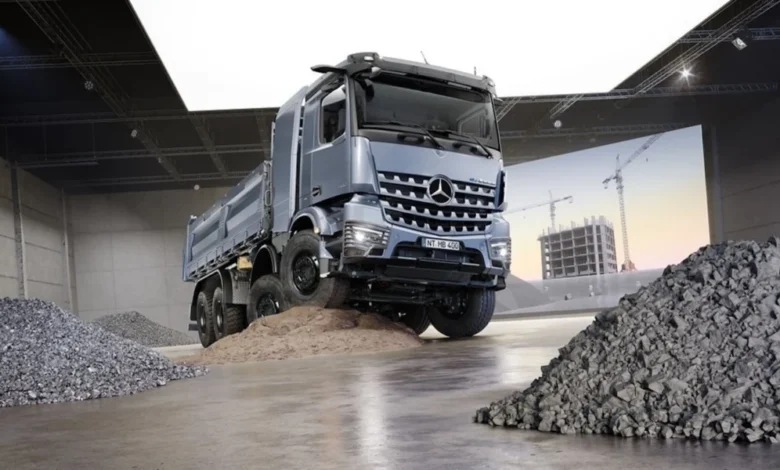
The global push toward the decarbonization of heavy industry has reached a significant milestone as Mercedes-Benz Trucks, a subsidiary of Daimler Truck, officially opened the order books for its first battery-electric vocational truck, the eArocs 400. Initially unveiled as a prototype at the Bauma construction trade fair, the eArocs 400 represents a strategic expansion of the company’s electric portfolio, moving beyond long-haul logistics into the demanding world of construction, infrastructure, and heavy-duty utility services. This launch signifies a critical shift for the European construction sector, which has traditionally relied on high-torque diesel engines to navigate the rugged, off-road environments typical of building sites and quarries.
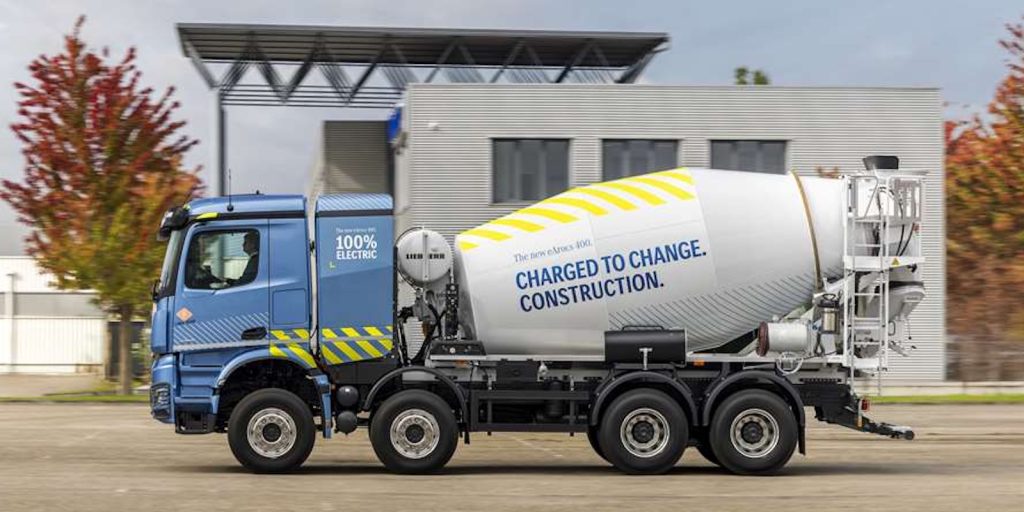
The eArocs 400 is specifically engineered to meet the "vocational" requirements of the industry, a term that encompasses specialized vehicles such as concrete mixers, dump trucks, and heavy recovery vehicles. By offering a platform that combines the high-traction capabilities of a traditional internal combustion engine (ICE) truck with a zero-emission electric powertrain, Mercedes-Benz Trucks aims to provide a solution for urban construction projects where noise ordinances and emission zones are becoming increasingly restrictive. The vehicle is initially being offered in 13 European markets, with a specialized production run of 150 units scheduled to commence at the company’s landmark Wörth am Rhein assembly plant in the third quarter of the year.

Engineering for Extreme Environments: The 8×4 Configuration
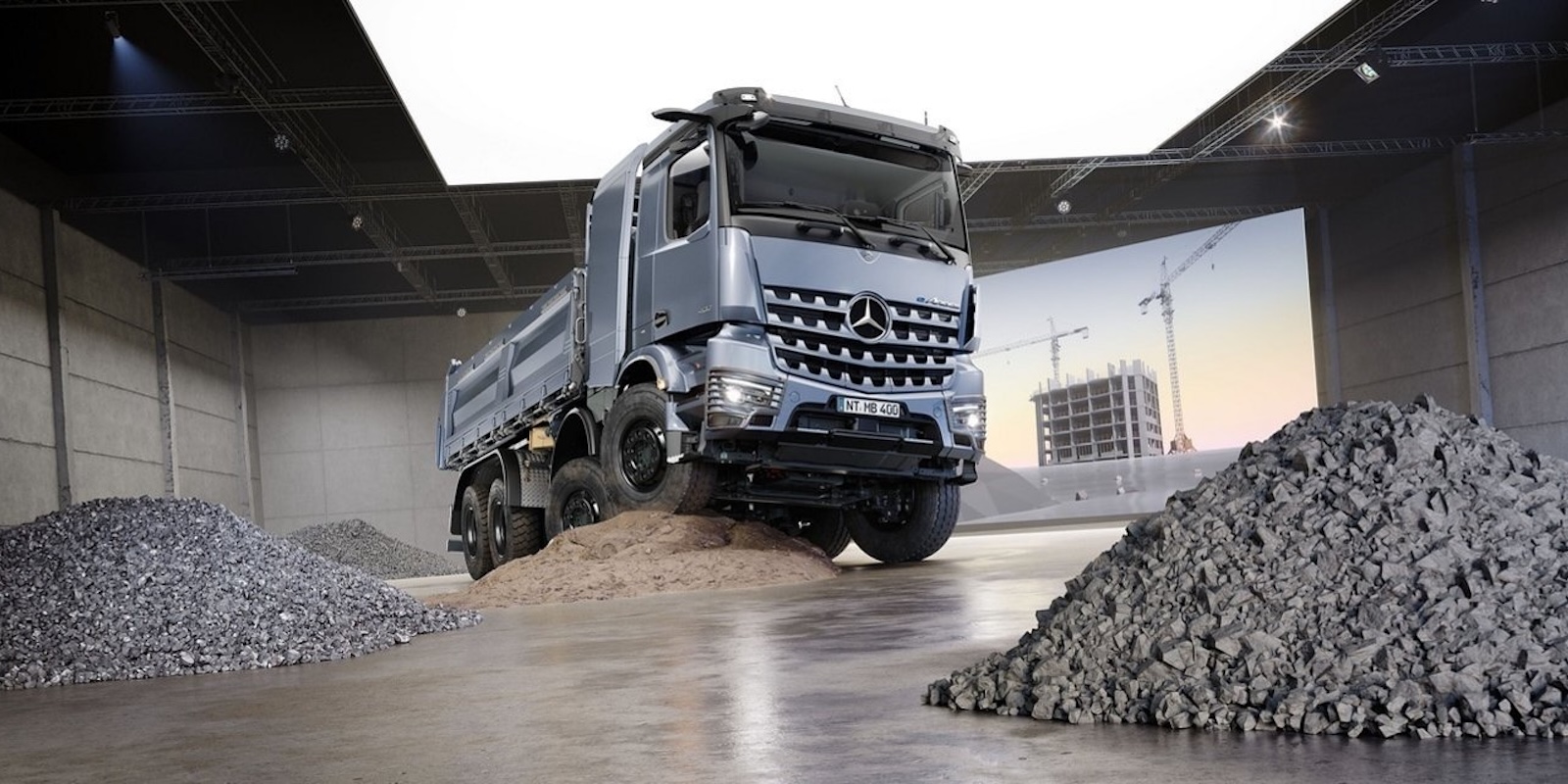
At the heart of the eArocs 400 is a robust chassis designed to handle the structural stresses of heavy hauling and off-road navigation. Unlike standard delivery trucks, vocational vehicles require exceptional stability and traction. To address this, Mercedes-Benz has configured the eArocs 400 in an 8×4/4 axle arrangement. This configuration features four axles in total: two steered front axles and two driven rear axles. This setup is crucial for maintaining control when the vehicle is fully loaded with wet concrete or heavy debris, particularly on the uneven terrain found in construction zones.
The truck is offered in two primary gross vehicle weight ratings: a 37-tonne version and a 44-tonne version. To ensure versatility across different applications, Mercedes-Benz provides four distinct wheelbase options. This flexibility allows equipment manufacturers (OEMs) to install a variety of specialized bodies, ranging from high-capacity dump beds to complex hydraulic systems for crane operations. The engineering team has also prioritized weight distribution; by mounting the battery packs vertically behind the cab rather than solely along the frame rails, the truck maintains optimal pressure on the steering axles, ensuring the vehicle remains maneuverable even in deep mud or loose gravel.
Powertrain Dynamics and Battery Technology
The eArocs 400 is powered by a high-performance electric motor capable of delivering a continuous output of 330 kW, with a peak performance reaching approximately 450 kW (equivalent to roughly 600 horsepower). This level of power is essential for the "stop-and-go" nature of construction work, where high torque is required to move heavy loads from a standstill on inclined surfaces. The powertrain is supported by an 800-volt electrical architecture, a high-voltage system that enables faster energy transfer and improved thermal management compared to lower-voltage alternatives.
Energy is stored in two lithium-ion battery packs, each with a capacity of 207 kWh, resulting in a total installed capacity of 414 kWh. While the range of an electric truck varies significantly based on the payload and the energy demands of auxiliary equipment (such as a rotating concrete drum), Mercedes-Benz describes the eArocs 400 as capable of "full-day operation." This is achieved through a combination of efficient energy use and high-speed charging capabilities. The truck supports DC charging at speeds up to 400 kW, allowing the batteries to be replenished from 10% to 80% in less than 45 minutes. This rapid turnaround time is designed to coincide with driver rest periods or loading cycles, minimizing downtime in a sector where operational efficiency is tied directly to profitability.
Digital Integration and Safety Systems
The transition to electric propulsion has allowed Mercedes-Benz to integrate its most advanced digital and safety technologies into the eArocs platform. The interior features the Multimedia Cockpit Interactive 2, a digital interface that provides the driver with real-time data on battery SOC (state of charge), remaining range, and the energy consumption of secondary power take-off (PTO) units. Voice control and an ergonomic switch panel are standard, reducing driver distraction during complex maneuvers.
Safety is a paramount concern in the construction industry, where trucks often operate in close proximity to ground workers and other heavy machinery. The eArocs 400 is equipped with the latest generation of Advanced Driver Assistance Systems (ADAS), including:
- Active Brake Assist 6 Plus: A system capable of detecting moving pedestrians and cyclists in front of the vehicle and initiating emergency braking if a collision is imminent.
- Active Sideguard Assist 2: This technology monitors the passenger side of the truck, providing visual and acoustic warnings to the driver if a person or object is in the blind spot during a turn.
- Front Guard Assist: Specifically designed for high-seated vocational trucks, this system monitors the immediate area in front of the vehicle to prevent accidents when pulling away from a stop.
Furthermore, the truck utilizes advanced telematics to allow fleet managers to monitor the health of the vehicle and the efficiency of the charging cycles remotely, providing a data-driven approach to fleet management.
Chronology of Development and Market Context
The journey of the eArocs 400 from concept to production has been relatively swift, reflecting the urgency of the European Green Deal and the tightening of carbon regulations across the continent.
- October 2022: Mercedes-Benz Trucks showcases the first battery-electric "Arocs" prototype at the Bauma trade fair in Munich. The prototype was developed in collaboration with the Paul Group, highlighting the feasibility of electrifying heavy construction chassis.
- 2023-2024: Extensive field testing begins. The truck undergoes "real-world" trials in cold-weather climates and high-intensity construction environments to validate the durability of the 800V system and the battery housing.
- April 2024: Official announcement of the "eArocs 400" designation and the opening of the order books for the initial production run.
- Q3 2024: Targeted start of production at the Wörth plant.
The eArocs 400 enters a market that is currently underserved. While electric semi-trucks for highway logistics (like the Mercedes-Benz eActros 600 or the Tesla Semi) have garnered significant headlines, the vocational segment has lagged due to the complexities of powering auxiliary equipment. In North America, the Kenworth T880E serves as a notable competitor, but its availability in the European market is limited. By launching the eArocs 400, Mercedes-Benz is positioning itself as a first-mover in the heavy-duty European construction niche, competing primarily against specialized offerings from Volvo Trucks and Scania.

Official Perspectives and Strategic Goals
The launch of the eArocs 400 is a central component of Daimler Truck’s "Ambition 2039" strategy, which aims to offer only new vehicles that are carbon-neutral in driving operation in its core markets (Europe, Japan, and North America) by 2039. Stina Fagerman, Head of Marketing, Sales, and Services at Mercedes-Benz Trucks, emphasized the strategic importance of this new model.
"With the new battery-electric eArocs 400, we are enabling locally CO2-free operation even in demanding construction environments," Fagerman stated. "The vehicle combines the robustness required with an efficient electric drive system, covering key use cases in near-road construction. This supports our customers in sustainably advancing and future-proofing their fleets."
This sentiment is echoed by industry analysts who note that construction firms are under increasing pressure from municipal governments to reduce the environmental footprint of urban infrastructure projects. In cities like Oslo, London, and Amsterdam, "zero-emission construction sites" are transitioning from pilot programs to mandatory requirements. The eArocs 400 provides the technical hardware necessary for firms to bid on these "green" contracts.

Broader Impact and Industry Implications
The introduction of the eArocs 400 has implications that extend beyond the Mercedes-Benz brand. It serves as a proof of concept for the electrification of the most difficult-to-decarbonize segments of the transport industry. The success of this vehicle will likely hinge on two factors: the reliability of the 800V architecture in dusty, vibrating environments and the development of on-site charging infrastructure.
For construction companies, the total cost of ownership (TCO) remains the primary metric for adoption. While the upfront purchase price of an electric truck is higher than its diesel counterpart, the eArocs 400 offers significantly lower maintenance costs—due to fewer moving parts—and lower energy costs per kilometer. Additionally, the silent operation of the electric motor allows for extended working hours in residential areas, as the truck does not violate noise ordinances that typically restrict diesel engine operation during early morning or late evening hours.
As production begins in Wörth am Rhein, the industry will be watching closely to see how the initial 150 units perform. If the eArocs 400 proves that it can match the "brute force" of diesel while delivering the environmental benefits of electricity, it could catalyze a rapid transformation of the global construction fleet. For now, Mercedes-Benz Trucks has laid the groundwork for a future where the roar of the construction site is replaced by the hum of high-voltage electric power.