Samsung Unveils Project Luna and "Communal AI" Vision at Milan Design Week 2026, Signalling a Refined Approach to Home Companions

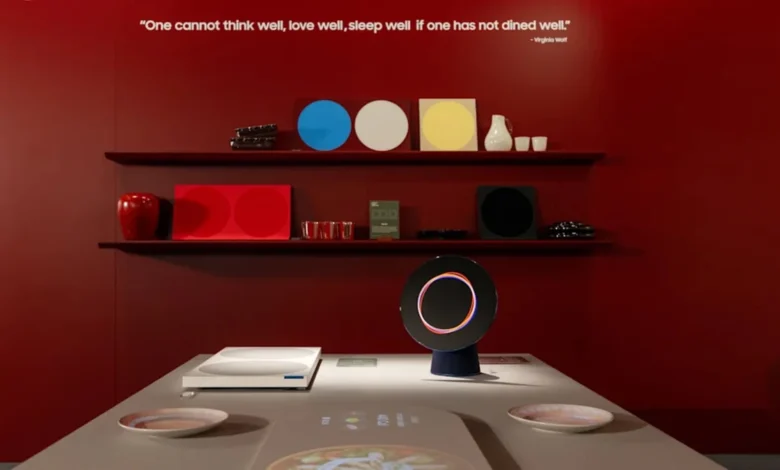
Samsung has once again stepped into the burgeoning realm of artificial intelligence companions for the home, showcasing its "Project Luna" at Milan Design Week 2026. This latest conceptual offering, a spherical screen device with a swiveling head, represents a significant evolution in the company’s approach to domestic AI, moving with notable caution after the quiet retraction of its previously promised Ballie smart home assistant robot. Unlike Ballie, which was initially presented as an impending consumer product, Project Luna is explicitly framed as a concept, underscoring Samsung’s strategic pivot towards exploratory design and a measured public discourse around its AI ambitions. This careful positioning allows the technology giant to gauge public and industry reaction while mitigating the risks associated with premature product announcements.
Milan Design Week, or Salone del Mobile, serves as an unparalleled global stage for design innovation, attracting architects, designers, artists, and leading brands from across the world. For Samsung, its presence at such a prestigious event is not merely about showcasing products but about articulating its broader design philosophy and vision for the future of living spaces. By choosing this platform, Samsung signals that Project Luna is not just a technological marvel but a meticulously designed object intended to integrate aesthetically and functionally into the modern home. The event, held annually in Milan, Italy, is a critical barometer for trends in furniture, interior design, and increasingly, consumer electronics that blur the lines between technology and art. Samsung’s exhibition, often a highlight, typically features conceptual prototypes that reflect its long-term strategic thinking, particularly in areas like smart home integration, sustainable design, and, as evidenced this year, the humanization of AI.
The unveiling of Project Luna is set against a backdrop of Samsung’s previous ventures and challenges in the home AI sector, most notably with the Ballie robot. First introduced with considerable fanfare at CES 2020, Ballie was presented as a small, rolling spherical robot designed to act as a personal assistant, fitness aid, and smart home hub. Equipped with a camera, it promised to monitor home security, interact with pets, and even provide companionship. The initial excitement was palpable, with many viewing Ballie as a tangible step towards a truly intelligent and interactive home. However, despite its compelling demonstrations and ambitious promises, Ballie never materialized as a consumer product. Over time, mentions of Ballie faded from Samsung’s official communications, and its expected release window passed without further updates, leading to its quiet, unacknowledged withdrawal from the company’s product roadmap.
Industry analysts speculated various reasons for Ballie’s non-release. Technical complexities in miniaturizing advanced robotics and AI into a cost-effective, reliable consumer device were likely significant hurdles. Ensuring robust privacy and data security for a device with always-on cameras and microphones in a private home environment also presented considerable challenges, especially in an era of heightened consumer awareness regarding data protection. Furthermore, the market might not have been fully ready for a mobile, autonomous robot companion, with questions lingering about its actual utility beyond novelty and the potential for a high price point to deter mass adoption. The experience with Ballie likely informed Samsung’s more cautious strategy with Project Luna, emphasizing its conceptual status to manage expectations and allow for greater flexibility in development and market assessment.
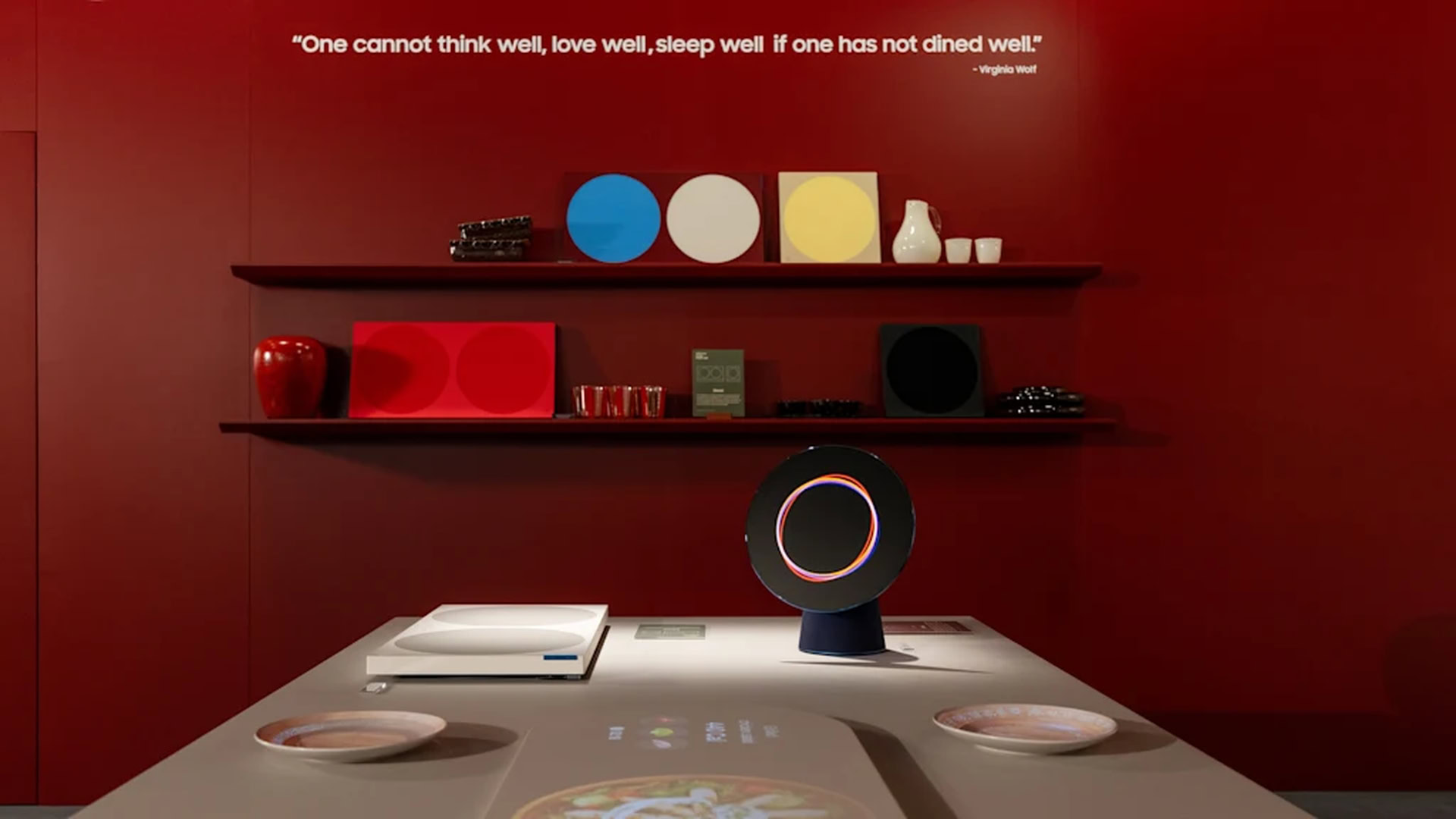
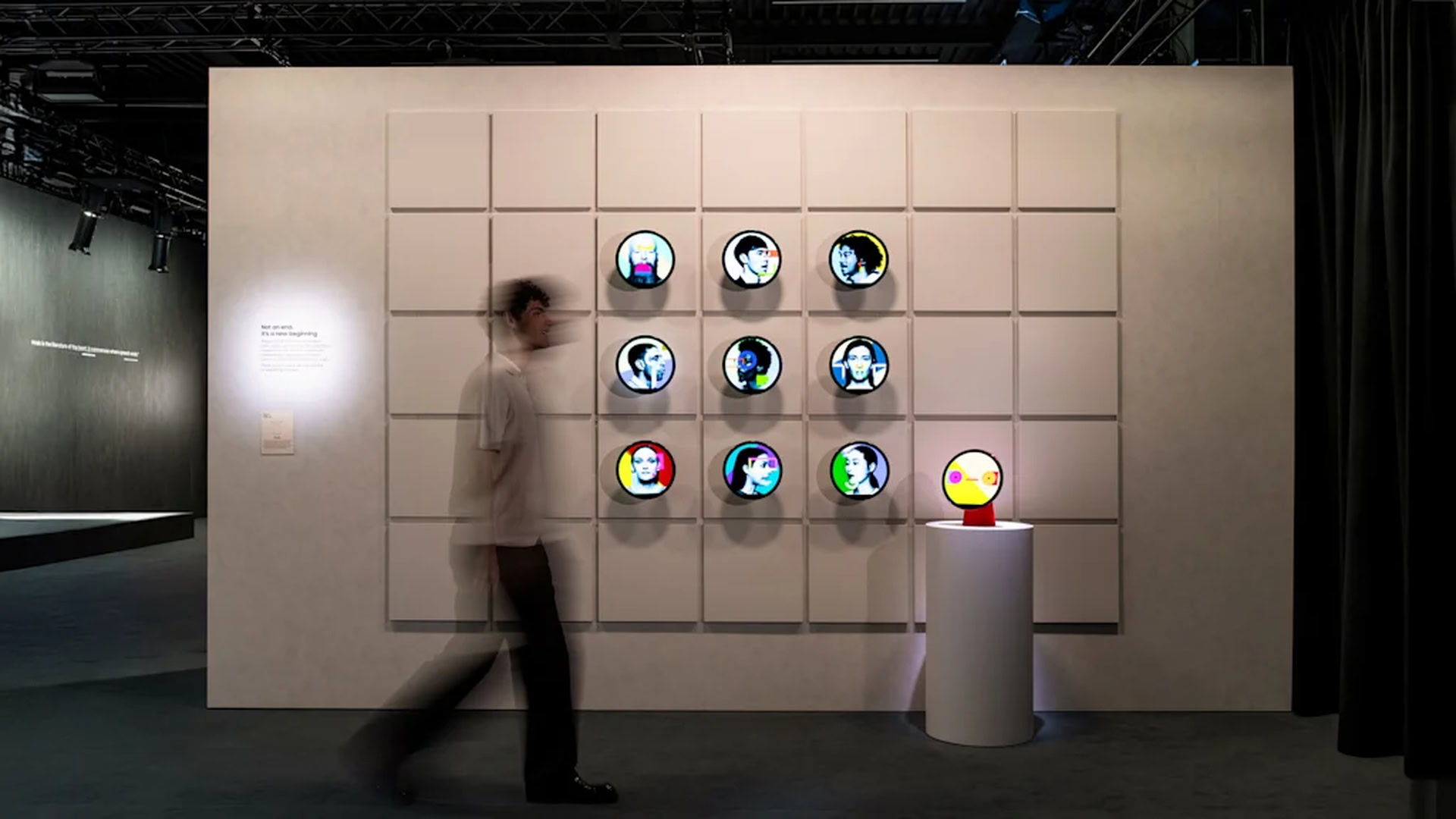
Project Luna itself is a departure in form and proposed function from its predecessor. Visually, it presents as a round screen with a distinct swiveling head, lending it an immediately recognizable, almost anthropomorphic quality. This design choice, first highlighted in a video Samsung released regarding its Milan Design Week exhibition, suggests a focus on approachability and gentle interaction. Further details shared with Fast Company reinforce this, describing Luna as a dedicated AI companion for the home, designed to "fill in the gaps when no other AI devices are around." This suggests a role not as a primary control hub, but as an ambient, responsive intelligence. Its character is further enhanced by "playful beeps that are reminiscent of Wall-E," drawing on a widely beloved cultural reference to evoke warmth and friendliness, a clear attempt to make advanced AI less intimidating and more endearing to users.
At the core of Project Luna’s intended functionality is its role as a "conductor" for Samsung’s broader ecosystem of smart products. In a demonstration at Milan Design Week, Luna utilized a pulsating orb graphic on its screen, designed to resemble an eye, mouth, and face, serving as a unified user interface. This AI persona is envisioned to seamlessly "jump" from Luna itself to other nearby Samsung devices, such as a television, a smart speaker, or a projector, adapting its presence and capabilities to the most suitable display or audio output. This concept, dubbed "communal AI" by Samsung, represents a significant strategic vision. Rather than AI being confined to individual devices, it is imagined as a pervasive, intelligent presence that flows across the entire home environment, offering continuous assistance and interaction regardless of the specific hardware being used. This seamless integration aims to reduce friction and enhance the overall user experience within a Samsung-centric smart home.
Beyond Project Luna, Samsung’s Milan Design Week exhibition also featured other innovative AI companion concepts that underscore its expansive vision. Among these was a distinctive square speaker concept that incorporated an exposed, spinning vinyl record on its side. This device, too, was brought to life by a glowing UI powered by AI and featured a dynamic equalizer that presumably adapts to the audio content or user preferences. This blending of classic analog aesthetics (the vinyl record) with cutting-edge digital AI and adaptive audio technology highlights Samsung’s ambition to create products that are not only technologically advanced but also visually appealing and emotionally resonant. Such designs challenge the conventional utilitarian appearance of smart home devices, seeking to make them desirable lifestyle objects that complement modern interiors.
The overarching design philosophy articulated by Samsung’s Chief Design Officer, Mauro Porcini, forms the intellectual backbone of these conceptual products. Porcini’s comments emphasize a crucial shift from "personal AI," typically housed within smartphones or individual smart speakers, to "communal AI." This communal intelligence is envisioned as an entity that "lives and seamlessly moves across the entire home ecosystem, seamlessly jumping from device to device." This paradigm shift aims to overcome the limitations of device-centric AI, where interactions are often fragmented and confined to a single point of contact. By fostering a communal AI, Samsung seeks to create a more fluid, intuitive, and omnipresent smart home experience, where intelligence is not siloed but distributed and adaptable.
This vision also carries significant implications for how consumers perceive and interact with AI. Samsung’s stated goal is to transform home AI from what could be perceived as an "intrusive, screen-heavy surveillance tool" into an "ethical, endearing, and helpful roommate." This objective directly addresses common consumer anxieties surrounding privacy, data collection, and the often-impersonal nature of current AI assistants. By designing products like Project Luna with approachable aesthetics and "Wall-E"-like characteristics, and by focusing on ethical implementation and transparent functionality, Samsung aims to build trust and foster a more positive emotional connection between users and their AI companions. The emphasis on an "endearing" quality suggests a move towards creating AI that feels more like a supportive presence rather than a mere utility.
In the broader market context, the smart home industry continues its rapid expansion. Reports from market research firms like Statista and Grand View Research project sustained growth, with the global smart home market expected to reach hundreds of billions of dollars in the coming years. Key drivers include increasing internet penetration, rising disposable incomes, growing demand for convenience, and advancements in AI and IoT technologies. However, the market remains highly competitive, dominated by established players like Amazon (Echo), Google (Home/Nest), and Apple (HomePod), each vying for control of the central smart home hub. Samsung, with its vast array of consumer electronics—from televisions and refrigerators to smartphones and washing machines—is uniquely positioned to integrate AI across a diverse hardware ecosystem. Project Luna and the communal AI thesis are critical to Samsung’s strategy to differentiate itself by offering a more holistic and integrated experience, rather than just another standalone smart device.
The implications of Samsung’s communal AI strategy are far-reaching. If successfully implemented, it could redefine the standard for smart home integration, pushing competitors to adopt similar seamless transitions of AI across devices. This could lead to a more interconnected and responsive home environment, where AI anticipates needs and provides assistance proactively and contextually. However, significant challenges remain. Developing the underlying AI infrastructure to allow for truly seamless "jumping" between devices without latency or data synchronization issues is a complex engineering feat. Ensuring universal compatibility and interoperability within a diverse ecosystem, even one predominantly composed of Samsung products, will require robust software development and standardization. Moreover, maintaining the "ethical" and "endearing" aspects of AI while expanding its reach across the home will necessitate rigorous privacy protocols, transparent data handling, and continuous user feedback integration.
Ultimately, Project Luna and Samsung’s "communal AI" vision represent a calculated and ambitious step forward in the evolution of home intelligence. By presenting these innovations as concepts rather than firm product commitments, Samsung adopts a prudent strategy, learning from past experiences like Ballie. This approach allows the company to explore novel design paradigms and AI functionalities, test market receptiveness, and refine its technologies without the immediate pressure of consumer release timelines. Whether these endearing products ultimately transition from concept to widespread consumer availability remains to be seen. However, Samsung’s strategic focus on a unified, ethical, and endearing AI persona that seamlessly integrates across its hardware ecosystem clearly signals its intent to shape the future of smart living, balancing technological innovation with thoughtful design and user-centric experience. The journey from "personal AI" to "communal AI" is complex, but Samsung appears determined to navigate it with a renewed sense of purpose and caution.