Apple Wallet’s Order Tracking Transformed in iOS 26 with On-Device Apple Intelligence, Revolutionizing E-commerce Management

The release of iOS 26 marks a pivotal moment for Apple Wallet, with one of its most anticipated and impactful enhancements being the long-awaited and fundamentally redesigned order tracking feature. This overhaul, powered by Apple Intelligence, addresses years of user frustration and significantly elevates Wallet’s utility beyond mere payment processing, positioning it as a comprehensive digital hub for managing online purchases.
The journey of order tracking within Apple Wallet has been one of evolving ambition and past limitations. When initially introduced several years prior to iOS 26, the feature aimed to consolidate all online order information into a single, convenient interface within the Wallet app. The vision was clear: users would no longer need to juggle multiple retailer apps, carrier websites, or email confirmations to ascertain the status of their deliveries. However, this initial iteration faced a significant hurdle that ultimately hampered its widespread adoption and effectiveness: its reliance on direct integration with third-party vendors. Most online retailers and shipping companies did not prioritize integrating their systems with Apple’s proprietary APIs for order tracking, leading to a fragmented and largely inconsistent user experience. For many users, the feature essentially remained dormant, failing to deliver on its promise of a unified tracking solution. This left a void in the user experience, as the burgeoning e-commerce market continued to expand, with consumers increasingly expecting seamless digital management of their purchases.

The breakthrough arrived with iOS 26 and the introduction of Apple Intelligence, Apple’s proprietary on-device artificial intelligence framework. This technological leap enabled Apple to bypass the previously insurmountable challenge of third-party vendor partnerships. Instead of requiring direct data feeds from retailers, Apple Intelligence leverages advanced on-device processing capabilities to intelligently extract and synthesize order-related information directly from users’ email communications. This innovative approach means that the system can automatically identify purchase confirmations, shipping updates, and delivery notifications within the Apple Mail app, then parse this data to populate the Wallet’s order tracking section. The critical distinction here is "on-device AI," which underscores Apple’s commitment to user privacy. All data processing related to order tracking occurs locally on the user’s device, ensuring that sensitive purchase information does not leave the user’s personal ecosystem, a significant differentiator in an era of increasing data privacy concerns.
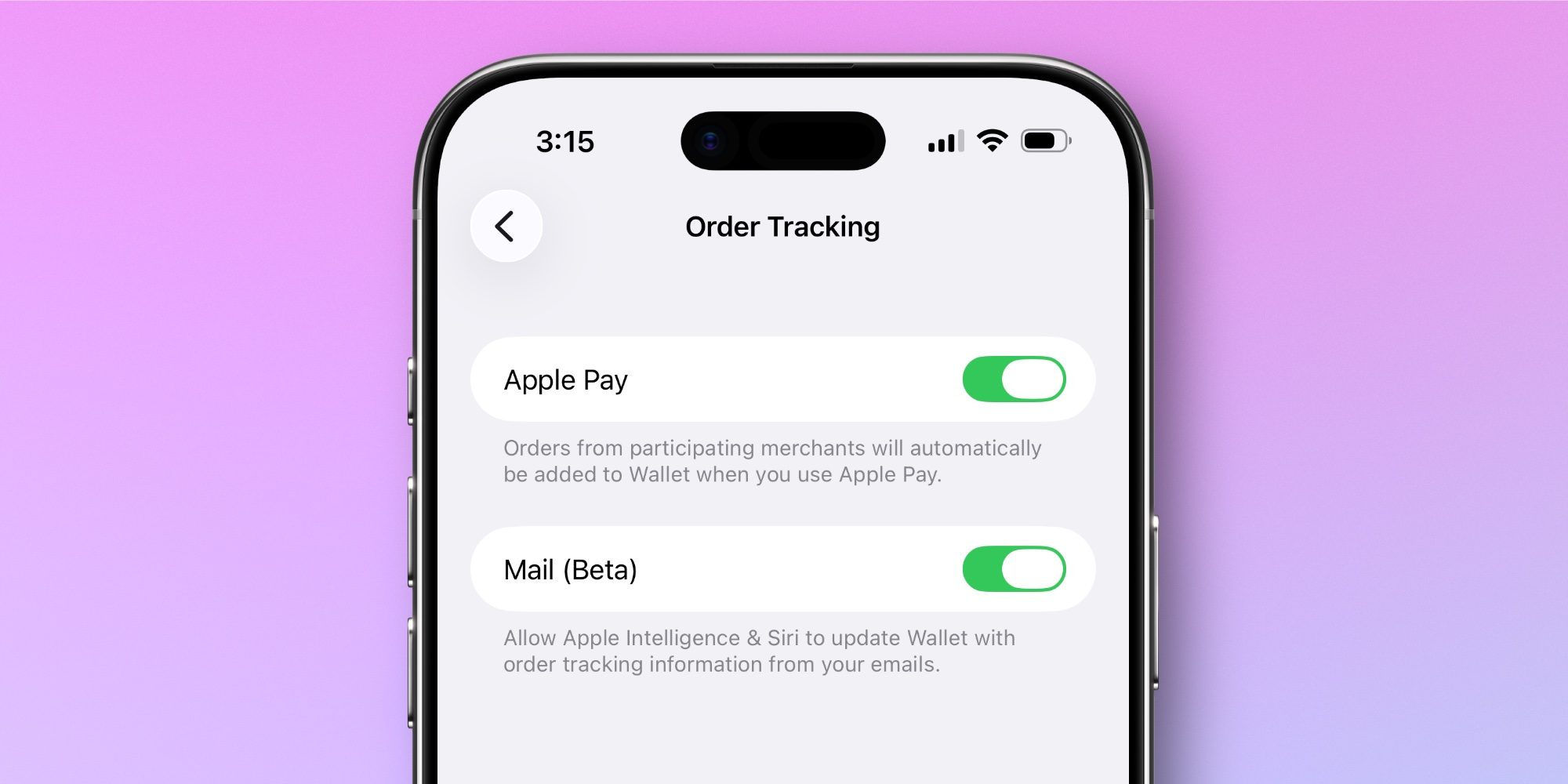
Enabling this transformative feature in iOS 26 is a straightforward process designed to be intuitive for users. To activate Apple Wallet’s AI-powered order tracking, users must navigate to their device’s Settings application, then proceed to "Wallet & Apple Pay," and finally select "Order Tracking." Within this menu, a toggle labeled "Mail (Beta)" needs to be switched on. The "Beta" designation indicates that while the feature is robust and fully functional, Apple continues to refine and enhance its capabilities, reflecting an ongoing development cycle. Crucially, for the feature to function, Apple Intelligence must be activated on the user’s device, and the email account from which order confirmations are received must be configured within Apple’s native Mail application. This ensures that the on-device AI has the necessary access to scan and process relevant email content.
Once activated, the system seamlessly integrates with the user’s online shopping habits. When an email containing order details, such as a purchase confirmation or shipping notification, arrives in Apple Mail, a prominent "Track" button will appear at the top of the email interface. Tapping this button initiates the tracking process. Users may encounter a security prompt requesting permission for Wallet to access and process the order information, which they can confirm by tapping "Allow." Following this initial setup, Apple Wallet’s order tracking becomes largely automated, intelligently importing subsequent emails containing order updates directly into the Wallet app, maintaining a live and evolving status of all tracked purchases. This proactive aggregation of data eliminates the need for manual input or the laborious task of hunting down tracking numbers across various platforms. The system’s ability to learn and adapt over time, driven by its AI core, means it becomes more efficient at identifying and processing relevant order information, further streamlining the user experience.
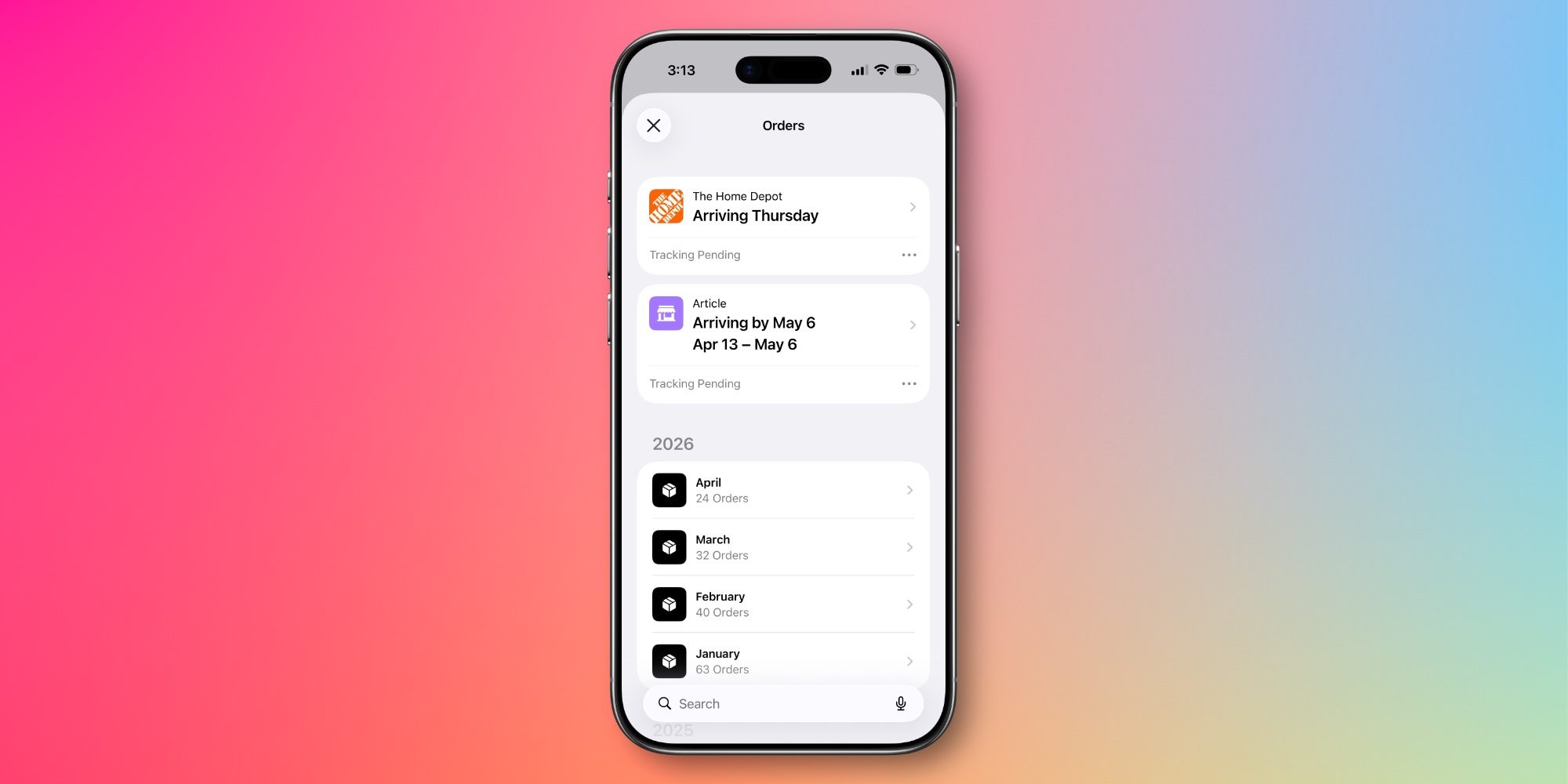
Locating and managing these consolidated orders within the Wallet app is equally user-friendly. Upon opening the Wallet application, users can access their full order history and upcoming deliveries by tapping the three-dot icon situated in the app’s top-right corner, then selecting "Orders." This action opens a dedicated interface that displays a clear, chronological list of all tracked purchases. Users can browse through their current, upcoming orders, and review a comprehensive history of past transactions. Each order entry provides essential details at a glance, such as the merchant, item purchased, and current shipping status. Tapping on an individual order reveals more granular information, potentially including tracking numbers, estimated delivery dates, and detailed shipping progress, all extracted and presented in a digestible format.
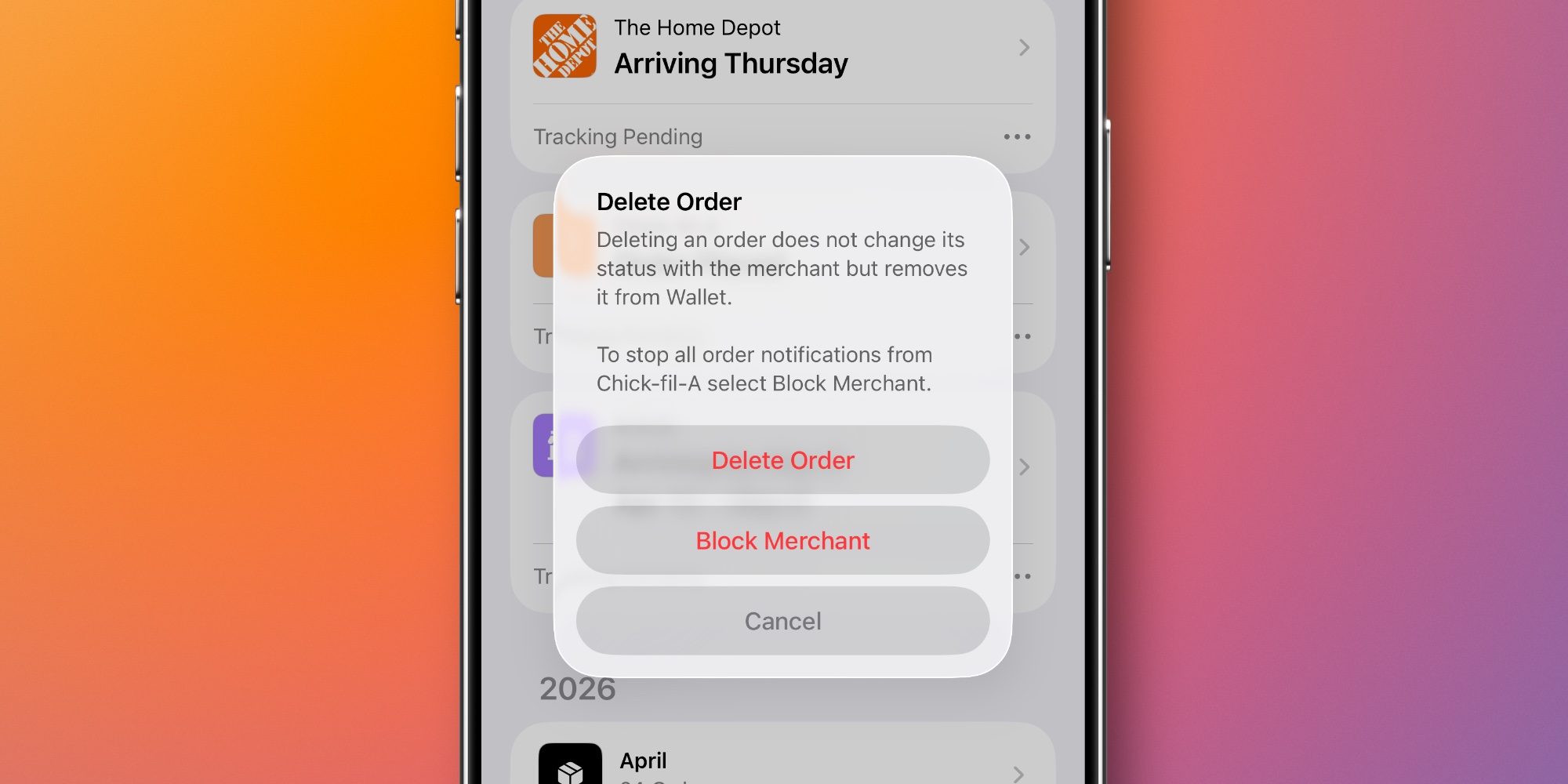
A key aspect of this improved functionality is the user’s control over the displayed information. In instances where an entry appears in the order tracking section that is irrelevant or undesired—for example, if the AI mistakenly categorizes a restaurant mobile order as a trackable shipment—users have the option to delete the specific order. More importantly, upon deleting an unwanted entry, the system presents an option to block that particular merchant from future order tracking. This granular control allows users to curate their order tracking experience, ensuring that only genuinely relevant purchases are monitored and displayed, preventing clutter and enhancing the overall utility of the feature. This level of user customization reflects Apple’s broader design philosophy of empowering users with control over their data and their digital environment.
The implications of this enhanced order tracking feature extend far beyond mere convenience. For the user, it signifies a significant reduction in cognitive load associated with online shopping. No longer are individuals required to remember which retailer used which carrier, or where to find the tracking number. Instead, all relevant information is centralized, updated proactively, and easily accessible within an app already frequently used for payments and digital passes. This fosters a more organized and less stressful post-purchase experience, particularly relevant in an e-commerce landscape that sees billions of packages shipped annually. The peace of mind that comes from having a single, reliable source for tracking all deliveries cannot be overstated.
From Apple’s strategic perspective, the revitalized order tracking is a potent demonstration of Apple Intelligence’s practical value and a significant strengthening of the Apple ecosystem. By leveraging on-device AI to solve a long-standing user pain point without requiring extensive third-party buy-in, Apple showcases its technological prowess and commitment to user-centric innovation. This feature not only makes Apple Wallet more indispensable but also subtly encourages deeper engagement with Apple Mail and the broader iOS platform. It creates a compelling argument for users to remain within the Apple ecosystem, as the integration and seamlessness offered by such features become increasingly difficult to replicate elsewhere. Furthermore, this move sets a new benchmark for digital wallet capabilities, potentially prompting competitors to explore similar AI-driven solutions to enhance their own offerings, thereby pushing the entire industry forward.
Industry analysts have largely lauded Apple’s innovative approach. "This is a clever workaround to a persistent industry problem," noted one prominent tech analyst, "Apple has found a way to deliver on a promise that was previously constrained by external factors, all while upholding its strong privacy principles." Early user feedback from beta testers prior to the general release of iOS 26 indicated high satisfaction levels, with many praising the feature’s accuracy and the convenience of a unified tracking dashboard. The "Mail (Beta)" tag also suggests a continuous development roadmap, hinting at potential future enhancements, such as deeper integration with calendar events for delivery reminders or even predictive analytics for potential shipping delays.
In a broader context, the rise of e-commerce has dramatically reshaped consumer behavior. Global online retail sales continue to climb, projected to reach trillions of dollars annually. With this surge in online transactions comes a corresponding increase in logistical complexity and the consumer’s need for effective order management tools. Apple’s enhancement of Wallet’s order tracking directly addresses this macro trend, providing a sophisticated, privacy-focused solution that aligns with modern digital lifestyles. It reinforces Apple’s position not just as a hardware and software innovator, but as a leader in creating integrated, intelligent experiences that simplify daily life.
The iOS 26 update to Apple Wallet’s order tracking represents more than just a new feature; it is a strategic repositioning of the Wallet app as a central command center for a significant portion of users’ digital lives. By intelligently overcoming past integration challenges through the power of on-device Apple Intelligence, Apple has delivered a robust, privacy-conscious solution that enhances user convenience, strengthens its ecosystem, and sets a new standard for digital commerce management. This development underscores the ongoing evolution of personal technology, where AI is increasingly leveraged to create seamless, intuitive, and highly personalized user experiences.