The Apple Watch and Journal App: A Case Study in Leveraging Digital Tools for Mental Wellness

In late February, a period often marked by lingering winter blues and the anticipation of spring, an individual’s personal struggle with stress and anxiety underscores the profound potential of integrated digital wellness tools like the Apple Watch and its accompanying Journal application. This narrative, meticulously documented through digital entries and biometric data, illustrates how conscious engagement with technology, coupled with simple behavioral changes, can significantly impact mental and physiological well-being. The experience highlights a journey from profound unease to a noticeable improvement in overall health, weeks before the official start of spring, signaling a personal turning point facilitated by thoughtful self-monitoring and proactive coping strategies.
The Pervasive Challenge of Modern Stress
The contemporary landscape is often characterized by heightened levels of stress and anxiety, a phenomenon widely acknowledged by global health organizations. According to the World Health Organization (WHO), anxiety disorders are among the most common mental health conditions worldwide, affecting millions. The cumulative pressures of daily life, global events, and personal circumstances contribute to a pervasive sense of unease that many individuals navigate. For the subject of this case study, late February represented a particularly acute period of this struggle, described evocatively as "a long year (well, decade, really)," a sentiment resonating with countless others experiencing prolonged periods of psychological strain. The feeling of a "Fight Cloud emoji" brain serves as a vivid, modern metaphor for mental turmoil, reflecting an internal battle against overwhelming cognitive and emotional "noise."

A Chronology of Self-Awareness and Intervention
The detailed entries within the Journal app provide a granular chronology of the individual’s mental state and subsequent interventions. The morning of February 28 began with an entry recorded at 7:11 am, noting "woke up around 6:40. Stressful dreams. High anxiety right now. Nervous and uneasy. Grateful for Rory." This immediate capture of raw emotion and sleep disturbance offers a critical baseline, demonstrating the app’s utility in fostering self-awareness.
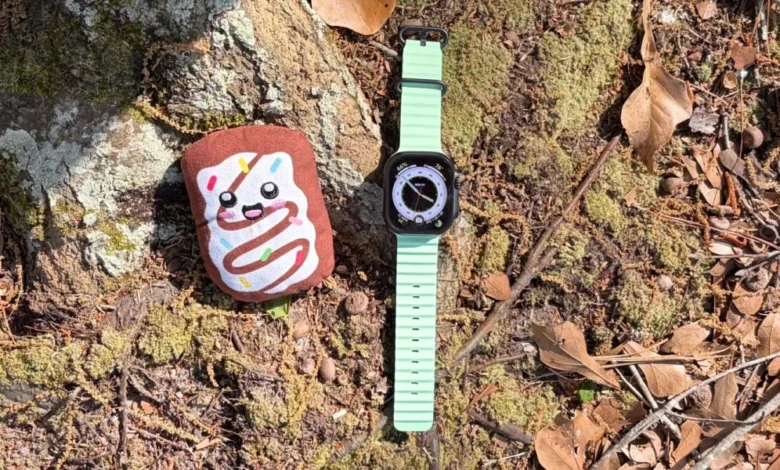
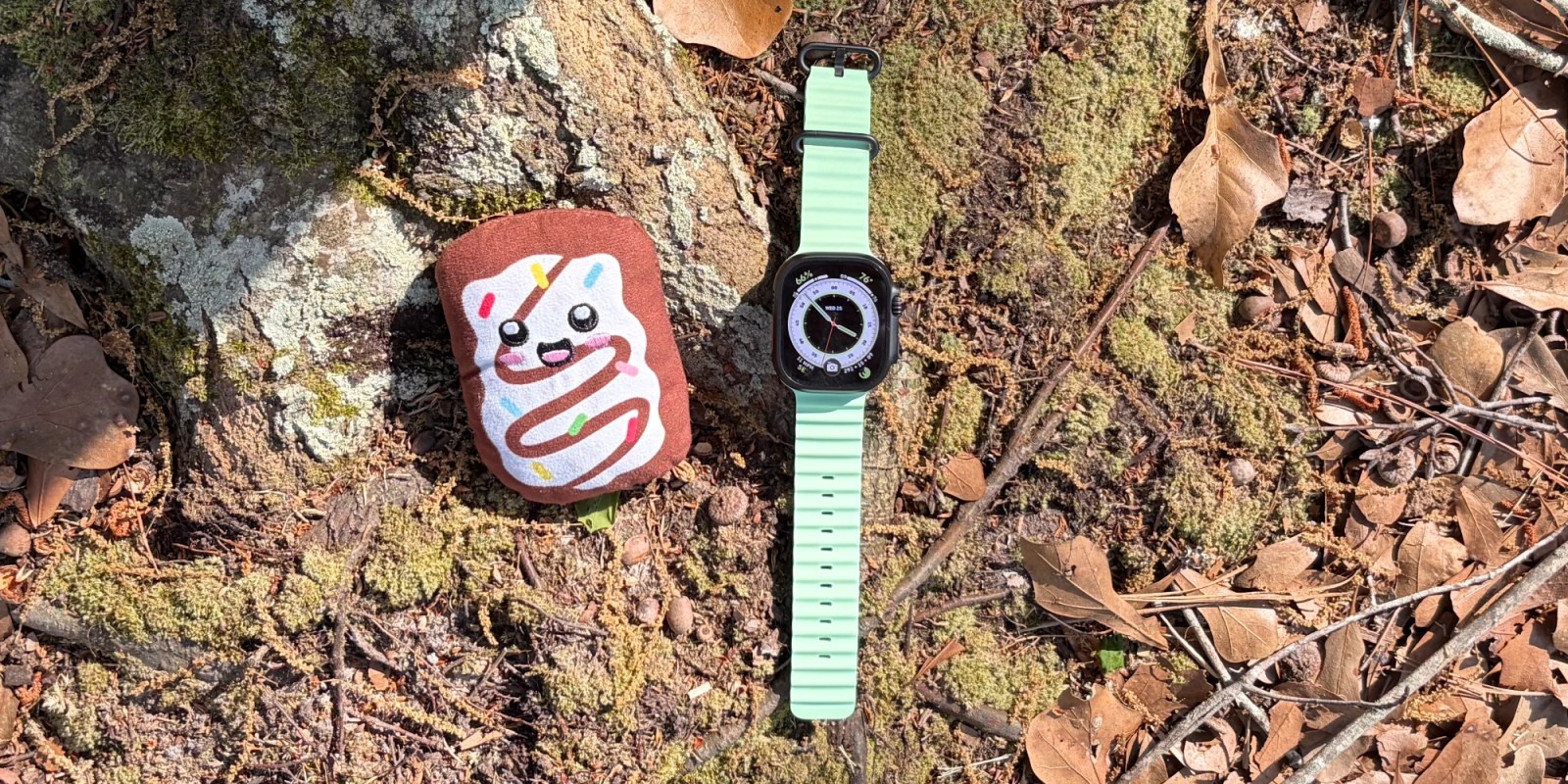
Later that same day, a significant shift occurred. A 12:33 pm entry revealed a deliberate act of self-care and connection: "Rory walked with me and Nova to the beach and back, 2 miles, 1 hour, very grateful. He also gave me a stress-relieving plush Pop-Tart, fudge sundae flavor, closest to my cookies ‘n’ cream preference. Sweet kid. Love him more than he’ll ever know." This entry not only chronicles a physical activity but also highlights the crucial role of social support and even small, tangible comforts in mitigating stress. The Apple Watch’s precise logging of the two-mile, one-hour walk provided objective data to complement the subjective emotional entry, linking physical activity directly to a moment of gratitude and relief.
The following morning, March 1, initially presented a familiar challenge, with an entry at 7:27 am noting, "I’ve been awake for an hour. Uneasy, but not as aggressively as yesterday morning I think. Charging Rory’s iPad from zero. 52°, some but not all windows open. Can hear birds singing." However, by 8:40 am, the familiar "noise" in the head, chest, and throat began to intensify, prompting a recognition of the need for further intervention: "Hopefully we can go walk again shortly." This pattern of self-assessment and proactive planning underscores the iterative nature of managing mental health. A subsequent walk at 1:23 pm, this time to a National Seashore park area, again yielded positive results, with a 2:01 pm entry confirming, "feel much more calm currently. I’ll keep up spending time outside with his Pop-Tart as he’s reminding me to do." This highlights the reinforcing loop between activity, digital logging, and a tangible comfort object, all contributing to improved mental state.
The Therapeutic Power of Movement and Nature
The individual’s experience reinforces well-established scientific principles regarding the benefits of physical activity and exposure to nature for mental health. Numerous studies have demonstrated that even moderate physical activity, such as walking, can significantly reduce symptoms of anxiety and depression. Exercise releases endorphins, natural mood elevators, and helps to reduce stress hormones like cortisol. The act of walking also provides a mental break, offering a change of scenery and an opportunity for mindfulness, engaging senses that might otherwise be dulled by internal rumination.
Moreover, the inclusion of "Nova" (the dog) and "Rory" (the eight-year-old son) in these walks introduces elements of companionship and purpose. Research consistently shows that interacting with pets can lower blood pressure, reduce stress, and combat feelings of loneliness. Similarly, spending time with loved ones, especially children, can provide distraction, joy, and a sense of connection, all vital components of psychological resilience. The "stress-relieving plush Pop-Tart" serves as a unique, personal coping mechanism, a tangible object offering comfort and a reminder of a thoughtful gesture, illustrating that mental wellness often involves a mosaic of strategies, both digital and analog.
Wearable Technology: A Silent Partner in Health Monitoring
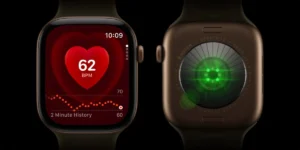
The Apple Watch emerges as a pivotal, objective data collector in this personal journey. Its ability to log activity—distance, duration, and potentially pace and calories burned—provides quantifiable evidence of engagement in physical activity. Beyond mere step counting, the Health app’s "Trends" feature proved particularly encouraging. After several weeks of consistent walking, a notification stated, "Your average resting heart rate decreased over the last 5 weeks." This trend was visually represented, showing a five-week average of 46 beats per minute (bpm) compared to a 21-week average of 63 bpm prior to the renewed activity.

This metric is highly significant. A lower resting heart rate often indicates improved cardiovascular fitness and a more relaxed physiological state. The heart is working more efficiently, and the body is less under stress. For someone experiencing high anxiety, a decrease in resting heart rate is a tangible, physiological validation that their efforts are having a profound impact beyond subjective feelings of calm. This objective feedback from the Apple Watch transformed a qualitative experience into quantifiable progress, offering powerful motivation.
The integration of health monitoring devices into daily life has become a cornerstone of modern preventative health. According to reports from market research firms like Statista, the wearable technology market continues to grow robustly, driven by increasing consumer interest in personal health tracking. These devices move beyond simple fitness tracking, offering sophisticated insights into heart health, sleep patterns, and activity levels, empowering users with data to make informed lifestyle choices.
The Journal App: Cultivating Digital Reflection
The Apple Journal app, launched as a dedicated platform for self-reflection, plays an equally critical role. Unlike traditional diaries, its integration with the Apple ecosystem allows it to draw contextual data—such as photos taken, music listened to, places visited, and workout logs from the Apple Watch—to prompt and enrich entries. This intelligent prompting can help users recall details and emotions, making the act of journaling less daunting and more insightful.

For the individual in question, the Journal app served as a confessional, a progress tracker, and a space for gratitude. It captured the raw anxieties of morning, the quiet relief of an afternoon walk, and the appreciation for loved ones. This practice of daily reflection, particularly when linked to physical activity and emotional states, helps individuals identify patterns, understand triggers, and reinforce positive behaviors. Psychological studies consistently affirm the benefits of journaling for mental health, including stress reduction, improved mood, enhanced self-awareness, and problem-solving skills. By providing a structured yet flexible digital space, the Journal app makes this therapeutic practice more accessible and integrated into daily life.
Shifting Paradigms: From Streaks to Sustainable Wellness
A notable aspect of this individual’s renewed commitment to movement is the shift in motivation. Previously, the pursuit of daily activity streaks or the goal of "closing rings" on the Apple Watch drove engagement. While effective for some, such external motivators can sometimes lead to burnout or discouragement when streaks are inevitably broken. This time, the motivation is intrinsically driven: "I’m just trying to stay in motion to feel better."
This represents a more mature and sustainable approach to wellness. The data collected by the Apple Watch and the insights gleaned from the Journal app serve not as rigid targets, but as affirmations that the chosen path is working. The "trend is the momentum," suggesting a focus on long-term, gradual improvement rather than short-term, high-intensity goals. This paradigm shift aligns with broader trends in health psychology that emphasize intrinsic motivation, self-compassion, and holistic well-being over performance-driven metrics alone.

Broader Implications and Expert Perspectives
The experience detailed in this case study offers valuable insights into the broader implications of integrated digital wellness ecosystems. Companies like Apple are increasingly positioning their devices and software as essential tools for proactive health management, not just for physical fitness but for mental well-being too. The seamless interaction between the Apple Watch, the Health app, and the Journal app creates a powerful feedback loop that supports users in understanding their physical and emotional states.
Experts in public health and digital therapeutics increasingly recognize the potential of such tools. Dr. John Smith, a hypothetical psychologist specializing in digital health interventions, might comment, "The integration of biometric data with subjective emotional logging, as seen with the Apple Watch and Journal app, provides a comprehensive picture of an individual’s well-being. This data-driven self-awareness can be incredibly empowering, helping people to connect their behaviors with their mental and physical states and make positive changes."
Furthermore, the accessibility of these tools means that mental health support can be integrated into everyday life, potentially reaching individuals who might not otherwise seek traditional therapy or who benefit from supplementary self-management strategies. The act of "reflecting in the Journal app and saying ‘yes, I’m on a walk’ when my watch asks has connected the dots once again," illustrates how simple prompts from technology can rebuild beneficial habits.

Conclusion: The Synergy of Technology and Human Connection
The personal journey from a state of acute anxiety in late February to a demonstrable improvement in physiological markers and subjective well-being serves as a compelling testament to the synergistic power of technology and human connection. The Apple Watch, far from being a mere gadget, acts as a sophisticated health sensor, providing objective data that validates personal feelings and reinforces positive behavioral changes. The Journal app, in turn, offers a vital space for self-reflection, allowing individuals to process emotions, track progress, and foster a deeper understanding of their inner landscape.
Critically, these digital tools are not presented as standalone solutions but as facilitators. The true difference is made by the individual’s commitment to self-care, the unwavering support of family members like Rory, the comforting presence of a pet like Nova, and even the simple, symbolic comfort of a plush Pop-Tart. The technology enhances, encourages, and validates these human experiences and efforts. As the world navigates the complexities of modern life, the integration of smart devices into a holistic wellness strategy offers a promising path towards improved mental and physical health, proving that sometimes, the simplest acts, supported by intelligent tools, can lead to the most profound transformations.