Power, battery life, and value — these are the 5 best laptops under $1,000 right now

The Evolution of the Budget Laptop Market
Historically, laptops priced under the $1,000 threshold were categorized as utilitarian devices—often plagued by sluggish processors, dim displays, and chassis prone to structural fatigue. However, 2024 and 2025 marked a pivotal change in this segment. The introduction of high-efficiency architectures, such as Apple’s M-series chips and Intel’s Core Ultra series, allowed manufacturers to offer sustained high performance without the heat management issues that once required bulky, expensive cooling systems.
The current market environment reflects a "democratization of power." By leveraging NPU (Neural Processing Unit) integration, even mid-range laptops can now handle localized AI tasks, 4K video playback, and complex office suites. This transition has been driven by fierce competition among hardware manufacturers, specifically Apple, Acer, and Lenovo, all of whom are vying to capture the massive student and professional demographic that requires reliable machinery without the premium cost of top-tier workstations.
Chronology of 2025 Market Shifts
The first half of 2025 saw a rapid restructuring of value propositions in the laptop sector. On June 16, 2025, industry analysts and reviewers updated the top-tier recommendations to reflect the changing baseline of value:

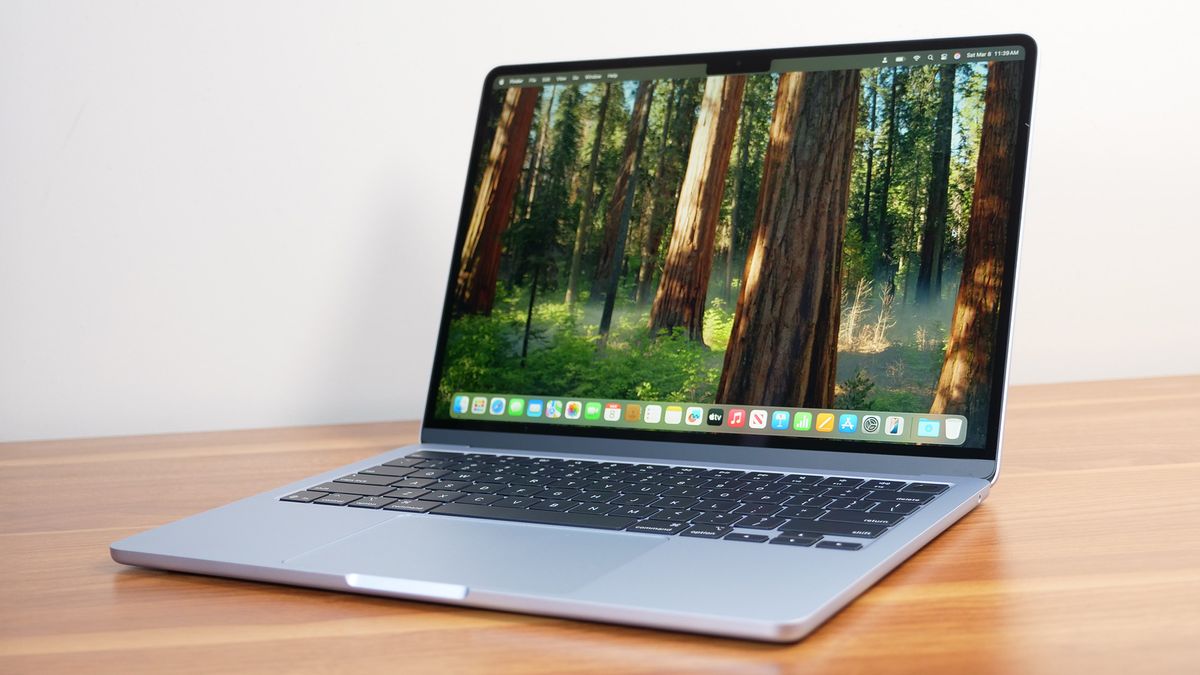
- Apple’s Market Re-entry: The release of the 13-inch MacBook Air M4 signaled a return to a aggressive sub-$1,000 starting price point. This move effectively forced competitors to improve their offerings to remain relevant.
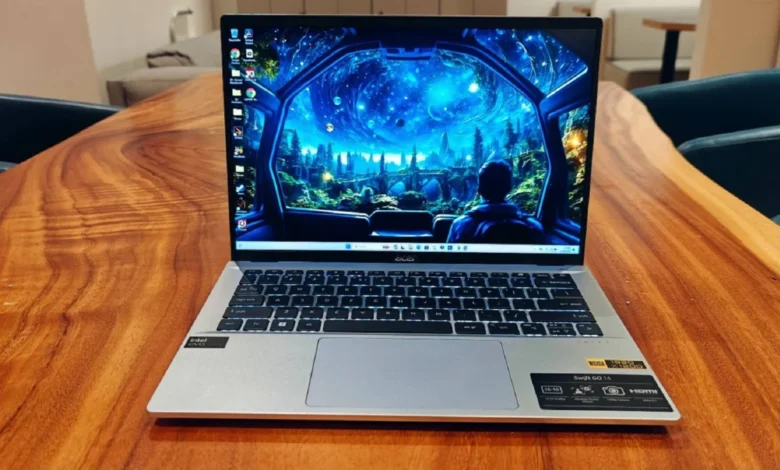
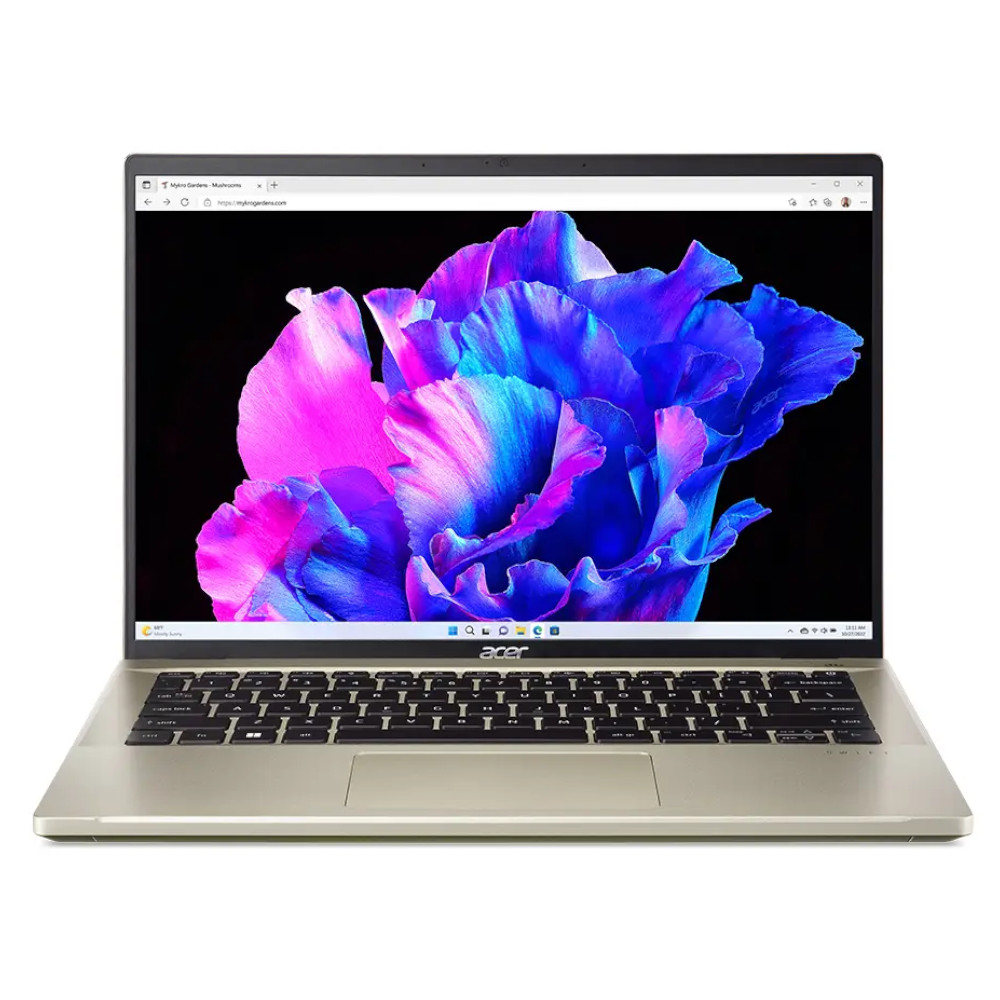
- Acer’s Strategic Pivot: Following the success of the Swift Go series, Acer transitioned its focus toward integrating advanced AI capabilities into its sub-$1,000 Windows machines, successfully moving the Acer Swift Go 14 to the premier Windows recommendation slot.
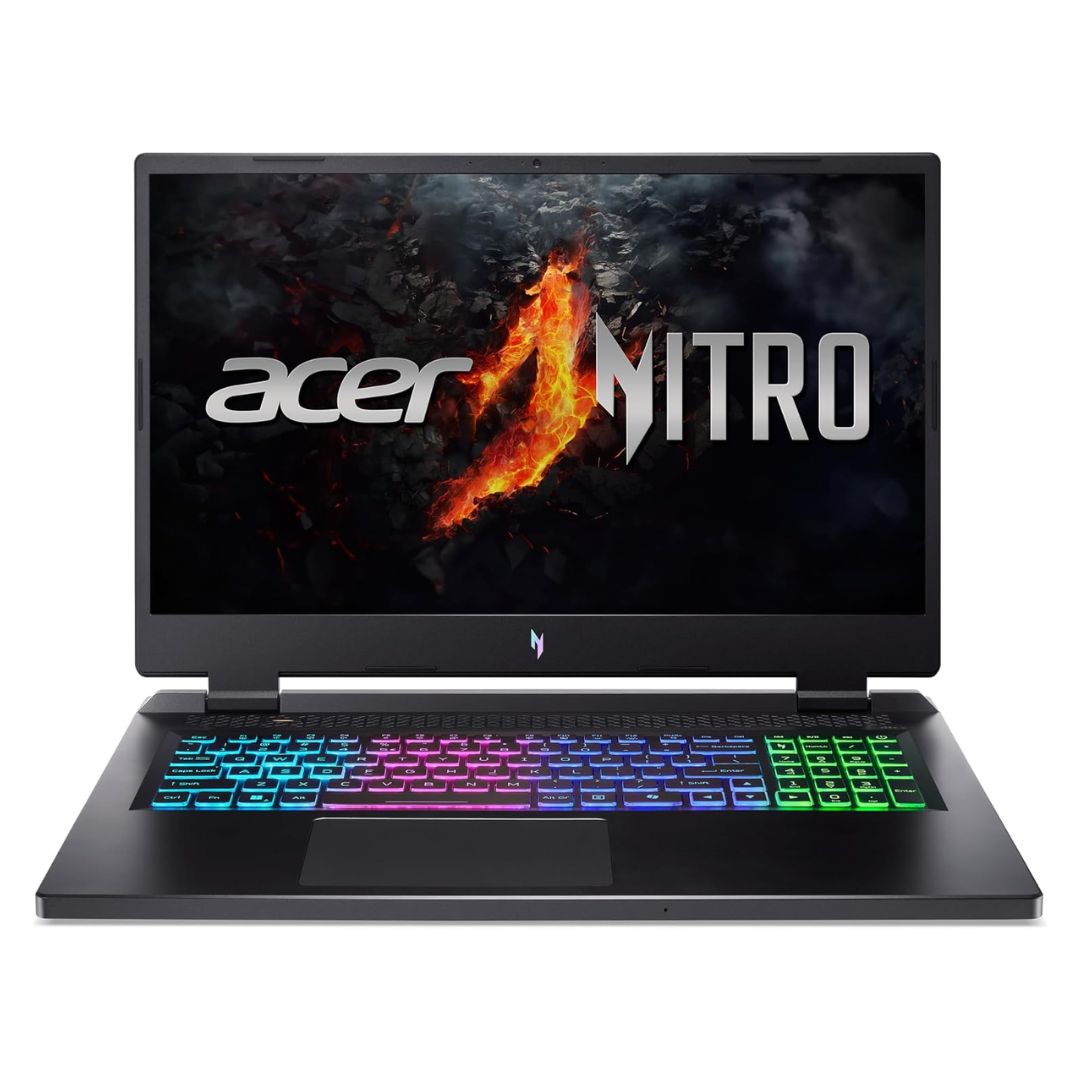
- Specialized Gaming Growth: The inclusion of the Acer Nitro 17 as a premier budget gaming device highlights the industry’s success in packaging dedicated GPUs—specifically the Nvidia RTX 40 series—into lower-cost gaming rigs that can compete with desktop performance.
Data-Driven Performance Standards
To understand the current state of these machines, it is necessary to look at the benchmark data that separates a "good" budget laptop from a "great" one. In standardized testing, the M4-powered MacBook Air has set the ceiling for this category, recording Geekbench 6 multi-core scores exceeding 14,800. This indicates that the entry-level device is no longer an "entry-level" performer in practice, handling high-intensity workflows that previously required a MacBook Pro.
Similarly, the Windows ecosystem has seen marked improvements. The Acer Swift Go 14, utilizing the Intel Core Ultra 7 155H, has achieved multi-core averages of approximately 11,800, comfortably outpacing the previous generation of premium ultrabooks. These figures are critical because they correlate directly to real-world usage—such as compiling code, rendering 4K video, or maintaining hundreds of browser tabs simultaneously without experiencing thermal throttling.
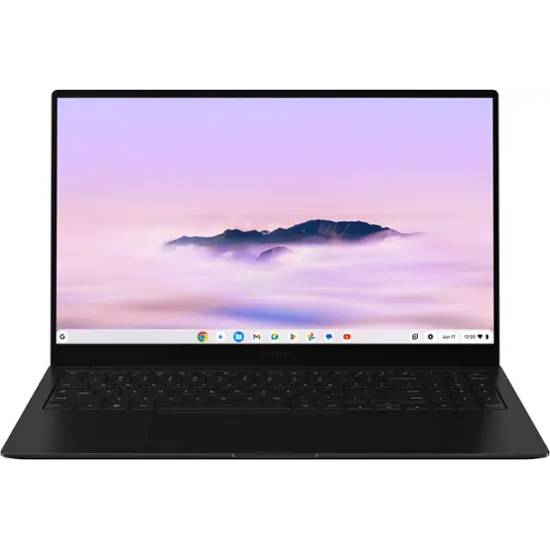
Regarding battery life, the standard for a "good" rating in the sub-$1,000 category has moved from 7 hours to over 10 hours of continuous web browsing. The Samsung Galaxy Chromebook Plus, for instance, has demonstrated that even with high-resolution AMOLED displays, optimization allows for 11-plus hours of runtime, effectively negating the "battery anxiety" that previously defined the Chromebook market.
Strategic Selection: A User-Centric Breakdown
Choosing the right device in this price bracket requires identifying specific usage patterns. The market currently segments into four primary profiles:
1. The Mobile Professional (Best Overall)
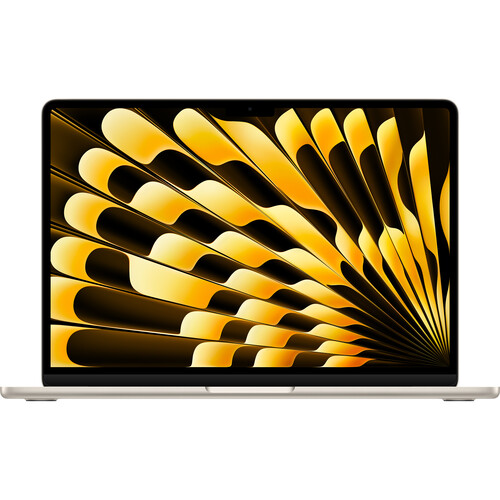
The Apple MacBook Air 13-inch M4 stands as the gold standard for general productivity. With its 2.7-pound weight, it is designed for portability, yet its 15-hour battery life and robust M4 architecture ensure it remains relevant for years. The primary limitation—a restricted port selection—is a deliberate trade-off for its ultra-thin chassis, often mitigated by the use of universal USB-C hubs.
2. The Windows Power-User
For users requiring the versatility of the Windows operating system, the Acer Swift Go 14 serves as a benchmark for hardware efficiency. Its integration of the Intel Arc GPU represents a massive leap in graphics capability for integrated systems, allowing for light creative work that would have been impossible on a sub-$1,000 laptop two years ago.
3. The Budget-Conscious Gamer
The Acer Nitro 17 represents a departure from the traditional "thin and light" trend, opting instead for raw power. With a 17.3-inch display and a dedicated Nvidia GeForce RTX 4060, it targets the user who views their laptop as a primary gaming station rather than a travel device. While it sacrifices battery life and portability, it provides a frame rate performance in titles like Borderlands 3 that previously required a $1,500 investment.
4. The Education and Web-Focused User
The Samsung Galaxy Chromebook Plus proves that a Chromebook can be more than a browser-in-a-box. By utilizing an AMOLED display and a high-efficiency Intel Core 3 processor, this machine targets users who prioritize media consumption and cloud-based productivity over legacy software compatibility.
Implications for the Future of Computing
The current trajectory of the under-$1,000 laptop market has significant implications for both consumers and manufacturers. Firstly, the "planned obsolescence" cycle is slowing down; because these machines are now shipping with 16GB of RAM and modern processors, their useful lifespans are extending. Consumers are no longer forced to upgrade every two years to maintain basic functionality.
Secondly, the rise of AI-assisted hardware is shifting the bottleneck of computing. As NPU tasks become offloaded from the CPU, the demand for high-clock-speed processors may decrease, potentially lowering the cost of manufacturing even further in the coming years. This suggests that the next generation of laptops will likely be even more efficient and potentially more affordable.
How Industry Experts Assess Value
The rigor behind these recommendations is based on comprehensive laboratory testing. Independent testing organizations and industry reviewers utilize a standardized testing regimen to ensure objectivity:
- Synthetic Benchmarks: Tests such as Geekbench 6 and 3DMark FireStrike provide a baseline for raw power and graphics performance.
- Real-World Stress Tests: Devices are subjected to video encoding tasks and file transfer speed tests to evaluate how the hardware handles heat and data throughput over time.
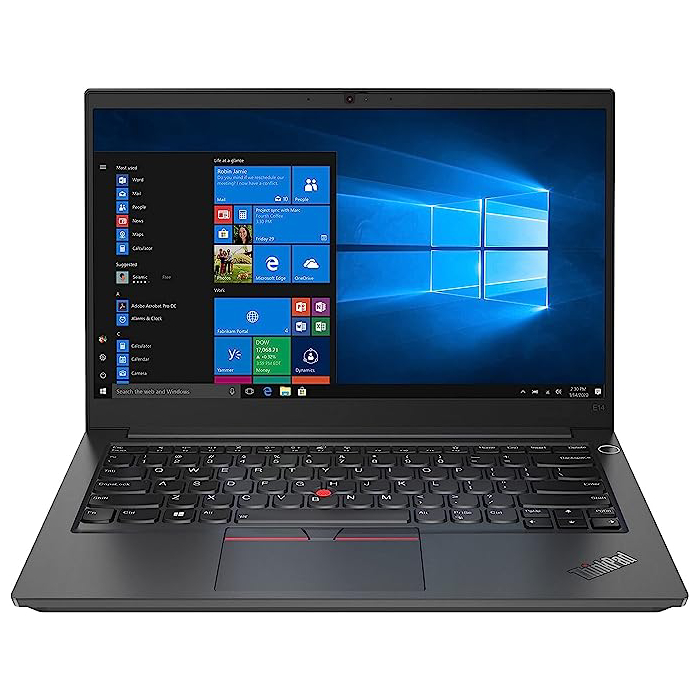
- Durability Assessment: For business-class machines like the Lenovo ThinkPad E14, testing includes MIL-STD 810H certifications, which verify the device’s ability to withstand environmental stress, shocks, and extreme temperatures.
- Display Calibration: Using colorimeters, reviewers measure brightness (nits) and color gamut (DCI-P3 coverage) to ensure that the user experience is visually accurate and comfortable for long-term use.
Final Analysis for Consumers
The search for a sub-$1,000 laptop should be guided by a clear understanding of personal requirements. If portability and battery life are paramount, the Apple ecosystem offers a compelling, long-term value. If specific software compatibility or port versatility is required, Windows-based machines like the Acer Swift Go 14 provide comparable power with greater OS flexibility. For those who prioritize raw gaming performance or large-screen media consumption, specialized devices like the Acer Nitro 17 or the Samsung Galaxy Chromebook Plus provide tailored solutions.
Ultimately, the barrier to high-quality computing has been effectively lowered. Consumers are now in a position to demand professional-grade performance, high-quality displays, and durable build materials without the historical "budget tax" that defined the industry for decades. By focusing on the specifications that align with individual needs—and ignoring the marketing hyperbole that often surrounds higher-priced flagship models—buyers can secure a machine that is, by every objective metric, a high-performance, long-term investment.