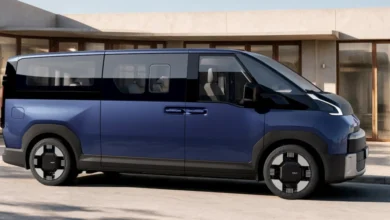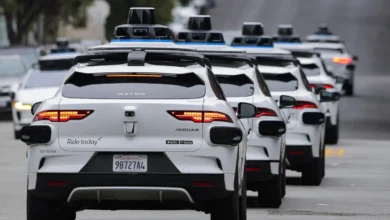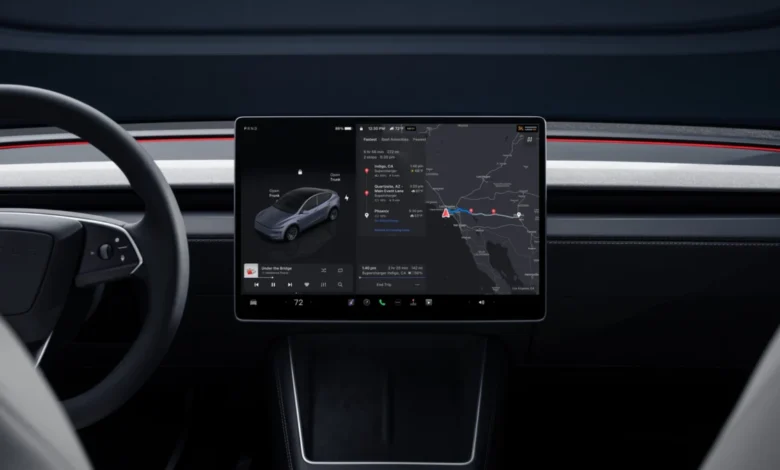
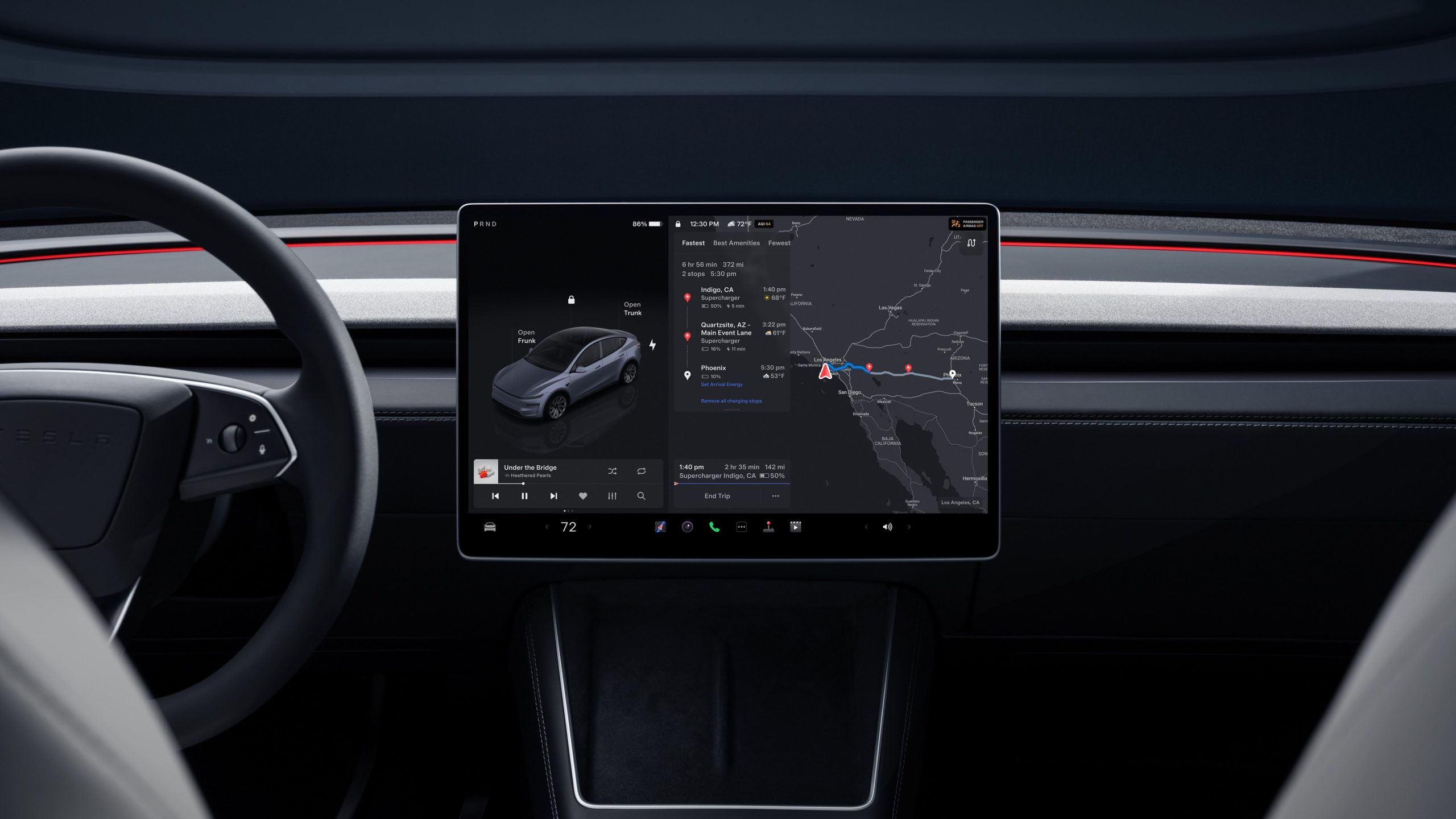
Tesla has officially rolled out a "Quiet Mode" feature for its autonomous Robotaxi fleet, a strategic software enhancement designed to facilitate passenger comfort during driverless transit. Initially debuted on the next-generation Cybercab, the feature has now been confirmed to be active in Model Y Robotaxis operating in Dallas, Texas. By enabling a "crescent moon" icon on the vehicle’s interface, passengers can dim the display, effectively blacking out the screen and suppressing non-essential visual stimuli, such as navigation maps and media controls, to create a tranquil cabin environment suitable for rest.
This update marks a significant milestone in Tesla’s decade-long pursuit of "unsupervised" autonomy. The implementation is not merely a cosmetic change; it serves as a critical step toward fulfilling the company’s long-term vision of a vehicle that functions as a mobile lounge. By providing a distraction-free environment, Tesla is signaling that it views its autonomous fleet as a viable alternative to traditional ride-sharing or public transportation for long-distance, overnight, or fatigue-heavy commutes.
A Chronology of Autonomy and the "Nap Mode" Vision
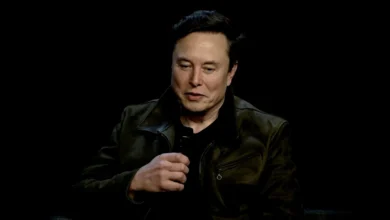
The concept of a vehicle in which a passenger can safely sleep has been a hallmark of Elon Musk’s public discourse since the early 2010s. In October 2014, Musk famously suggested that within five to six years, the industry would achieve true autonomous driving capable of point-to-point transit while the occupant slept. While the timeline proved optimistic, the technological trajectory remained consistent.
By 2017, at the TED conference, Musk refined his stance, emphasizing that the engineering challenge was not just about 99.9% reliability, but about the psychological threshold of trust required for a passenger to surrender control while unconscious. He noted at the time that if a vehicle crashed once in a thousand times, consumers would—rightfully—not be comfortable falling asleep.
In December 2019, the community-driven demand for a "Nap Mode" gained traction when a Tesla owner requested a feature that would maintain cabin climate and set an alarm to wake the passenger. Musk’s terse, affirmative response, "Ok," became a precursor to the software developments seen today. This vision culminated during the "We, Robot" event in October 2024, where Musk highlighted the transition from "supervised" to "unsupervised" Full Self-Driving (FSD), explicitly marketing the experience as one where a passenger could wake up at their destination.

Technical Implementation and User Experience
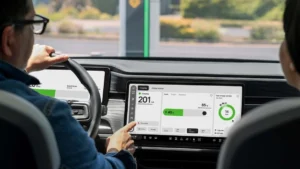
The Quiet Mode interface is designed for simplicity and safety. When activated, the primary display minimizes information density. Essential safety and operational data—such as "Arriving soon" notifications, destination details, and persistent controls like climate settings and emergency support—remain accessible. A single tap on the darkened screen immediately restores the full navigation suite, ensuring that users retain a sense of situational awareness if needed.
This visual update complements other acoustic refinements recently observed in the Robotaxi fleet. Reports from early testers, such as those documenting the deployment in Dallas, indicate that Tesla has also adjusted the auditory feedback of the vehicle, specifically regarding turn signals. These signals now chime for only the first four blinks before going silent, a subtle change that further minimizes cabin noise for resting passengers. These iterative, undocumented updates highlight Tesla’s "over-the-air" development philosophy, where hardware remains constant while user-experience software evolves based on real-world usage patterns.
The Convergence of Tesla and SpaceX: A Broader Synergy
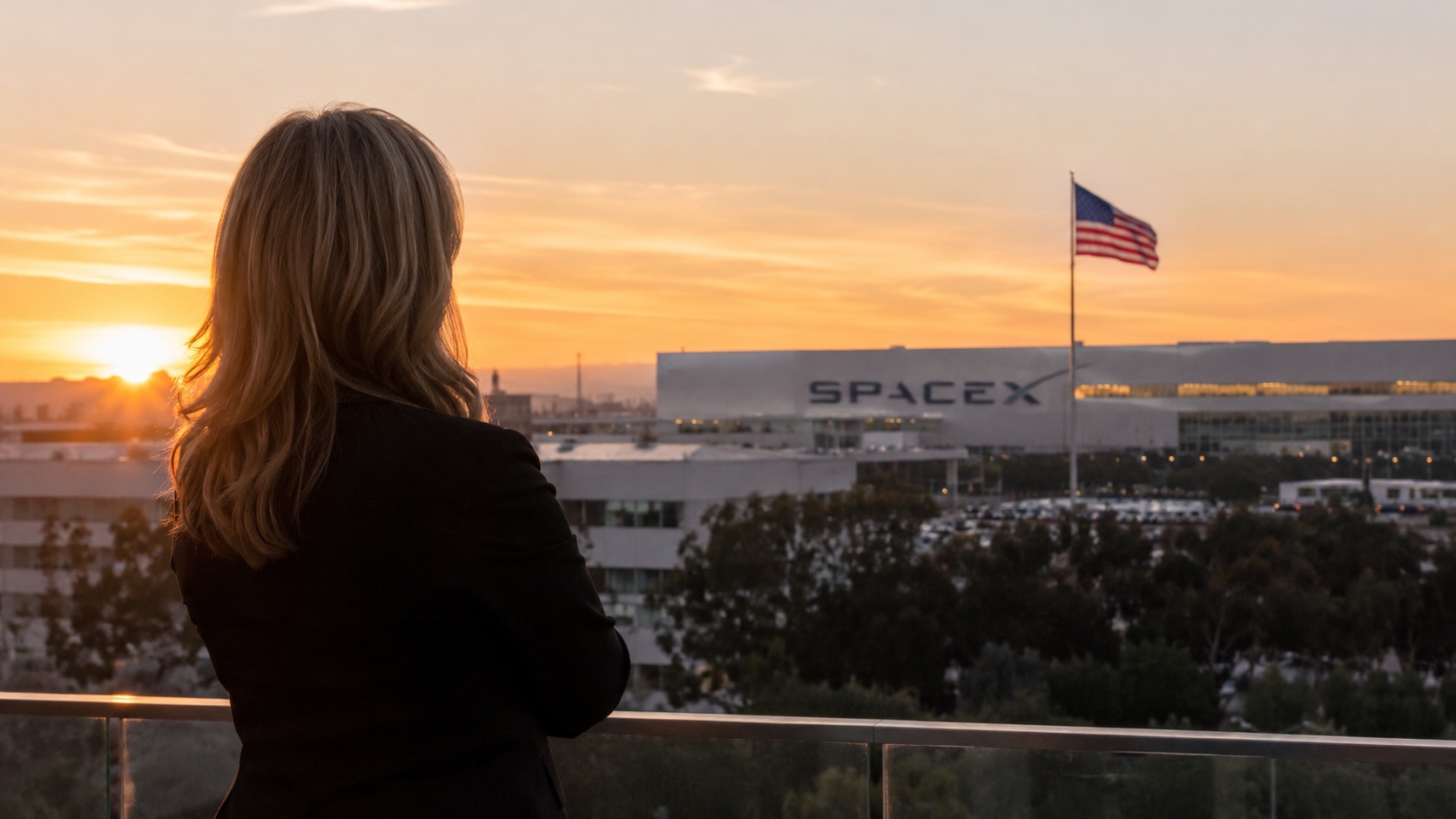
While the Robotaxi fleet evolves, other facets of the Musk ecosystem are experiencing similar integration. The recent appearance of the next-generation Roadster at SpaceX headquarters in Hawthorne, California, has intensified speculation regarding a potential structural or organizational merger between Tesla and SpaceX.
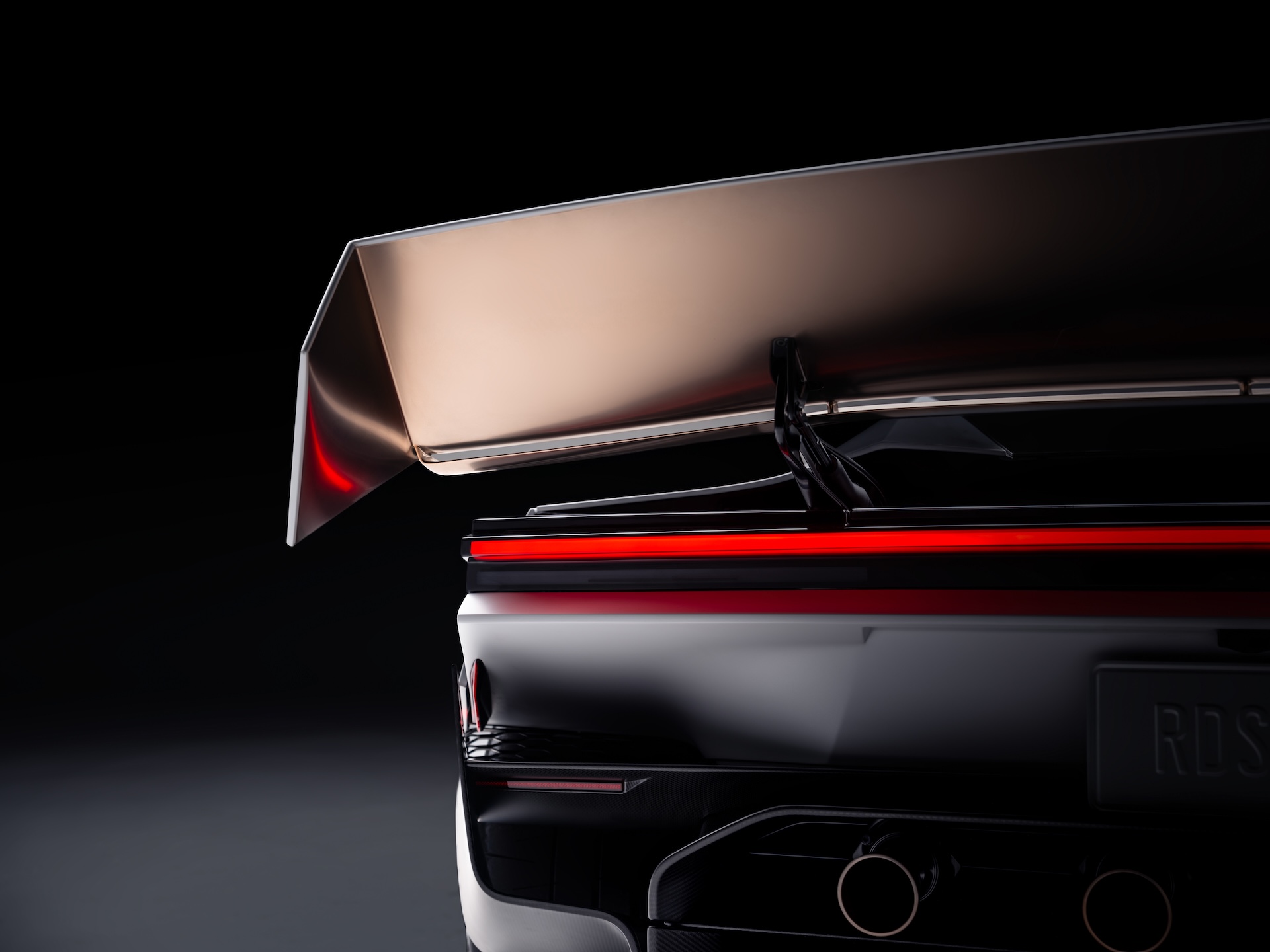
The Roadster, which incorporates aerospace-grade hardware—including cold gas thrusters and composite overwrapped pressure vessels—stands as a physical manifestation of cross-company engineering. The juxtaposition of the new supercar against the backdrop of the historic Falcon 9 B1019 booster serves as a symbolic marker of the two companies’ shared DNA. With special committees at both firms currently evaluating the feasibility of a merger, the Roadster is frequently cited as the most prominent example of how shared R&D, manufacturing expertise, and proprietary hardware can produce products that neither company could effectively create in isolation.
Engineering Breakthroughs: The Evolution of the Raptor Engine
The drive for increased performance and efficiency extends beyond consumer vehicles to the heavy-lift capabilities of the Starship architecture. Recent technical disclosures regarding the Raptor 4 engine illustrate a consistent trend in SpaceX’s engineering philosophy: increasing power output while maintaining or reducing total engine mass.
The progression from the Raptor 1 to the projected Raptor 4 is significant. Raptor 1 provided 185 metric tons of sea-level thrust at a mass of 2,080 kilograms. By contrast, the Raptor 4 is expected to deliver 300 metric tons of thrust at roughly the same mass as the Raptor 3 (approximately 1,525 kilograms). This represents an improvement in thrust-to-weight ratio of over 60% since the program’s inception.
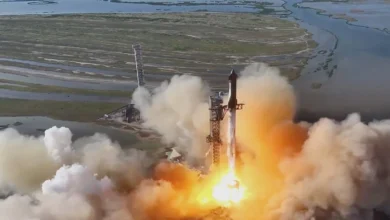
For the Super Heavy booster, which utilizes 33 engines, this leap in thrust is transformative. A full stack of Raptor 4 engines would generate nearly 9,900 metric tons of liftoff thrust—nearly three times the capacity of the Saturn V rocket. This increase in sea-level thrust is paramount, as it directly impacts the vehicle’s initial acceleration off the launch pad. By reducing the time a rocket spends within the densest part of the atmosphere and fighting the deepest part of Earth’s gravity well, SpaceX can minimize "gravity losses," thereby preserving more propellant for orbital insertion or payload deployment.
Implications for Future Transport and Logistics
The combination of these developments—the refinement of the autonomous passenger experience and the exponential growth in launch vehicle performance—suggests a unified strategy. Tesla’s focus on the Robotaxi environment is about democratizing and automating terrestrial mobility, while SpaceX’s focus on the Raptor engine is about lowering the cost and increasing the frequency of access to orbit.
In the near term, the immediate impact for residents in Dallas and Houston is a more refined, comfortable transit experience. The availability of free first-time rides, combined with the new "Quiet Mode," serves as an aggressive market-penetration strategy intended to build consumer trust. By making the "nap-in-a-car" scenario a standard, reliable occurrence rather than a novelty, Tesla is positioning its autonomous fleet to fundamentally disrupt the traditional ride-hailing and short-haul transport sectors.

As the industry looks toward 2028—the target date for full-scale Roadster production—the synergy between these initiatives becomes clearer. The technology developed for the autonomous cabin is not fundamentally different in its reliance on sophisticated sensor fusion and decision-making logic than the systems required for autonomous vehicle stunts or precision rocket landings.
The successful implementation of these features in the real world acts as a stress test for the broader goals of the Musk-led companies. Whether it is a passenger sleeping in a Model Y while navigating downtown traffic or a Super Heavy booster lifting 100-plus tons to orbit, the underlying objective remains the same: the optimization of high-capital-expenditure assets through software, iteration, and rigorous engineering. As these systems continue to mature, the gap between speculative future technology and daily, mundane reality continues to narrow, setting the stage for a paradigm shift in both urban transit and space logistics.