FBI Arrests Customs and Border Protection Supervisor in Elaborate Government Computer Hardware Scheme at Maine-Canada Border

Federal law enforcement authorities have arrested and charged a Customs and Border Protection (CBP) supervisor stationed along the United States-Canada border in Maine for an audacious internal hardware theft scheme. Terry "Jiajia" Liu, operating out of a border facility in Calais, Maine, faces multiple federal charges including the theft and destruction of government property. According to an extensive investigation by the Federal Bureau of Investigation (FBI), Liu systematically targeted sensitive Department of Homeland Security (DHS) computer systems, harvesting high-value components and systematically replacing them with inferior, outdated hardware to avoid immediate detection.
The security breach compromises dozens of frontline operational machines used by federal border personnel. Rather than selling the pilfered components on illicit secondary marketplaces or local peer-to-peer listing sites, Liu allegedly funneled the stolen gear through a major commercial retail trade-in program, accumulating hundreds of dollars in personal store credit while leaving federal taxpayers to shoulder a staggering six-figure remediation bill.
Anatomy of an Internal Breach: The Calais Operation
Liu’s official administrative and operational portfolio within CBP was strictly confined to information technology (IT) support services. While this role required physical proximity to agency workstations to perform authorized maintenance, diagnostics, and software updates, it explicitly did not grant Liu the authorization to modify, relocate, or reconfigure government-owned hardware configurations.
The illicit activities came to light following internal suspicions regarding fluctuating workstation performance across multiple facilities. Port Director Theodore Cummings had previously issued explicit, unambiguous written directives to Liu, ordering that no computers or internal computer components were to be moved, altered, or tampered with under any circumstances. Predictably, however, institutional warnings proved ineffective against the unfolding insider threat.
Surveillance footage captured during the cover of darkness—specifically during the quiet midnight shifts—revealed the mechanics of the operation. Liu routinely transported government desktop units into an isolated training room, far from the watchful eyes of on-duty colleagues. Hidden security cameras recorded Liu expertly dismantling PC chassis with a standard screwdriver. In one recorded instance, Liu was observed meticulously scraping thermal paste off a high-end processor before swapping it out for a downgraded replacement chip. Another camera angle captured Liu unseating high-capacity RAM modules and slipping them directly into a personal desk drawer.
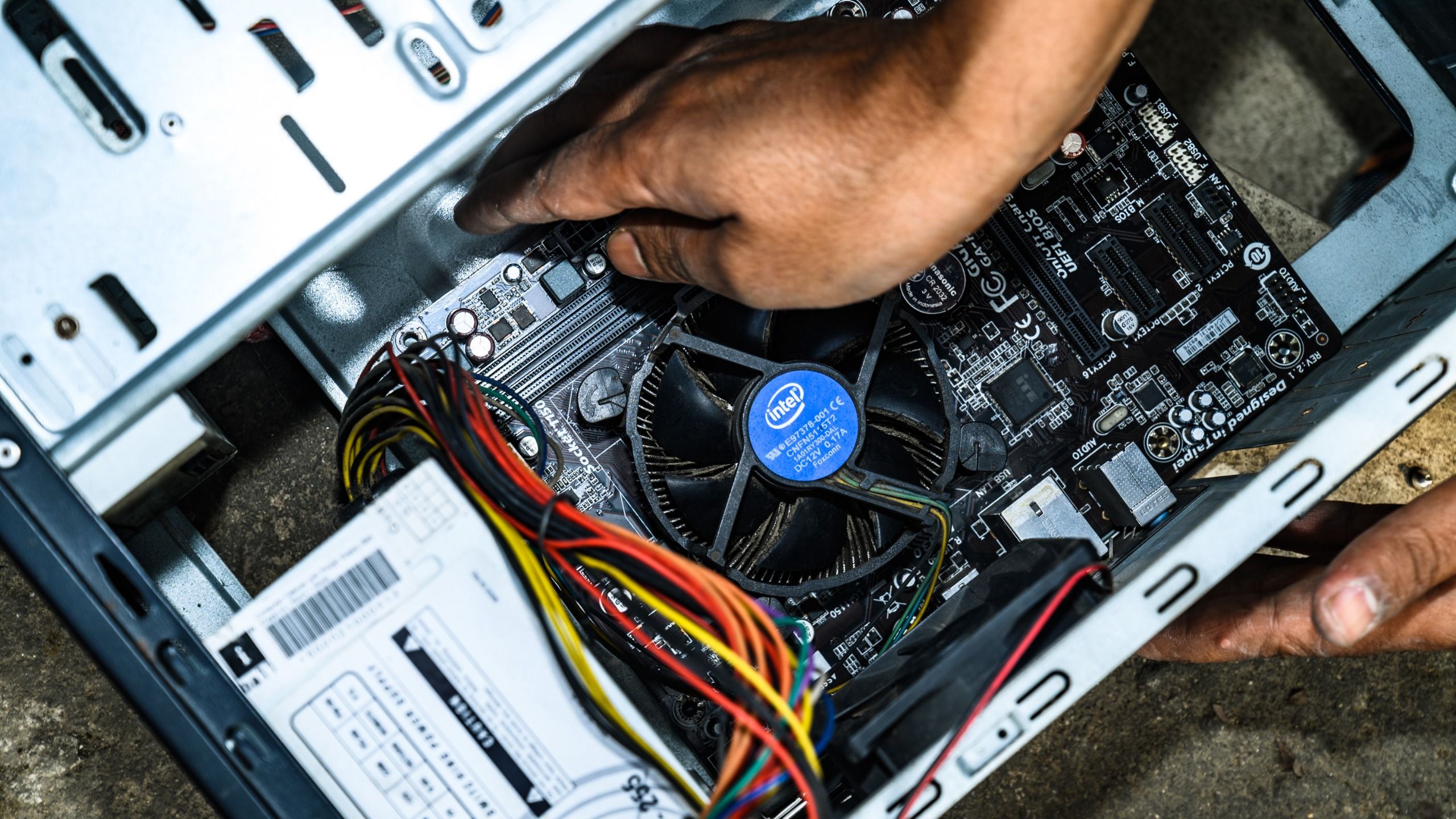
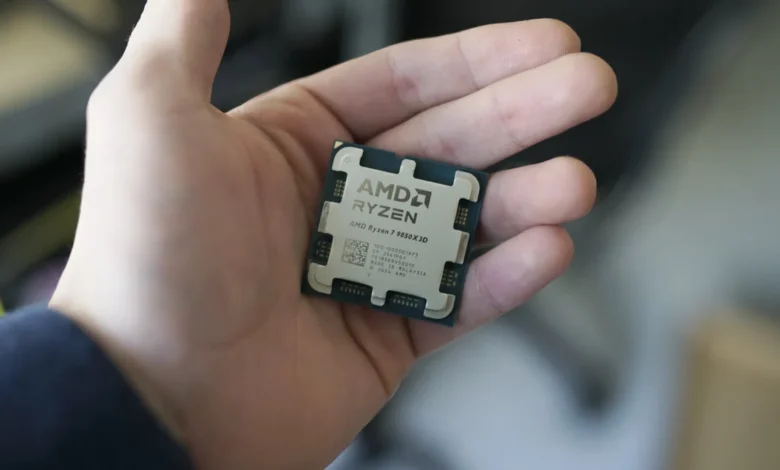
Forensic analysis of the affected infrastructure revealed a calculated scale of theft. Investigators confirmed that 39 federal computers had their advanced central processing units removed, six systems suffered RAM module extractions, and eight machines had their internal hard drives replaced with lower-capacity storage devices. The original state-of-the-art configurations—which predominantly featured Intel 14th Generation Raptor Lake Refresh processors—were systematically substituted with obsolete components, in some instances downgraded all the way down to legacy Pentium chips.
The Trade-In Conduit: Leveraging Retail Ecosystems
One of the most notable aspects of the federal indictment is the logistical method Liu utilized to monetize the stolen hardware. Rather than utilizing risky underground channels or cash converters where serial numbers might immediately raise red flags, Liu targeted corporate buyback ecosystems.
Investigators uncovered that Liu utilized Newegg’s commercial Trade-In program to offload the purloined high-end Intel processors. The scheme operated via a digital paper trail linking personal and professional correspondence. Federal investigators tracked a sequence of 13 specific email transmissions bouncing between Liu’s personal email account and an official government CBP email address. These electronic communications contained standardized shipping labels, logistics tracking data, and official trade-in receipts matching the exact specifications of the missing DHS hardware.
Financial disclosures and retail transaction ledgers provided by the U.S.-based electronics retailer mapped the duration and yield of the operation. Newegg’s trade-in valuations for the targeted Core i7 Raptor Lake Refresh processors ranged consistently between $200 and $210 per unit. Transaction records spanning a 14-month window—beginning in May 2025 and continuing through July 2026—demonstrate that Liu successfully processed these high-end chips 16 distinct times. Furthermore, corroborating financial evidence retrieved from American Express statements confirmed the direct deposit of at least three separate $200 store credit redemptions originating from Newegg.
Interrogation and Confession
Confronted with mounting forensic evidence, digital tracking logs, and direct video surveillance, Liu eventually participated in a formal interview with federal investigators, during which the full scope of the operation was acknowledged.
Initially, Liu attempted to frame the unauthorized hardware swaps through a benevolent lens, claiming that the modifications were intended to troubleshoot lingering system performance issues and expedite lagging internal computer repair turnarounds within the border facility. However, this defense quickly unraveled under basic technical scrutiny. Liu ultimately conceded the reality of the situation: the unauthorized swaps yielded drastically degraded machine performance, leaving critical homeland security infrastructure running on severely underpowered legacy hardware.
Liu admitted to procuring cheap, lower-performing replacement parts from mainstream consumer e-commerce platforms, including Amazon and Newegg, specifically to maintain a superficial illusion of operational functionality within the targeted machines. By ensuring that the computers still booted up and connected to the network, Liu hoped to delay any formal internal audits or hardware discrepancy investigations.
Financial Fallout and National Security Implications
The fiscal toll of the internal security breach is substantial. According to detailed budgetary estimates compiled by federal procurement specialists, purchasing exact replacement hardware to restore the 39 compromised processors, memory sticks, and storage drives amounts to an initial hardware expenditure of approximately $20,460.
However, hardware replacement is only part of the equation. Completely swapping out and rebuilding all 46 compromised computer systems with equivalent, verified-secure hardware configuration baselines is projected to cost taxpayers an estimated $105,800. This baseline figure excludes the extensive human-hour labor costs required by certified IT professionals to securely wipe, reimage, configure, and re-deploy each individual terminal back into the secure operational network of a federal border facility.
Beyond the immediate financial damages, cybersecurity and administrative experts emphasize the broader systemic implications of the Calais incident. Border security stations represent critical nodes within the national infrastructure network, requiring strict physical access controls and uncompromised endpoint security. The ability of an unauthorized insider to systematically compromise nearly five dozen workstations during night shifts underscores vulnerabilities in internal asset management, physical surveillance monitoring, and privileged user oversight within federal installations.
As the judicial process moves forward, federal prosecutors are expected to press forward with charges of theft and willful destruction of government property. The case serves as a stark reminder of the unique vulnerabilities posed by insider threats, even within highly regulated national security environments where physical and digital boundaries intersect.