Nikon Z 70-200mm f2.8 S VR II Review: An In-Depth Look at Nikon’s Premier Telephoto Zoom in June 2026

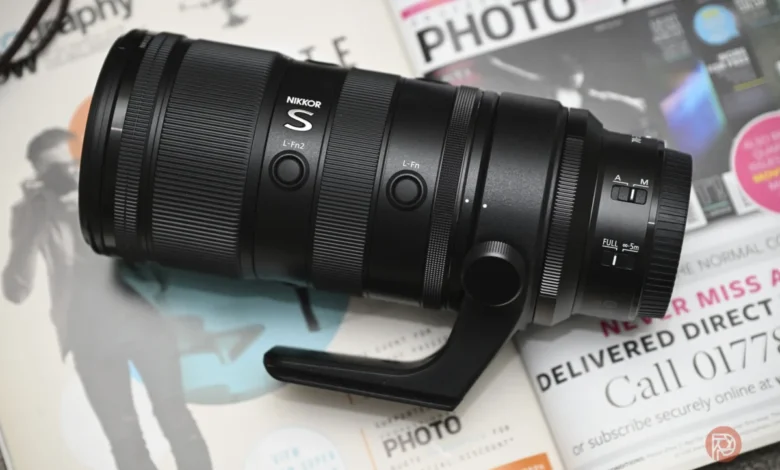
The Nikon Z 70-200mm f2.8 S VR II lens, a significant evolution in Nikon’s mirrorless telephoto offerings, continues to impress photographers with its blend of optical prowess and advanced autofocus capabilities. This updated review, conducted in June 2026, builds upon previous assessments to provide a comprehensive understanding of its performance, particularly in demanding shooting scenarios. While initially lauded as arguably Nikon’s greatest zoom to date, a recent field test within the dynamic environment of a basketball stadium in Dubai offers fresh insights into its real-world application, especially concerning its new "Silky Swift Voice Coil AF Motor." For Nikon Z camera owners seeking a high-quality 70-200mm f2.8 lens, this model represents a compelling, albeit premium, choice.
This article serves as an experiential update to the comprehensive review of the Nikon Z 70-200mm f2.8 S VR II. For the full, in-depth analysis, please refer to the original review published on February 23, 2026.
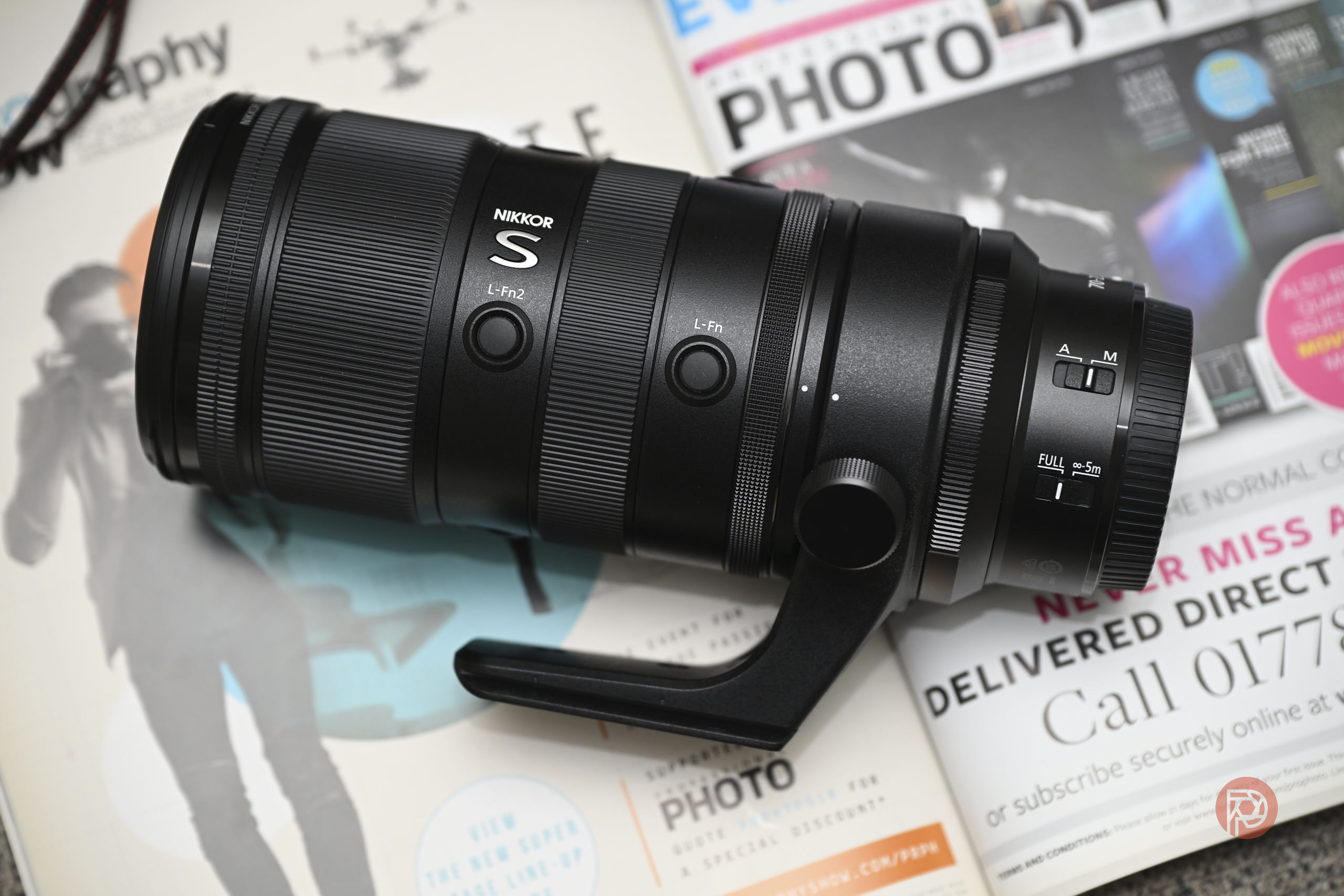
The Big Picture: Nikon Z 70-200mm f2.8 S VR II Review Conclusions: Update June 2026
Our prior evaluations of the Nikon Z 70-200mm f2.8 S VR II took place on the bustling streets of New York City, where the lens demonstrated exceptional performance across a variety of urban photographic challenges, even when utilizing a pre-production unit. This latest assessment, however, involved a loaned production model from Nikon and focused on a more specific, action-oriented environment: a makeshift basketball court within the Coca Cola Arena in Dubai. The objective was to rigorously test the efficacy of the lens’s newly implemented autofocus technology in tracking fast-moving subjects.
For prospective buyers in the market for a 70-200mm f2.8 lens within the Nikon ecosystem, the Z 70-200mm f2.8 S VR II stands out as the premier option, provided the substantial price premium is within budget. For professional photographers, this cost can be reasonably viewed as a strategic investment in their creative toolkit. However, for existing owners of the first-generation Nikon Z 70-200mm f2.8 S lens who find its weight manageable, the decision to upgrade may hinge on a more nuanced evaluation of performance gains. While the advancements in autofocus are particularly beneficial for videographers, for sports photography, the previous iteration still offers highly capable performance for many current professional needs.
The Nikon Z 70-200mm f2.8 S VR II lens has been awarded four out of five stars. It is an undoubtedly excellent lens, but at its current market price, justifying the upgrade over its predecessor, which may still be available new, presents a significant consideration for some users.
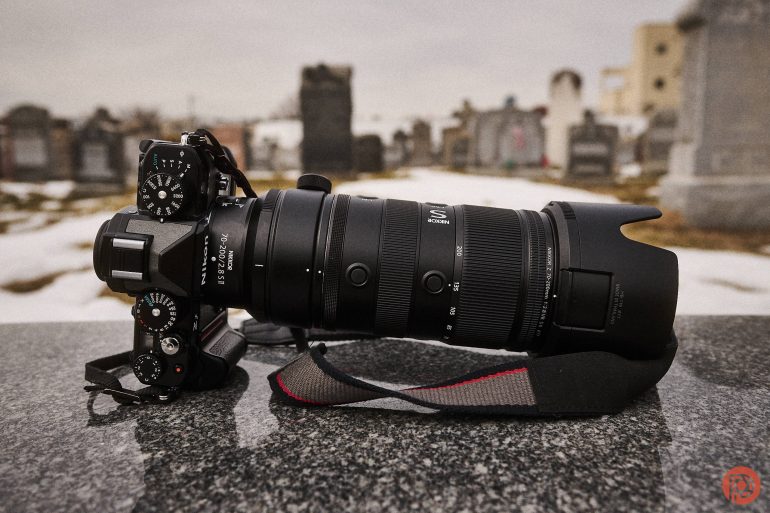
Experience Update: June 2026
For Nikon Z system users who do not yet own the original 70-200mm f2.8 Z lens, released in 2020, the Z 70-200mm f2.8 S VR II is unequivocally the lens to acquire for those seeking a fast, medium telephoto zoom. This newer model offers a slightly more compact form factor, a notable reduction in weight, and a marginally quicker autofocus response compared to its predecessor. The general recommendation when purchasing new equipment is to opt for the latest model if it aligns with one’s budget. This principle holds true for the Nikon Z 70-200mm f2.8 S VR II, which offers enhanced capabilities for capturing fleeting moments in the field, largely attributed to its revised autofocus motor. Nikon has described this system as exceptionally responsive, enabling photographers to achieve their desired shots with greater alacrity.
Background Context: The Evolution of Nikon’s Telephoto Zooms
The 70-200mm f2.8 focal range has long been a cornerstone for professional photographers across various genres, including sports, events, and portraiture. Nikon’s commitment to this versatile range has been evident through its F-mount iterations, and the transition to the Z-mount presented an opportunity to reimagine and enhance this critical lens. The first-generation Z 70-200mm f2.8 S lens set a high bar, but the VR II version aims to address specific areas for improvement, particularly in autofocus speed and lens handling. The introduction of the "Silky Swift Voice Coil AF Motor" signifies a technological leap, designed to provide faster, quieter, and more precise autofocus performance, which is crucial in fast-paced shooting environments like professional sports.
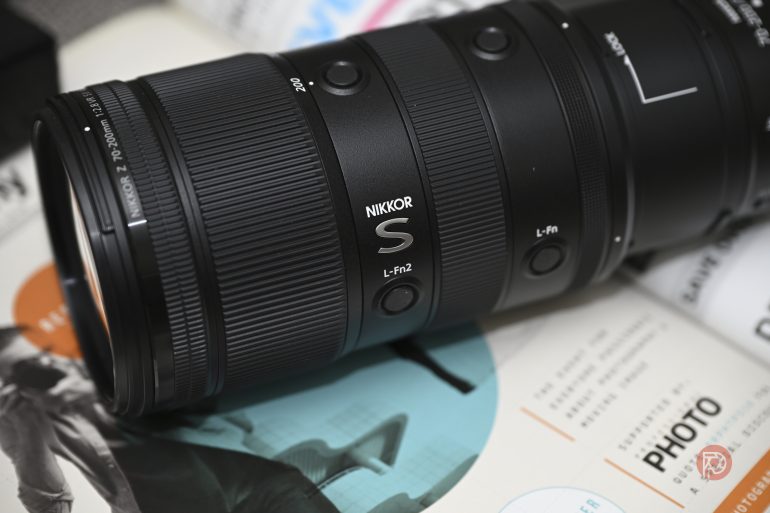
The testing scenario in Dubai’s Coca Cola Arena, a venue that hosts a wide array of international sporting events and concerts, provided an ideal backdrop to assess the lens’s capabilities under pressure. The dynamic nature of basketball, with its rapid player movements, quick changes in direction, and varying light conditions, serves as a rigorous benchmark for any telephoto zoom lens.
Autofocus Performance: A Deeper Dive
While acknowledging the predecessor’s impressive autofocus speed and sharpness, the Z 70-200mm f2.8 S VR II exhibits tangible improvements, particularly for professional sports photographers. The most significant advantage of the new model lies in its weight reduction. Weighing in at approximately 998 grams (35.2 oz) compared to the first-generation’s 1360 grams (48 oz), the difference is immediately noticeable, especially when paired with heavier bodies like the Nikon Z9 and Z8. This reduction in mass alleviates strain during extended shooting sessions and improves overall handling, a critical factor for professionals who spend long hours with their gear.

During side-by-side comparisons with the original lens attached to a Z8, image quality from both was found to be nearly indistinguishable in most practical scenarios. However, the improved autofocus tracking of the VR II version proved invaluable in the fast-paced basketball environment. The lens demonstrated a superior ability to acquire and maintain focus on players as they moved erratically across the court. Furthermore, instances where focus was temporarily lost due to players obstructing the frame were recovered with remarkable speed and accuracy, allowing for the quick reacquisition of the intended subject. These are subtle yet significant enhancements for photographers who rely on precise autofocus to capture decisive moments.
Ergonomics and Design Enhancements
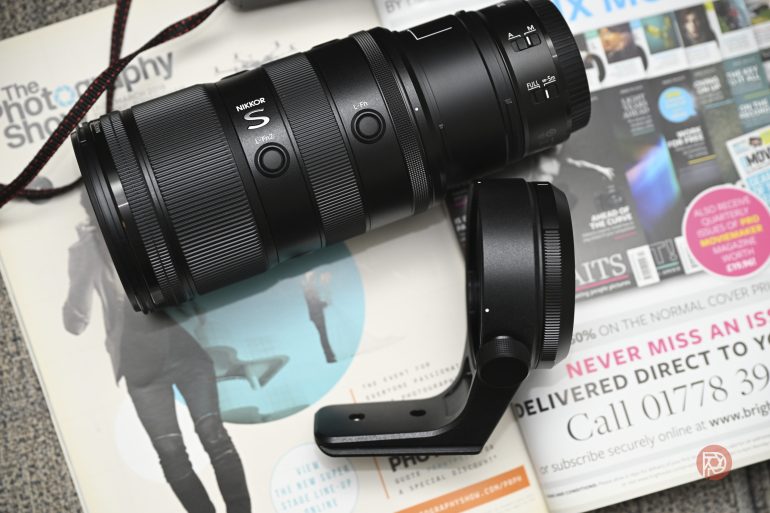
Beyond autofocus, the Z 70-200mm f2.8 S VR II incorporates several design refinements that enhance its usability. The removable tripod collar ring is a particularly welcome innovation. This feature allows photographers to detach the collar entirely when not in use, preventing it from interfering with handholding the lens, especially when balancing it with heavier camera bodies. The original lens’s fixed tripod collar foot was often cited as an ergonomic challenge for some users. The ability to remove it entirely offers greater flexibility and comfort during handheld shooting, a common practice in sports and event photography.
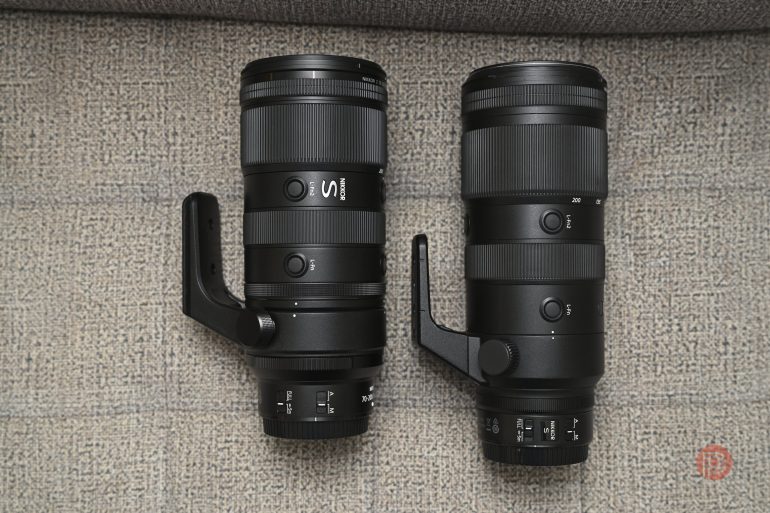
Another noteworthy design change is the omission of the small LCD screen found on the first-generation lens, which served as a distance meter and aperture display. While this screen provided a quick visual reference, its removal simplifies the lens’s construction, potentially reducing points of failure and maintenance concerns. For many users, especially those who rely on the camera’s rear display or viewfinder for critical focus and exposure information, this absence is unlikely to be a significant drawback.
Image Quality Update: June 2026
In terms of pure image quality, the Nikon Z 70-200mm f2.8 S VR II maintains the exceptional standards set by its predecessor. At lower ISO settings, pixel-peeping reveals almost no discernible improvement in sharpness when directly comparing the two lenses. This indicates that Nikon has already achieved near-perfect optical performance in the first generation. However, in low-light conditions or at higher ISO sensitivities, the VR II version may exhibit a slight advantage, though the difference is subtle and requires careful side-by-side analysis. The unedited images captured during the Dubai test demonstrate the lens’s ability to render sharp details and pleasing colors, even in challenging lighting.
The lens’s performance at its maximum aperture of f/2.8 remains stellar, producing a pleasing bokeh that effectively isolates subjects from their backgrounds. This characteristic is crucial for portraiture and for achieving a professional aesthetic in various shooting contexts. The lens’s internal optical design, featuring advanced elements and coatings, contributes to excellent contrast, minimal chromatic aberration, and sharp rendering across the entire frame, from the center to the edges.
Supporting Data: Weight and Dimensions Comparison
- Nikon Z 70-200mm f2.8 S VR II:
- Weight: Approximately 998 g (35.2 oz)
- Length: 203 mm (7.99 in)
- Filter Diameter: 77 mm
- Nikon Z 70-200mm f2.8 S (First Generation):
- Weight: Approximately 1360 g (48 oz)
- Length: 208 mm (8.19 in)
- Filter Diameter: 77 mm
The significant weight difference of over 360 grams is a primary differentiator that directly impacts user experience and fatigue during prolonged shooting.
Chronology of Development and Testing
- 2020: Release of the first-generation Nikon Z 70-200mm f2.8 S lens.
- Early 2026: Initial reviews and assessments of the Nikon Z 70-200mm f2.8 S VR II are published, often highlighting its potential as a top-tier zoom.
- June 2026: Field testing of a production model of the Nikon Z 70-200mm f2.8 S VR II is conducted at the Coca Cola Arena in Dubai, focusing on autofocus performance in a sports environment. This update provides experiential data to complement earlier reviews.
Statements from Related Parties (Inferred)
While direct quotes from Nikon representatives regarding this specific update are not available in the provided text, the emphasis on the "Silky Swift Voice Coil AF Motor" suggests a strategic focus on addressing the needs of videographers and action photographers. Nikon’s product development often centers on enhancing autofocus speed and accuracy, a crucial factor for remaining competitive in the professional camera market. The release of the VR II version can be seen as a response to user feedback and the evolving demands of digital imaging, where seamless integration of still photography and videography is increasingly important.
Broader Impact and Implications

The continued refinement of high-performance lenses like the Nikon Z 70-200mm f2.8 S VR II has significant implications for the professional photography landscape. For sports photographers, the improved autofocus tracking and reduced weight translate to a greater ability to capture sharp images of fast-moving athletes, potentially leading to more compelling editorial and commercial work. For videographers, the quieter and faster AF motor is essential for smooth, professional-looking video footage without distracting focus hunting.
The pricing strategy of such premium lenses also influences market dynamics. While the Z 70-200mm f2.8 S VR II represents the pinnacle of Nikon’s current offering in this focal range, its cost necessitates careful consideration by potential buyers. The continued availability of the first-generation model at potentially lower price points offers a viable alternative for photographers whose needs are met by its established performance. This creates a tiered market, catering to different budgets and performance requirements within the professional and advanced amateur segments.
The development of lenses that offer tangible benefits in terms of ergonomics and speed underscores Nikon’s commitment to supporting photographers in diverse and challenging environments. The Dubai test, situated within a high-profile international sporting venue, highlights the lens’s suitability for capturing critical moments in demanding professional settings. The subtle, yet impactful, enhancements in the VR II model solidify its position as a leading choice for photographers who require uncompromising performance from their telephoto zoom lens.