LG Electronics Moves to Purge Residential Proxy Software From Smart TV App Ecosystem Following Security Warnings

The global home appliance leader LG Electronics USA has announced a sweeping initiative to identify and suspend applications within its smart TV ecosystem that surreptitiously transform consumer hardware into residential proxy nodes. This decisive policy shift follows a damning report from cybersecurity researchers which revealed that nearly half of the applications available on LG’s proprietary webOS platform contained embedded software development kits (SDKs) designed to hijack user bandwidth for third-party internet routing. The move represents a significant escalation in the battle over Internet of Things (IoT) security and the ethically murky world of "bandwidth sharing" monetization models that have quietly permeated the living rooms of millions of households worldwide.
The Discovery of the "Zombie TV" Network
The catalyst for LG’s policy change was a detailed investigation published in early July by Spur, a security firm specializing in identifying proxy infrastructure. Spur’s researchers conducted a comprehensive audit of the application stores for the two largest smart TV platforms: LG’s webOS and Samsung’s Tizen OS. The findings were startling. According to the data, more than 42 percent of games, utilities, and screensaver apps available for LG smart TVs included residential proxy SDKs. Samsung’s ecosystem was also heavily impacted, with more than 25 percent of its Tizen-based applications found to be carrying similar components.
A residential proxy is a service that allows a client—often a corporation or a researcher, but sometimes a malicious actor—to route their internet traffic through a residential IP address rather than a data center. Because residential IP addresses are associated with home internet service providers (ISPs), they are less likely to be flagged or blocked by websites that employ anti-bot or anti-scraping measures. By embedding a proxy SDK into a popular app, developers can turn a user’s smart TV into a permanent gateway for this traffic, effectively renting out the consumer’s home network to the highest bidder.
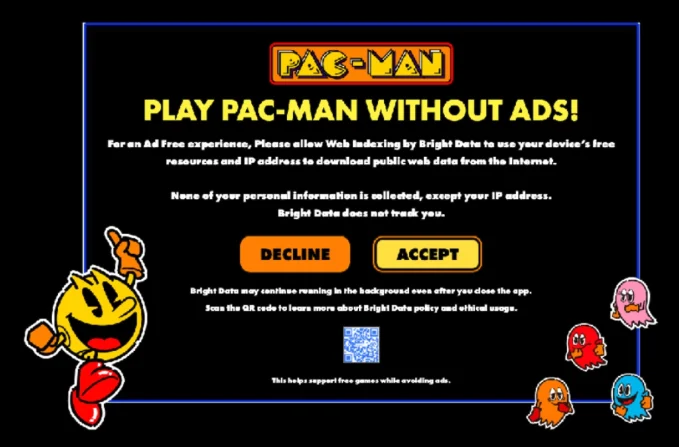
Spur’s research highlighted that these SDKs often run in the background, remaining active as long as the television is connected to the internet. This creates a persistent, "always-on" proxy node that operates without the user’s active engagement or ongoing awareness. The apps identified ranged from simple clones of classic games like Pac-Man to file management utilities and aesthetic screensavers.
LG’s Official Mandate and Enforcement Strategy
Responding to the security implications raised by the Spur report, LG Senior Vice President John Taylor issued a formal statement clarifying the company’s stance on the unauthorized use of its hardware. Taylor emphasized that residential proxy networking is not an intended or sanctioned use for LG smart TVs. He confirmed that LG Electronics is currently in the process of communicating with app developers to demand the immediate removal of residential proxy options from their software on the webOS platform.
"LG is committed to keeping residential proxy networks out of its smart TV apps going forward," Taylor stated, adding that the company’s internal review of the app store is "well underway." The enforcement mechanism is clear: developers who fail to strip these SDKs from their applications will face immediate suspension from the webOS store.
This move signals a tightening of the vetting process for the LG Content Store. Taylor noted that as part of an ongoing effort to enhance platform quality and user experience, LG will strengthen its evaluation protocols for all developer-submitted apps. This includes a more rigorous technical audit to detect hidden SDKs that might compromise the integrity of the user’s home network or degrade the performance of the device.
The Economics of Proxy SDKs and Developer Monetization
The proliferation of proxy SDKs is driven primarily by the economics of the "free" app market. For many independent developers, traditional advertising revenue is often insufficient to cover development costs or generate a profit. Residential proxy providers, such as Bright Data, offer an alternative monetization path. By integrating a proxy SDK, a developer receives a recurring fee based on the number of active nodes (users) they provide to the proxy network.
In many cases, the app presents the user with a choice: view traditional advertisements or "share" a portion of their unused internet bandwidth to receive a "premium" or ad-free experience. However, security experts argue that this "value exchange" is frequently lopsided and poorly communicated. While a user might think they are only sharing a negligible amount of data, they are actually opening a portal into their home network that remains active even when the app is not being used.

Bright Data, the company identified by Spur as the primary provider of these SDKs across both LG and Samsung platforms, defended its business model. In a statement provided to KrebsOnSecurity, Bright Data asserted that its network is built on the principles of consent and transparency. The company stated that every "peer" (user) must explicitly opt-in through a dedicated screen and that its operations comply with the terms of service set by LG and Samsung. Bright Data also highlighted that its practices have undergone independent audits by firms such as PwC to ensure ethical standards are met.
Security Risks and the Illusion of Consent
Despite claims of transparency from proxy providers, the cybersecurity community remains skeptical. Trevor Sutter of Spur argued that a one-time consent prompt, often buried within the setup process of a casual game, is not a sufficient substitute for meaningful transparency. The risk is particularly high in households where multiple people use the device. For example, a minor playing a game on the family TV might click "agree" to a prompt they do not understand, effectively enrolling the entire household’s internet connection into a global proxy network without the account holder’s knowledge.
Beyond the ethical concerns of consent, there are significant technical risks. While proxy providers like Bright Data claim to use "know-your-customer" (KYC) processes to vet their clients and employ technological countermeasures to prevent lateral movement within a user’s local network, the potential for abuse remains. If a proxy network is compromised or if its vetting process fails, a malicious actor could use a residential TV node to launch cyberattacks, scrape sensitive data, or bypass security perimeters, with the activity appearing to originate from an innocent consumer’s IP address. This could lead to the consumer’s IP being blacklisted by websites or, in extreme cases, becoming the subject of law enforcement inquiries.
Furthermore, the "always-on" nature of these nodes can impact the performance of the smart TV itself. Constant background data transmission can lead to increased latency during streaming, higher electricity consumption, and potential wear on the device’s internal components.
A Pattern of Controversial Partnerships
The crackdown on proxy SDKs comes at a time when LG is facing scrutiny for other monetization strategies that critics describe as intrusive. Recently, the popular hardware review channel Gamers Nexus revealed that certain high-end LG LCD monitors were automatically installing software through Windows Update that promoted paid McAfee antivirus subscriptions.
The installation occurred without an explicit approval prompt from the user, leading to accusations that LG was "pimping" third-party software through system-level drivers. This incident, combined with the prevalence of proxy SDKs in the webOS store, suggests a broader corporate tension between the desire to maximize auxiliary revenue streams and the responsibility to maintain a secure, user-friendly environment.
Industry Implications and the Road Ahead
LG’s decision to purge proxy SDKs sets a significant precedent for the smart TV industry. As the first major manufacturer to publicly commit to removing these components, LG is putting pressure on its competitors, most notably Samsung, to follow suit. With Samsung’s Tizen OS also hosting a significant number of proxy-enabled apps, the industry is watching to see if the South Korean rival will adopt a similar "zero-tolerance" policy.
The broader implications for the IoT landscape are profound. As everyday objects—from refrigerators to light bulbs—become increasingly connected, they also become attractive targets for "bandwidth harvesting" companies. The LG case highlights the urgent need for more robust regulatory oversight and standardized security certifications for IoT app stores.
For consumers, the takeaway is a reminder that "free" software often comes with hidden costs. Security experts recommend that smart TV owners regularly audit the apps installed on their devices, pay close attention to permission prompts, and consider using network-level monitoring tools to detect unusual outbound traffic.
As LG moves forward with its audit, the company faces the challenge of rebuilding trust with a consumer base that is becoming increasingly wary of the "smart" features they once welcomed into their homes. The successful removal of these proxy nodes will be a vital step in ensuring that the television remains a centerpiece of entertainment rather than a silent participant in a global shadow network.